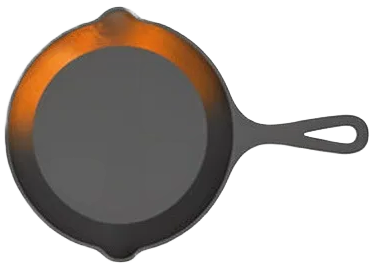
Enameled or Bare Cast Iron: Which Is Right for Your Kitchen?
Staring at the shiny color of an enameled Dutch oven and the classic black sheen of a bare skillet, you might wonder which one is truly the “better” choice for your stovetop. The answer isn’t about better or worse, but about which tool fits your cooking habits and comfort level.
This guide cuts through the confusion by comparing them side-by-side on the points that matter most to a home cook. Here’s what we’ll cover:
- The fundamental safety differences for cooking and cleaning.
- How their durability and maintenance needs stack up in daily use.
- Why one might be your daily driver while the other excels at specific tasks.
What Are We Really Talking About? The Core Difference
An enameled cast iron piece is, at its heart, a piece of cast iron with a permanent, glass-like coating fused to it in a high-temperature kiln. This coating is essentially powdered glass that has been melted onto the iron. The result is a slick, colorful, and non-porous surface that never needs oiling.
Bare cast iron is simply that, a piece of uncoated iron. Its cooking surface isn’t truly “bare” when it’s ready for use, though. It relies on a built-up layer of polymerized oil called seasoning. This is a hard, slick coating you create and maintain through the repeated application and heating of a thin layer of cooking oil.
Think of it this way: enamel is like a factory-applied, colored glass glaze that’s baked on for good. Seasoning is more like a hard, durable coat of oil-based paint that you apply and touch up yourself over many years.
Are They Both Safe to Cook With Every Day?
Yes, both enameled and well-maintained bare cast iron are completely safe for daily cooking. With enameled cast iron, safe use hinges on the enamel staying intact; cracks or chips should be addressed to prevent exposure of the metal. Their safety concerns come from different places, related to how they can fail if damaged or neglected.
For enamel, the primary risk is physical damage. The glass coating is very hard but can be brittle. The main safety failure mode for enamel is chipping, which can expose the raw iron underneath to moisture and cause rust, or leave sharp edges.
I often get asked, “Is bare cast iron cookware safe to cook with?” The answer is a definitive yes, provided you have a stable layer of seasoning. A well-polymerized seasoning layer is inert, non-toxic, and creates a barrier between your food and the raw iron. It stops rust and prevents the iron from reacting strongly with acidic foods. Still, you may have heard concerns about iron leaching and health. In most cases, properly seasoned cast iron leaches only trace amounts of iron and can be safely part of a balanced diet.
With enamel, the safety depends heavily on the quality of that glass coating. Reputable brands use inert, food-safe enamel that contains no lead or cadmium. The concern often lies with unregulated, cheap imports where the enamel composition is unknown. Sticking with trusted manufacturers is your best guarantee.
Where Enameled Cast Iron Excels (and Where It Doesn’t)
Enameled cast iron is your champion for wet, slow, and acidic cooking. Its non-porous glass surface is completely impervious to liquids and will not react with anything.
- Braising meats and stews for hours.
- Simmering tomato sauce, wine-based dishes, or vinegar-heavy recipes.
- Slow-cooking soups and beans.
- Easy cleaning, as food doesn’t bond to the slick surface.
This is why you see it most often as enameled cast iron dutch ovens and braisers, perfect for one-pot meals. Where it doesn’t excel is in high-heat searing. Thermal shock (like putting a hot pot in cold water) can crack the enamel. You also can’t use metal utensils, as they will scratch and eventually chip the surface.
Where Bare Cast Iron Excels (and Where It Doesn’t)
Bare cast iron is the master of high, dry heat and developing flavor. The direct contact between food and the hot, seasoned iron surface creates incredible browning and a fantastic natural non-stick finish when cared for.
- Searing steaks and chops at very high temperatures.
- Pan-frying and deep-frying.
- Baking cornbread, skillet cookies, or pizza with a crisp crust.
- Developing a superior, stick-resistant patina over time.
The advantage of bare iron is that direct contact with the metal provides instantaneous, efficient heat transfer for unmatched browning and crisping. The proper seasoning you build is the safe, protective barrier that makes this all possible. Where it struggles is with long-simmered acidic dishes, which can degrade the seasoning layer and give food a metallic taste, requiring you to re-season afterward.
How Do You Care for Them to Keep Them Safe?
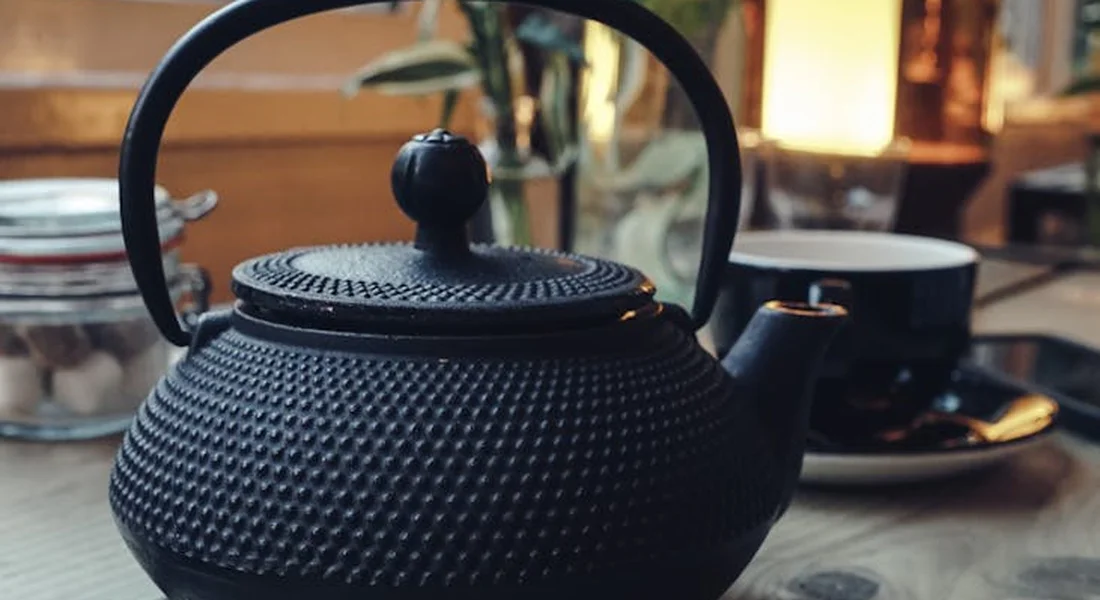
Think of maintenance as your number one safety protocol. Good care prevents accidents and ensures your pan performs for decades.
Keeping Your Enameled Piece Pristine
Your enameled Dutch oven is tough, but its glass coating needs a gentler touch than bare iron. From traditional seasoning of bare cast iron to enamel-coated options, care approaches differ. Treat it like your favorite ceramic dish. We’ll compare these methods in the next steps.
After cooking, let the pan cool until it’s warm to the touch, not scalding hot. Fill it with warm, soapy water and use a soft sponge or nylon brush to clean.
Avoid abrasive scouring pads and powdered cleaners at all costs, as they will scratch the glossy finish and create dull spots where food sticks.
To dry, towel it off completely. You can let it air-dry upside down on a rack, but I always give mine a quick wipe to prevent any water spots.
Never use metal utensils on the enameled surface. Not for flipping, not for scraping, not even once. The hard metal can chip or scratch the glass. Use wood, silicone, or high-quality nylon.
You might ask, “When is it okay to use metal utensils with my enameled cast iron cookware?” The honest answer is virtually never on the cooking surface. Some pans have enameled exteriors but bare iron rims, so a metal utensil might *clink* against the rim without damage, but it’s a risky habit. It’s safest to just keep metal away. If you want a quick guide on which utensils are safe to use with enameled cast iron, check our guide on safe utensil use. It covers wooden and silicone options that protect the coating while you cook.
Make a habit of inspecting your pan under good light, especially the cooking surface. Look for any shiny, metallic spots where the black or white enamel has chipped away. Also, run your finger gently along the surface to feel for hairline cracks you might not see. A crack or a chip on the cooking surface means it’s time to retire that piece from active duty.
Keeping Your Bare Iron Seasoned and Strong
Bare iron care is a simple, quick ritual that becomes second nature. The goal is to protect the iron from water and build up its non-stick seasoning.
My routine after every use is wash, dry, heat, and coat. Here’s what that looks like:
- Wash the warm pan with hot water and a small drop of mild dish soap. Scrub with a brush or chainmail scrubber for stuck bits.
- Dry it immediately and thoroughly with a towel.
- Place it on a stovetop burner over low heat for 2-3 minutes to evaporate every last bit of moisture.
- Apply a microscopic coat of oil (vegetable, flaxseed, etc.) with a paper towel, then buff it all off like you made a mistake. A pan that looks dry is seasoned correctly.
Reseasoning isn’t a full, oven-bound project every time; it’s just adding a fresh, thin layer of polymerized oil to a spot that looks dry or worn.
Care differs slightly by pan type. A flat skillet is the standard. A griddle or grill pan with ridges needs extra attention to dry and oil in all the grooves where water can hide. I always give my grill pan a few extra minutes on the stove to really heat those channels through.
Preventing rust isn’t just about longevity, it’s a core safety practice. A well-oiled, seasoned pan is chemically inert. The seasoning layer seals the raw iron away from your food and the air, stopping rust and creating a stable cooking surface. These principles also apply to fixing and preventing rust in cast iron cookware. Keeping that seasoning intact helps prevent future rust and makes maintenance straightforward.
Common Mistakes and How to Avoid Them
Knowing what *not* to do is just as important as knowing the right steps. These blunders can shorten your pan’s life or create safety issues.
Enameled Cast Iron Blunders
- Using high heat with an empty pan. Always have at least a little oil or food in the pan before cranking the heat. An empty enameled pan on high heat can overheat and cause the enamel to crack or craze (develop a network of tiny cracks).
- Placing a hot pan in water or on a cold surface. Thermal shock is the enemy. Never take a searing-hot pan and run it under the tap or set it on a cold granite counter. Let it cool down first. The drastic temperature change can make the enamel crack or the iron itself split.
- Using it under a broiler where only the interior is enameled. Many enameled pieces have a black, matte exterior that is not enamel, but a seasoned finish. Putting this under a direct broiler flame can damage that finish. If your pan’s exterior is colored and glossy, it’s fully enameled and typically broiler-safe, but always check the manufacturer’s instructions.
- Continuing to use a pan with a significant chip on the cooking surface. A small chip on the rim or exterior may be fine with a touch-up, but a chip inside where food cooks exposes the iron underneath. This can rust, and you risk getting tiny glass flakes in your food. If the chip is on the cooking surface, it’s best to stop using it.
Bare Cast Iron Blunders
- Letting it sit wet. Water is bare iron’s nemesis. Never leave your pan to soak or sit in the sink wet. The rust process starts incredibly fast, sometimes within an hour.
- Using soap with harsh degreasers or lye. Modern, mild dish soaps are fine. But avoid soaps with added degreasers or, obviously, lye-based soaps. These can break down and strip your hard-earned seasoning. If your soap cuts through baked-on grease on a baking sheet, it’s too harsh for your cast iron.
- Cooking acidic foods in a newly seasoned or poorly seasoned pan. Simmering tomatoes, wine, or vinegar in a pan with weak seasoning will break down that thin polymerized layer and can leach a metallic taste into your food. Wait until your pan has a dark, well-established seasoning before making long-simmered acidic dishes.
- Storing it with the lid tightly sealed while slightly damp. This creates a perfect, humid environment for rust. If you store with a lid, place a paper towel between the pan and lid to absorb moisture, or just leave the lid slightly ajar.
When to Seek Professional Help or Retire a Pan
Cast iron is famously durable, but it is not indestructible. Some damage is purely cosmetic, while other issues can be a safety hazard. The key is to assess the damage objectively, without letting sentiment for a favorite pan cloud your judgment. Your safety in the kitchen is the top priority. Practical steps to prevent damage and breakage of cast iron cookware can help you preserve it for years. Simple, consistent care will keep your pans reliable and safe to use.
For Enameled Cast Iron
Enameled cast iron has a glass-like coating fused to the iron. Damage to this coating is the primary concern.
A chip on the cooking surface is a problem if it is deep enough to expose the black iron underneath, has sharp edges, or you notice it growing larger with use. A tiny, shallow flaw on a smooth surface might only be a cosmetic issue, but a chip on a textured grill pan, for instance, can snag and worsen quickly.
Many people ask, “My enamel chipped. Can I still use it safely?” The answer depends entirely on the chip’s location and size.
| Chip Location | Chip Size & Condition | Verdict |
|---|---|---|
| On the cooking surface (inside) | Larger than a grain of rice, deep, or sharp-edged | Retire the pan. Iron can leach into food and the chip may grow. |
| On the cooking surface (inside) | Very small, shallow, and smooth | Use with caution for low-acid foods. Monitor it closely. |
| On the exterior or lid | Any size | Usually safe to use. This is purely cosmetic, but avoid submerging the chipped area in water for long periods. |
A hairline crack in the enamel, especially on the cooking surface, is a reason to stop using the pan immediately. These cracks can harbor bacteria that are impossible to clean out. More critically, the crack creates a weak point in the glass coating that can lead to sudden shattering under high heat, a genuine safety risk.
For Bare Cast Iron
With traditional cast iron, we’re dealing with the metal itself and the seasoning layer you build upon it. The problems are different. Seasoning matters because it forms a protective, nonstick patina that guards against rust and improves cooking over time. Understanding why seasoning is important helps explain how to care for and maintain the pan.
A crack that goes through the iron itself, not just the superficial seasoning, means the pan is finished. You can confirm this by cleaning the pan thoroughly. If the line remains and you can feel a gap, it’s a structural failure. Thermal stress from extreme temperature changes usually causes this. A cracked pan cannot heat evenly and may eventually split completely.
Warping happens when a pan is heated too quickly or intensely. Severe warping that prevents the pan from sitting flat on your burner or causes oil to pool drastically in one spot means the pan will no longer cook properly. It’s time to retire it from stovetop duty, though a severely warped pan might still function as a campfire cooker or bakeware.
Surface rust is fixable. Deep pitting from rust is another story. If scrubbing away rust reveals deep, pockmarked holes that compromise the cooking surface’s smoothness and integrity, the pan’s best days are likely behind it. While you could technically season over it, it will never perform well or be easy to clean. For me, when the pitting is extensive enough to catch a fingernail, I consider the piece a candidate for retirement or repurposing in the garden—a far cry from the rust you can fix in a cast iron skillet to make it safe for cooking.
Common Questions
Can I use metal utensils with enameled cast iron if I’m careful?
No. The glass coating can chip from any metal contact, creating sharp edges and exposing the iron to rust. This is a firm rule for maintenance. Use only wood, silicone, or high-quality nylon tools to preserve the surface.
What’s the best way to clean stubborn, stuck-on food from my bare cast iron skillet?
Use hot water and a stiff nylon brush or chainmail scrubber. For a particularly tough spot, add a sprinkle of coarse salt as a gentle abrasive. Avoid harsh soaps or steel wool, which can strip your seasoning, and reapply a thin layer of oil immediately after drying.
Which type requires more long-term attention and upkeep?
Bare cast iron requires consistent, active upkeep to maintain its seasoning and prevent rust. Enameled cast iron needs more careful handling to prevent physical damage, but its daily cleaning is simpler. Your choice depends on whether you prefer routine maintenance or cautious handling. These differences include rust risk and care nuances between bare and enameled cast iron. They can help you decide which suits your kitchen.
Practical Care for Enameled and Bare Cast Iron
In my workshop, I see both types of cookware last generations when treated right. Many cooks also compare cast iron with stainless steel to see which holds seasoning best. For your bare cast iron, focus on building a strong seasoning layer through regular, thin coats of oil and controlled heat. With enameled cast iron, prioritize gentle handling and avoiding sudden temperature changes to prevent damaging the coating. To learn more about advanced topics like stripping old seasoning or checking for enamel cracks, explore our other articles on The Iron Patina.
Expert Resources and Citations
- Enameled Cast Iron
- Enameled Cast Iron | Shop Enameled Cast Iron | Lodge Cast Iron
- Enameled Cast Iron Cookware Sets & Pans | Caraway
- Enameled Cast Iron – Lodge Cast Iron
- Bestow Enameled Cast Iron Cookware – Tramontina USA
- r/castiron on Reddit: Enameled Cast Iron
A material science expert by profession, Joseph is also an avid cook. He combines his 10+ years expertise in material science and metallurgy with his passion for cast iron cookware to bring you best hands on advice. His expertise ranges from types of cast iron cookware to best seasoning tips as well as restoration of vintage cast iron utensils. Joe is here to help you solve all your cast iron cookware queries and questions.