Is Damaged or Pitted Cast Iron Safe to Cook With?
I’ve pulled many a skillet from the thrift store bin, and that first look at rust or pits always brings the same worry. You can almost always use damaged cast iron safely after a proper evaluation and some hands-on restoration.
- How to spot the difference between harmless surface flaws and risky structural damage.
- A clear, workshop-tested process for cleaning and re-seasoning pitted iron.
- The rare cases when a piece is too far gone and should be retired.
First, Let’s Figure Out What Kind of Damage You’re Dealing With
Not every mark on your pan is a crisis. Some are cosmetic, while others are structural. A quick, easy test can tell you which is which.
Run your fingernail across the imperfection. If your nail glides over it without catching, you’re likely dealing with a superficial issue. If your nail catches, dips into, or snags on the spot, that’s a sign of deeper damage.
Minor surface damage is like a scratch on a non-stick pan’s coating; it might look ugly, but the pan’s core function is intact. This category includes:
- Fine, hairline scratches in the seasoning
- Small, superficial rust spots that wipe away
- Cloudy or dull patches from mineral deposits
Deep damage is different. Think of it like potholes in a road. This category includes:
- Pits: Actual small holes or divots in the iron surface
- Gouges: Deep, narrow scratches that remove material
- Cracks: Fractures that go through the iron (this is the most serious)
Whether your pan is safe depends entirely on which group it falls into. The fingernail test gives you the answer.
Is a Damaged Pan Actually Safe to Cook With?
Let’s answer this directly. For a pan with only minor surface scratches and a solid layer of seasoning, the answer is almost always yes, it’s safe.
Your seasoning is a hardened, polymerized layer of oil. This polymerization is the chemistry behind cast iron seasoning, where oil molecules bond and harden to form a durable non-stick layer. A light scratch in that topcoat doesn’t expose bare iron if the layers underneath are intact. It just means the surface is less non-stick in that one spot. You can keep cooking and the scratch will often fill in over time with regular use and proper care.
I’ve used a vintage skillet with a web of fine scratches for nearly a decade; it performs flawlessly because the base seasoning is strong, despite the fact that I’ve done restoration work on it.
Deep pits, gouges, and cracks introduce real risks. A deep pit can trap moisture and food particles, leading to rust spots that are hard to eradicate. It can also create a spot where food constantly sticks. A crack, however, is a deal-breaker for cooking. It can expand with heat stress and may eventually cause the pan to fail.
The risks with deep damage aren’t usually about toxicity, but about performance, hygiene, and the long-term integrity of your cookware. Managing those risks requires a specific approach to prevent damage and breakage in cast iron cookware, which we’ll cover next.
The Real Risks of Cooking with Pitted or Deeply Damaged Iron
Rust is the obvious worry, but it’s rarely the only one. Using a pan with significant damage can lead to a handful of frustrating and potentially unsafe problems, especially when dealing with rusty cast iron.
First, think of a deep pit or scratch as a tiny, permanent pocket. Water and food particles get trapped there during washing or cooking. Your towel can’t reach it. That trapped moisture has no way to dry, so it starts to rust almost immediately. This creates a cycle where you fight surface rust, but the problem keeps bubbling up from the pit you can’t clean. That rust can flake into your food during cooking.
Seasoning needs a smooth, solid surface to bond to. A deep pit or gouge has steep, rough walls. When you apply oil and bake it, the seasoning might coat the top of the pit like a bridge, but it won’t properly adhere to the sides or bottom. This creates a weak spot. Under heat and during cleaning, that fragile “bridge” can flake off, reopening the pit to moisture and restarting the rust cycle. It’s like trying to paint over a deep hole in a wall, the paint just skins over the top and cracks.
The most serious, though rare, risk is structural failure. A visible crack is a major red flag, especially for enamel on cast iron, which can be even more fragile. Cast iron is strong but brittle. A crack can spread, especially with thermal shock like plunging a hot pan into cold water. A pan with a spreading crack can, in the worst case, fracture completely during use. I once saw an old skillet split in two while someone was searing a steak, sending hot oil and iron everywhere. It’s not common, but it’s a risk you simply don’t take.
Your Step-by-Step Damage Assessment Checklist
Grab your pan and follow these steps. Good lighting and your own fingertips are your best tools here.
- Do a full visual inspection. Look over the entire cooking surface, walls, and exterior. Search for dark spots, orange rust, or shiny silver lines that indicate bare metal.
- Run the fingernail test. Drag your fingernail gently across any suspect areas. A healthy seasoning layer should feel glassy-smooth. If your nail catches, dips, or scrapes on rough, pitted metal, you’ve found a weak spot.
- Check for raised lips. Feel around the edges of any pits or scratches. Is the metal around it raised or jagged? A raised lip is a bigger barrier to proper cleaning and seasoning than a smooth-sided pit.
- Listen and flex (gently). Hold the pan by the handle and support the bottom with your other hand. Apply very slight, careful pressure. Listen for any clicking or cracking sounds. This isn’t about bending it, it’s about checking for hidden stress fractures.
- Mark a suspect crack. If you see a hairline crack, mark each end clearly with a small dot of chalk or a grease pencil. Heat the pan gently in an oven or on the stove, let it cool completely, and check the marks. If the crack now extends beyond your marks, it’s active and growing.
What Your Findings Mean
Use this simple guide to decide your next move.
| Condition | What It Means | Action |
|---|---|---|
| Green Light | Minor surface scratches, smooth wear, no pits or cracks. | Cook with confidence. Just keep up with regular cleaning and occasional seasoning. |
| Yellow Light | Shallow pitting, minor rust in pits, no raised lips or cracks. | Needs restoration. You must strip and re-season, grinding or sanding the pits smooth first for a lasting fix. |
| Red Light | Deep pits with raised lips, active rust cycles, any visible crack (especially if it grows). | Retire from cooking. It can become a decor piece, a garden item, or be recycled. Do not heat it. |
How to Clean and Re-season a Damaged Pan
Once you’ve decided your pitted pan is structurally sound, the real work begins. You’re not just cleaning a pan; you’re preparing a damaged surface to accept a new foundation. I treat this process like prepping a wall for paint. If the old surface is loose or dirty, the new coat won’t stick.
Always start gentle. Grab some dish soap, hot water, and a stiff nylon brush or scrubber. Give the pan a thorough wash to remove any surface grease, dust, or loose rust. This first wash is about removing grime, not attacking the pits themselves. Next, we’ll outline the best tools and methods for clean cast iron skillets to keep your pan in top shape.
If the pan is very rusty or has crusty, baked-on residue, you may need to escalate. For rust, a soak in a 50/50 water and white vinegar solution for 30-60 minutes will help lift it. For carbon buildup, a paste of coarse salt and water can work as a gentle abrasive. Use a chainmail scrubber for tough spots, but avoid steel wool. Its fine filaments can lodge in pits and cause new rust.
After scrubbing, drying is not a suggestion; it’s a commandment. Pits are tiny water traps. Towel drying leaves moisture behind. You must use heat to evaporate every last bit of water from those microscopic holes. Place the pan on a stovetop burner over medium heat for 5-10 minutes. You’ll see the metal turn dry and then you might even see it start to smoke slightly. That’s your cue it’s ready.
Your Targeted Re-seasoning Strategy
Seasoning a pitted pan requires a different mindset. You’re not glossing over a smooth surface; you’re carefully building a bridge across small canyons.
- Apply a microscopically thin layer of your chosen oil (flaxseed, grapeseed, or Crisco are my go-tos) to the entire pan, warm from the stove.
- Take a fresh, lint-free cloth or paper towel and try to wipe all the oil off. What remains is the perfect amount.
- Now, take a new corner of your cloth, put a tiny drop of oil on it, and deliberately dab it into the pitted areas. Your goal is to coax oil into the low spots, not just coat the high points.
- Place the pan upside-down in a cold oven, then heat to 450°F (or your oil’s smoke point). Bake for one hour, then let it cool completely in the oven.
Repeat this process 3 to 5 times before even thinking about cooking with it. The first few layers will look awful-uneven, spotty, and dull. Don’t panic. That patchy, bronze look is completely normal as polymerized oil builds at different rates on a rough surface. The beauty comes with consistent layers.
Should You Try to Fill the Pits? A Practical Look
It’s tempting to want a quick fix to make the cooking surface perfectly smooth again. You might read about people using epoxy, high-temperature solder, or even welding to fill pits. Here is the absolute rule: never introduce a foreign material to the cooking surface of your pan. These substances can contain toxic chemicals that may leach into your food when heated, and they won’t bond with the iron or expand and contract at the same rate.
The only safe and effective filler is seasoning itself. Think of it not as a repair, but as a long-term cultivation project. Each seasoning cycle deposits a minuscule amount of hardened oil. Over many cycles, these layers slowly accumulate in the low spots.
This “seasoning fill” method requires patience. Where a smooth pan might need 3 layers for good non-stick performance, a pitted one might need 10 or 20 cycles of use and stovetop seasoning to feel noticeably more even. I have a vintage skillet that took a year of regular use to fill its minor pitting to a point where I barely notice it.
Set your expectations realistically. A heavily pitted pan may never achieve a glass-smooth, mirror-black finish, and that’s okay. The goal isn’t museum-grade perfection; it’s a safe, functional, and well-seasoned cooking tool. The surface will become more level, food release will improve dramatically, and your pan will be protected. That’s a victory.
When It’s Time to Retire Your Cast Iron for Good
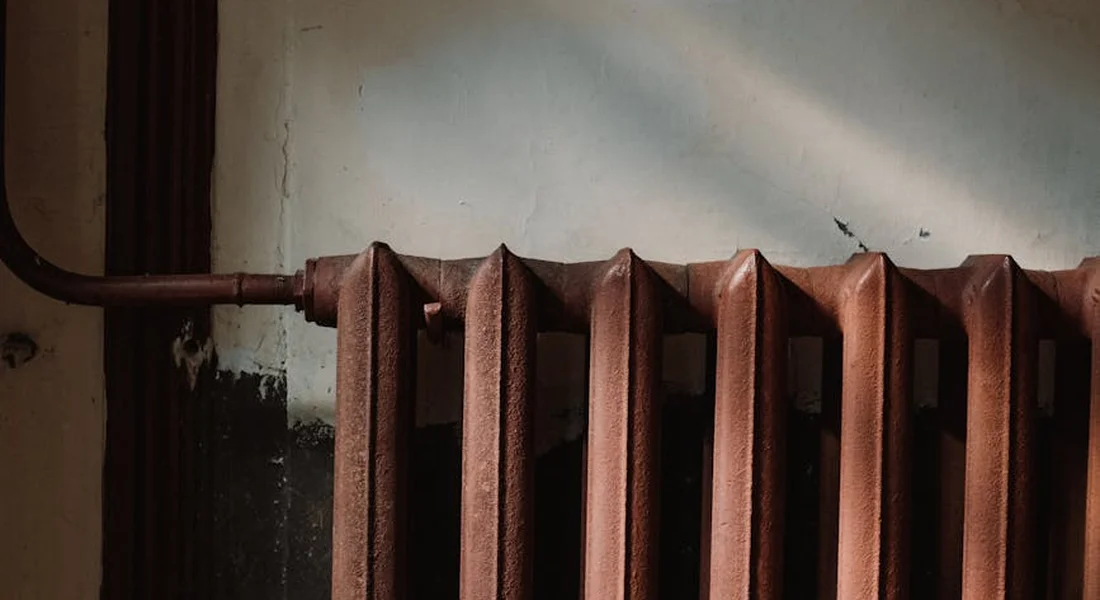
Some damage goes beyond a simple fix. Knowing when to stop trying to save a pan keeps you safe and saves you frustration.
Look for these clear signs that a piece has reached the end of its cooking life.
- Visible cracks, especially on the cooking surface or the rim. A hairline crack on the outside wall might be a cosmetic flaw, but a crack where you cook is a deal-breaker. It will widen with heat and can lead to a full break.
- Holes. If rust or damage has eaten completely through the iron, it cannot be repaired for cooking.
- Severe warping. A slight curve is common in vintage pieces, but a pronounced dome or bowl shape that prevents stable contact with your burner or griddle surface means uneven cooking and a safety hazard.
- Damage that feels structurally unsound. Trust your instincts. If the metal feels brittle, flexes, or you hear worrying creaks, it’s time to retire it.
Think of a cracked pan like a cracked ceramic coffee mug. It might hold liquid for a while if you’re careful, but the moment you put it under stress (like heating it on a stove), it will fail.
Retiring a piece is not a failure on your part. Cast iron is incredibly durable, but it’s not indestructible. Decades of use, or a single moment of extreme thermal shock, can end its kitchen service. If the piece has sentimental value, give it a new purpose. I’ve seen old skillets become lovely garden ornaments, rustic doorstops, or even a base for a succulent planter. A quick look at its metallurgy—how carbon content drives strength and brittleness helps decide repair needs. It also clarifies when a piece is best repurposed or retired.
Your Best Defense: How to Prevent This Damage in the First Place
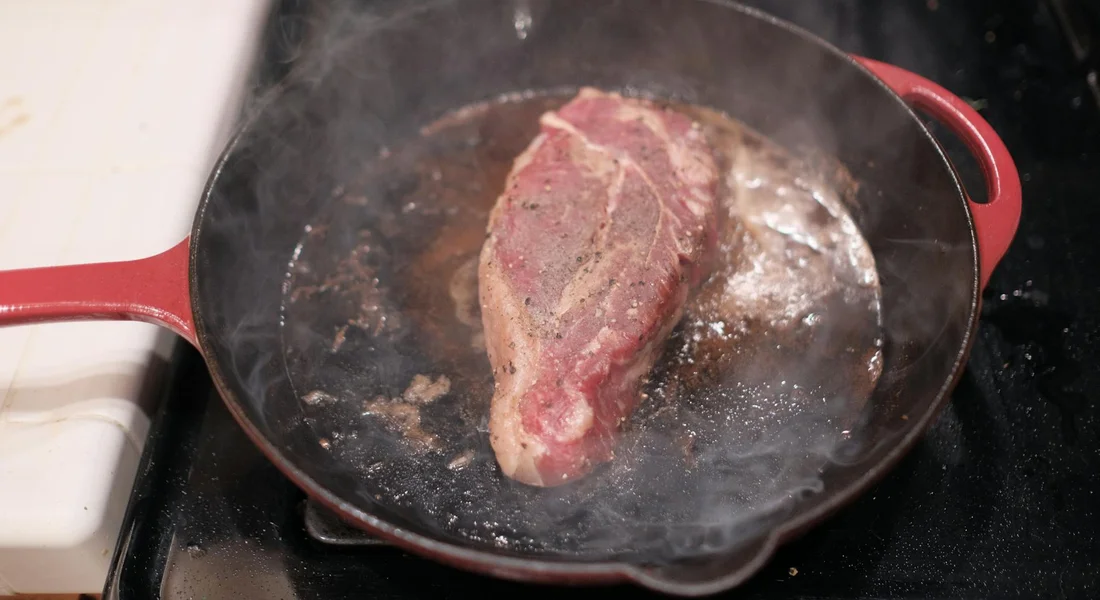
The best repair is the one you never have to make. Consistent, gentle care is your pan’s best insurance policy.
Proper drying is your number one rule for preventing rust and the pitting it causes. Never let a pan air-dry. After washing, dry it immediately with a towel, then place it on a warm stovetop burner for a few minutes to evaporate every last bit of moisture. This single habit prevents most corrosion, especially when combined with other preventative measures on cast iron cookware.
Choose your cleaning tools wisely. For daily use, stick to gentler options.
- Use a nylon brush or scraper for most cleanups.
- A chainmail scrubber is excellent for lifting stuck-on food without scouring your seasoning.
- Reserve coarse steel wool or abrasive pads for stripping seasoning during a full restoration, not for everyday cleaning.
Avoid extreme temperature changes, known as thermal shock. This is a leading cause of cracks. Don’t take a blazing hot pan and run it under cold water. Let it cool down significantly first. Similarly, avoid placing a cold pan directly onto a high-heat burner. Let it warm up gradually over low to medium heat for a few minutes.
Think of good maintenance as building a protective suit of armor for your pan. That armor is your seasoning. Each time you cook with a little oil and properly clean and maintain your cast iron, you’re reinforcing that layer. A well-maintained seasoning layer doesn’t just make cooking easier, it seals the iron away from moisture and oxygen, which are the root causes of rust and pitting.
Common Questions
How can I tell if a pit is too deep to season properly?
Use the fingernail test. If your nail catches sharply at the pit’s edge or dips significantly into it, the walls are likely too steep for seasoning to bond correctly. These deep, sharp pits will continually shed their seasoning and trap moisture, making them a persistent problem.
After re-seasoning a damaged pan, why does the surface look patchy and uneven?
This is completely normal. On a rough surface, polymerized oil builds up at different rates, creating a bronze, splotchy appearance for the first several layers. Do not strip it. Consistency is key-just keep applying thin, even coats; the layers will eventually build and even out with use.
Can a pan with minor cracks ever be safe for cooking?
No. Any visible crack on the cooking surface or rim is a terminal flaw. Unlike rust or pitting, a crack is a structural failure that will expand with heat stress. Retire it from stovetop use immediately to avoid the risk of sudden fracture.
Your Cast Iron’s Next Chapter
In my own collection, some of my best-cooking pieces have a few honorable scars. The single most important rule is to let the depth of the damage guide your action: shallow, smooth pits are often just seasoning challenges, while deep, rough ones need restoration. When you find a deep pit, a full strip and patient re-seasoning isn’t just repair-it’s a return to safe, reliable cooking. Getting confident with the full restoration process, from rust removal to that final glossy layer, makes every skillet a keeper.
Research and Related Sources
- Is Enameled Cast Iron Safe? What To Know | Caraway
- What are the safety concerns around cooking with a cast-iron pan on an electric stove? How can you tell if the pan has been damaged and is releasing harmful chemicals into the food? – Quora
- 3 Dangers Of Cast Iron (Is Enameled Cast Iron Cookware Safe?)
- Is Cast Iron Safe? Truths and Myths About Cast Iron Skillets – Field Company
- Damage & Defects – The Cast Iron Collector: Information for The Vintage Cookware Enthusiast
- Virginia Tech food scientist dispels the myths behind cast iron pan use | Virginia Tech News | Virginia Tech
Joseph Gerald
A material science expert by profession, Joseph is also an avid cook. He combines his 10+ years expertise in material science and metallurgy with his passion for cast iron cookware to bring you best hands on advice. His expertise ranges from types of cast iron cookware to best seasoning tips as well as restoration of vintage cast iron utensils. Joe is here to help you solve all your cast iron cookware queries and questions.