Is Flaxseed Oil Worth the Hype for Seasoning Cast Iron?
You’ve likely read that flaxseed oil creates a perfect, durable finish on your skillet, but many home cooks find it chips or flakes after a few uses. After seasoning countless pans in my own workshop, I can tell you that flaxseed oil has some unique pros and serious cons you need to know.
Let’s look at what really matters for your cookware. This article covers:
- What makes flaxseed oil different from common kitchen oils like canola or crisco.
- The real-world performance: when it works beautifully and when it fails.
- A straightforward comparison to help you choose the right oil for your pan.
- My hands-on method for using flaxseed oil, if you decide to try it.
Key Takeaways
Before we get into the details, here is what you need to know.
- Flaxseed oil creates an extremely hard, glass-like finish that looks amazing on wall-hanger skillets.
- For pans you cook with daily, that hard finish is often too brittle and can chip or flake under thermal stress.
- The core trade-off is a beautiful, durable-looking coat versus a seasoning layer that may not be flexible enough for real kitchen use.
- The final verdict: it’s a fantastic choice for display pieces, but often a problematic one for daily drivers.
What Exactly is Flaxseed Oil (and Why is it Special)?
Flaxseed oil is simply linseed oil that’s safe to eat. It’s pressed from flax seeds and belongs to a category called “drying oils.”
For cast iron, this drying property is everything. When you heat a drying oil to a certain temperature, it doesn’t just get sticky. It undergoes a chemical change and transforms from a liquid into a solid, plastic-like coating. This process is called polymerization.
Flaxseed oil is famous because it polymerizes more completely and creates a harder, glossier film than many other cooking oils. This is why it became the darling of the cast iron restoration community. It promises a factory-perfect, bulletproof finish. Yet many cooks question whether that finish truly lasts in real life. The truth about flaxseed oil and cast iron is nuanced and sometimes overrated.
A critical safety note is necessary here. “Boiled” linseed oil, which you find at hardware stores, is not food-safe. It contains chemical dryers and stabilizers that are toxic. You must only use food-grade, 100% flaxseed oil from the grocery or health food store for seasoning cookware.
The Science Behind the Shine: Polymerization Explained
Think of polymerization like paint curing. When you paint a wall, the liquid paint dries and hardens into a new, solid surface. Seasoning works the same way. You apply a thin layer of oil and “bake” it on. The heat causes the oil molecules to link together into long, strong chains, creating that bonded, non-stick layer on your pan.
All oils polymerize, but not equally. Flaxseed oil has a very high percentage of polyunsaturated fats, specifically alpha-linolenic acid. These molecules have multiple double bonds in their chemical structure, which act like extra linking points.
Under heat, these molecules cross-link aggressively and densely, resulting in a seasoning layer that is exceptionally hard and fast-drying. It’s like building a fence with posts that have five connection points instead of two. The resulting fence is very rigid.
Compare this to a common kitchen oil like canola. Canola oil has fewer of these reactive double bonds. It still forms a good seasoning layer, but it polymerizes more slowly and creates a coating that has more flexibility. It’s durable in a different, more forgiving way.
The Flaxseed Oil Promise: What’s All the Hype About?
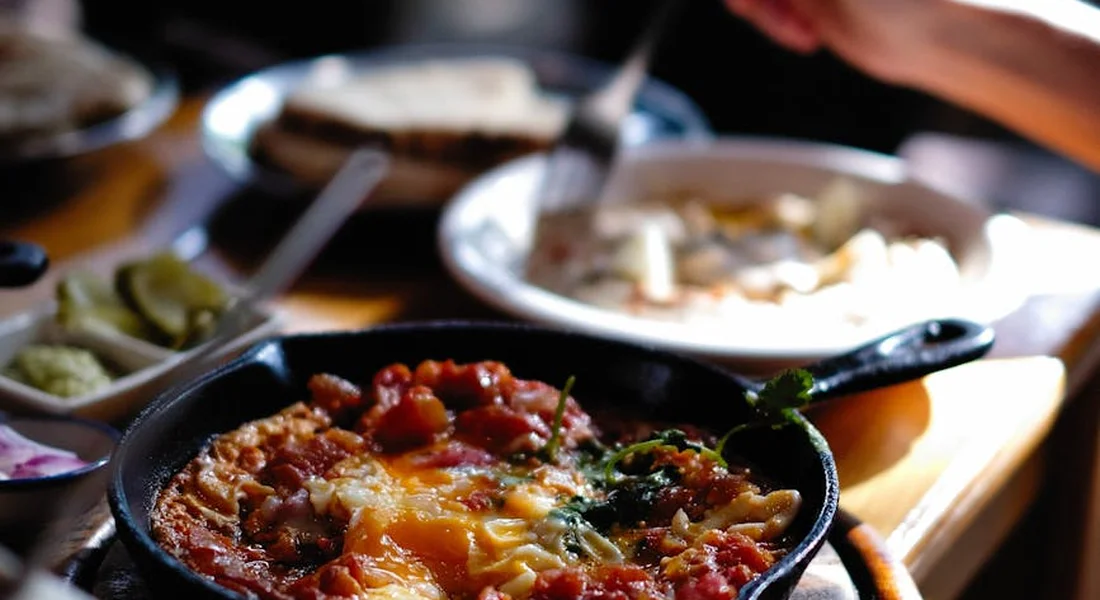
If you’ve spent any time watching cast iron restoration videos, you’ve seen it. A vintage skillet, stripped bare, gets a thin coat of flaxseed oil. It goes into the oven and comes out with a finish so dark, glossy, and perfect it looks like patent leather. This is the central promise of flaxseed oil, and it’s a powerful one.
The goal is a polymerized coating that is exceptionally hard. Where common kitchen oils like canola or grapeseed create a more plastic, forgiving layer, flaxseed oil aims for a surface that feels like a ceramic glaze. The visual appeal is undeniable. A well-executed flaxseed seasoning can achieve that coveted, uniform jet-black patina faster than many other fats. It looks professional, almost too good to use.
This “pro” finish is why flaxseed oil became a star in online forums and restoration circles, creating a cycle where its stunning looks validate its use. The sensory payoff is real. Running your fingers over a flaxseed-seasoned surface, it feels slick and glassy in a way that a softer seasoning does not. For someone seeking a transformative, showpiece result on a single pan, the allure is easy to understand.
The Other Side of the Coin: Potential Drawbacks and Risks
That incredible hardness, however, comes with a significant trade-off. A seasoning layer needs to be durable, but it also needs some flexibility. Cast iron expands when heated and contracts as it cools. A brittle coating can’t move with the metal.
This brittleness is the root cause of the most common complaint about flaxseed oil seasoning: flaking. You might cook a perfect steak, only to find tiny black flakes in your food or stuck to the pan’s surface. The thermal shock of taking a hot pan and running it under cool water is often the trigger. Micro-cracks form, and the hard seasoning lets go in chips instead of wearing down slowly.
Think of it like this: a seasoning of canola oil is like a tough, flexible truck bed liner, while a flaxseed coating can be more like a hard but thin layer of glass paint. Both protect, but one handles impact and stress far better. This is the kind of insight you’ll find in the flaxseed oil vs grapeseed oil vs crisco ultimate seasoning oil showdown.
Beyond performance, there are practical concerns. A small bottle of food-grade flaxseed oil can cost several times more than a large bottle of a neutral vegetable oil. It also has a notoriously short shelf life and can go rancid quickly if not stored properly. The application is less forgiving, too. Applying too thick a coat, a common beginner mistake, almost guarantees a sticky, flaky mess that you’ll have to strip off and redo.
My Workshop Experience: The Flaking Skillet
I learned this lesson the hard way with a beautiful old Griswold skillet I restored years ago. Eager to achieve that “museum quality” finish, I used flaxseed oil. The first three rounds in the oven were magical. It came out a deep, uniform black with a mirror shine. I was thrilled.
The trouble started during its first real test. I seared some chicken thighs, deglazed the pan with a bit of broth, and heard it. A faint ticking sound, like tiny bits of gravel shifting. When I cleaned the pan, I didn’t see rust. I saw small, distinct islands of bare metal where the seasoning had simply popped off. Wiping the pan with a towel, I could feel the jagged edges of the remaining coating. That made me wonder about the truth about pre-seasoned pans and how durable their factory coating is against rust. Are these factory coatings truly rust-proof, or do they wear off like this?
That skillet taught me that the hardest finish isn’t always the most durable one for the dynamic environment of a kitchen. I had to strip it completely and start over with a more forgiving oil. It was a frustrating but valuable lesson about the difference between a finish that looks perfect on a shelf and one that holds up to daily cooking.
The Seasoning Oil Showdown: Flaxseed vs. The Classics
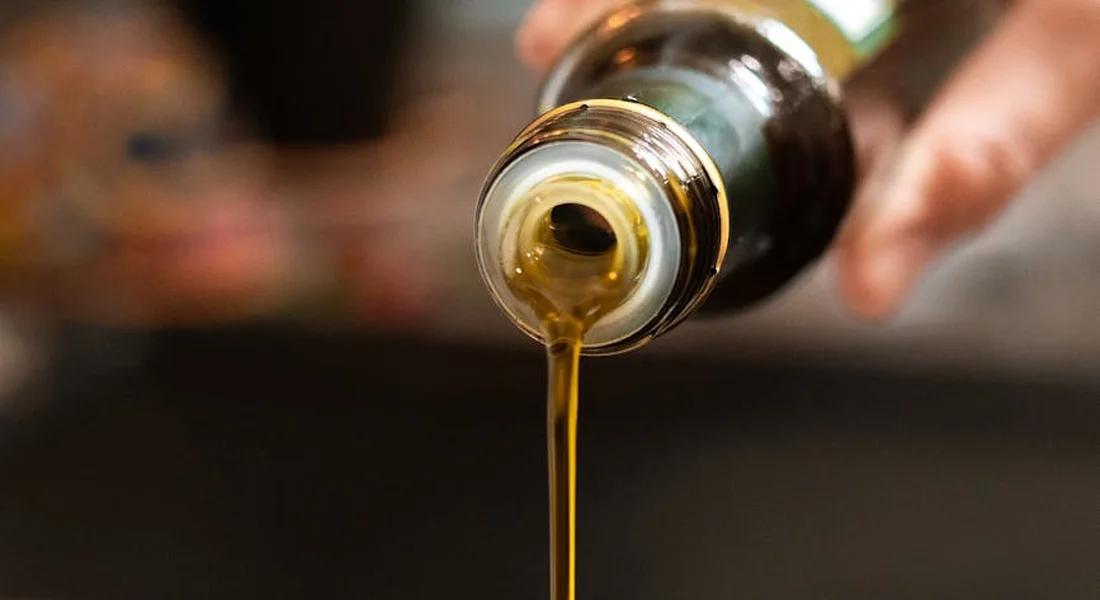
Think of choosing a seasoning oil like picking a finish for a wooden table. You want something that looks good and lasts. Let’s see how the popular options stack up based on what really matters for your pan.
Head-to-Head Comparison
| Oil/Fat | Cost | Ease of Use | Durability & Feel | Final Look |
|---|---|---|---|---|
| Flaxseed (Linseed) | High | Fussy | Can form a hard, glossy layer that is prone to cracking and flaking over time. It’s less flexible. | Deep, glossy, “showpiece” black. |
| Crisco/Veg Shortening | Very Low | Very Forgiving | Forms a flexible, resilient layer that bonds well and repairs easily. My workshop favorite for restorations. | Classic satin to matte black. |
| Grapeseed | Medium | Easy | High smoke point makes it durable. It builds a smooth, hard finish that’s less brittle than flaxseed. | Semi-gloss, rich finish. |
| Canola/Vegetable | Low | Easy | Reliable and widely available. Creates a good, serviceable layer that holds up well to daily use. | Matte to low-luster brown/black. |
| Animal Fats (Lard, Tallow) | Medium | Moderate | Historically accurate and polymerizes well. Can feel a bit softer or waxier. Watch for rancidity if not used often. | Warm, matte finish. |
For the Daily Driver: A Different Recommendation
If your #10 skillet sees eggs every morning and burgers every Friday, you need a workhorse finish, not a showpiece. For a daily driver, I recommend Crisco or grapeseed oil.
These oils build layers that are tough but flexible, so they can handle thermal expansion and a metal spatula without micro-cracking. A matte or semi-gloss finish hides scratches better than a high-gloss one. The goal is a pan that performs, not one you’re afraid to use.
How to Season with Flaxseed Oil (The Right Way)
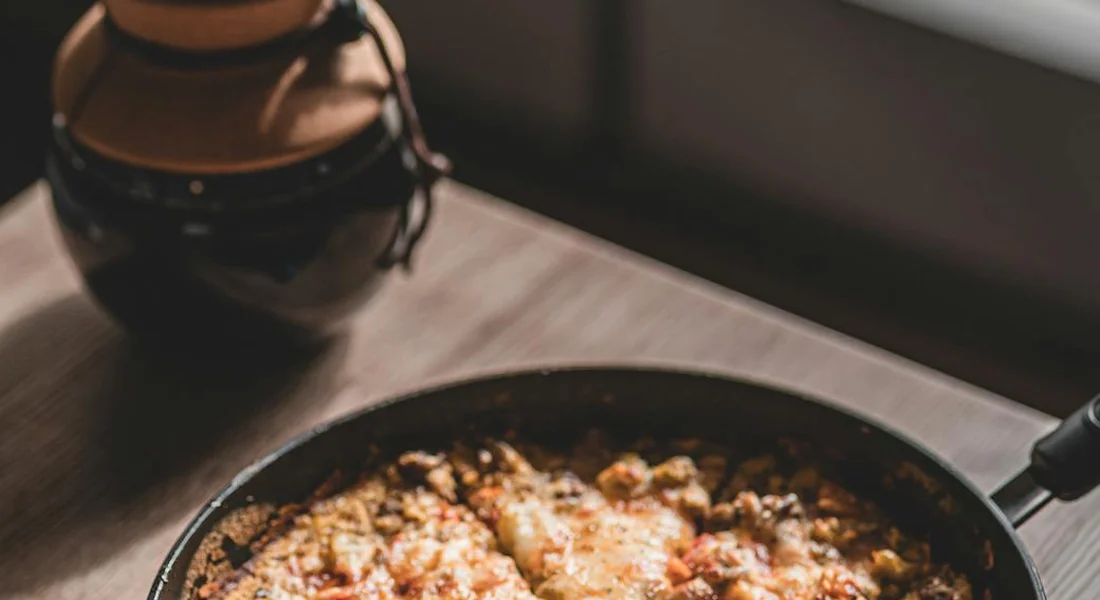
If you’ve read the comparison and still want that legendary flaxseed gloss, you must follow this method precisely. Flaxseed oil is unforgiving of shortcuts.
Your success hinges on three non-negotiable rules. First, the pan must be utterly clean and dry. Any residue or moisture will cause failure. Second, the oil layer must be vanishingly thin. Third, you must hit and maintain the oil’s precise polymerization temperature.
Common mistakes start with a cold oven. You must preheat. Using a soggy, oily rag leaves far too much oil behind. The biggest error is impatience. Rushing the heat or the cool-down time guarantees a sticky or brittle coat.
Your Flaxseed Oil Seasoning Checklist
- Strip and clean your pan completely, removing all old seasoning and rust.
- Dry the pan thoroughly on the stove over medium heat until it’s hot to the touch.
- Preheat your oven to 450°F (232°C). This is critical for flaxseed.
- Apply ½ teaspoon of flaxseed oil to the warm pan with a cloth.
- Wipe the entire surface, inside and out, as if you’re trying to remove all the oil you just put on.
- Place the pan upside down in the hot oven. Bake for 1 hour.
- Turn the oven off and let the pan cool completely inside. Do not rush this.
- Repeat steps 4 through 7 for 3 to 5 more ultra-thin layers.
The “Wipe It All Off” Technique: Why It’s Critical Here
With Crisco, a little extra oil might smoke off. With flaxseed, any excess will polymerize into a thick, sticky, or brittle layer that flakes. After you apply that tiny amount of oil, take a fresh, clean cloth or paper towel and wipe the pan again until it looks almost dry, with just a faint sheen.
If the pan looks wet or shiny before it goes in the oven, you have used too much oil. It should look barely oiled, like the wood of a well-polished antique.
When to Consider Professional Restoration for Your Pan
You can fix most seasoning problems at home with some elbow grease. Sometimes, though, a project is more than a simple scrub and re-season.
Think about professional help when you see deep, pitting rust that looks like the surface of the moon, a pan that wobbles because it’s warped, or a crust of carbon so thick it feels like concrete. These are problems that go beyond the surface.
Seeking a professional is a smart move if you don’t have the specialized tools or the time for a major project. They use methods like electrolysis tanks or gentle media blasting that strip a pan to bare iron without damaging it, something that’s very hard to do perfectly with oven cleaner and a trash bag in your garage.
I want to be clear: most pans never need this. Your daily driver that just needs a fresh coat of seasoning isn’t a candidate. This service is for an heirloom piece covered in decades of gunk, or a severely rusted pan you pulled from a barn. For those special or extreme cases, a pro can give your iron a true fresh start.
Is the Hype Justified? Our Final, Practical Verdict
So, is flaxseed oil the miracle cure? The answer is frustratingly context-dependent. It’s not a simple yes or no.
Flaxseed oil is worth trying in two specific situations. First, for a showpiece or display item you won’t cook with often. Its hard, glossy finish is beautiful on a wall-hanger. Second, as a personal experiment. If you’re curious and enjoy the process, go for it. I seasoned a small logoed griddle with it just to see, and it looked fantastic on day one. Some cooks compare flaxseed oil to grapeseed oil for cast iron seasoning, wondering which is superior for durability and finish. This comparison can help guide your own seasoning choices.
You should avoid flaxseed oil for your primary, workhorse frying pan or if you want low-maintenance durability. That beautiful finish is brittle. High heat from searing a steak or the thermal shock of going from stove to sink can cause it to chip and flake in a way that more flexible polymerized oils like canola or grapeseed will not.
The final truth is this: great seasoning is built through cooking, not just the initial oil you choose. No single coat in the oven will ever be as tough as the layers you build up slowly by frying, baking, and properly cleaning your pan over years. Choose an oil that supports that long-term relationship, not just a pretty first impression.
Common Questions
Is flaxseed oil a good choice for my main cooking skillet?
No, I do not recommend it for a daily driver. The hard, brittle finish it creates is prone to chipping under the thermal stress of regular cooking. For a workhorse pan, a more flexible oil like Crisco or grapeseed builds a far more durable and forgiving seasoning.
What’s the single biggest mistake when seasoning with flaxseed oil?
Using too much oil. Any excess will polymerize into a thick, sticky, or flaky layer. After applying a minuscule amount, you must wipe the pan again until it looks almost dry-a faint sheen is all that should remain before it goes in the oven.
If the finish is so hard, why doesn’t it last?
Hardness does not equal kitchen durability. Cast iron expands and contracts with heat; a brittle seasoning cannot flex with the metal, leading to micro-cracks and flakes. A great seasoning layer needs resilience, not just rigidity, to withstand real-world use.
Seasoning for the Long Haul
When it comes to building a reliable foundation, I steer clear of flaxseed oil and use a simple, high-smoke point oil like grapeseed or canola for every new layer. This approach creates a tough, flexible patina that sticks around through decades of cooking, which is the entire point of seasoning. For more on keeping that layer in top shape, our guides on gentle cleaning and proper storage are great next stops.
Deep Dive: Further Reading
- r/castiron on Reddit: Yay. Kenji again explicitly debunks flaxseed oil for seasoning.
- I Seasoned My Cast Iron Skillet With Flaxseed Oil. Here’s the Result. | The Kitchn
- Amazon.com: Kuche Chef Organic Cast Iron Oil & Cast Iron Conditioner – Made from Flaxseed Oil grown and pressed in the USA – Creates a Non-Stick Seasoning on All Cast Iron Cookware (240ml) : Home & Kitchen
- Best Way to Season Cast Iron Pans – Flax Seed Oil : 6 Steps (with Pictures) – Instructables
Joseph Gerald
A material science expert by profession, Joseph is also an avid cook. He combines his 10+ years expertise in material science and metallurgy with his passion for cast iron cookware to bring you best hands on advice. His expertise ranges from types of cast iron cookware to best seasoning tips as well as restoration of vintage cast iron utensils. Joe is here to help you solve all your cast iron cookware queries and questions.