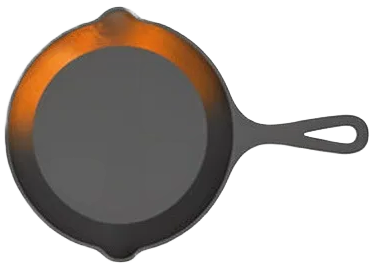
How Did We Get This Remarkable Cookware?
If you’re scrubbing rust or building seasoning layers, you might wonder what you’re actually working with. Knowing what cast iron is made of and how it’s made explains its unique personality and why it reacts the way it does to heat, oil, and moisture.
This guide will walk you through the practical story of this incredible material. We’ll cover:
- The simple, powerful metal blend that makes cast iron so durable and heat-retentive.
- How ancient foundries first poured molten iron into shapes, creating the earliest “cast” pieces.
- The industrial revolution’s role in turning cast iron into the affordable, essential cookware we cherish today.
Key Takeaways: The Heart of the Story
- Cast iron is iron with a high carbon content, which makes it relatively brittle but gives it incredible heat retention and even cooking.
- People have been working with iron for millennia, but creating thin-walled, hollow cookware through casting was a much later innovation.
- The 1700s mark the true birth of cast iron cookware as we know it, thanks to improved furnace technology and mass production.
- Cast iron’s fundamental nature-being porous and prone to rust-is exactly why the tradition of seasoning it with oil is so vital for its care.
- A well-seasoned pan isn’t a modern non-stick coating; it’s a durable, polymerized oil layer that protects the iron, a practice born from the material’s needs.
What Is Cast Iron, Really?
At its simplest, cast iron is iron that contains a high amount of carbon, typically over 2%. This might seem like a small detail, but it changes everything. That carbon makes the iron more fluid when it’s melted, so it can be poured into intricate molds. Think of it like melting chocolate to pour into a shaped form. Once it cools and solidifies, you have a perfect, detailed copy of that mold.
The trade-off for this easy shaping is that cast iron is more brittle than other forms of iron or steel; you wouldn’t want to bend it or hammer it into shape. But for a cooking pot or a skillet, where you need a thick, solid piece that holds and spreads heat evenly, this characteristic is perfect.
Virtually all the cookware we use is made from a specific type of gray iron. When you look at a fresh, unseasoned pan and see that dark gray, almost black, pebbly surface, you’re looking at the raw cast iron. Those tiny pores and peaks are why a bare pan will rust if it gets wet and why it needs a protective layer of seasoning to become a functional cooking tool.
From Ancient Metal to Kitchen Staple
People have smelted iron from ore for thousands of years. Ancient cultures from China to Europe produced wrought iron and crude cast objects. But for centuries, this was mostly for tools, weapons, and statues. Creating a thin, hollow vessel like a cooking pot required a level of control over the molten metal and mold-making that simply didn’t exist yet. Early furnaces couldn’t get hot enough to produce large quantities of high-quality liquid iron suitable for delicate casting.
The real breakthrough happened in the 1700s with the refinement of coke-fired blast furnaces. These could generate the intense, consistent heat needed. Suddenly, factories could produce molten iron in bulk. This is when cast iron truly moved from a specialist material to a common one, making everything from engine parts to, crucially, affordable cookware for everyday homes. Foundries began casting pots, kettles, and the first skillets, changing kitchens forever.
This history is written into how we care for these pans today. Those early cooks quickly learned that bare iron would rust and that food would stick terribly. They discovered that rubbing the cooking surface with oil or fat and heating it created a slicker, more resilient layer. They weren’t thinking about polymerized bonds; they were solving a practical problem presented by the material itself. Every time you oil and heat your pan, you’re participating in a centuries-old solution to the inherent nature of cast iron.
How Was Cast Iron Invented? A Timeline
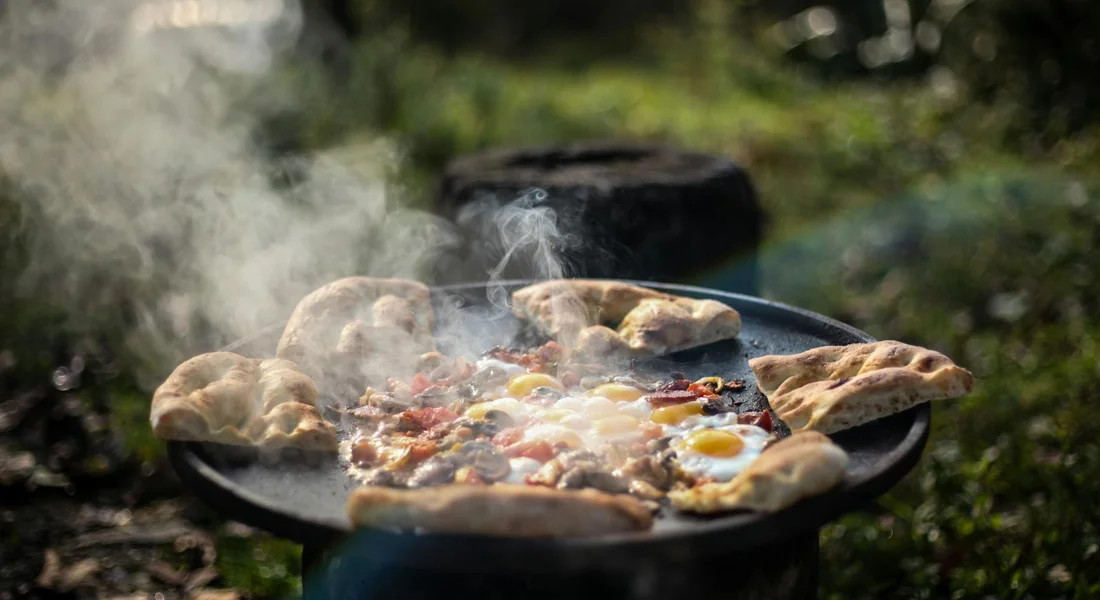
To know where you’re going, it helps to know where you’ve been. The story of your skillet starts thousands of years ago with a series of brilliant technological leaps.
Ancient Beginnings: The First Smelted Iron
Around 2000 BCE, ancient smiths learned to heat iron ore in a charcoal fire. This process created a spongy, malleable metal we call wrought iron. Wrought iron is shaped by a blacksmith’s hammer, while cast iron is poured like soup into a mold. That’s the key difference. To get from a forgeable lump to a pourable liquid, furnaces needed to reach a much higher temperature. For centuries, that critical leap remained out of reach.
China Masters the Flow (Around 500 BCE)
Ancient China cracked the code. By building taller, more efficient furnaces called blast furnaces, they generated enough heat to melt iron completely. This was the first true cast iron. They poured this liquid metal into molds to make tools, weapons, and statues, but not yet the skillets we know today. This innovation gave them a huge advantage, producing durable goods on a scale previously impossible.
Europe’s Industrial Breakthrough
The technology for cast iron eventually spread to medieval Europe. By the 1700s, improved blast furnaces turned it into the material of the Industrial Revolution. You can see its strength in landmarks like the world’s first cast iron bridge, built in Coalbrookdale, England, in 1779. This era of bridges, pipes, and railway parts proved cast iron was tough, reliable, and could be mass-produced, which paved the way for its use in the home. Foundries that made machinery now had the skill and metal to make durable household items.
The Birth of the Kitchen Workhorse (1700s Onward)
So, when did cast iron cookware become common? The 1700s mark the turning point, especially in Europe and colonial America. As foundries perfected casting, heavy pots, kettles, and spider skillets (with three legs for hearth cooking) became household staples. The invention of the cast iron cooking stove in the 18th century created a perfect new market for flat-bottomed pots and pans (revolutionizing cast iron cookware). These weren’t novelties, they were essential tools built to last a lifetime, which is why we still find and use them today.
How Is Cast Iron Cookware Made?
Most modern and vintage skillets are made through a process called sand casting. It’s brilliant in its simplicity and hasn’t changed much in centuries.
Here is how it works, step by step:
- A skilled pattern maker creates a positive model of the pan, typically from metal or dense wood.
- This pattern is packed into special sand to create a detailed negative impression, forming the mold.
- The mold is separated, the pattern is removed, and the mold is reassembled as a hollow cavity ready for metal.
- Molten iron, heated to about 2,200°F, is poured into the mold through a channel called a “sprue.”
- The iron cools and solidifies inside the sand mold.
- Workers break away the sand mold, revealing the rough, one-piece cast iron pan.
On the rough pan, you’ll see where the molten metal was poured in and where excess metal leaked between mold halves. The small, rough bump where the sprue was attached is often called a “gate mark,” a common feature on the bottom of 19th and early 20th century pans that collectors look for. Modern pans grind this spot completely smooth.
That rough, freshly-cast surface is porous and feels sandy to the touch. Before a pan can be sold, manufacturers clean it up. They use machines to grind or mill the cooking surface and the bottom. This removes the largest bumps and creates a smoother finish. This process leaves a textured, microscopic landscape perfect for grabbing onto oil during seasoning, which is why that first layer is so important. The pan you buy, whether vintage or new, started its life in a bed of sand.
What Makes Cast Iron Ideal for Cooking?
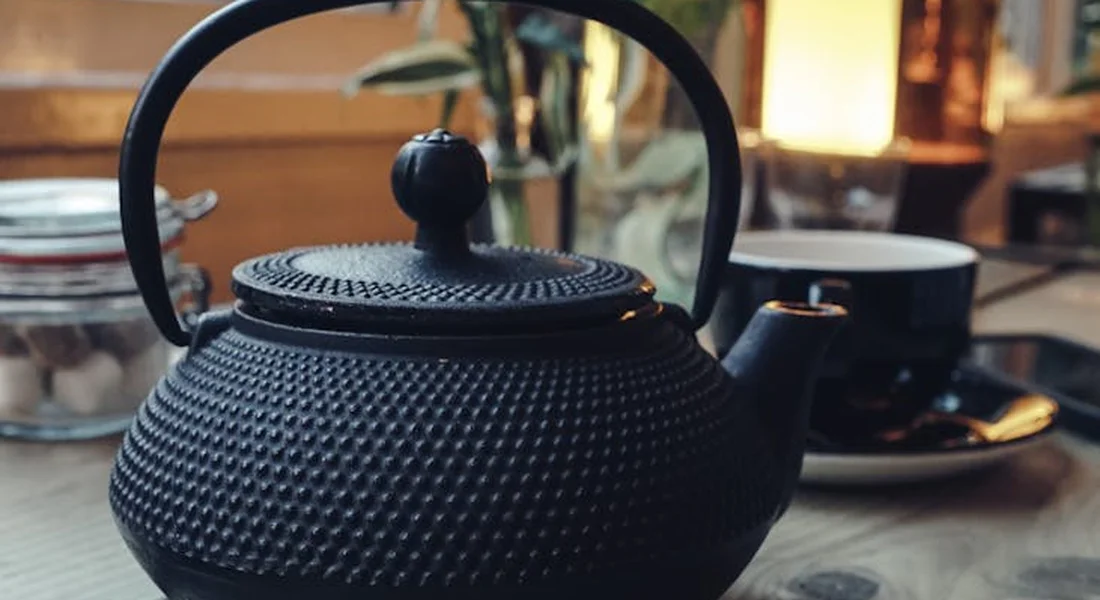
Cast iron works so well because of two simple properties: it holds heat incredibly well and it spreads that heat evenly. This is especially important when considering how cast iron excels at heat retention and distribution.
Think of your skillet like a thermal battery. It takes a little time to warm up, but once it’s hot, it stays hot. This steady, even heat is perfect for searing a steak or baking cornbread with a crisp crust.
Cast Iron vs. Other Cookware Metals
To understand cast iron, it helps to compare it.
- Aluminum: Heats up very fast, but also cools down fast if you add cold food. It can also develop hot spots.
- Stainless Steel: Often has a thin layer of aluminum or copper in the base for even heating, but doesn’t hold heat like cast iron.
- Cast Iron: Heats slowly and evenly across the entire cooking surface. It doesn’t cool down when you add food, which gives you a perfect, consistent sear.
This incredible heat retention is why a well-preheated cast iron pan is a powerhouse for creating restaurant-quality results at home.
The Secret is in the Seasoning
Bare cast iron will rust. The non-stick surface isn’t a factory coating, it’s something you build and maintain yourself. This is called seasoning.
Seasoning is a thin, baked-on layer of oil that polymerizes onto the iron. I like to think of it like building up layers of a super-tough, edible varnish. From a chemistry perspective, the polymerization creates a thin, bonded layer on the iron when heated. So, does seasoning actually bond cast iron, or is the adhesion mainly surface-level?
- It protects the iron from moisture and rust.
- It creates a naturally non-stick cooking surface that improves with use.
- It gives your pan its classic black patina.
The need for this protective layer is what defines the simple, ongoing care ritual for cast iron. You’re not just cleaning a pan; you’re preserving its cooking surface.
From Foundry to Kitchen: Your Role in the Story
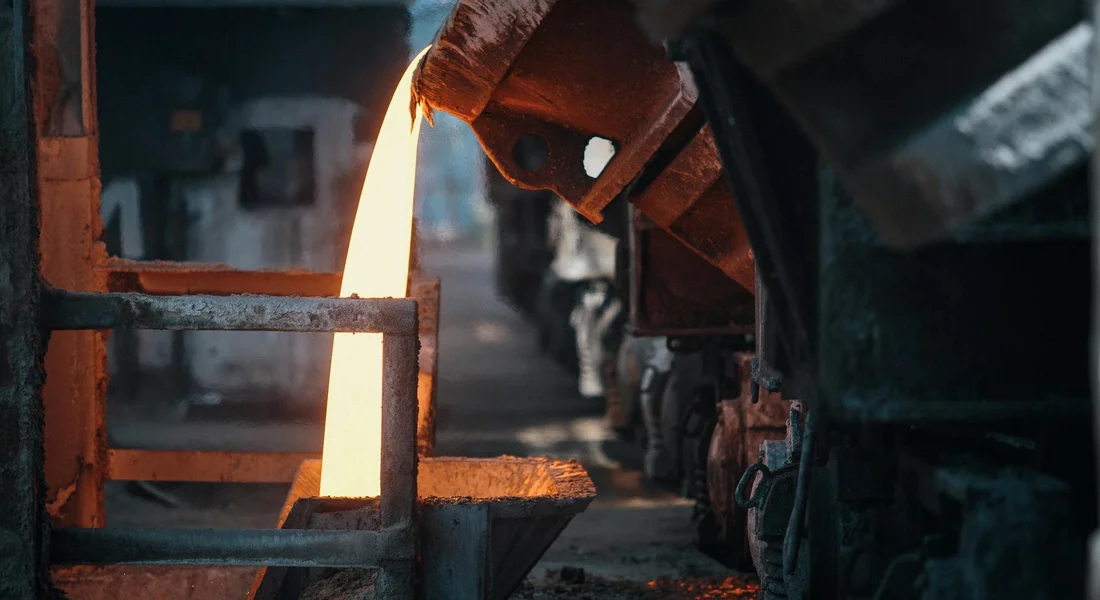
The foundry’s job ends when they pour the molten iron into a mold and cool it. Your job begins the moment that pan arrives in your kitchen. Knowing how to use cast iron cookware is essential to make the most out of it.
The factory might apply a base coat of seasoning, but the true cooking surface-the one that makes eggs slide and gives your fajitas a perfect char-is created by you. Through proper seasoning, gentle cleaning, and regular use, you transform a simple iron vessel into your most trusted kitchen tool.
When you care for a cast iron skillet, you are participating in a centuries-old tradition of craftsmanship. You are the final, essential step in its creation.
This might sound like a big responsibility, but the daily practice is wonderfully simple. My own daily driver skillet only gets three things: a gentle wipe or scrub, a thorough drying, and sometimes a whisper of oil. That’s it.
Don’t let the ancient origins or the deep lore intimidate you. The basics of cast iron care are straightforward, logical, and deeply rewarding. A little knowledge turns maintenance from a chore into a quick, satisfying habit that keeps your pan performing for a lifetime. Unlike stainless steel cookware, cast iron requires a bit more attention, but the results are worth it.
Common Questions
Since cast iron has been around for centuries, do I really need to season a modern pan?
Absolutely. The fundamental material-porous iron prone to rust-has not changed. Seasoning is the essential, timeless practice that transforms raw iron into a functional cooking tool by creating a protective, non-stick layer.
The article mentions early furnaces and molds. Does how my pan was made affect how I care for it?
No. Whether vintage or new, sand-casting creates the same porous surface structure. Your care ritual-seasoning to fill those pores, gentle cleaning, and thorough drying-is universal because it addresses the inherent nature of the cast iron itself.
You mention 18th-century stoves. Does that change how I use my pan on a modern stove?
Only your heat source has changed. The pan’s exceptional heat retention remains its core trait. Always preheat gradually on a modern burner to avoid thermal shock and allow that deep, even heat to build, just as you would have over a slower hearth fire.
Cast Iron’s Legacy in Your Kitchen
The best way to honor cast iron’s long history is to build its future in your kitchen through simple, consistent care. Your maintenance routine-cleaning, drying, and applying a thin layer of oil-is what transforms a factory-made object into your own cherished, flavor-building tool. You can explore more on our site about restoring vintage pieces or stopping rust before it starts. If your cast iron has seen rust or cruddy days, a step-by-step restoration guide can help you revive it.
Research and Related Sources
- History of Cookware | Ancient & Modern Cookware
- The History of Cookware: From Simple Tools to High-Tech Appliances | EX Kitchen
- Cookware Made in the U.S.: 5 Brands Our Editors Tested (and Loved!)
- Evolution Of Cookware: History And Innovation Of Cookware
- 15 Stellar Cookware Brands That’ll Have You Cheffing It Up In No Time
- 7 Best Home Cookware Brands | Moast.io
Joseph Gerald
A material science expert by profession, Joseph is also an avid cook. He combines his 10+ years expertise in material science and metallurgy with his passion for cast iron cookware to bring you best hands on advice. His expertise ranges from types of cast iron cookware to best seasoning tips as well as restoration of vintage cast iron utensils. Joe is here to help you solve all your cast iron cookware queries and questions.