Does Vinegar Make Cast Iron Rust Faster?
If you’re hesitant to use vinegar for cleaning or worry about cooking acidic foods in your favorite skillet, that caution is smart. Acids like vinegar can accelerate rust on bare iron, but a well-seasoned pan is surprisingly resilient when you know the rules.
- Why vinegar and other acids interact with cast iron at a chemical level.
- Practical, safe ways to use acidic cleaners without harming your seasoning.
- Which common kitchen acids pose the biggest risk to your cookware.
- Immediate steps to protect your pan after an acidic exposure.
Quick Snapshot: Acids and Your Iron
Here’s the fast answer. Whether an acid hurts your pan comes down to two things: how strong it is and how long it’s in contact with the iron. A quick cook and clean is one thing, a long soak is another.
| Scenario | Risk Level | Key Action |
|---|---|---|
| Cooking tomato sauce for 30 minutes | Low | Clean and dry promptly |
| Soaking a pan in vinegar to strip rust | Controlled (High if misused) | Never soak bare iron for more than 30 minutes |
| Leaving wine pan sauce overnight | Very High | Immediate cleaning required |
| Washing with a splash of dish soap | None | Proceed as normal, dry thoroughly |
Modern dish soap is not your enemy. It’s a mild cleaner that won’t touch your seasoning when used normally. The real risk comes from food acids sitting for hours, or from using straight vinegar as a restoration tool without careful timing.
Time is your biggest lever for controlling risk with acidic ingredients.
What Rust Really Is (And What It Wants)
Rust is simple. It’s what happens when iron, water, and oxygen get together for a party you didn’t invite them to. The technical name is iron oxide.
Your pan’s seasoning is the bouncer at that party. It’s a hard, polymerized layer of oil that sits between the bare metal and the world. Think of it like a raincoat for your skillet. When that coating is intact, water beads up and rolls off. No water on the metal means no rust.
Acids are trouble because they can compromise that raincoat. They can slowly break down the seasoning over many cooks, or strip it away quickly in a concentrated bath.
An acid’s main threat is exposing the bare, thirsty iron underneath your protective seasoning.
The Rust Formula: It’s Not Magic, It’s Chemistry
You might see searches about “rust vinegar iron oxidation state.” That sounds complex, but the idea is straightforward. Water and oxygen cause rust slowly. Add an acid, and things get fast.
Imagine the surface of your iron is a tightly locked fence. Water and oxygen work on the lock. An acid, like vinegar, is a crowbar. It aggressively pries iron atoms loose from the surface. Once those atoms are free, oxygen in the water or air grabs them almost instantly to form rust.
This is why a quick tomato sauce is fine, but leaving that same sauce in the pan for hours can cause spotting. It’s also the exact principle we use intentionally during restoration: a short, controlled vinegar bath uses that crowbar action to lift rust off so we can scrub it away, revealing clean metal to re-season.
Vinegar doesn’t create rust from nothing, it supercharges the process that water and oxygen already start.
How Do Acids Actually Cause Trouble?
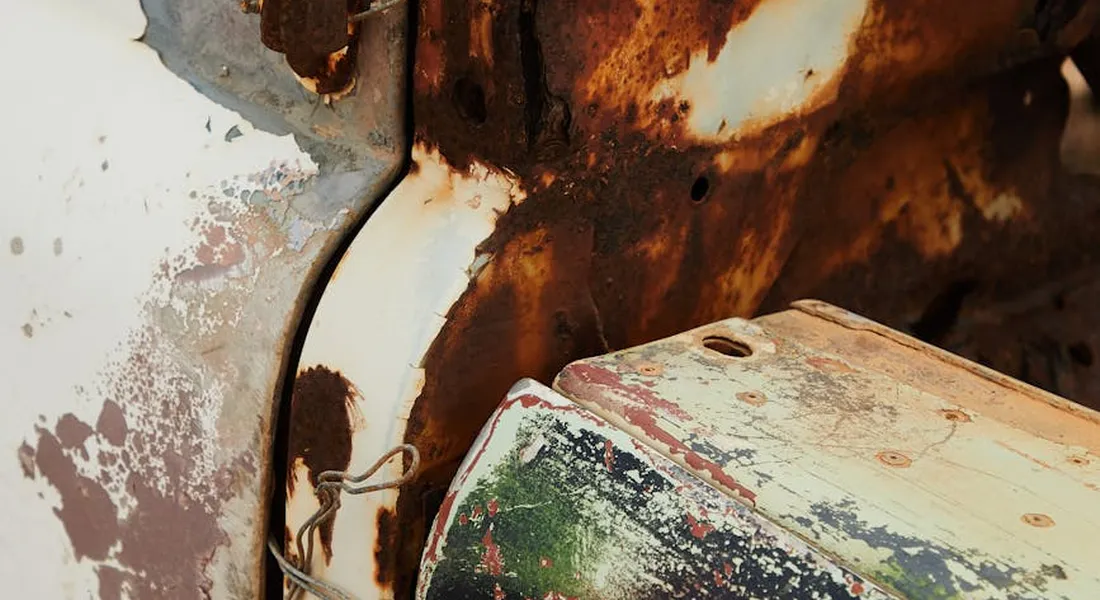
Acids threaten your cast iron in two specific ways. They can degrade the protective seasoning you’ve built, and they can directly attack the bare iron underneath, causing rust. Even when cooked in acid.
Imagine your seasoning. A strong, fully polymerized layer is like a durable, baked-on paint job. It’s tough and resilient. A weak or thin layer is more like a temporary stain, easily worn away.
Acids vs. Your Seasoning
When you cook acidic foods, the acid gently reacts with the polymerized oils in your seasoning. This can slowly break the bonds over many uses, making the surface look dull or feel less slick.
This wear is a very gradual process, and with a well-cared-for pan, your seasoning will handle normal cooking without issue. My own daily skillet has seen plenty of quick tomato sauces and is still non-stick and shiny. The key is that the acid needs prolonged contact to do real harm.
Acids vs. Bare Cast Iron
Bare iron reacts with acid much faster. Without the seasoning barrier, the acid attacks the metal directly, accelerating oxidation. This is how rust forms.
So, does vinegar make cast iron rust overnight? Absolutely. If you leave bare cast iron in straight vinegar, you can see orange spots appear in just a few hours. I’ve used this fast reaction on purpose to strip rust in restoration projects.
Other common kitchen acids like lemon juice, wine, or a tomato-based sauce will have the same effect on any exposed iron spots in your pan.
Bare iron and acid are a guaranteed, fast track to rust, while a good seasoning layer provides crucial protection. Bare iron is particularly vulnerable to rust compared to cast iron surfaces that have been properly maintained.
Real-World Rules for Cooking with Acidic Foods
You don’t need to avoid acidic foods. You just need smart habits. Focus on two things: how long the acid is in the pan, and what you do right after cooking.
Safe Practices for Sauces and Simmers
Your first line of defense is your pan’s condition. Always use a well-seasoned skillet for acidic dishes. A dark, slick patina is far more resistant.
Keep cooking times in mind. A 20-minute simmer for a marinara is generally fine. A two-hour braise in wine requires more attention to your pan’s finish afterward.
Never, ever let acidic food sit in the pan after you’re done cooking. This is the most common error. Transfer the food to a serving dish immediately. Letting it cool and sit for hours gives acid time to work.
The Immediate After-Acid Cleanup Routine
This simple routine prevents problems. Do it every time you cook with acidic ingredients.
- Let the pan cool slightly so it’s safe to handle.
- Clean it with warm water and a soft brush or scrubber. Using a tiny bit of mild dish soap here is a good idea to remove all acidic residue.
- Dry it thoroughly. I always place the clean pan on a low stovetop burner for a minute or two to drive off every drop of water.
Once the pan is completely dry and cool, I give it a quick wipe with a paper towel dampened with a drop of oil. This quick, thin oil application helps maintain the seasoning and keeps your pan ready for next time.
When You *Want* to Use Acid: The Rust Removal Exception

Here’s the twist. While you should avoid letting acidic foods sit in your seasoned pan, white vinegar is one of the best tools for removing rust. I always keep a gallon in my workshop. The big difference is control. You are using the acid in a precise, timed way to attack the rust (iron oxide) before it can attack your bare iron.
This is a focused restoration step, not an accidental overnight soak.
The Safe Vinegar Bath Method
For this to work without causing more harm, you must follow a strict procedure. I use this method on every rusty piece I find at a flea market.
- Mix a solution of 50% white vinegar and 50% water in a container large enough to submerge your pan or the rusty area.
- Fully submerge the pan. Set a timer for 30 minutes. Never walk away and forget it.
- When the timer goes off, check the progress. The rust should be loosening. You can use a scrub brush to help it along. For heavy rust, you may need another 30-minute soak, but always check in between.
The most critical step happens the moment you take the pan out: you must stop the acid from working. Rinse the pan thoroughly with clean water. Dry it completely with towels, then place it on a warm stove burner or in a low oven for a few minutes to drive off all moisture.
You are now holding bare, reactive iron. You must begin the seasoning process immediately to protect it.
How to Fix Acid or Rust Damage
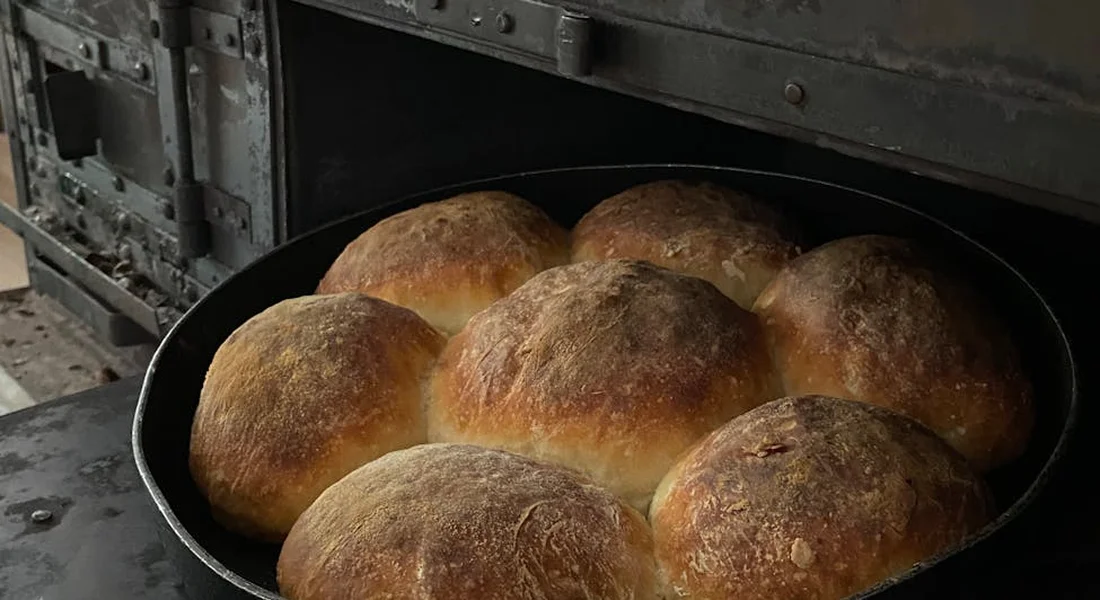
Maybe you simmered tomato sauce a bit too long, or a spot of rust appeared after a humid summer. Don’t worry. Cast iron is famously forgiving. With a little work, you can bring it back to perfect condition. I’ve rescued pans that looked like they belonged in a scrapyard.
Assessing the Damage
First, figure out what you’re dealing with. Is it rust or is it damaged seasoning?
Surface rust looks like a reddish-brown dust or stain. It often wipes off onto a paper towel. Deep pitting feels like small craters or rough spots you can catch a fingernail on.
For seasoning, a dull, dry, or sticky surface just needs maintenance, while bare, grayish metal or visible rust means the seasoning is gone and you need to start fresh.
The Step-by-Step Recovery Process
Gather your tools: a stiff brush or scrub pad, coarse salt, white vinegar (if you have active rust), paper towels, and your preferred seasoning oil.
- Remove the rust. For light surface rust, scrub vigorously with coarse salt and a little water to make a paste. For more stubborn rust, use the 50/50 vinegar bath method described above for short, monitored soaks.
- Wash and dry. Give the pan a good wash with warm, soapy water and a brush. Rinse and dry it completely. Heat it on the stove for a minute to evaporate any last bit of water.
- Apply a protective layer. While the pan is still warm, apply the thinnest possible layer of oil. Wipe it on, then use a clean paper towel to wipe it all off, as if you made a mistake. What remains is the perfect amount.
- Bake it on. Place the pan upside-down in a 450°F oven for one hour. Let it cool in the oven.
This is the core re-seasoning process. You may need to repeat the oil-and-bake steps 2-3 times to build a strong, new layer of seasoning. Your pan will be better than new.
Common Mistakes and How to Avoid Them

Let’s talk about the everyday slip-ups that invite rust. I’ve made a few of these myself, and learning from them is what builds a solid cast iron routine.
Letting a Pan with Tomato Sauce Sit in the Sink
This is the most common acid-related mistake. You finish a delicious skillet pasta, feel tired, and think, “I’ll just let it soak.” That acidic tomato sauce doesn’t just sit there; it actively works on the thin, protective layer of seasoning you’ve built. The best defense is to clean the pan while it’s still warm from cooking, using warm water and a gentle brush. The residual heat helps everything lift off easily, so you avoid a long, damaging soak.
Using Vinegar to “Clean” a Seasoned Pan
This mistake comes from confusing restoration with daily care. Vinegar is a powerful tool for stripping rust from bare iron, but it’s too harsh for your hard-earned seasoning. Using it on a seasoned pan is like using paint stripper to clean a freshly painted wall. For routine cleaning, stick with modern dish soap, warm water, and a scrub brush, or use coarse salt as a gentle abrasive for stuck-on bits. Save the vinegar for dedicated rust-removal projects only.
Forgetting a Pan in a Vinegar Bath During Restoration
When you are using a vinegar solution to remove rust, timing is everything. The standard advice is a 30-minute soak, but it’s easy to get distracted. I once got a phone call and left a small skillet for nearly an hour; the vinegar started to etch the bare metal, giving it a rough, pitted texture. Set a loud, obnoxious timer the moment the pan goes into the bath and do not wander off. Check it every 20-30 minutes, and never let it soak for multiple hours.
Storing a Pan That’s Even Slightly Damp
This is the ultimate rust catalyst, acid or no acid. Trapped moisture has nowhere to go in your cabinet. Towel-drying is a good first step, but it often leaves invisible water in the pores of the iron and the tiny dimples of your seasoning. Always take the extra minute to place your cleaned pan on a burner over low heat until the entire cooking surface is hot and dry to the touch. This guarantees it’s bone-dry before it goes into storage.
Recommended Products for Acid-Related Care

Having the right tools on hand makes proper care simple and stops small issues from becoming big problems. Here’s what I keep in my cleaning caddy.
- Gentle Scrub Brushes: A couple of brushes with nylon or natural fiber bristles are perfect for daily cleaning after cooking with acidic foods. They scrub effectively without being aggressive enough to harm good seasoning.
- White Distilled Vinegar: Keep a cheap bottle in your utility closet, not with your daily kitchen cleaners. This is your designated rust-removal agent for restoration projects, to be diluted with water (typically a 1:1 ratio).
- Food-Safe Mineral Oil or Cast Iron Conditioner: After any interaction with acid-whether cooking tomatoes or a light vinegar rinse for a spot of rust-a super-thin protective coat of oil is a good idea. These products won’t go rancid on the shelf like cooking oils can.
- Stiff-Bristled Grill Brush or Metal Scraper: The best way to deal with acidic food residue is to not let it bake on. A quick scrub with a sturdy brush or a pass with a flat scraper while the pan is still warm lifts off everything before you need soap or, worse, harsh chemicals.
Common Questions
I’ve seen mentions of using hydrogen peroxide with vinegar for rust. Is that better?
No, do not use hydrogen peroxide on your cast iron. While it can alter rust’s chemical state, it is an aggressive oxidizer and will actively attack the bare iron, promoting more rust. For restoration, a simple diluted white vinegar soak is the controlled, effective method.
I accidentally left vinegar in my pan overnight. Is it ruined?
Not ruined, but it needs immediate attention. The acid has almost certainly stripped the seasoning and started etching the iron. Fully strip any remaining residue, dry the pan completely, and begin a fresh round of oven seasoning to re-establish protection.
How can I tell if my pan has light rust or just damaged seasoning?
Rust transfers. Wipe the area firmly with a dry white paper towel. If you see reddish-brown stains, it’s active rust requiring removal. If the towel is clean but the spot is dull, gray, or sticky, you’re dealing with compromised seasoning that needs maintenance oiling and stovetop heating.
Final Thoughts on Acids and Your Seasoning
The single most important rule is to never let acidic liquids sit in your cast iron. Always wash your pan soon after cooking with vinegar, tomatoes, or wine to protect the hard-earned seasoning underneath. Even acidic dishes can be cooked in cast iron as long as you don’t let the acids linger and you clean promptly. Brief simmering and a light re-season when needed will keep the surface resilient for future recipes. For more on building and maintaining that protective layer, explore our guides on choosing the right oil for seasoning and the best methods for drying your cookware completely.
Sources and Additional Information
- r/castiron on Reddit: I left my “new” cast iron finds sitting in 100% vinegar for like 3 days. Is that a no no?
- Cast Iron Gone Rusty? Try Soaking It in Vinegar
- How To Clean A Cast-Iron Skillet
- Does Vinegar Remove Rust from Cast Iron? Find Out Here
Joseph Gerald
A material science expert by profession, Joseph is also an avid cook. He combines his 10+ years expertise in material science and metallurgy with his passion for cast iron cookware to bring you best hands on advice. His expertise ranges from types of cast iron cookware to best seasoning tips as well as restoration of vintage cast iron utensils. Joe is here to help you solve all your cast iron cookware queries and questions.