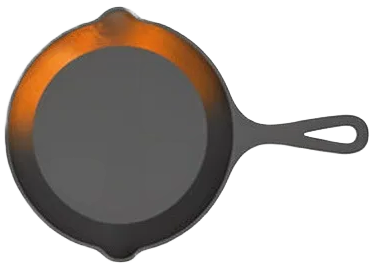
Which Cast Iron Rust Removal Method Should You Use?
Seeing rust on your favorite skillet can be worrying, but it’s a fixable problem. I’ve brought back many rusty pans, and the right cleanup choice saves you time and effort.
Here’s what I’ll share from my workshop experience:
- How to quickly judge if rust needs light scrubbing or a serious soak.
- My step by step guide for each method, from simple to advanced.
- When electrolysis beats vinegar, and when scrubbing alone works best.
- A clear comparison of tools, safety, and results for your decision.
How Bad Is It? Diagnasing Your Rust Problem
Not all rust is the same. Before you grab any tools, take a close look at your pan. Matching the fix to the problem saves you time and prevents damage.
I group rust into three main categories.
- Light Surface Dusting: This looks like a faint orange haze or tiny specks. You can often wipe it off with a finger, leaving just a slight stain on the cloth. It feels dry and powdery.
- Moderate Flaking: The rust has formed a thin, brittle layer that’s starting to peel or flake off in small patches. Underneath, you might see more rust or grayish, bare metal.
- Heavy, Pitted Rust: This rust is thick, layered, and crusty. The surface is rough and uneven, with deep orange and red patches. The real concern here is pitting, where the rust has eaten actual holes or deep craters into the iron itself.
Here is a simple guide to help you decide.
| What You See & Feel | Rust Type |
|---|---|
| Orange powder that wipes away easily | Light Surface |
| Flakes coming off, uneven texture | Moderate |
| Thick crust, rough holes in the metal | Heavy & Pitted |
The method you choose depends entirely on the severity of the rust you find. Using a harsh method on a lightly dusty pan is overkill. Trying to scrub away deep pits is an exercise in frustration. Let’s look at your options.
Electrolysis, Vinegar, or Elbow Grease? The Method Showdown
Think of this as picking the right tool for the job. You wouldn’t use a sledgehammer to hang a picture. Here is how the three main rust removal methods stack up against each other.
| Method | Best For This Rust | Effort & Time | Cost & Equipment |
|---|---|---|---|
| Electrolysis | Heavy, pitted rust. The gold standard. | High setup, then mostly hands-off. Takes hours. | Moderate. Needs a power supply, tub, electrodes. |
| Vinegar Soak | Moderate, uniform rust without deep pits. | Medium. Active scrubbing after a timed soak. | Very low. Vinegar, water, a container. |
| Manual Scrubbing | Light surface dusting or maintenance. | High physical effort, immediate results. | Very low. Scrubbers, salt, oil you already have. |
Electrolysis is the undisputed champion for bringing a severely rusted, crusty piece back to bare, pristine iron. For a quick wipe-down after you notice a few spots, manual scrubbing is your best friend. The vinegar soak sits squarely in the middle, perfect for that skillet you left in the sink a few days too long. For cast iron, the right tools and methods make all the difference. The best tools and methods for cleaning cast iron skillets can guide your next steps.
The Deep Clean: A Step-by-Step Guide to Electrolysis
This sounds complicated, but it’s just a simple science project for your skillet. You set up a mild electrical current in a water bath. The current pulls the rust (iron oxide) off your pan and deposits it onto a scrap metal electrode, leaving your cast iron clean. Of course, if you want to cook safely with a rusty skillet again, you’ll want to learn how to fix it properly. The upcoming steps will guide you through safe restoration and reseasoning so it’s ready for cooking.
You will need:
- A plastic or non-conductive tub large enough for your pan.
- A battery charger (manual, not automatic) or a dedicated DC power supply.
- Washing Soda (sodium carbonate), not baking soda.
- A piece of scrap steel for the anode (rebar, steel plate).
- Safety gear: gloves and eye protection.
- Wire and alligator clips.
- Set Up Your Bath: Fill the tub with enough warm water to submerge the rusty item. Dissolve about 1 tablespoon of washing soda per gallon of water.
- Connect the Circuit: Suspend your clean, scrap steel anode in the water. Hang your rusty cast iron piece so it is also fully submerged, but not touching the anode. Connect the RED (positive) clip to the scrap steel. Connect the BLACK (negative) clip to your cast iron piece.
- Turn On the Power: Plug in your charger on a low setting (like 2A or 10A). You should see tiny bubbles forming on both pieces almost immediately. Let it run. For heavy rust, this can take 6-12 hours.
- After the Bath: Turn off and unplug the power first. Remove your pan. The rust will have converted to a black or gray sludge. Rinse and scrub it lightly with a brush under running water. Dry it immediately and completely.
This method is considered premier because it removes rust without harming the underlying solid iron, making it ideal for valuable or antique pieces. I use it on every heavily pitted piece I find at flea markets.
The Gentle Dissolver: A Step-by-Step Guide to the Vinegar Soak
Vinegar contains acetic acid, which reacts with iron oxide (rust) to dissolve it. It’s a chemical reaction, not abrasion. Timing is critical because the acid can also attack bare iron if left too long.
You will need:
- White vinegar (5% acidity).
- A large container or plastic bag.
- Stiff brush or non-metallic scrub pad.
- Baking soda (for neutralizing).
- Mix Your Solution: Use a 1:1 ratio of vinegar to water. For a pan with moderate rust, this is strong enough and safer for the iron than full-strength vinegar.
- Soak: Submerge the rusty area completely. Set a timer. Do not exceed 30 minutes for a first soak. Longer exposure can etch the metal.
- Scrub and Assess: Remove the pan and scrub under running water. A lot of the rust should wipe away. If rust remains, you can repeat the soak-scrub cycle, but never re-soak for more than 30 minutes at a time.
- Neutralize and Dry: Once the rust is gone, rinse the pan. To stop any acid reaction, sprinkle baking soda on the wet surface, let it fizz, then rinse again. Dry the pan thoroughly and immediately.
This method is perfect for a pan with a solid, even layer of rust but no serious pitting. It’s not enough for a piece where rust has built up in thick, crusty layers over years.
The Hands-On Approach: A Step-by-Step Guide to Manual Scrubbing
This is about direct physical removal. The goal is to abrade the rust away without scouring the good metal underneath. Your choice of scrubber changes the game. This same approach applies to removing rust from cast iron, including stoves and other surfaces. It’s about lifting rust without harming the metal beneath.
Compare your scrubber options:
- Steel Wool (#0000 grade): Very effective for light rust, but it sheds fibers and can leave microscopic steel particles that might rust.
- Stainless Steel Chainmail: My go-to for maintenance. It scours off gunk and light rust without being as abrasive as other tools. It doesn’t rust or shed.
- Nylon or Copper Scrub Pads: Less aggressive. Good for very light dusting or for use with a past.
For light surface rust, try this paste scrub:
- Make a thick paste with a few tablespoons of coarse salt (kosher or sea salt) and just enough cooking oil to bind it.
- Scrub the paste vigorously into the rusty spots with a folded paper towel or cloth. The salt crystals act as a gentle abrasive.
- Rinse away the now-orange paste, dry the pan completely, and apply a thin coat of oil.
Manual scrubbing shines for quick maintenance and light surface issues you catch early. It becomes a losing battle against moderate or heavy rust, where you’re just smoothing the top of the rust layer instead of removing it.
Common Mistakes and How to Steer Clear of Them
Each method works, but only if you use it correctly. I’ve made some of these errors myself, so learn from my missteps.
Vinegar Bath Overexposure
Think of vinegar as a medicine. A little fixes the problem, but an overdose creates a new one. A short soak of 30-60 minutes dissolves rust. Leaving a pan soaking for days, however, will start to eat the bare iron itself, creating a pitted, rough surface. Set a timer for one hour, check the progress, and never walk away from a vinegar bath for more than a few hours. Even then, if you find yourself questioning whether the rust is just surface-level or more severe, it’s best to know when to dispose of it.
Improper Electrolysis Setup
Electrolysis is safe chemistry when done right. The dangers come from ignoring basic principles. Using a non-automatic battery charger can produce explosive hydrogen gas. Using the wrong type of steel (like stainless steel or galvanized metal) as your anode can release harmful toxins into your solution. You must use a manual charger you can leave unattended, pure steel anodes like rebar, and ensure all electrical connections are secure and never touch. If that sounds complex, it might be a sign to choose a simpler method.
Using Aggressive Abrasives
In a moment of frustration, it’s tempting to grab a power drill with a wire wheel attachment or coarse sandpaper. Don’t do it. These tools remove metal along with the rust, destroying the pan’s smooth factory finish. You want to remove the rust (iron oxide), not the iron. Hand tools like chainmail scrubbers, stainless steel wool, and elbow grease are always the safer choice for preserving your pan’s cooking surface. That said, this approach is just one part of a complete guide with proven techniques for removing rust from cast iron cookware. Stay tuned for a full, step-by-step walkthrough in the next steps.
Skipping the Final Dry
This is the universal mistake. After any method that uses water or a water-based solution (like vinegar), your pan is vulnerable. Residual moisture will cause “flash rust” to form in minutes. Immediately after rinsing, dry the pan thoroughly with a towel and then heat it on a stovetop burner or in a warm oven until it’s completely hot to the touch. This drives off all water and gives you a clean, dry surface ready for oiling.
Your Rust Removal Quick-Reference Guide
So, which one should you use for your pan? This table breaks it down simply.
| Method | Best For… | Effort Level | Cost |
|---|---|---|---|
| Manual Scrubbing | Light surface rust, routine cleaning, or as a final step after other methods. | Moderate (Physical labor) | Low ($10-$30 for a scrubber) |
| Vinegar Soak | Moderate, widespread rust where scrubbing alone isn’t enough. | Low (Mostly waiting time) | Very Low (Basic kitchen vinegar) |
| Electrolysis | Heavy, crusted rust on vintage pieces, or stripping a pan down to bare, pristine iron. | High (Setup, safety, cleanup) | Moderate (Charger, tub, washing soda) |
Here is my straightforward advice for choosing. For a modern pan with a few orange spots, use manual scrubbing. For an old skillet you found with significant rust covering most of it, start with a vinegar soak. For a family heirloom or a collector’s piece with decades of built-up gunk and rust, that’s when you consider building an electrolysis tank.
The most important thing to remember is that with patience and the right technique, every single one of these rust problems is completely fixable. I’ve brought back pans that looked like they belonged in a scrap yard. Your pan is not ruined. You just need to match the tool to the job. For cast iron, fixing the rust is only half the battle—prevention keeps it from coming back. In the next steps, we’ll cover how to fix and prevent rust on cast iron cookware.
Common Questions
Is the vinegar soak safe for my pan’s seasoning?
The vinegar solution will strip seasoning along with rust, as it dissolves organic material. This method is for removing rust from bare iron only. You must re-season the pan completely from scratch after the process is finished, and use vinegar cautiously to avoid damaging the cast iron.
Can electrolysis damage my good cast iron?
No, when set up correctly, electrolysis is the safest method for the iron itself. The electrical current targets only the rust (iron oxide), lifting it away without abrading the solid base metal. It is the preferred method for restoring valuable or antique pieces without loss of material.
Do I need to remove every single speck of rust?
Yes. Any remaining iron oxide will continue to spread under new seasoning. Your goal is bare, grayish-metal before you re-oil. The final, immediate dry over heat is critical to prevent flash rust from forming on this clean surface.
Finding Your Path to a Clean Slate
The best rust removal method is the simplest one that completely does the job for your specific pan. For most light surface rust you encounter in regular kitchen use, a manual scrub with a bit of vinegar is the most practical and effective place to start. From here, your next steps are a perfect new layer of seasoning and learning how to store your cookware to keep rust from coming back.
References & External Links
- How to Restore and Season a Rusty Cast Iron Skillet – Lodge Cast Iron
- r/castiron on Reddit: The rust never comes off completely
- How to remove rust from an old cast iron skillet that has been sitting unused for years – Quora
- How to Restore Rusty and Damaged Cast Iron Skillets and Cookware
- How to Remove Rust From Cast Iron (Step-by-Step with Photos) | The Kitchn
- Rust Removal from Precision Cast Iron Surfaces in 2020: techniques and when to stop | Sawmill Creek Woodworking Community
Joseph Gerald
A material science expert by profession, Joseph is also an avid cook. He combines his 10+ years expertise in material science and metallurgy with his passion for cast iron cookware to bring you best hands on advice. His expertise ranges from types of cast iron cookware to best seasoning tips as well as restoration of vintage cast iron utensils. Joe is here to help you solve all your cast iron cookware queries and questions.