How Do You Keep Your Cast Iron Bakeware from Rusting?
That first spot of rust on your favorite Dutch oven can feel like a personal failure. The good news is that rust is almost always preventable, and a rusty piece is never a lost cause.
This guide will walk you through the straightforward habits that protect your bakeware, based on the simple science of how rust forms. You’ll learn:
- Why bakeware like bread pots and griddles are especially prone to rust.
- The three simple rules for storing cast iron to stop rust before it starts.
- The most common mistake that leads to rust (it’s probably not what you think).
- How to handle the high-moisture environments these pieces are built for.
What Exactly Is Rust (And Why Your Bakeware is Vulnerable)
Rust is a simple chemical reaction. When bare iron meets oxygen and water, it creates iron oxide, that flaky red-brown stuff you want to avoid. Think of a brand-new, unseasoned cast iron pan like an untreated wooden deck left out in the rain. Without a protective seal, the wood soaks up water, warps, and rots. Your cast iron reacts in a similar way when its iron surface is exposed.
Your primary defense against this reaction is the seasoned layer, a hard, polymerized coat of oil that physically blocks water and air from touching the iron.
Why Bakeware Rusts Differently Than a Skillet
Your trusty skillet is simple. You cook, you clean its one open surface, you dry it. Bakeware like Dutch ovens and bread pots adds complexity. A lid creates a sealed, humid environment perfect for trapping steam. When you finish baking bread, that leftover warmth turns to condensation on the underside of the lid and deep in the pot’s corners. A griddle, with its vast, flat surface, can hold puddles of water if not dried perfectly.
While a skillet might forgive a rushed drying job, lidded bakeware rarely does; caring for it requires a more mindful approach to managing moisture.
The Daily Habits That Stop Rust Before It Starts
Think of this not as a chore, but as a quick, non-negotiable ritual right after cooking. It takes five minutes and saves you hours of restoration work later.
Cleaning: Be Gentle, But Be Thorough
Once your bakeware is cool enough to handle, clean it with hot water and a soft brush or non-scratch sponge. For stubborn, baked-on food, let the pan soak in hot water for a few minutes to loosen it. A small drop of mild dish soap is perfectly fine to use. I use it on my own Dutch oven regularly.
You want to avoid harsh abrasives like steel wool or metal scrapers because they can scratch away the very seasoning that keeps rust at bay. Your goal is to remove food, not the protective patina.
Drying: This is the Most Important Step
This is where most rust problems begin. A towel gets the visible water, but it leaves behind a thin, invisible film of moisture in the iron’s microscopic pores.
Towel-drying is never enough for cast iron, especially for bakeware with hard-to-reach spots. The fail-proof method is to apply gentle heat. Place your clean pot or griddle on a stovetop burner over low heat, or in a warm oven (about 200°F) for five full minutes. Watch until all traces of water bead up and vanish. You’ll see it happen. This heat drives off every last bit of water.
The “After-Care” Oil Rub: Your Security Blanket
Should you rub oil on your cast iron after every use? For bakeware, my answer is a definitive yes. That final heat-dry step prepares the surface perfectly. While the metal is still slightly warm (not hot), put a few drops of a neutral oil like canola or grapeseed on a paper towel. This routine is how you create and maintain a non-stick surface on cast iron cookware. Mastering it boosts longevity and makes future cooking easier.
Wipe a very thin layer over the entire interior, including the underside of the lid and any deep corners. Then, take a clean, dry towel and buff aggressively as if you’re trying to remove all the oil you just put on. This “wipe-on, wipe-off” method leaves behind only a microscopic, protective film.
This final oil rub is your security blanket, topping up the seasoning and guarding against any ambient humidity until the next time you cook.
Rust Prevention for Specific Bakeware Shapes
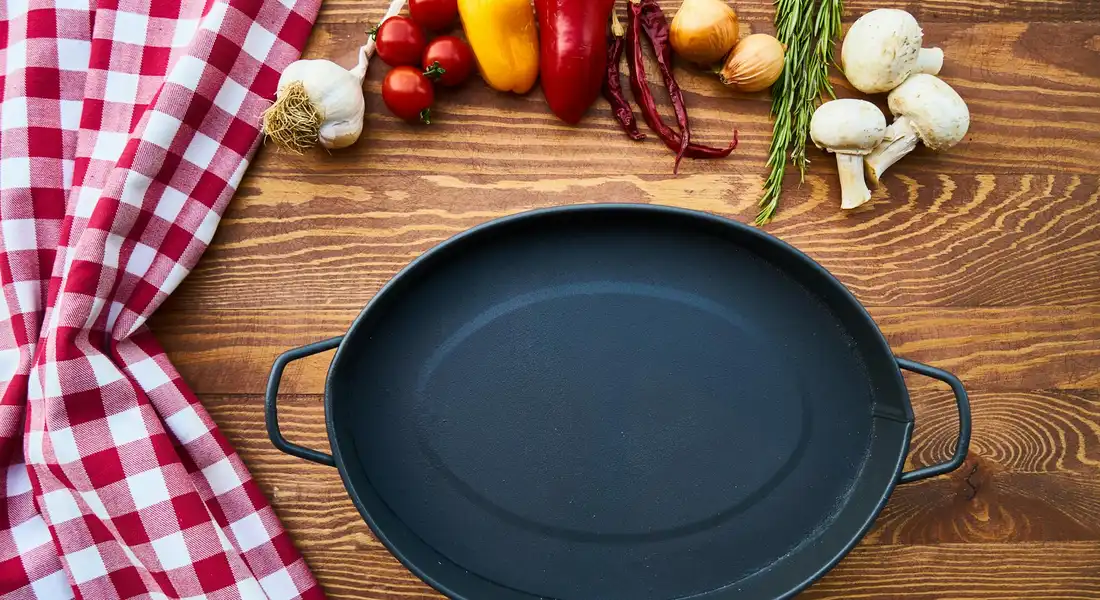
Your cast iron skillet is simple, but bakeware has more nooks and crannies. Each shape has its own weak spot where moisture loves to hide. Cast iron bakes differently from traditional bakeware. Its heat stays steady and moisture interacts with the seasoned surface.
You prevent rust by focusing your care on the unique problem areas of each piece.
Dutch Ovens & Bread Pots: Mastering the Lid
The biggest mistake with a Dutch oven is treating it like a solid block of iron. It’s not. It’s a container with a tight-fitting lid, and that seal is the enemy after washing.
Always dry the lid completely separately from the pot. I set my bread pot base on a warm stovetop and lay the lid next to it, knob-side down. This ensures both parts are bone-dry.
For storage, never clamp the lid on tight. That creates a sealed, dark, and humid environment perfect for rust. I store mine with the lid slightly ajar. Another great trick is to fold a paper towel, place it over the pot, and then set the lid on top. This breaks the seal and absorbs any stray moisture.
Storing your Dutch oven with the lid sealed is an invitation for condensation and rust to form on the interior walls.
Griddles & Pancake Pans: Protecting the Broad Top
Think of your griddle like a big, flat target. That expansive cooking surface will collect every bit of ambient moisture in your kitchen. A single droplet can leave a rust spot.
After washing and thorough drying, apply the lightest possible coat of oil to the entire top surface. We’re talking a true wipe-on, wipe-off polish. This leaves a microscopic protective layer.
Where you store it matters. Don’t lean it against a cold, exterior wall or inside a damp cabinet. Find a dry, interior spot, and lay it flat if you can. If you must store it vertically, make sure the wall is dry and the cooking surface isn’t touching anything.
Handling the Underside and Edges
We obsess over the cooking surface, but rust often starts on the bottom or the rolled edge where water drips and sits. When you dry your griddle, flip it over. Dry the legs, the handle, the entire underside.
During your periodic maintenance oiling, rub a tiny bit of oil on these non-cooking surfaces too. Rust doesn’t care if a spot is for cooking or not, it will form anywhere iron is exposed to moisture and air.
How to Remove Rust If You Find It
Don’t panic. Spotting rust feels like a failure, but it’s a normal part of cast iron ownership. Short of letting it sit in a saltwater puddle for years, your piece is almost certainly not ruined—you can just remove the rust and restore it.
I’ve restored pans that looked like archeological finds. The iron itself is incredibly durable. What rust damages is your seasoning, not the fundamental pan. There’s a complete guide on cleaning, seasoning, and repair for rusty cast iron. It walks you through restoration end to end.
The Gentle Scrubbing Method for Surface Rust
For those small orange specks or a light dusting of rust, you don’t need power tools. You likely have what you need in your kitchen.
- Create a pasty scrub. You can use equal parts white vinegar and baking soda, or make a thick paste with coarse salt and a little water or oil.
- Scrub the rusty area vigorously with the paste and a stiff brush or cloth. The mild acid in the vinegar or the abrasion from the salt will lift the rust.
- Rinse the piece immediately and dry it with extreme prejudice. Get it completely, utterly dry on the stove.
This is the critical step: you must re-season the bare spot you just cleaned immediately after drying. That fresh, exposed iron will flash-rust in minutes. Apply a thin layer of oil and heat the piece to bond a new layer of seasoning right away. Think of this as the fix that repairs cast iron by renewing its seasoning and tackling sticky, flaky, or damaged surfaces. A well-sealed surface prevents rust and makes future maintenance easier.
When to Use More Aggressive Tools
If rust is thick, flaky, or covers a large area, gentle scrubbing won’t cut it. For this, you need to strip the area back to bare metal.
Coarse steel wool (grade #0 or #00) is the next step up. Scrub in a well-ventilated area, always wearing gloves to protect your hands. The goal is to remove all the rust and old seasoning until you see uniform gray metal.
For the worst cases, an electrolysis tank is the gold standard for rust removal. It uses a safe electrical current to literally pull rust off the iron. If you research electrolysis, pay close attention to safety warnings about proper power supplies and avoiding explosive hydrogen gas buildup.
One method I do not recommend is the self-cleaning oven cycle. The extreme, prolonged heat can warp older or thinner cast iron and is a serious fire hazard if any oil remains. The risk far outweighs the convenience, especially when it comes to seasoning cast iron properly.
Smart Storage Solutions for a Rust-Free Future
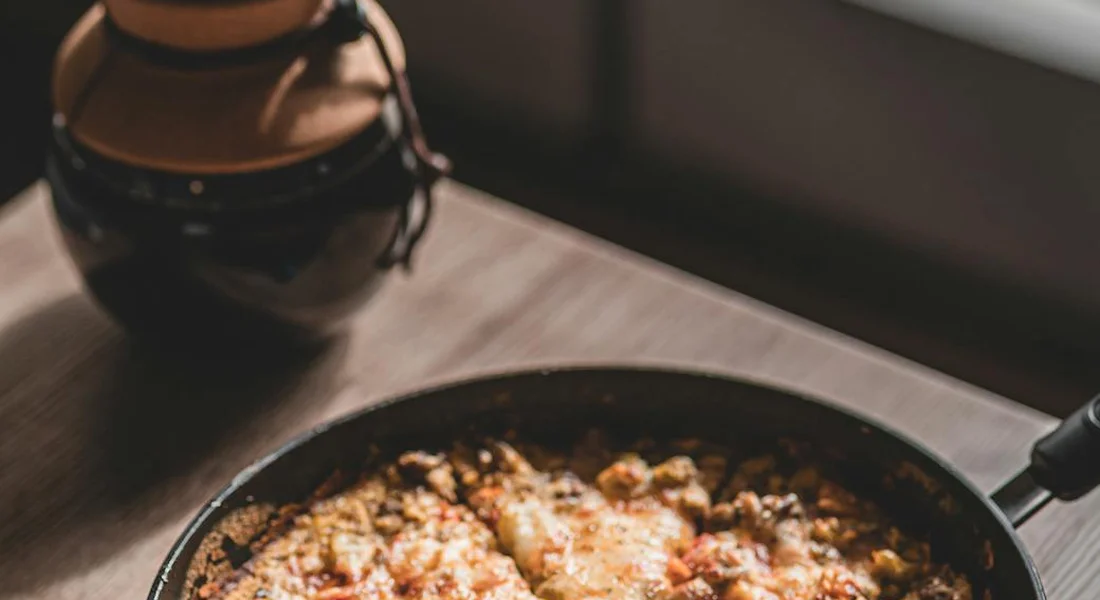
After you clean, dry, and oil your bakeware, where you put it matters just as much. Smart storage is your final, non-negotiable defense against rust, protecting the seasoning you’ve built. I treat my storage area like a display case for my cast iron, not a dusty cupboard.
Choosing the Right Spot in Your Kitchen
Location is everything. Humidity loves to hide in enclosed, damp spaces. You should never store cast iron in cabinets under the sink, right next to a steaming dishwasher, or in a basement that feels damp. These spots guarantee moisture problems. Instead, find a dry spot with good air flow. I keep my bread pot on a simple metal shelf. The open design lets air circulate freely, which stops moisture from settling on the surface. Storing cast iron properly—keeping it dry and well-ventilated—helps prevent rust damage over time. It also helps maintain the seasoning and readiness for use.
Storing Lidded Pieces and Stacking
Lids create a perfect trap for humid air. For your Dutch oven or lidded casserole, take a simple preventive step. Always place a folded, dry paper towel or a clean cloth napkin between the pot and its lid before you store it. This cloth acts like a sponge, absorbing any condensation that forms. When stacking, be gentle with flat pieces like griddles. Avoid stacking other heavy pots or pans on top of them, as the pressure can scratch and weaken the seasoning layer. In my kitchen, I use a separate rack for griddles or place a soft towel between stacked pieces.
Special Tactics for Humid and Coastal Climates
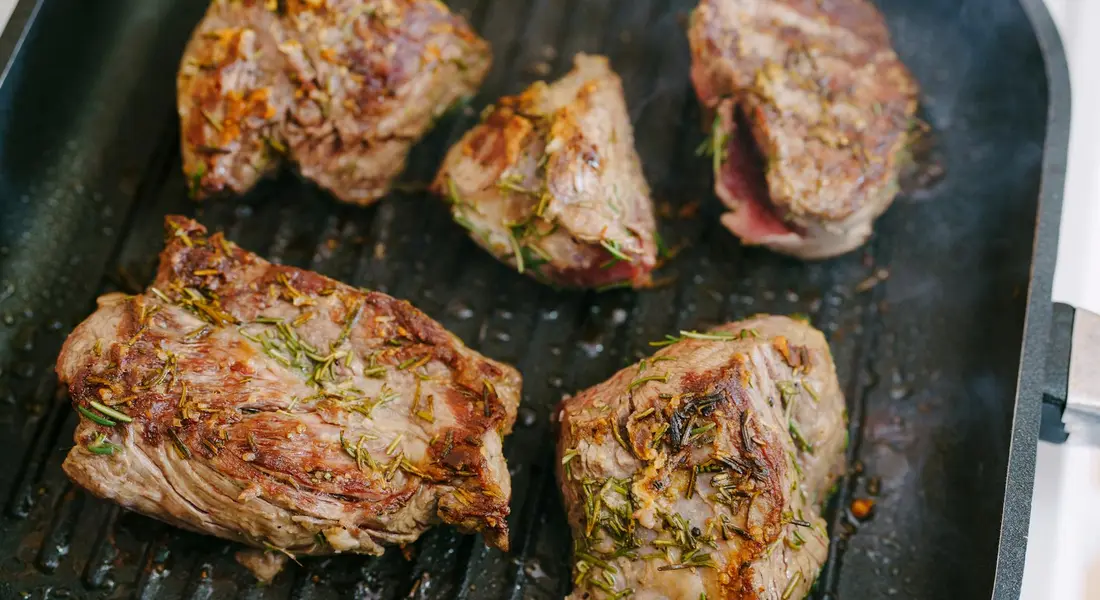
If the air in your home often feels heavy or salty, you face a bigger challenge. Humid and coastal climates demand extra, targeted strategies to keep rust at bay. My cast iron in our family’s coastal cabin taught me that ordinary care isn’t enough here.
Creating a Dry Micro-Environment
You can fight ambient humidity by creating a small, dry zone right where your bakeware sits. Tuck a few commercial desiccant packets, such as silica gel, inside your Dutch oven or bread pot before putting it away. These packets actively pull moisture from the air inside the pot. For the cabinet itself, try a classic trick. Placing a piece of plain charcoal (like from a hardware store) on the shelf can help absorb excess humidity from the surrounding air. I keep one in my storage cabinet, and it makes a noticeable difference.
The Frequent “Check-Up” Oil
In humid seasons, your cast iron needs more frequent attention, even when not in use. Set a monthly reminder to visually inspect your bakeware and apply a fresh, almost invisible coat of oil to the entire surface. This isn’t a full re-seasoning. It’s a maintenance coat that reinforces the barrier. Think of this as a light, seasonal oil maintenance step—part of properly seasoning and maintaining your cast iron. It’s a quick way to reinforce the patina without a full re-season. I do this with my seldom-used griddle every four weeks during the summer. A quick wipe with an oiled cloth keeps it protected.
Other Options: Protective Sprays and Coatings for Tools
When people search for a “cast iron rust prevention coating,” they’re often thinking of products from the hardware aisle. It’s vital to separate what you use on a cooking surface from what you might use on a non-food item, especially when it comes to cast iron cookware.
Think of your skillet’s seasoning as its edible, usable paint job, while protective coatings for tools are like a clear shellac you’d never want to ingest. For any piece that will touch food-your Dutch oven, griddle, or bread pot-you only ever use food-grade oils that polymerize into seasoning.
For purely decorative or utilitarian cast iron, different rules apply. This includes items like:
- Antique flat irons
- Old wagon wheel weights
- Decorative stove lids
- Fence post caps
Food-Safe Mineral Oil for Long Storage
Sometimes, you need to put a prized piece into storage for years, not months. Maybe it’s a family heirloom or a collectible you won’t use soon. A heavy coat of food-safe mineral oil is a good solution here.
Unlike flaxseed or vegetable oil, mineral oil won’t polymerize or go rancid. It creates a stable, inert barrier against moisture. I’ve used this method on a decorative doorstop I knew wouldn’t see the kitchen for a long time.
The critical step is remembering this oil is for storage only, and you must wash it off completely with hot, soapy water before you ever cook with the pan again. You don’t want mineral oil in your food, and you’ll need to apply a proper seasoning layer with a cooking fat afterward.
What About Commercial “Rust Prevention” Sprays?
This is where a firm line must be drawn. The aerosol cans of rust inhibitor you find at the hardware store are chemical cocktails designed for tools, engines, and metal parts.
These products are not food-safe and should never, under any circumstances, be used on cookware you plan to eat from. The residues can be toxic and are nearly impossible to fully remove from the porous surface of cast iron. To put these concerns in context, it’s useful to consider the broader safety and health implications of cast iron cookware. For a balanced view, explore the cast iron cookware safe health benefits vs toxicity concerns explained.
For those non-food cast iron tools, a light spray of a specialized product like WD-40 Specialist Corrosion Inhibitor can be a smart choice. Always apply it in a well-ventilated area, follow the label instructions, and let it dry fully. This creates a clear, protective film that will keep your antique iron looking good on the shelf.
Quick Answers
Is flaxseed oil really the best for seasoning and preventing rust?
No, it’s a fussy, overhyped choice. While it can create a hard initial coat, it’s prone to flaking and going rancid. For durable, reliable rust prevention, stick with a neutral, high-smoke-point oil like canola, grapeseed, or Crisco.
I dried my pot but still saw light rust spots the next day. What happened?
Ambient humidity is the culprit. After towel-drying, you must use gentle heat from a stovetop or warm oven to drive off all residual moisture from the iron’s pores. Then, immediately apply a whisper-thin coat of oil while the piece is still warm to seal it.
Should I use a protective coating like mineral oil on my cookware?
Only for very long-term storage of pieces you won’t use for years. Mineral oil won’t polymerize or go rancid, creating a stable barrier. Remember, you must thoroughly wash and re-season with a cooking oil before using the pan for food again.
Ensuring a Rust-Free Future for Your Bakeware
In my own collection, the pieces that last for decades share one simple habit. Always dry your Dutch oven, bread pot, or griddle with heat after washing-a stove-top warm-up or a brief oven session makes all the difference. This single action stops rust by ensuring zero water is left to sit on the iron. For deeper dives into seasoning science or restoring vintage finds, our other guides build on this foundation.
Expert Resources and Citations
- How to Restore and Season a Rusty Cast Iron Skillet – Lodge Cast Iron
- How to Fix Common Cast Iron Concerns – Lodge Cast Iron
- Cast Iron Care: Preventing Rust in Your Cookware
- How to Remove Rust From Cast Iron (Step-by-Step with Photos) | The Kitchn
- How to Restore Rusty and Damaged Cast Iron Skillets and Cookware
- How to Remove Rust From Cast Iron and Care Tips | Caraway
Joseph Gerald
A material science expert by profession, Joseph is also an avid cook. He combines his 10+ years expertise in material science and metallurgy with his passion for cast iron cookware to bring you best hands on advice. His expertise ranges from types of cast iron cookware to best seasoning tips as well as restoration of vintage cast iron utensils. Joe is here to help you solve all your cast iron cookware queries and questions.