Why Does Cast Iron Bake So Differently?
If you’ve only used your skillet for frying and now want to try baking, you might be wondering how that heavy pan changes the game for your sourdough or cornbread. The secret isn’t just in the recipe; it’s in how the pan itself heats, holds that heat, and interacts with your existing seasoning.
This guide will walk you through what makes baking in cast iron a unique experience compared to glass or aluminum pans. We’ll cover:
- How cast iron’s heat properties create a superior crust.
- Why your seasoning is your secret ingredient for non-stick baking.
- The simple upkeep differences between baking and stovetop use.
- What you can realistically expect from your finished bake.
Key Takeaways for the Cast Iron Baker
Before we get into the details, here are the three things you absolutely must know when switching from a standard sheet pan or glass dish.
- Your bake times and temperatures will change because cast iron holds heat so much better. It acts like a thermal battery, continuing to cook food even after it’s out of the oven.
- A well-maintained seasoning layer is your non-stick surface. This isn’t optional like it is with ceramic or aluminum; it’s the foundation of successful cast iron baking.
- The weight is a feature, not a bug. Its heft provides incredible stability and even heating, but it also means you need a solid grip when moving it in and out of the oven.
Cast Iron Bakeware at a Glance: A Quick Snapshot
This table shows you why cast iron operates by its own rules. It’s not better or worse in every category, just fundamentally different.
| Material | Heat Retention | Non-Stick Potential | Weight | Cleaning Rules |
| Cast Iron | Exceptional. Heats slowly, holds heat for a very long time, and radiates it evenly. | Excellent, but only when a durable polymerized seasoning layer is present and maintained. | Very Heavy. Provides stability but requires care when handling. | Hand-wash only. Avoid soap with harsh additives; dry immediately and completely; oil lightly after washing. |
| Glass | Poor. Heats and cools quickly, leading to potential hot spots. | Poor. Food often sticks unless generously greased. | Moderate. Can be fragile. | Most are dishwasher safe. Soap and scrubbing are no problem. |
| Ceramic | Good. Heats evenly and retains warmth moderately well. | Good with a proper glaze. The factory finish is permanent. | Moderate to Heavy. | Usually hand-wash recommended to preserve glaze. Dishwasher use can sometimes cause crazing or dullness. |
| Aluminum | Poor. Heats very quickly but loses heat just as fast, often resulting in uneven baking. | Varies. Relies entirely on surface coatings (like non-stick) which can wear down or scratch off. | Light. | Depends on coating. Non-stick coatings require gentle hand-washing; bare aluminum can handle more abrasion. |
You can see the trade-off. Materials like glass and aluminum are simple to clean but give you less control over heat. Cast iron asks for more specific care upfront in exchange for unparalleled, consistent performance for decades. My oldest skillet, which I use for deep-dish pizza, behaves the same today as it did twenty years ago. That’s the promise of cast iron.
What Baking Does to Cast Iron (And Vice Versa)
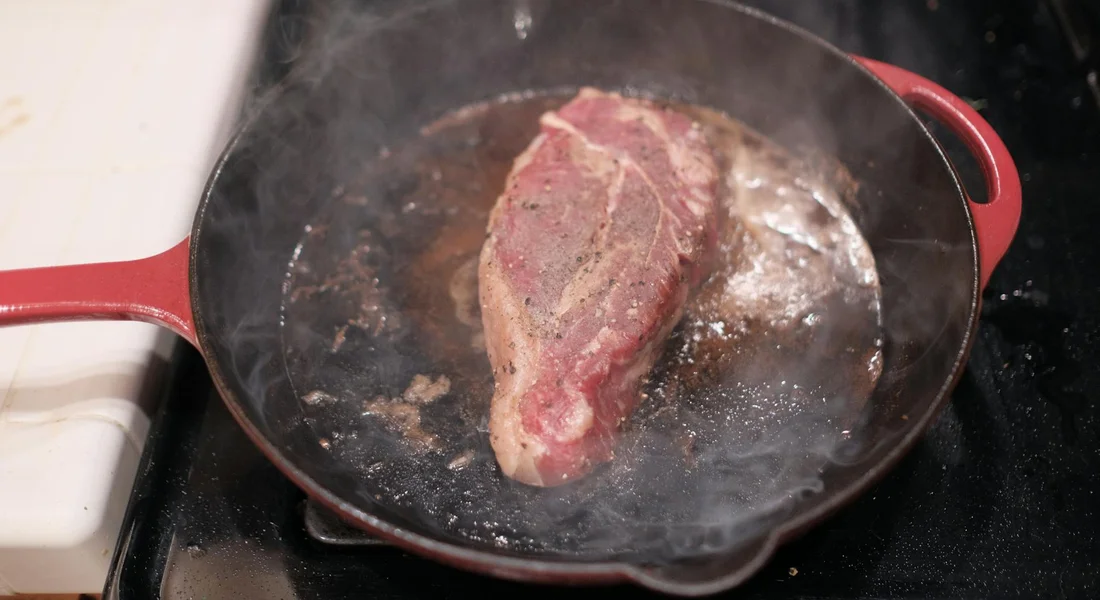
When you bake with cast iron, you’re using it differently than on the stovetop. On a burner, heat attacks the bottom of the pan quickly and directly. In the oven, a gentle, all-around heat embraces the entire piece.
This even, radiant heat from the oven walls is perfect for browning. It crisps the entire surface of a cornbread or foccacia evenly, not just the bottom. This consistent environment is like a low-and-slow workshop for your pan’s seasoning.
It bakes that thin layer of polymerized oil into an even tougher, more resilient finish over time.
The Heat Retention Factor: Your Baking Game-Changer
Think of your cast iron skillet or Dutch oven as a thermal battery. It takes a little longer to heat up, but once hot, it stores that energy incredibly well.
It then releases that heat steadily and uniformly. This is why you get phenomenally crispy crusts on artisan bread and why fruit pies have firm, never-soggy, bottoms. The heat doesn’t fade when you open the oven door.
Because it holds heat so aggressively, you can often reduce your oven’s temperature by 25°F compared to a recipe written for thin metal or glass pans. This prevents over-browning or burning on the bottom. It’s a tip I use with my own 10-inch skillet for cornbread every time.
Why Your “Non-Stick” Surface is Self-Made
The slick surface on a well-loved cast iron pan isn’t a coating applied in a factory. It’s a layer you built yourself, through seasoning. It’s baked-on oil that has transformed into a hard, smooth polymer. That’s chemistry in action: the baked-on oil polymerizes and bonds to the iron, forming a durable nonstick layer. With proper seasoning, that layer remains slick and resilient to sticking.
This is different from the permanent non-stick coatings on some bakeware. Those can be fragile and degrade with metal utensils or high heat. Your seasoning can be damaged, but you can always repair it or start fresh.
Baking acidic things, like a deep-dish tomato pizza or a cherry cobbler, requires a robust, well-maintained seasoning layer to protect the iron (and your food’s flavor). If your seasoning is thin or new, the acids can interact with the bare iron, potentially stripping seasoning and giving food a metallic taste. Understanding how to cook acidic foods in cast iron without damaging the seasoning is key. With a properly seasoned pan, acidic dishes stay flavorful without sacrificing the finish.
The Great Bakeware Material Showdown
Choosing bakeware isn’t about good or bad. It’s about knowing how each material behaves. Let’s compare them on the practical points that matter in your oven and at your sink.
Cast Iron vs. Glass Bakeware
Glass and cast iron handle sudden temperature changes very differently. You can take a cold cast iron pan and put it directly into a hot oven. Do that with cold glass, and it can shatter from thermal shock.
Cleaning is the other big split. Glass bakeware is often dishwasher safe. Cast iron requires a specific hand-wash ritual: a gentle scrub, immediate drying, and sometimes a touch of oil. It’s a commitment, but one that maintains your investment for decades.
Cast Iron vs. Ceramic Bakeware
The core difference is porosity. Glazed ceramic is naturally non-porous and non-reactive. Cast iron is porous and reactive, which is why we season it to create a synthetic, non-porous barrier.
Both are heavy, which helps with even heating. But where cast iron is nearly indestructible, ceramic is fragile. Dropping a ceramic dish usually means the end of it. Dropping a cast iron pan might just mean a new chip in your floor.
Cast Iron vs. Aluminum Bakeware
Plain aluminum is reactive. Baking acidic foods in it can cause a metallic taste and discoloration, both in the food and on the pan. A well-seasoned cast iron surface protects the food from the iron underneath.
Aluminum heats up very fast, but it can develop hot spots leading to uneven baking. Cast iron heats slowly, but its mass spreads the heat evenly, eliminating most hot spots for consistent results.
Bare Cast Iron vs. Enameled Cast Iron for Baking
This is a family debate. They share the same fantastic iron core, so heat retention is identical. The difference is all in the surface and its care.
- Seasoning: Bare iron needs it. Enameled iron does not. The colored enamel coating is the permanent, non-porous surface.
- Maintenance: Enameled is more forgiving. You can use soap freely and let it soak if needed. You must still avoid metal utensils that can chip the glass-like surface.
- Durability: A chip in enamel exposes the iron beneath, which can rust. A scratch in your seasoning on bare iron is a simple fix with a stove-top touch-up.
My enameled Dutch oven is my go-to for long, acidic bakes. My bare skillets handle daily breads and crisps. Both earn their keep.
Setting Up Your Cast Iron Bakeware for Success
Your baking results depend on your pan’s foundation. The right preparation and maintenance make all the difference between a sticky loaf and a perfectly released one.
Seasoning Your New Bread Pan or Loaf Set
Seasoning a pan with corners and crevices, like a bread loaf pan or a corn stick mold, follows the same principle as a skillet but demands more finesse. Think of it like painting a piece of detailed furniture. A thick, gloppy coat will pool and create sticky, uneven patches you’ll later have to fix.
Your goal is a microscopically thin, even layer of oil over every square millimeter, inside and out.
- Wash the pan with warm, soapy water to remove any factory residues, even if it’s labeled “pre-seasoned.” Dry it completely.
- Preheat your oven to 450-500°F (232-260°C). Place a rack in the middle and put a sheet of aluminum foil on the bottom rack to catch any drips.
- Apply a high-smoke point oil (like grapeseed, canola, or refined coconut) with a paper towel. Then, get a clean paper towel and wipe the pan as if you’re trying to remove all the oil you just put on. This is the “thin coat” rule, and it’s non-negotiable for intricate bakeware.
- Place the pan upside down in the preheated oven. This allows any excess oil to drain off instead of pooling in the corners.
- Bake for one hour. Turn the oven off and let the pan cool completely inside.
That single round does more than just add a layer. It helps bond and strengthen the factory-applied seasoning on a new “pre-seasoned” pan, giving you a more reliable non-stick surface from the very first bake.
The Baker’s Cleaning Protocol: After the Oven Cools
Cast iron bakeware is at its most vulnerable right after baking. Thermal shock from cold water can cause cracking, and soaking will strip your hard-earned seasoning. Always let the pan cool until it’s warm to the touch, not scalding hot.
For most baked goods, cleanup is simple. Once cooled, wipe the pan clean with a dry paper towel or a soft brush to remove crumbs and any light oils.
For sticky residues from cakes or casseroles, use warm water and a soft sponge or nylon brush. A little gentle scrubbing usually does the trick. For tougher, baked-on bits, make a paste with coarse salt and a drop of water or oil and scrub gently. The salt acts as a mild abrasive. You can also check out other safe scrubbing methods for cast iron cookware, including using baking soda and salt.
Never, under any circumstances, soak your bare cast iron bakeware or put it in the dishwasher. Extended contact with water is the fastest way to invite rust and ruin your seasoning. Since cast iron can rust easily, it’s important to handle it with care.
Dealing with Stuck-On Food in Corners
The tight corners of a loaf pan are where bits of crust love to hide. For this, I keep a dedicated soft-bristled brush, like a pastry brush or a designated nylon detailing brush. Sprinkle a little coarse salt into the stubborn corner, add a drop of cooking oil, and use the brush to work the mixture into a gentle abrasive paste. The soft bristles can get into the seam without scratching. Rinse with warm water and dry immediately.
Storing Your Bakeware to Preserve the Finish
How you store your pans between uses protects your work. Never stack cast iron pieces directly on top of each other without a protective layer, like a paper towel or a felt pan protector. The metal-on-metal contact can scrape and scuff the seasoning. Storing cast iron properly helps prevent rust. A dry, well-ventilated spot will further protect against rust damage.
Before storing, ensure the pan is completely, bone-dry. In humid climates, or for pans you won’t use for a while, give the cooking surface a whisper-thin coat of oil before putting it away. This acts as a barrier against ambient moisture.
Solving Common Cast Iron Baking Puzzles
Do I Need a Special Cast Iron Bakeware Set?
A typical set might include a skillet, a Dutch oven, a muffin pan, and a loaf or cake pan. While convenient, a full set isn’t mandatory. A 10-12 inch skillet and a 5-7 quart Dutch oven are the two most versatile pieces you can own, capable of handling probably 90% of all cast iron baking projects, from cornbread and deep-dish pizza to artisan bread and cobblers. This is the essence of cast iron baking: reliable tools for perfect breads, cobblers, and even pizzas. Start with those, then add specialty pans like muffin tins or pie plates as your baking interests grow.
How Do I Choose a Good Cast Iron Bakeware Brand?
Look for three things: a smooth cooking surface, consistent factory finish, and a feel of solid, even weight. A rough, pebbly surface makes building a smooth seasoning layer harder. The pre-seasoning, if present, should look uniform, not splotchy or overly thick. Whether you choose a modern brand or a vintage find, the ultimate quality comes from your care. A well-maintained pan from a budget brand will outperform a neglected premium one every time.
Baking Bread in Cast Iron: What’s the Care Secret?
The secret is that baking bread is its own form of maintenance. The high heat and the natural oils from the dough polymerize onto your pan’s surface, building fantastic seasoning with every use. After baking bread, your cleanup is often just wiping out the pan with a dry brush or towel to remove flour dust and crumbs. If a little dough stuck, a quick warm water rinse and immediate drying is all it needs. This simple, low-fuss care cycle is a big reason why dedicated bakers love their cast iron.
Can I Use My Cast Iron Bakeware in Any Oven?
Yes. Cast iron works flawlessly in conventional, convection, and gas ovens. Its thermal mass makes it ideal for the steady, even heat baking requires. Just avoid placing a pan that’s extremely cold (like from a winter garage) directly into a scorching hot oven, as the sudden temperature extreme could, in rare cases, cause cracking. A key advantage over glass or ceramic bakeware is that nearly all cast iron is naturally compatible with induction cooktops, giving you a piece you can start on the stovetop and finish in the oven.
Common Questions
My bread sometimes sticks to my cast iron loaf pan. What am I doing wrong?
Sticking is usually a sign of insufficient seasoning in the pan’s corners or under-preheating. Ensure your pan’s seasoning is built up with several thin, oven-applied layers, focusing on those tight angles. Always preheat the empty pan in the oven before adding your dough to trigger an instant sear.
How should I care for a cast iron bread loaf set differently than my skillet?
The intricate corners require more diligent drying and oiling after washing to prevent rust. Use a soft, small brush to ensure no moisture is trapped in the seams. Store them with a paper towel between pans to prevent the seasoning on the ridges from getting scuffed.
What should I look for when sourcing cast iron bakeware in Australia?
Focus on the fundamentals: a smooth casting and robust factory seasoning, as humidity can challenge a new pan. Many reputable international brands ship to Australia; also check for local specialists who may carry quality pieces. Regardless of origin, your consistent care routine will be the ultimate determinant of performance.
Building a Lifetime of Better Bakes with Cast Iron
The single best thing you can do for baking success is to respect cast iron’s slow, steady heat. Let your pan warm thoroughly in the oven before adding any batter or dough to unlock even cooking and that ideal crispy edge. Pairing this with precise preheat times and bake temperatures further seals in that crust. Stay tuned for our quick preheat, bake, and skillet timing tips in the next steps. My own favorite cornbread skillet has taught me that this patience is the real secret. For deeper care, our resources on seasoning maintenance and rust prevention naturally support this baking foundation.
Research and Related Sources
- Cast Iron vs. Baking Stone? | The Fresh Loaf
- Cast iron cooking | King Arthur Baking
- Why Bake in Cast Iron – Lodge Cast Iron
- r/LeCreuset on Reddit: Baking in Cast Iron
- What are the pros and cons of cast iron and stainless steel cookware for baking things in the oven? – Quora
- Tips & Tricks for Baking in Cast Iron – Lodge Cast Iron
Joseph Gerald
A material science expert by profession, Joseph is also an avid cook. He combines his 10+ years expertise in material science and metallurgy with his passion for cast iron cookware to bring you best hands on advice. His expertise ranges from types of cast iron cookware to best seasoning tips as well as restoration of vintage cast iron utensils. Joe is here to help you solve all your cast iron cookware queries and questions.