How Do You Cook Pork Chops in Cast Iron Without Harming the Seasoning?
You want that perfect, juicy sear on your pork chops, but you’re worried about food sticking or damaging your skillet’s hard-earned finish. I cook pork chops in my own cast iron weekly, and with a few simple techniques, you can achieve great results while caring for your pan.
This isn’t a recipe, but a guide to the cast iron methods that lead to success. Here’s what we’ll cover:
- Why the right preheat is your best defense against sticking.
- How to choose an oil that can handle the high heat.
- Managing your stove’s temperature to cook evenly without burning.
- The straightforward cleanup that keeps your seasoning intact.
Key Takeaways: Caring for Your Skillet with Pork Chops
Let’s look beyond the cooking times. The right care for your skillet is what lets you achieve those perfect chops consistently.
Preheating correctly prevents sticking better than any amount of oil. A hot skillet creates an instant sear, so the food releases naturally instead of fusing to the metal.
A robust seasoning layer is your best defense against acidic sauces and sticky proteins. Pork chops often involve searing and sometimes glazes. A strong, polymerized layer of oil protects your pan’s surface from these challenges.
Post-cooking cleanup is non-negotiable; deglazing is a powerful cleaning tool, not a recipe step. Those flavorful browned bits left behind (the fond) are wonderful in sauces, but they must be removed from your skillet. Using a little liquid to loosen them is the fastest way to a clean pan.
Bone-in chops require extra attention during cleaning to remove debris. Tiny bits can get lodged near the bone. A quick scrub with a brush or coarse salt after deglazing ensures nothing is left to cause issues later.
Getting Your Cast Iron Ready for Pork Chops
Before you even think about turning on the stove, give your skillet a quick check. A high-heat sear on a protein like pork is a stress test for your seasoning. You don’t want to discover a weak spot mid-cook.
Hold your pan under good light. A skillet that’s ready for this task should look smooth and have a semi-glossy, dark finish. It should not look ashy, dry, or have any flaky patches. Run your finger over the cooking surface. It should feel slick, not rough or gritty.
If your pan looks dull or dry, a quick seasoning refresh takes about an hour and makes all the difference.
- Warm your clean, dry skillet in a 200°F oven for 10 minutes.
- Remove it and apply the thinnest possible layer of a high-smoke-point oil (like grapeseed or avocado) with a cloth, then thoroughly buff it off as if you made a mistake and are trying to remove all the oil.
- Place it upside-down in a 450°F oven for one hour, then let it cool in the oven.
Your choice of cooking fat matters for your pan’s health. From a seasoning-protection perspective, you want a fat with a high smoke point. Oils like avocado, grapeseed, or refined coconut oil won’t break down and get gummy at the high temperatures needed for a good sear. Save flavorful fats like butter or extra virgin olive oil for finishing. You can add them at the end for taste without risking your pan’s hard-earned patina.
Does a Pre-Seasoned Skillet Need Extra Prep?
If you just bought a new “pre-seasoned” skillet, you might wonder if it’s truly ready. Factory seasoning is a good, thin base layer. It’s enough to prevent rust in the store, but it’s often not as durable as a layer you build yourself. The truth about pre-seasoned pans is that you usually need to add your own seasoning.
I recommend giving any new pre-seasoned pan a single oven seasoning cycle before its first use. This isn’t about fixing a mistake. It’s about building a more personal, durable layer right from the start. Think of the factory coat as a primer. Your first at-home seasoning is the first real coat of paint.
This directly addresses the confusion in your note. After you apply that initial thin coat of oil and put the pan in the oven, you should not add more oil partway through. The goal is to polymerize the microscopic layer you left after buffing. A “dry wipe down” with a fresh part of your cloth is perfect for the final buff before the long bake, ensuring no pooled oil remains.
The Right Heat: Preheating and Temperature Control
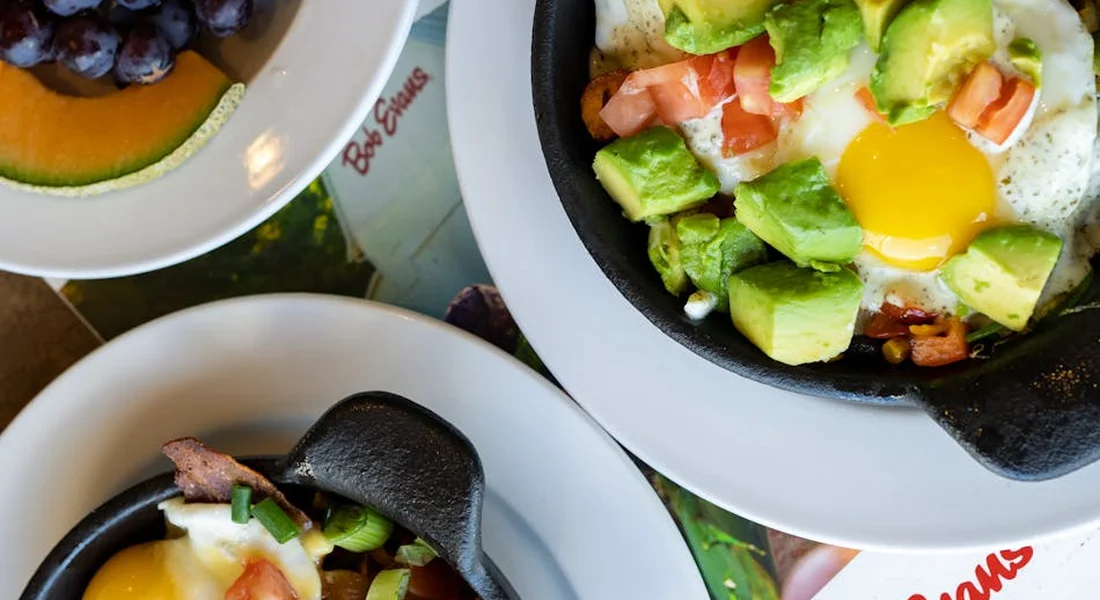
Getting the heat right is the most important thing you can do for your pan and your food. A proper preheat means turning your burner to medium heat and letting the empty skillet sit there for a full five minutes. This gives the thick iron time to absorb and distribute heat evenly across its entire surface, creating a consistent thermal mass. Doing this also primes the pan for seasoning and ongoing care. When you properly preheat, you set the stage for perfect results with your cast iron cookware.
Think of preheating like warming up an old car engine on a cold day; you need to let the heat soak all the way through before you ask it to perform.
A great visual check is the water droplet test. After about four minutes, flick a few droplets of water onto the pan’s surface. If they dance and skitter around before evaporating, your pan is ready. If they just sit and boil instantly, it needs more time. If they vanish in a hiss, it’s too hot.
This incredible heat retention is cast iron’s superpower for a sear, but it’s also its biggest trap. Once it’s hot, it holds that heat stubbornly. A pan that’s slightly too hot when you add your food will be wildly too hot two minutes later. If you see your seasoning oil smoking aggressively the moment it hits the pan, your heat is too high and you risk burning your seasoning layer. The fix is simple: when you see things moving too fast, don’t just turn the burner off. Slide the pan off the active heat entirely to let it cool down gradually.
Compared to a thick stainless steel pan, cast iron heats slower and less evenly at first, but once hot, it’s far more stable and forgiving of temperature drops when you add food. So which is better for your kitchen—the cast iron vs stainless steel question? The choice depends on how you cook and what you value most. Steel reacts faster, but it also loses heat faster. Your cast iron is the steady, reliable workhorse.
How Hot is a “Hot” Cast Iron Skillet for Searing?
“Hot” isn’t a number on a dial you can set and forget. It’s a condition you learn to see and feel. Your pan is ready for searing when you add a high-smoke-point oil (like avocado or refined coconut) and it immediately thins out, shimmering and flowing across the surface like water. This is your visual cue.
The absolute red flag is visible smoke. If your oil is sending up a steady stream of smoke, you are at or past its smoke point. This burns your existing seasoning and creates a sticky, carbonized mess instead of a helpful polymerized layer. You’ve gone from searing to damaging. If this happens, pull the pan off the heat immediately and let it cool before proceeding.
During the Cook: Protecting Your Pan’s Surface
Your technique directly affects your pan’s health. When you lay a chop in the skillet, place it down gently away from you and do not move it. This allows the meat’s proteins to bond with the hot metal and release naturally, creating a flawless sear and preventing tearing that can leave bits stuck to your seasoning.
If you’re making a sauce, be mindful of its contents. A mustard or pan sauce with wine or vinegar is acidic, and sugar from glazes or jams burns easily. Deglaze and make your sauce, but don’t let acidic liquids simmer in the pan for extended periods after cooking, as this can dull or degrade the seasoning. Always transfer the finished sauce out and clean the pan promptly.
Using the oven to finish cooking is a brilliant method for pan care. After searing, you transfer the whole skillet into a moderate oven. This avoids concentrating intense, direct burner heat on the pan’s center for too long, which can eventually lead to hot spots and a scorched, patchy cooking surface.
Why Are My Pork Chops Sticking to the Skillet?
Sticking is almost always a pan prep issue, not a recipe issue. Here are the common culprits and their fixes from a maintenance perspective, as well as some tips on how to prevent food from sticking to pans and cookware.
- Insufficient Preheat: The pan wasn’t evenly hot, so the meat fused to it. The fix is patience. Always perform the water droplet test to confirm an even, ready surface.
- Wet Meat Surface: Excess moisture creates steam, which prevents proper contact with the hot metal. Pat your chops completely dry with a paper towel before they go in the pan.
- Weak or Damaged Seasoning: A thin, patchy, or carbonized layer offers no non-stick protection. The fix is to properly clean the pan and apply a fresh, thin layer of seasoning oil.
- Disturbing the Chop Too Early: You didn’t let the sear form. If you try to move or flip it before it releases on its own, you will tear it. Leave it alone until it moves freely when you gently nudge it with your tongs.
Cleaning Your Skillet After Pork Chops
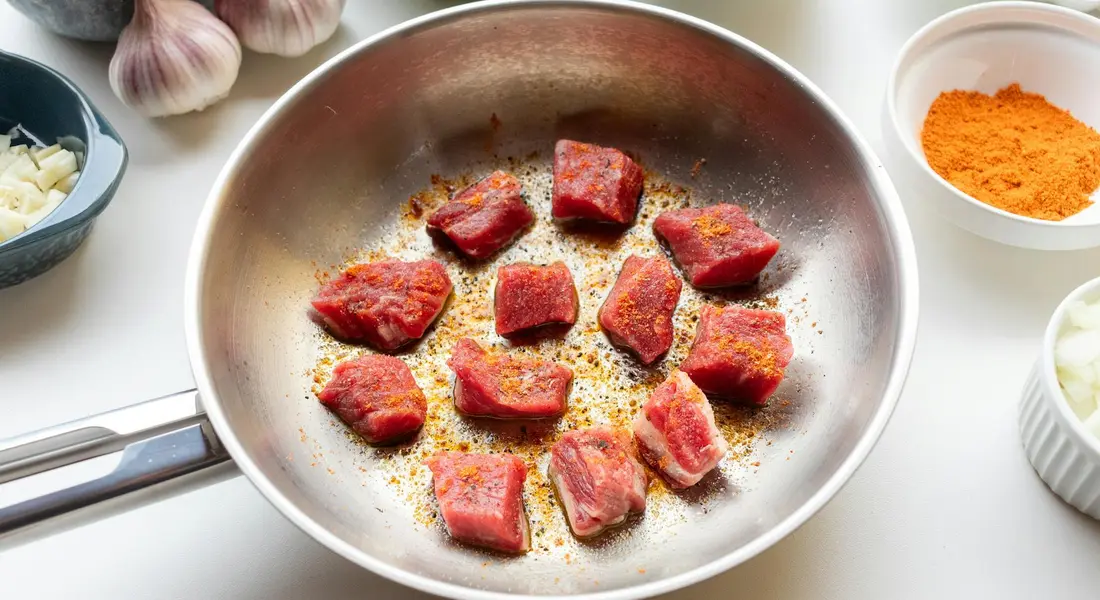
Your pan is hot, the pork chops are resting, and you’re left with a layer of browned bits stuck to the cooking surface. In many recipes, this “fond” is the flavor base for a sauce. For your cast iron, I see it as the primary cleaning challenge of the meal.
The most effective way to tackle this is to deglaze the pan while it’s still warm, using water or broth as your cleaning agent, not a culinary ingredient. Pour in about a half cup of liquid right into the hot skillet. It will sizzle and steam immediately, loosening everything that’s stuck. This technique is particularly useful when you clean stubborn burnt and stuck-on food from cast iron.
Once the bubbling stops, use a wooden spatula to gently scrape the bottom. You’ll see the fond dissolve and lift away. Pour out the dirty water.
For any persistent spots, a gentle scrub is next. A soft-bristled brush or a piece of chainmail used lightly works perfectly. The goal is to wipe the surface clean, not to scour or sand it down to bare metal.
Cleanup can differ slightly depending on your chop. Bone-in chops, especially rib chops, can leave little shreds of meat and connective tissue right where the bone met the pan. You might need to pay a bit more attention to those small crevices with the corner of your scrubber. A boneless chop typically leaves a more uniform layer of fond that deglazes away cleanly.
What About That Mustard or Pan Sauce?
If you made a sauce right in the pan-like a mustard sauce or a pan sauce with wine-you must clean the skillet right after you transfer the sauce to another container.
Do not let acidic or sugary sauces sit in your warm cast iron, even for a few minutes. The acid can break down your hard-earned seasoning, and the sugars can bake into a sticky, stubborn mess. I’ve made this mistake with a balsamic glaze, and it took a full re-seasoning to fix. Enjoy your sauce from a serving bowl, and give your pan its proper clean while it’s still easy.
Troubleshooting Common Pan Problems
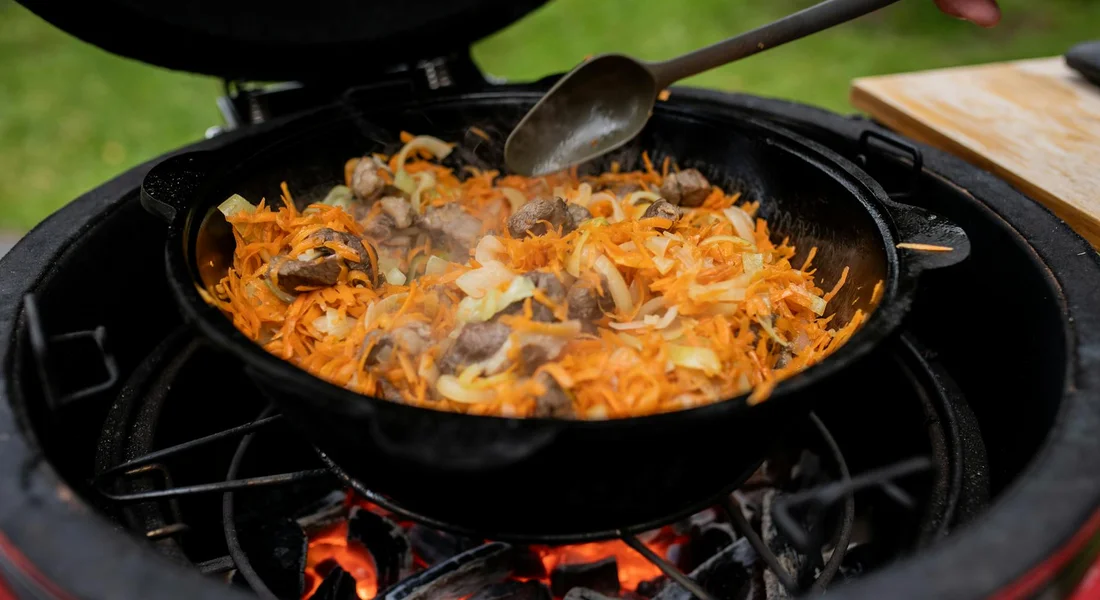
Sometimes, the cook leaves its mark on the pan. Here’s how to fix common issues that arise after cooking proteins like pork chops.
Stubborn, Stuck-On Food After Cooking
If you find bits still cemented on after your initial deglaze and scrub, don’t force it. Repeat the deglazing process with fresh water. Let the pan simmer gently on the stove for a few minutes, then scrape again.
For the last remnants, I use coarse salt as a gentle abrasive. Sprinkle a tablespoon of kosher salt into the damp pan and use a folded paper towel to scrub in small circles. The salt crystals provide grit without harming the seasoning. Rinse and dry.
If you had to scrub a bit harder than usual, a quick stovetop re-seasoning can restore a protective layer. After drying, put the pan over low heat, rub in a minuscule amount of oil with a paper towel, heat until it just starts to smoke, then let it cool.
A Gummy or Discolored Seasoning Layer
A tacky or splotchy finish often means too much oil was used during the initial seasoning or during cooking. The oil polymerized incompletely, leaving a soft, sticky residue instead of a hard, slick coat.
Think of it like applying too-thick coats of paint. The top layer dries, but the layer underneath stays wet. If the gummy layer is thin, you can sometimes bake it off by heating the empty pan in a 450°F oven for an hour. Let it cool in the oven. The stickiness should be gone.
If the layer is thick, blotchy, and compromised, the most reliable fix is to strip it and start fresh. This involves using an oven cleaner spray (the yellow-cap, lye-based kind) in a garbage bag, or a vinegar bath for lighter stripping. After stripping, you’ll wash, dry, and apply 3-4 new, very thin layers of seasoning oil in the oven.
Rust Spots After Cleaning
Rust is a sign of moisture. It almost always means the pan wasn’t dried thoroughly enough after washing. Towel-drying alone isn’t enough. Seasoning helps seal the metal. It’s the key to fixing and preventing rust on cast iron cookware.
The method I swear by is from our own writing: after rinsing, put the pan on a stovetop burner over medium-low heat for a few minutes. Heat drying is the single best way to guarantee all surface moisture, even in the pores of the iron, is completely gone. Once the pan is hot and dry to the touch, a tiny coat of oil will protect it until next use. It’s an essential part of maintaining your cast iron cookware.
If you already see light, spotty rust, don’t panic. Make a 50/50 solution of white vinegar and water. Dip a scrubbing pad into the solution and gently rub the rust spots. Rinse immediately, then heat dry completely. You’ll need to re-season that specific area, as the vinegar will have removed the seasoning along with the rust.
Long-Term Maintenance for a Skillet That Sees Regular Use
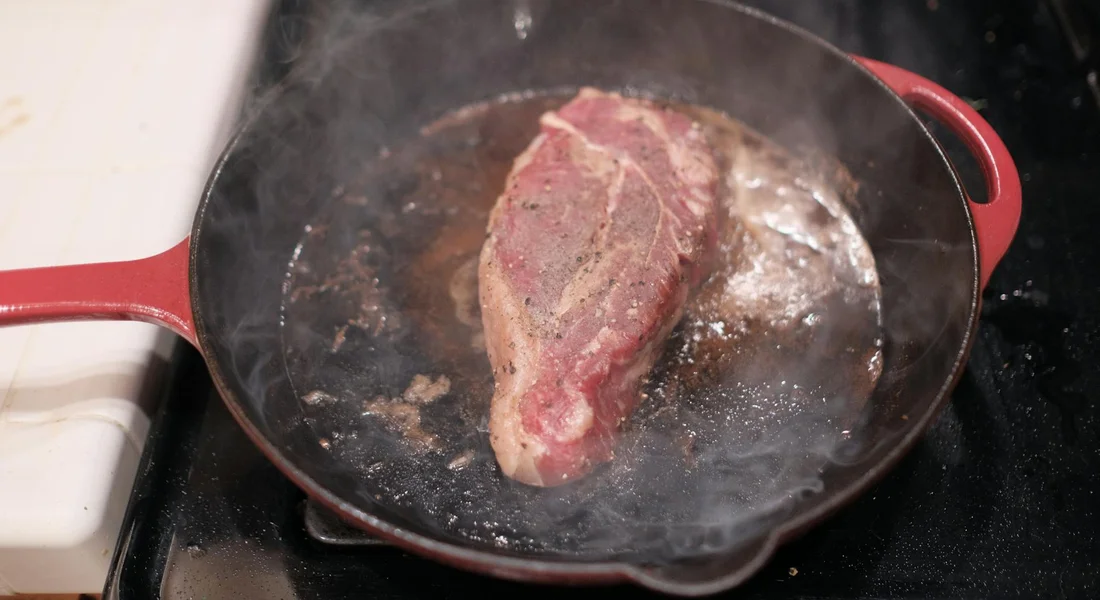
One of the best things about cooking fatty proteins like pork chops in cast iron is that you’re not just making dinner. You’re building your seasoning every single time. The process of frying, with its controlled heat and application of fats, lays down a new, microscopic layer of polymerized oil on top of the old ones. Think of your pan’s seasoning not as a static finish but as a living surface you feed and maintain with regular, proper use, which is especially important for cast iron seasoning.
Your Monthly Seasoning Check-Up
Even with frequent cooking, some areas-like the side walls or the very center where a pork chop’s bone might have rested-can wear thin over weeks of scrubbing. I make it a habit to give my most-used skillets a quick inspection and touch-up about once a month. Here’s my simple process:
- After your usual wash and heat-dry, take a close look at the pan’s cooking surface under good light. Tilt it slowly. A healthy, robust seasoning will have a consistent, deep color. Thin spots or bare metal will look dull, matte, or even slightly rusty.
- If you see a problem area, don’t strip the whole pan. Just give the entire cooking surface (inside and out) a very light, almost imperceptible wipe with your chosen seasoning oil. You want to remove all visible oil with a clean towel, as if you made a mistake and are trying to wipe it all off.
- Place the pan upside-down in a cold oven, heat to 450°F (232°C), and bake for one hour. Let it cool in the oven. This single, light coat is a perfect spot-treatment that blends seamlessly with your existing workhorse seasoning.
A focused, light oven seasoning every few weeks is like a protective topcoat for the hard-earned foundation you’ve built through cooking. It prevents small thin spots from becoming big problems.
The Non-Negotiable Daily Rule
All the careful cooking and occasional oven seasoning can be undone by one bad habit. Never, ever let your cast iron skillet sit dirty or damp. Food residue and water are the enemies of your seasoning. Your post-pork-chop routine must be unwavering: After cooking, give it a quick clean and a thorough dry. A light oil rub afterward helps maintain the seasoning and keep it ready for the next use.
- Clean the pan while it’s still warm (not scalding hot) with hot water and a brush or chainmail scrubber. A little soap is fine.
- Dry it immediately and completely with a towel.
- Then, place it back on a stovetop burner over medium heat for 2-3 minutes. This final heat-dry step is the single most important thing you can do to stop rust and keep your seasoning intact between uses. You’ll see any last traces of water evaporate, leaving the pan perfectly dry and ready for its next job.
I’ve restored dozens of pans ruined by being left wet in a sink. The ones I use every day, the ones I heat-dry without fail, only get better with age.
Common Questions
I cooked bone-in chops. How do I clean the hard-to-reach spots near the bone?
After deglazing, use a stiff-bristled brush (like a nylon dish brush) to aggressively scrub the small crevices where the bone rested. This dislodges any stubborn fibers that a soft cloth would miss. Rinse thoroughly and always follow with a complete heat-dry to prevent moisture-related rust in those same spots.
Does finishing the chops in the oven help or hurt my skillet’s seasoning?
It helps. Using the oven to finish cooking avoids concentrating intense, direct burner heat on one spot, which can scorch and degrade your seasoning over time. The oven’s even, ambient heat is gentler on the polymerized layer, making this technique a smart maintenance practice for consistent pan health.
After a high-heat sear, my pan’s surface looks dry or hazy. What happened?
This is a sign the heat was likely too high, burning off some of the polymerized oil layer. Let the pan cool completely, then perform a quick stovetop re-seasoning: apply a microscopically thin layer of oil, heat until it just begins to smoke, then wipe it out and let it cool. This will restore a protective sheen.
Your Skillet After the Sizzle
The most reliable step for perfect pork chops is to let your cast iron skillet get properly, unmistakably hot before the meat ever touches it. That initial sear is irreplaceable, and managing your heat well protects your pan’s hard-earned seasoning. For next steps, consider how to clean and oil your skillet after this kind of cooking or how to troubleshoot a patchy seasoning layer.
Further Reading & Sources
- Juicy Pork Chop Cast Iron Skillet Recipes | Mortadella Head
- Pan Seared Pork Chops (Easy Recipe) – Wholesome Yum
- Cast Iron Pork Chops – Pinch and Swirl
- Cast Iron Pork Chops – The Secret to the Best Pork Chops Is Your Cast Iron Skillet
- r/tonightsdinner on Reddit: Cast iron pork chops with a creamy pan sauce 🙂
A material science expert by profession, Joseph is also an avid cook. He combines his 10+ years expertise in material science and metallurgy with his passion for cast iron cookware to bring you best hands on advice. His expertise ranges from types of cast iron cookware to best seasoning tips as well as restoration of vintage cast iron utensils. Joe is here to help you solve all your cast iron cookware queries and questions.