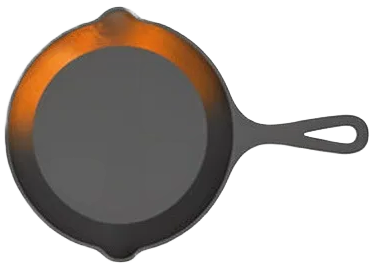
How Do You Judge a Cast Iron Pan?
Finding a great piece of cast iron can be confusing, with so many brands, eras, and finishes to choose from.
This guide walks you through the key factors to look for, so you can buy or restore with confidence. You’ll learn how to spot quality and understand value. Here’s what we’ll cover:
- The practical difference between vintage and modern brands
- How to identify a pan’s era and why it matters for cooking
- A simple method to assess any pan’s true value, beyond price tags
Key Takeaways
Focus on these core ideas before you buy any pan.
- The ring test is the fastest way to confirm you’re holding real cast iron.
- A perfectly smooth cooking surface is more valuable than any famous brand name.
- Any crack, even a hairline, means the pan is only good for decoration.
- Vintage cookware needs a careful inspection; age alone doesn’t make it better.
The First Touch: How to Know if a Pan is Really Cast Iron
Before you worry about brand or value, you need to be sure you’re even looking at cast iron. A few simple tests tell you everything, especially when you’re trying to identify vintage cast iron and its value.
Flick the cooking surface with your fingernail. Real cast iron will give you a clear, high-pitched *ping* or ring, like a tiny bell. If you hear a dull thud, you’re likely holding stamped steel, aluminum, or an enameled piece. This sound test is my first move at any flea market.
Next, feel the weight. A proper skillet should have a satisfying, substantial heft for its size. Then, run your fingers over the unfinished bottom or the sidewalls. Raw cast iron has a distinct, slightly rough and porous texture. It feels sandy, not slick. Carbon steel feels smoother, and enamel has a hard, glass-like finish. If you’re weighing your options, you might be asking which skillet is right—cast iron or carbon steel. We’ll explore their strengths and trade-offs next.
Look at how it’s built. True cast iron is almost always a single piece of metal, with the handle molded right into the pan’s body. You won’t see rivets or screws holding the handle on. The underside often has a rough, pebbled finish from the sand casting mold it was born in. This is a hallmark of cast iron cookware.
Is It Clean or Just Coated? Checking the Surface
A pan can look black and seem “seasoned” when it’s actually just dirty. Knowing the difference saves you from bringing home a major restoration project.
Thick, flaky carbon gunk is food buildup. It looks crusty, matte, and often has uneven chips or ridges. A true seasoning layer is a thin, polymerized coat of oil. Think of it like a tough, plastic-like paint. It has a more even sheen, even if it’s dull, and won’t flake off in chunks if you scratch it gently with a fingernail.
A clean pan, whether newly stripped or well-seasoned, will have a consistent color across its entire cooking surface. You might see silver metal, dull gray, glossy black, or even a patchwork of colors, but there shouldn’t be thick, sticky, or crusty patches.
Your finger is your best tool here. Lightly drag your fingertip across the center of the pan. It should feel smooth. If you feel lumps, grit, or a texture like rough sandpaper, that’s old food carbon. I’ve passed on many pans that looked fine until I felt that telltale grit.
The Check-Up: How to Assess Condition and Spot Damage
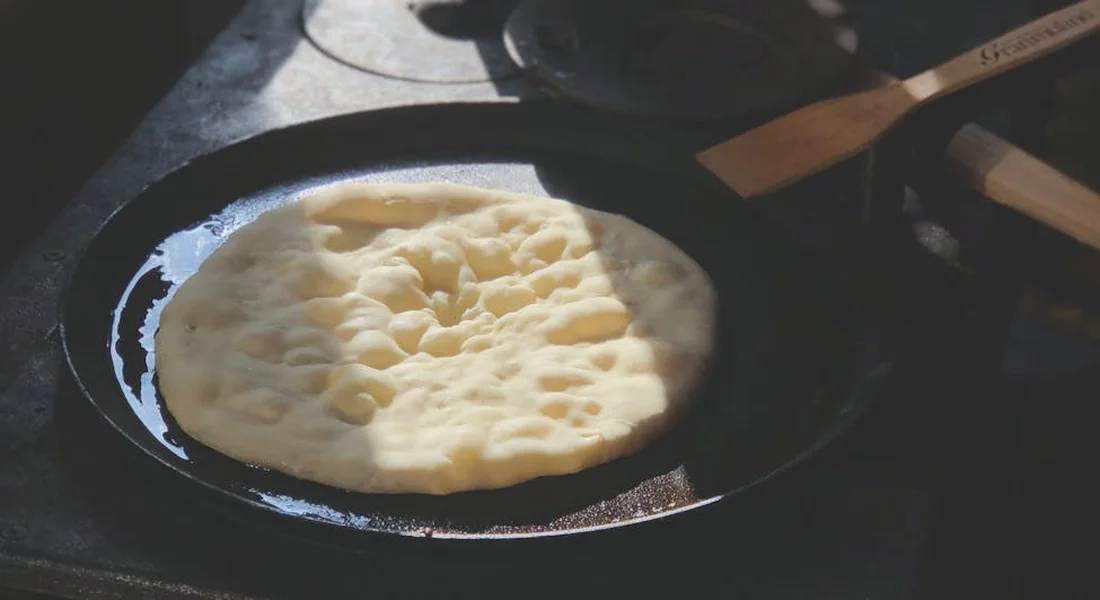
Think of this as a health check for your potential new pan. You’re looking for fatal flaws first, then moving on to manageable surface issues.
The Dealbreakers: Cracks, Warping, and Pitting
First, look for cracks. Run your finger along the rim and the handle, especially where it meets the pan. Any hairline crack, no matter how thin, is a dealbreaker because the pan can split apart during heating. It’s a safety risk, not a fixable flaw.
Next, check for warping. Set the pan down on a perfectly flat surface, like a glass stovetop or a countertop. Press on the cooking surface. Does the pan rock or wobble? That’s a warped bottom. A slight warp might still work on a gas burner, but it will have terrible contact on electric or induction, leading to uneven heating.
Finally, inspect for pitting. These are deep, crater-like holes in the iron, often from aggressive rust. Light pitting is mostly cosmetic. Severe, deep pitting creates a moonscape surface where food will constantly stick, no matter how much seasoning you build. If you can catch your fingernail in the hole, that pit is deep enough to cause cooking problems forever.
Surface Quality: Smooth vs. Rough and What It Means
Feel the cooking surface. Many vintage pans, like old Griswolds, were machined smooth at the factory. They feel like glass. Most modern pans, like Lodge, have a rougher, pebbled texture from the sand casting mold.
This roughness isn’t bad, it just means the pan will take a bit more time and layers to develop a slick cooking surface. My modern skillet started out gritty but is now as smooth as my vintage ones after years of use. It’s a characteristic, not a defect.
Now, look at any rust. Surface rust is a light, dusty orange coating. It wipes off easily with vinegar and steel wool. Structural rust is the problem. If the metal itself is flaky, spongy, or has deep orange scars, the iron is compromised. Surface rust is a weekend project. Structural rust often means the pan is too far gone to be a reliable daily driver, no matter how much you try to remove it.
Name That Iron: A Real-World Guide to Identifying Brands
You don’t need to be a historian. You just need to know where to look and what common marks mean for cooking.
Where to Look for Markings and What They Tell You
Flip the pan over. The bottom is the most common spot for markings. Also check the back of the main handle and any helper handle. Look for:
- Raised or incised numbers (like “8”, “10”, or “SK”)
- Foundry logos (an eagle, a triangle, a stylized letter)
- The words “MADE IN USA”
A number like “8” almost always refers to the pan’s size (roughly 8 inches across the top), not a model year or pattern number. If you find no brand name at all, don’t be surprised. Countless “unmarked” pans were made for hardware stores or as generic pieces. Some of my best cookers are no-name pans.
Well-Known Brands: What to Expect from Vintage and Modern
For vintage, two names stand out: Griswold and Wagner. They’re famous for being relatively lightweight with beautifully machined, smooth surfaces. Finding one in good shape is a treat for a collector and a cook.
Today, Lodge is the ubiquitous workhorse. It’s durable, affordable, and comes pre-seasoned with that characteristic pebbled texture. Brands like Field Company and Smithey offer modern pans with smoother, machined interiors at a higher price point. Most quality cast iron, vintage and modern, is made in the USA, which is often a good shorthand for durable construction. I tend to steer clear of imported, ultra-cheap generic pans from big-box stores, as their quality control can be inconsistent, leading to casting flaws or a brittle feel. When evaluating quality for your kitchen, consider how it will perform on your stove and in the oven. The right cast iron should balance durability, heat retention, and weight to match your cooking style.
Are Cast Iron Pans Worth It? Judging Value and Usefulness
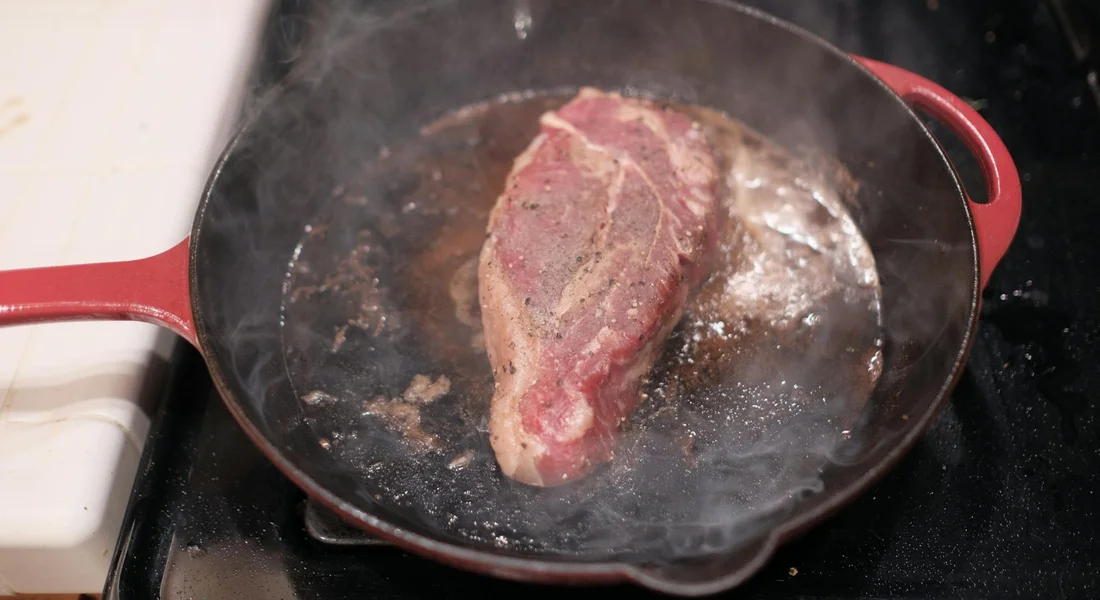
Value has two sides: what collectors will pay and what the pan is worth to you in your kitchen.
Vintage vs. New: Weighing the Real Cooking Difference
A smooth vintage pan will become non-stick faster than a rough new one. It’s also often lighter. But a new Lodge is incredibly durable, ready to buy today, and will perform excellently after some initial use. For a first pan or a daily driver, a new skillet is a fantastic value and will last a lifetime. Vintage is a premium upgrade, not a necessity.
Are expensive new pans worth it? A pan like a Smithey has a gorgeous, smooth finish right out of the box. It saves you the break-in period. Whether that’s worth the price depends on your budget and patience. The performance ceiling between a seasoned Lodge and a seasoned Smithey is minimal. You’re often paying for the finish and the aesthetic.
Setting a Fair Price: What to Pay for a Secondhand Find
Price depends on brand, condition, and your work. Here’s a practical framework:
- A rusty, crud-covered but solid no-name pan: $5-$15. This is a restoration project.
- A clean, ready-to-cook modern Lodge: $15-$25.
- A vintage Griswold or Wagner in ready-to-cook condition: $40-$100+.
A $10 no-name pan you restore yourself often delivers more practical cooking value than a $100 collectible you’re afraid to use. Set your budget based on how much work you want to do and how you’ll actually use the pan. The best value is the pan you’ll use every day.
Common Mistakes and How to Avoid Them
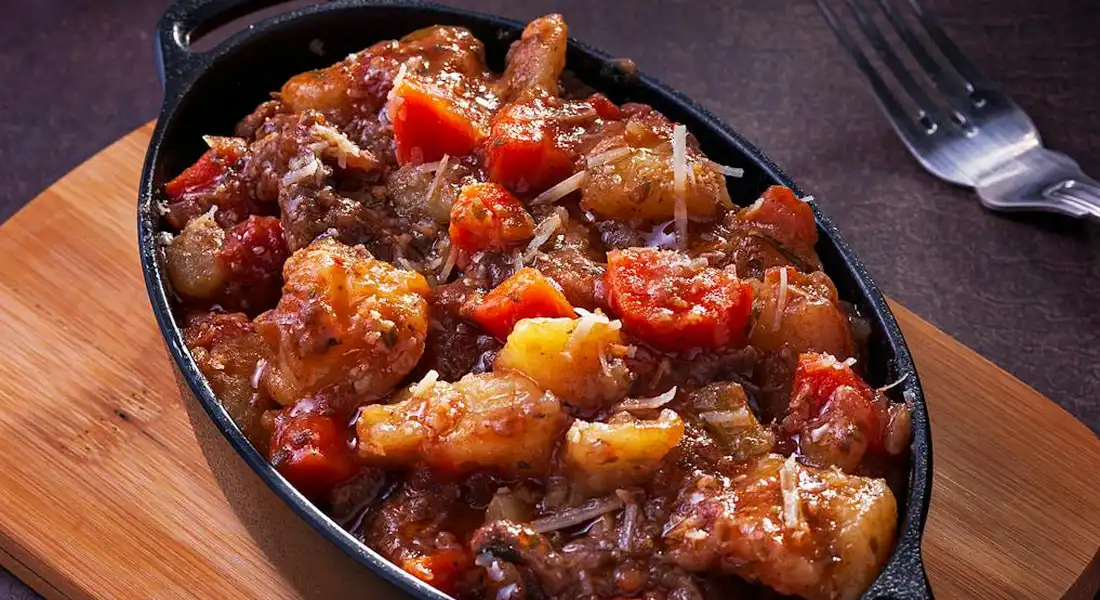
When you’re hunting for cast iron, it’s easy to get tripped up by looks or hype. Let’s correct a few common errors so you can shop with confidence.
The first big mistake is choosing the wrong flaw. You might pass on a pan with a little surface rust because it looks bad. That’s a shame. Surface rust is just superficial. You can scrub it off with a bit of vinegar or steel wool, then re-season the pan. A warp, a bend in the cooking surface, is the real problem you can’t fix. A warped pan won’t sit flat on your stove and will heat unevenly. Always set the pan on a flat surface and check for rocking before you worry about rust.
Another trap is the vintage name. Seeing a Griswold or Wagner logo can make your heart skip a beat. But a brand name doesn’t cook your food, the iron does. I’ve seen people pay a premium for a vintage skillet that’s cracked or deeply pitted. You should never overpay for a “vintage” piece that has structural damage or deep pitting that affects the cooking surface. A smooth cooking area from a lesser-known brand is always more valuable than a famous name you can’t actually use.
Finally, we often equate weight with quality. While cast iron is inherently heavy, there is such a thing as too much. Modern foundries sometimes make extremely thick, heavy pans. They hold heat incredibly well, perfect for searing a steak. For everyday tasks like frying eggs or making a quick pan sauce, that extreme heft can be tiring to handle. Consider how you’ll use the pan most often; extreme weight can be a real drawback for daily use or for cooks with wrist or strength concerns. For a broader view, our complete cast iron vs other cookware materials comparison guide explores how weight and heat retention vary across options. It helps you decide which material best fits your cooking needs.
Your Next Steps: From Evaluation to Restoration
Once you’ve found a piece that passes your evaluation, your job shifts from appraiser to restorer. This is where the real satisfaction begins, turning a neglected piece into a kitchen workhorse.
When to Walk Away: Pieces Not Worth Your Time
Knowing when to say no is just as important as knowing what to buy. Some damage is beyond practical repair for a home cook.
Cracks are a permanent, structural failure, and a warped pan that spins like a top on your counter will never cook evenly. These are your absolute dealbreakers. For enameled cast iron, a small chip on the rim might be okay, but a deep chip on the cooking surface that exposes the raw iron underneath is a pass. Rust will form there and stain your food.
Also, be realistic about scale. A giant 20-inch cauldron is a fascinating antique, but it likely won’t fit on your stove or in your oven. An extremely heavy, single-purpose item often becomes a decorative dust collector, not a useful tool. Save your effort for pieces you’ll actually use.
How to Plan Your Restoration
For a keeper pan, you’ll follow a clear, three-step process: strip, clean, and re-season. Your assessment directly informs your plan.
If the pan has old, flaky seasoning or gunk, you’ll need to strip it. The most controlled method is using a chemical oven cleaner (with lye) in a garbage bag. For light buildup, a good scrubbing with coarse salt or a chainmail scrubber might be enough. After cooking, follow up with a proper clean and dry routine to maintain your cast iron skillet. This simple step helps preserve the seasoning and prevent rust for the next time you cook.
Next is rust removal. For light surface rust, a scrub with steel wool often does the trick. For more stubborn rust, a 50/50 vinegar and water bath for 30-minute intervals works well. Just don’t leave it in too long, as vinegar can etch the iron. These same steps also apply to removing rust from cast iron stoves and other metal surfaces. Adapting duration and agitation lets you handle larger items or more delicate finishes.
The final, most important step is re-seasoning, which is simply baking on thin layers of oil to create a durable, non-stick surface. You’ll coat the entire pan in a high-smoke-point oil (like flaxseed, grapeseed, or Crisco), wipe off every bit you can, then bake it upside-down in a hot oven. You’ll repeat this process 3 to 5 times. This builds the protective “patina” that makes cast iron so great. Our detailed guides on stripping and seasoning will walk you through each part of this satisfying restoration.
Common Questions
How does care differ between a vintage smooth pan and a modern rough one?
The main difference is in building the initial seasoning. A rough modern surface holds oil better but requires more initial layers to fill the texture and become slick. A vintage smooth pan needs thinner, more meticulous oil coats to avoid sticky buildup. Both require the same ongoing maintenance: gentle cleaning, thorough drying, and occasional oiling after use.
Why do you recommend avoiding certain inexpensive, imported brands?
Poor casting quality is the primary issue. Pans with excessive pitting, brittle iron, or uneven walls are frustrating to season and will never cook evenly. You invest the same effort in upkeep, but the results are inferior to a quality pan that will hold its seasoning for generations.
Does a “Made in USA” mark matter for long-term care and durability?
Generally, yes. Foundries in the USA have a long history of consistent metallurgy and quality control. This typically means the iron is less prone to cracking from thermal shock and will hold a stable seasoning layer better over decades of use, making your maintenance efforts more effective and lasting. From a metallurgy standpoint, cast iron’s microstructure supports durable seasoning adhesion. That’s why it’s often cited as ideal for building lasting seasoning layers.
Your Cast Iron, Your Kitchen Heirloom
The single best thing you can do is choose a piece that feels right for you and shows good, honest craftsmanship. Everything else, from value to performance, builds from that solid foundation. I often think about the rough-cast Griswold I restored last year; its value came alive only after I seasoned it. For your next steps, look into our detailed guides on building and maintaining that all-important seasoning layer.
References & External Links
- Amazon.com: Judge Speciality Cookware JST10 Skillet Solid Cast Iron Frying Pan 18cm, Induction Ready, Oven Safe, Gift Boxed – 5 Year Guarantee: Home & Kitchen
- Judge Cast Iron Cookware | Judge Cookware | Cast Iron | Judge
- Judge Speciality Cookware Skillet Solid Cast Iron Frying Pan 24cm
- Judge Cast Iron 18cm Skillet | Harts of Stur
A material science expert by profession, Joseph is also an avid cook. He combines his 10+ years expertise in material science and metallurgy with his passion for cast iron cookware to bring you best hands on advice. His expertise ranges from types of cast iron cookware to best seasoning tips as well as restoration of vintage cast iron utensils. Joe is here to help you solve all your cast iron cookware queries and questions.