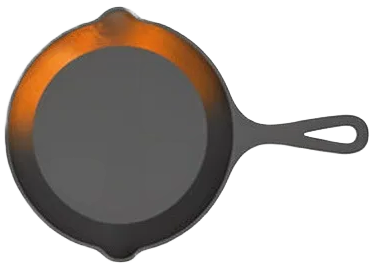
Is Your Cast Iron Safe from Lead? How to Test and Use It
Finding a vintage cast iron skillet is exciting, but the fear of lead contamination can ruin the joy. I’ve restored dozens of pans, and with a straightforward test, you can ease your mind and get back to seasoning.
- Where lead contamination comes from in cast iron and how to identify high-risk pieces.
- Simple, step-by-step instructions for using a home lead test kit accurately.
- What to do if your pan tests positive, including when it’s salvageable and when to discard it.
- How to properly clean and re-season a pan once you’ve confirmed it’s lead-free.
Do Cast Iron Pans and Skillets Actually Contain Lead?
The short answer is no, cast iron itself does not contain lead. The metal used to make your skillet is an alloy of iron and carbon. Lead is not part of the recipe.
The risk comes entirely from external contamination. Lead can only get into your cookware if someone used it for a purpose far outside the kitchen. This is a crucial distinction. You are not testing the iron; you are testing for a dangerous residue left behind by a previous owner.
This contamination usually happens in one of three ways:
- As a Crucible for Melting Lead: This is the most common risk with old, unmarked pieces. People would use a sturdy cast iron pot or pan to melt down lead for making fishing weights, bullets, or toy soldiers. The molten lead bonds to the hot iron surface.
- As a Drip Pan for Paint Removal: Before we knew the dangers, someone might have used an old skillet to catch drips while stripping lead-based paint from furniture or woodwork. The paint chips and dust would contaminate the pan.
- Repurposed Industrial Casting: Occasionally, someone might try to turn a piece of industrial cast iron (like a pipe fitting, machinery weight, or old tub) into a planter or fire pit. These were never meant for food and could have been exposed to all sorts of contaminants.
So, should you panic about your daily driver? Absolutely not. Your modern Lodge, Smithey, or Field Company skillet from the store is safe. The concern is almost exclusively for vintage, unmarked, heavily pitted, or clearly repurposed pieces of unknown origin, especially if you can’t identify and date them properly. If a pan’s history is a mystery, a simple test brings peace of mind.
How to Test Your Cast Iron with a Home Lead Test Kit
Wondering if your cast iron has lead? A DIY swab test kit is the standard method. Search for “cast iron lead test kit,” and you’ll find them at hardware stores or online. Brands like 3M LeadCheck and D-Lead are common and reliable.
These kits are simple chemical swabs that change color on contact with lead. They won’t tell you the exact amount, but a positive result is a clear “do not use for food” signal.
Here is my step-by-step process for testing a suspicious piece:
- Buy a Kit Designed for Surfaces: Get a kit that says it tests for lead on painted or metal surfaces. Avoid ones meant only for water or ceramics.
- Prep the Pan Correctly: You need to test the bare metal. Choose a small, suspicious area (like a deep pit or the center of the cooking surface). Use a bit of fine steel wool or sandpaper to gently scrub away any seasoning, rust, or grime until you see shiny gray metal. Wipe the area clean with a damp paper towel and let it dry completely.
- Swab with Firm Pressure: Activate the swab as directed (usually by squeezing or shaking). Rub the tip firmly over the cleaned area for the time specified (often 30 seconds). Cover about a one-inch square section. You need good contact.
- Read the Results Immediately: A color change (typically to red or pink) indicates a positive result for lead. No color change means the test did not detect lead on that specific spot.
This next tip is non-negotiable: you must test multiple areas. Do not swab just one spot. Contamination can be uneven. Test the main cooking surface, the side walls, and especially inside any pits, cracks, or heat rings where residue could be trapped. If any test turns positive, the pan is contaminated. As you run these proofing tests, look for visual signs of proper seasoning. An evenly glossy patina and a smooth, non-sticky surface indicate a well-seasoned cast iron pan.
You might see discussions about a “cast iron lead test reddit” search. Community forums are fantastic for sharing stories and getting moral support. I’ve learned a lot from them. But remember, opinions and guesses are not data. A physical swab test in your hands is the only definitive way to know if your specific pan is safe. It’s a small investment for a lifetime of safety.
Understanding Your Cast Iron Lead Test Results
You’ve swabbed the pan and waited the required time. Now you have your answer. Interpreting it correctly is the final, most important step.
A negative result means no detectable lead was found on the surface you tested. This is your green light to proceed with a thorough cleaning and seasoning, confident that the pan is safe for food contact. You can finally start the restoration process or begin building your cooking surface with peace of mind.
A positive result, where the swab turns a specific color (often pink or red depending on the kit), means lead is present. This requires a firm and clear response.
Lead cannot be safely removed from porous cast iron for food use. No amount of scrubbing, chemical stripping, oven cleaning, or boiling will pull lead out of the metal’s microscopic pores. Any attempt to “clean it off” risks driving it deeper or spreading contamination. This ties into the broader question of cast iron cookware safety and iron leaching. Understanding iron transfer is essential for assessing health risks.
You might test a piece because you see visual warnings. These can include a strangely thick, lumpy, or non-metallic coating (often a sign of old lead-based enamel or paint) or a whitish, crystal-like residue in corners (a potential sign of lead crystal or metal smelting). However, a smooth, normal-looking finish does not guarantee safety. Lead melts at a relatively low temperature and can form a thin, shiny layer that looks like factory seasoning. This is why testing is non-negotiable for any piece of unknown history, regardless of how it looks.
What to Do with a Lead-Positive Cast Iron Pan
Finding lead in a pan you hoped to restore is disappointing. I’ve been there. The key is to shift your thinking from “cookware” to “historic object” or “utility item.” It can no longer be part of your kitchen, but it doesn’t have to be a total loss. If you’re curious about identifying the date and origin of vintage cast iron skillets and other antique cookware, there are simple clues—maker marks, finishes, and patina—to study. This knowledge can help you decide how to preserve, repurpose, or document the piece.
Here are safe, practical ways to repurpose it:
- Retire it as Decor: Hang it on a wall as rustic art or display it on a shelf. It’s a conversation piece with an important safety story.
- Use it as a Workshop Tray: In your garage or shed, it makes a great heavy-duty tray for holding nuts, bolts, or tools. Never use it for melting metals or any high-heat activity that could vaporize the lead.
If you must dispose of it, do so responsibly. Do not put it in your regular household trash. Contact your local hazardous waste disposal authority for instructions. They will ensure it is handled in a way that protects landfill workers and the environment.
Once you have a verified lead-free piece, your focus can happily return to proper care. A safe pan is ready for the rewarding work of building and maintaining a superb seasoning layer for generations of cooking. The testing process, while sobering, is what clears the path for that trust.
How to Buy and Use Cast Iron with Confidence
The best approach is to avoid the problem from the start. With mindful sourcing and proper care, you can collect cast iron with much greater confidence.
For guaranteed safety, buy new from reputable modern brands. Their cookware is made specifically for food and undergoes strict quality control. Even when you choose cast iron cookware, it’s important to ensure it’s from a trusted source.
When buying vintage, your best sources are dedicated cast iron collectors or reputable dealers who professionally clean and test their stock before sale. The price may be higher than a flea market find, but you’re paying for verified safety and often superior restoration work. A quick guide to identifying vintage cast iron brands and marks can help you verify authenticity as you shop.
If you enjoy the hunt at flea markets or online auctions, be strategic. Avoid any piece with the visual red flags mentioned earlier. Be extra cautious with small, deep pots or items with unusual shapes that might have been used for hobbies or trades. Ask the seller about the piece’s history, but always verify their story with your own test after purchase. Consider the cost of a lead test kit as a standard, non-negotiable part of the purchase price for any untested vintage iron.
Testing is a simple, one-time step that protects your health and lets you enjoy your cast iron for decades without a shadow of doubt. It is the definitive way to ensure your prized pan is safe to use, transforming a piece of metal into trusted family cookware you can use with complete confidence. Understanding the safety and benefits of cast iron is crucial for any cookware enthusiast.
Quick Answers
How do I choose the right lead test kit for cast iron?
Select a kit designed for testing solid surfaces, like 3M LeadCheck. Avoid kits made only for water or ceramics. The key is that it must react with lead on metal, not just paint.
What should I do if my test result is faint or unclear?
Any color change, even a faint one, must be treated as a positive result for lead. Do not attempt to interpret shades or guess. When in doubt, retest a different area with a fresh swab, but err on the side of caution.
I see advice online about alternative testing methods. Are they reliable?
No. Stick with certified chemical swab kits. Methods like vinegar soaks (which can sometimes damage cast iron) or visual guesses are not definitive and provide false security. A proper kit is an inexpensive, non-negotiable tool for responsible cast iron care.
Peace of Mind for Your Cast Iron Kitchen
If you have any doubt about a piece’s history, a simple lead test is the only way to be certain it’s safe for cooking. Make this check the very first step before you even think about scrubbing, stripping, or seasoning an old find. Once you know your pan is clean and safe, you can confidently move on to the rewarding work of restoration and building up a durable cooking surface.
References & External Links
- r/castiron on Reddit: What are OBVIOUS signs that a skillet has been used for lead?
- Q. Do cast iron pans ever test positive for Lead? A. Sometimes. Q. Are cast iron pans safe? A. Mostly! Click to read more.
- Test for Lead in Cast Iron? | Smokstak® Antique Engine Community*
- Lead Testing Cast Iron Cookware – YouTube
Joseph Gerald
A material science expert by profession, Joseph is also an avid cook. He combines his 10+ years expertise in material science and metallurgy with his passion for cast iron cookware to bring you best hands on advice. His expertise ranges from types of cast iron cookware to best seasoning tips as well as restoration of vintage cast iron utensils. Joe is here to help you solve all your cast iron cookware queries and questions.