Is Carbon Steel Cookware Safe? A Guide for the Cast Iron Curious
If you love your cast iron but have been eyeing a carbon steel wok or skillet, your first question is probably about safety. You’ve already invested in a durable, non-toxic kitchen, and you want to be sure a new pan fits that standard.
This guide cuts through the confusion. We’ll look at carbon steel from the same practical, care-focused perspective we use for cast iron. Here are the key things we’ll cover:
- The simple science behind why carbon steel is a safe, non-toxic choice for cooking.
- How its care and seasoning process is nearly identical to what you already do for cast iron.
- Practical maintenance tips to keep your carbon steel in perfect, safe condition for years.
- Clear differences between carbon steel and materials that do raise health concerns.
The Short Answer on Carbon Steel Safety
Yes, carbon steel cookware is completely safe to use. It’s made from just two things: iron and a very small amount of carbon. There are no toxic coatings or hidden chemicals to worry about.
Think of your pan’s seasoning like a protective coat of paint on a fence. That layer of polymerized oil is what creates your cooking surface. A well-seasoned pan seals the bare metal, creating a stable, non-stick barrier between your food and the iron.
If you’ve searched “carbon steel cookware safety reddit,” you’ve likely seen two big worries: metal leaching and rust. Let’s clear those up. A proper seasoning prevents the iron from significantly interacting with your food. You might get a tiny, harmless amount of dietary iron, which is actually a benefit for many people. Rust only happens with neglect, not from normal, proper use.
Your safety truly hinges on your care routine. The good news? Keeping carbon steel safe and non-stick requires the exact same maintenance habits as your cast iron skillet. Season it, cook with it, clean it gently, and keep it dry.
Carbon Steel vs. Cast Iron: A Family Resemblance
If cast iron is the sturdy, heavyweight champion of the kitchen, carbon steel is its quicker, lighter cousin. Instead of being poured into a mold, carbon steel starts as a single sheet of metal that’s pressed and formed. This makes it thinner, with less thermal mass, so it heats up and reacts to temperature changes much faster. So, what’s the difference between cast iron and carbon steel? Knowing their differing compositions and heat behavior helps you choose the right pan for each task.
Despite this difference in heft, they are close family. Both are made primarily of iron. Both have a naturally porous, rough surface that requires seasoning to become a smooth cooking tool. That first rough surface is why a new carbon steel pan often feels gray and dry, just like an unseasoned cast iron piece.
This material similarity means everything you already know applies. The skills you’ve built seasoning and maintaining cast iron transfer directly to carbon steel. You’ll use the same oils, the same oven or stovetop seasoning methods, and the same gentle cleaning approach. A spatula that’s friendly to your cast iron is also friendly to your carbon steel.
This shared philosophy of care is precisely why we talk about it here. Whether you’re restoring a century-old skillet or breaking in a new carbon steel wok, you’re building the same polymerized patina. You’re practicing the same stewardship of a timeless kitchen tool.
Addressing Top Health and Safety Concerns

Does Carbon Steel Leach Iron Into Food?
A well-maintained seasoning layer is your best defense against the metal interacting with your food. Think of this polymerized oil coating like a durable, non-stick paint job. It creates a stable barrier between the bare steel and your ingredients.
If your seasoning is strong and intact, the amount of iron transferred to your food is minimal and considered safe for dietary intake. It’s similar to cooking in a bare cast iron skillet. Some people even intentionally cook with a clean cast iron “luck penny” to add a small, beneficial amount of iron to their food, particularly for those with a deficiency. How your body absorbs iron matters for safety, which is the core of the healthy truth about iron absorption in cast iron cooking. We’ll translate that into practical guidance for everyday use.
This small transfer is a feature of cooking with untreated iron alloys, not a flaw. For the vast majority of people, it’s harmless and can be a slight nutritional plus.
Is it Safe if My Pan Rusts?
Finding a spot of rust can be alarming, but it’s not a toxic hazard. Surface rust is iron oxide, the same compound found naturally in soil. The concern isn’t poisoning; it’s that rust can spoil the flavor of your food and, if left unchecked, can pit the metal.
Surface rust is a maintenance issue, not a reason to throw your pan away. I’ve brought back dozens of pans with light rust. The process is straightforward – removing rust from cast iron is the key to restoring them.
- Scrub the rusted area vigorously with a stiff brush, coarse salt, or a bit of fine steel wool under warm water.
- Dry the pan immediately and completely. I always follow a towel dry with 60 seconds on a stovetop burner to evaporate every last bit of moisture.
- Apply a very thin layer of oil and heat the pan to re-establish the protective seasoning layer right where the rust was.
Your pan will be perfectly safe to use again. Rust is a fixable condition.
Is Carbon Steel Safe for High-Heat Cooking?
Carbon steel excels where most non-stick pans fail: at high temperatures. You can safely get it screaming hot for a perfect sear on a steak or to stir-fry vegetables. The metal itself won’t degrade or release fumes.
The real safety limit involves your pan’s seasoning, not the steel itself. If you leave an empty carbon steel pan on maximum heat for too long, you can literally burn that polymerized oil layer right off. You’ll see it turn ashy, blotchy, or even flake. While not unsafe, it destroys your non-stick surface and means you’ll need to re-season.
For high-heat cooking, always have your food or oil ready to go in the pan once it’s hot.
Using Your Carbon Steel Pan: What You Can and Can’t Do
Can You Cook Acidic Foods (Like Tomatoes) in Carbon Steel?
You can, but with caution. A strong, dark, mature seasoning can handle a quick cook with acidic ingredients. I make a fast pan sauce with a splash of wine or lemon juice in my best-seasoned skillet all the time.
The risk comes from prolonged contact. Simmering a tomato sauce for an hour or deglazing with a lot of vinegar and letting it sit can break down the seasoning. This strips the protective layer and may give the food a metallic, iron-like taste. For long, acidic simmers, I switch to my enameled cast iron Dutch oven.
If you’re just starting to build your pan’s seasoning, it’s wise to avoid acidic foods until that layer is more durable, especially when cooking acidic foods in cast iron can potentially damage the seasoning.
Can You Boil Water in Carbon Steel?
Absolutely. Boiling water for pasta, blanching vegetables, or even making soup is perfectly safe and won’t chemically harm the pan. Plain water is neutral.
The only potential issue is that extended boiling can sometimes dull a young or fragile seasoning layer, making the pan’s surface look lighter or patchy. It doesn’t damage the steel. To keep your seasoning in top shape, simply dry the pan thoroughly on the stove after use and give it a quick wipe with a tiny amount of oil while it’s still warm.
Are Carbon Steel Woks Good and Safe?
Carbon steel is the classic, professional choice for a wok, and for good reason. It heats up fast, responds instantly to temperature changes, and develops an incredible non-stick patina. The safety of a carbon steel wok is directly tied to its intense initial seasoning process, often called “bluing.”
This process involves heating the bare wok until it changes color, which creates a layer of magnetite. This layer provides some rust resistance and forms a great base for the polymerized oil seasoning you build up through cooking. My carbon steel wok is one of my most trusted pans. You care for it just like a skillet: clean it gently, dry it completely over heat, and keep it lightly oiled.
Can Carbon Steel Go in the Oven or Microwave?
Oven use is not only safe, it’s how you season the pan. You can bake, broil, or use it for finishing dishes. Always check if the handle material is oven-safe, as some handles have coatings or are made of materials that can’t withstand high heat. Most bare metal handles are fine.
Never, under any circumstances, put carbon steel in a microwave. It is a solid metal. Microwaves pass through the metal, reflect off the walls, and can cause dangerous electrical arcing (sparks) inside the appliance. This can damage your microwave and is a fire risk. Use glass, ceramic, or microwave-safe plastic instead.
The Care Guide: Seasoning, Cleaning, and Rust Prevention
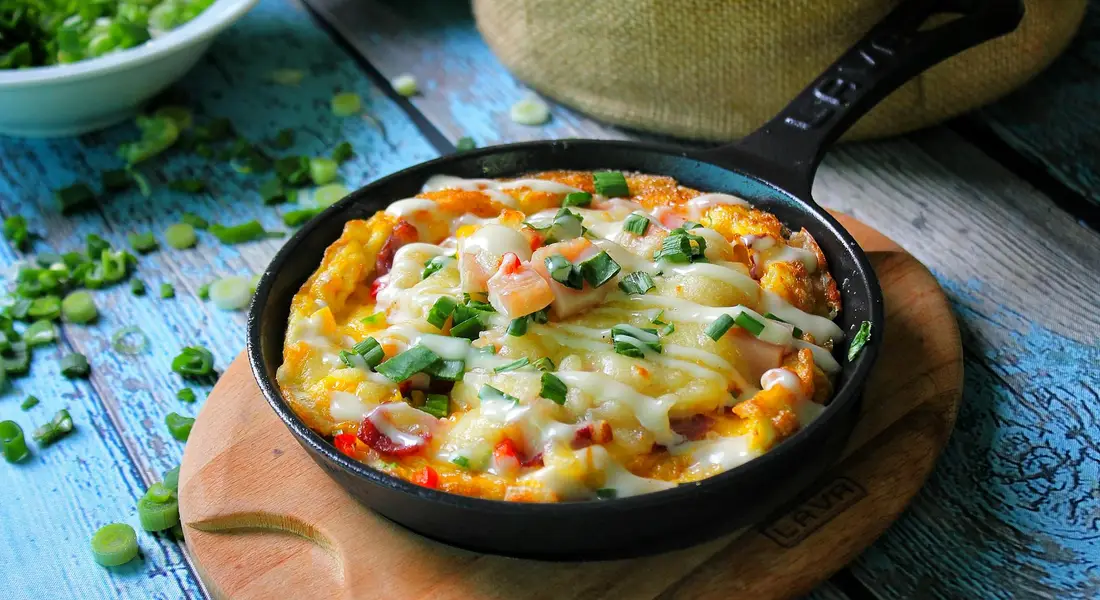
Think of caring for your carbon steel pan like caring for a good pair of leather boots. It needs a protective finish, regular cleaning, and to be kept dry. The principles are nearly identical to cast iron, which is why I love both materials. A complete carbon steel cookware guide covers its benefits, care, and how it compares to stainless steel and cast iron. It helps you compare options and keep your pan in top shape.
Tools & Materials You’ll Need
You don’t need much. Gathering these items before you start makes the whole process smoother.
- High-smoke point oil: Flaxseed, grapeseed, or refined avocado oil are my top choices. Crisco or plain vegetable oil work perfectly fine too.
- Coarse salt (like kosher salt): A fantastic, gentle abrasive for cleaning.
- Sponge or soft scrub brush: For everyday washing.
- Chainmail scrubber (optional): Great for tackling stubborn, stuck-on food without harming the seasoning.
- Lint-free cloths or paper towels: Essential for applying that super thin oil coat.
- Your oven: The best tool for building the initial seasoning layers.
How to Season Carbon Steel Cookware
Seasoning is just baking a thin layer of oil onto the metal until it transforms into a hard, slick polymer. In chemistry terms, the heat drives polymerization of the oil, forming a durable surface on cast iron. This polymerized layer is your pan’s non-stick coating and rust protection.
The foolproof method is oven seasoning cast iron. I use it for all my new or stripped pans. This method relies on a hot oven, precise temperature control, and a set bake time so the oil bonds to the surface. In short, it’s a simple heat-and-oil process that yields a durable, nonstick finish.
- Clean the pan thoroughly. New pans often have a thin wax or oil coating from the factory to prevent rust in shipping. Scrub it off with hot, soapy water, then dry completely.
- Apply a microscopically thin coat of oil. Pour a little oil on a cloth, wipe it over the entire pan (inside, outside, and handle), then try to wipe it all off like you made a mistake. The pan should look only slightly damp, not glossy or oily. This “thin coat” step is where most people go wrong. Too much oil creates a sticky, blotchy finish.
- Bake it upside-down. Place your pan upside-down on the middle rack of a cold oven. This prevents oil from pooling in the bottom. Bake at 450°F to 500°F (depending on your oil’s smoke point) for one hour. Turn the oven off and let the pan cool inside.
- Repeat. For a strong base, I do this process 2 to 3 times. Each layer bonds to the last, building durability.
For quick touch-ups between oven sessions, use the stovetop method. Heat the pan over medium, apply that same whisper-thin coat of oil with a cloth, and let it smoke for a few minutes until the finish looks dry. Wipe it once more while it’s warm. It’s a great way to maintain the patina.
How to Clean Carbon Steel Cookware After Use
Let’s settle a big myth right now. Using a drop of mild dish soap on a well-seasoned pan is completely safe and recommended. Modern soaps don’t contain the lye that would strip seasoning. They cut grease and clean effectively.
My everyday routine is simple:
- While the pan is still warm (not scalding), rinse it with hot water.
- Use a sponge and a tiny dab of soap to gently scrub away any food residue.
- For any stubborn bits, sprinkle a handful of coarse salt in the pan and use the sponge or a folded paper towel to scrub. The salt acts as a mild abrasive that dissolves away.
The non-negotiable final step is to dry the pan completely, and I mean completely, on the stovetop. Place it over low heat for 2-3 minutes until all moisture evaporates. This single habit prevents 99% of rust issues. I then give it a 30-second wipe with a tiny, tiny bit of oil on a cloth while it’s warm before storing. And in the same vein, remember to clean and maintain your cast iron skillet after cooking to protect its seasoning. A quick brush or rinse, dry, and light oil is all it takes.
How to Avoid and Fix Rust
Rust happens for one reason: moisture meets bare iron. It’s not a death sentence, just a sign the protective seasoning was compromised and moisture got through.
Prevention is straightforward: always heat-dry your pan after washing. Never let it air dry in a dish rack or put it away damp.
If you find light, surface rust (orange speckles), don’t panic. You can fix it in minutes.
- Scrub the rusted area with a paste of coarse salt and water, a bit of vinegar on a scrubber, or a mild abrasive like Bar Keepers Friend.
- Rinse the pan well.
- Dry it immediately and thoroughly on the stovetop.
- Apply a thin coat of oil to the bare spot to protect it. You may want to give that area a quick stovetop season.
Making It Last: Long-Term Carbon Steel Maintenance
Watching a carbon steel pan mature is part of the joy. It starts as dull gray steel, gains a bronze hue after the first few cooks, and over months of use transforms into a glossy, black, nearly non-stick patina. My favorite wok is now almost jet black and slides eggs like a dream.
Long-term maintenance isn’t about elaborate rituals, it’s about consistent care. “Maintenance seasoning” is really just cooking. When you cook with fats and oils, and you clean and heat-dry properly, you are constantly reinforcing that polymerized layer.
Store your pan in a dry place. Don’t seal it in a plastic bag or a damp cupboard where moisture can get trapped and cause rust. I keep mine on a pot rack or in an open cabinet.
The ultimate sign you’re doing everything right? When you finish cooking, food releases easily, and a quick wipe or a rinse with hot water is all you need before the heat-dry step. That’s when you know your pan’s patina is working for you.
Common Questions
How do I know if my carbon steel seasoning is properly built up?
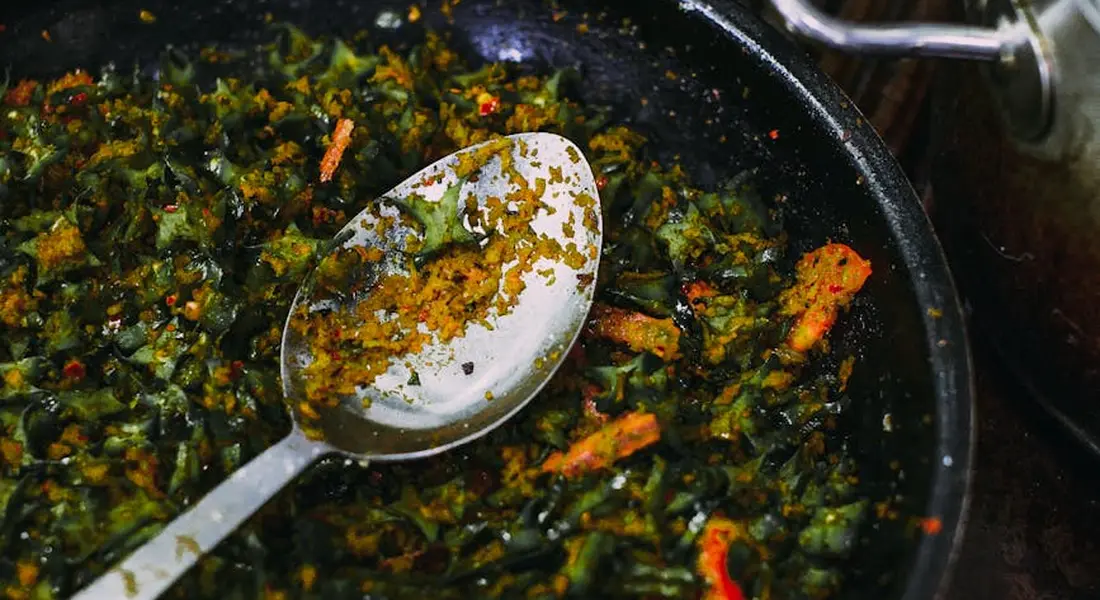
A strong seasoning is visually dark, smooth, and even-not sticky or blotchy. The true test is performance: food should release easily, and the pan should clean up with minimal effort. This patina develops over time through consistent cooking and proper after-care, just like cast iron.
Is it true I should never use soap on my carbon steel pan?
That is outdated advice. Modern, mild dish soap will not harm a well-polymerized seasoning layer. Use a small amount with a soft sponge to clean your pan thoroughly; leaving food residue or grease is more damaging to your seasoning than soap.
What’s the best way to store carbon steel to prevent issues?
Ensure the pan is completely bone-dry and give it a light wipe with a neutral oil before storing. Keep it in a dry, ventilated cabinet, not sealed in plastic or a damp environment. A simple paper towel between stacked pans can prevent scuffing.
Your Carbon Steel, Your Legacy
The single most important rule for carbon steel’s safety and performance is the same as for cast iron: build and maintain a resilient, polymerized seasoning layer. That layer is your non-stick surface, your rust barrier, and the key to a pan that gets better for generations. For more on the tools and techniques that build great seasoning, explore our guides on maintenance and comparing different oil finishes.
Related Guides and Information
- r/carbonsteel on Reddit: Feeling Concerned About the Health Effects of Carbon Steel
- Pros and Cons of Carbon Steel Cookware
- Are carbon steel pans safe to cook on?
- This is What You Should Know Before Buying A Carbon Steel Pan | Cook’s Direct Blog
- Is Carbon Steel Cookware Worth The Extra Care? Discover If It’s Right for You – Made In
- The Health Benefits of Cooking with Carbon Steel Cookware – Blanc Creatives
Joseph Gerald
A material science expert by profession, Joseph is also an avid cook. He combines his 10+ years expertise in material science and metallurgy with his passion for cast iron cookware to bring you best hands on advice. His expertise ranges from types of cast iron cookware to best seasoning tips as well as restoration of vintage cast iron utensils. Joe is here to help you solve all your cast iron cookware queries and questions.