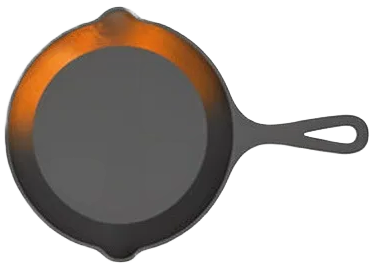
Do Vintage Cast Iron Pans Rust More Than Modern Ones?
You might be eyeing that smooth, old Griswold skillet and worrying it’s more delicate than your bumpy new Lodge. In my years of restoring pans, I’ve found that rust isn’t about age, it’s about attention.
This article will help you understand the real factors behind rust. Here’s what we’ll cover:
- The manufacturing secrets that make vintage pans smoother.
- How that smooth surface actually holds seasoning better.
- Practical tips to keep any pan, old or new, rust-free for years.
Key Takeaways: Rust and Your Cast Iron
Before we get into the details, here are the most important things to remember.
- All bare cast iron rusts at the same rate; the real difference is in the initial surface that holds your protective seasoning.
- Your maintenance routine is far more important for preventing rust than the brand name on the bottom of the pan.
- A smooth vintage surface and a textured modern one both have unique advantages and vulnerabilities when it comes to building a rust-proof layer.
- Rust is always a fixable maintenance issue, not a sign that your pan is permanently damaged.
What Actually Makes Cast Iron Rust?
Think of rust as metal slowly burning. Iron, when exposed to both oxygen and water, undergoes a chemical reaction. It “combusts” very slowly, turning into iron oxide, which we call rust.
The black seasoning on your pan is not a coating or a treatment. It is a layer of polymerized oil, a hard, plastic-like shield cooked onto the iron. This layer has one job: to be a perfect, non-stick barrier that seals the raw iron away from air and moisture. This is chemistry in action: heat triggers polymerization to bond the oil to the iron, creating a durable non-stick surface. In cast iron, that polymerized layer is what makes food release easily and protects the iron over time.
If water gets through a chip, scratch, or weak spot in that seasoning, it meets the iron and starts the reaction. This is the universal truth for every single cast iron piece, from a 100-year-old Griswold to a Lodge you bought last week.
The Role of Surface Finish: Smooth vs. Textured
This is where the feel of the pan under your fingers makes a big difference. A vintage pan like a Wagner or Griswold was often machined or ground smooth at the factory. Picture the cooking surface like a glass tabletop.
A modern Lodge pan has a pebbled, textured finish from the sand casting process. Think of it more like a lightly textured wall.
That glassy-smooth vintage surface can be tricky for your first few layers of seasoning. The oil has less to grip, so the initial coat can feel thin and might even look streaky. A smooth base requires patience, but the layers you build bond into an incredibly hard, glass-like seal that is difficult for moisture to penetrate. One of my oldest Wagners has a seasoning so smooth and integrated it feels like one solid piece.
The textured surface of a modern pan is designed to hold oil. All those microscopic peaks and valleys trap the oil during seasoning, creating a thicker initial barrier faster. This texture gives you a head start on rust protection, but it can be prone to flaking if you apply oil too thickly and create a brittle, layered coating. The key is using very little oil and letting it polymerize completely each time.
Wagner, Griswold, Lodge: How They Were Made Changes the Game
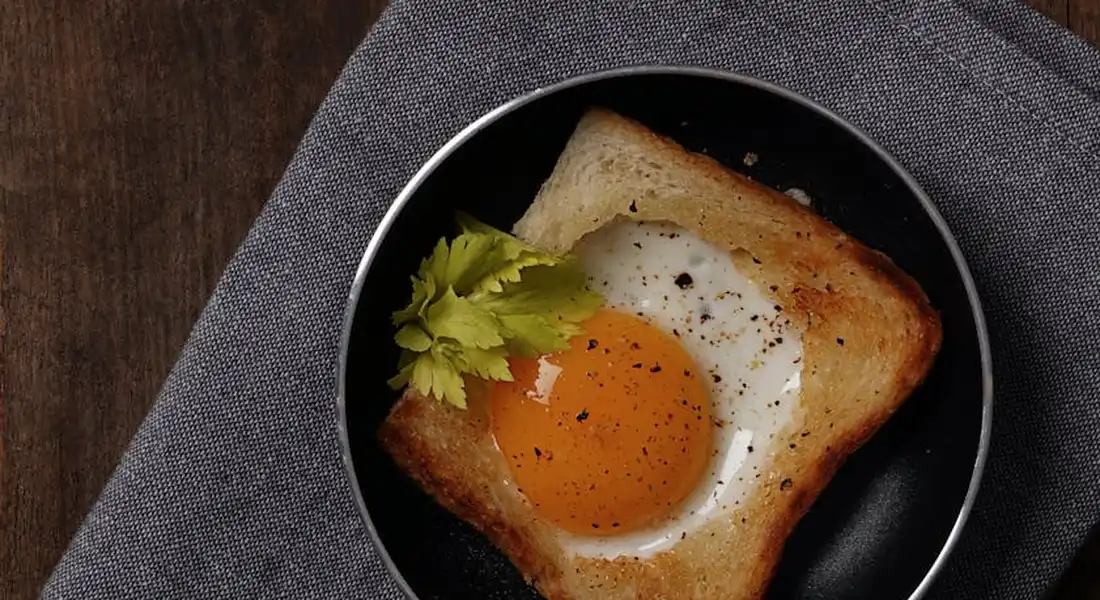
To understand rust, you need to understand the surface of your pan. The finish on a Wagner from the 1930s, a Griswold from the 1950s, and a new Lodge from the store today are wildly different. This wasn’t an accident. It was a deliberate shift in how companies thought about getting a pan from the foundry to your kitchen. When you examine factory coatings on modern pre-seasoned pans, you’ll notice they are designed to be more resistant to rust, though not impervious.
The old philosophy was to deliver a refined, finished product; the modern approach is to deliver a rugged, ready-to-use tool. This core difference in manufacturing philosophy is the key to caring for each type.
Vintage Machining: The Silky-Smooth Advantage
After a vintage Wagner or Griswold skillet was cast, it went through an extra step. Workers would often mount it on a lathe to mill or grind the cooking surface to a satiny, almost mirror-like smoothness.
This feels incredible. Food slides with less effort, and cleaning is a breeze. I have a Griswold #8 that feels like glass after decades of use. That smoothness is the big pro.
But there’s a catch for seasoning. A perfectly smooth metal surface has very little texture for the first layer of oil to grip. Think of trying to paint a sheet of glass versus painting a brick wall. On a machined pan, the first few seasoning layers are critical and must be applied painfully thin. If the oil is too thick, it will bead up and polymerize into fragile, sticky spots that can chip off easily, exposing bare iron to moisture. That’s when you’ll need to repair the seasoning.
Modern Lodge: The Ready-to-Use Grip
Pick up a new Lodge skillet. Run your fingers over the surface. You’ll feel a distinct, pebbled texture. This is the “as-cast” finish. The pan comes out of the sand mold and, after cleaning, goes straight to the seasoning line.
That texture is a brilliant functional choice. It acts as a mechanical key. The valleys and peaks give the factory-applied seasoning something to lock onto immediately. The pebbled surface provides excellent adhesion for the initial seasoning layer, making modern pans famously durable and hard to strip by accident.
The trade-off is that the surface can feel rough. It may require a bit more fat during cooking to achieve that slick, non-stick effect you get on a smooth vintage pan. Over years of use, this texture will wear down and fill in, becoming smoother.
Does Metallurgy Make a Difference?
You’ll hear people say vintage pans used “better” or “purer” iron. There’s some truth to that. Older foundries sometimes used higher-grade pig iron with fewer impurities like sulfur.
But here’s the practical truth for you today. The fundamental chemistry of rust is identical for all cast iron: iron plus oxygen and water equals rust. A molecule of water doesn’t care if the iron atom it bonds with came from a 1920s Wagner or a 2020s Lodge.
Any differences in wall thickness or microscopic grain structure are largely academic for rust prevention in a home kitchen. Your maintenance routine is a thousand times more important than the minor variations in vintage metallurgy.
How to Stop Rust on Any Skillet, Old or New
Rust prevention isn’t about magic or brand names. It’s about a simple, consistent habit that creates a stable barrier between your iron and the world. This ritual works for every pan on your shelf.
Your Daily Rust-Prevention Ritual
Follow these three steps after every single use, no exceptions. This builds your seasoning and blocks rust before it starts.
- Clean it while it’s warm. Use hot water and a brush or mild soap. Don’t let food gunk sit and trap moisture.
- Dry it with heat. Towel-drying is never enough. Place the pan on a stovetop burner over medium heat for 2-3 minutes until all traces of moisture evaporate.
- Apply a micro-thin coat of oil. With the pan still warm, dab a few drops of a neutral oil (like canola or grapeseed) on a paper towel. Wipe the entire surface, then use a clean towel to buff it as if you’re trying to remove all the oil you just put on. You should see only a faint sheen, no wet spots.
Heat drying is your most powerful tool, as it guarantees no water is left to react with the iron overnight.
Seasoning Strategies for Different Finishes
When you do a dedicated oven seasoning session, tailor your technique to your pan’s finish.
For smooth vintage pans (Wagner, Griswold, early Lodge):
- Use an oil with a high smoke point, like flaxseed or grapeseed, but use barely any.
- After applying oil, go back with a fresh, clean paper towel and wipe it again aggressively. Pretend you made a mistake and are trying to remove it all.
- The goal is a layer so thin it seems invisible; this prevents beading and creates a hard, durable polymer layer.
For textured modern pans (Lodge, other as-cast brands):
- Apply a thin layer of oil, but understand the texture will naturally hold more in its pores.
- The crucial step is the full oven polymerization cycle. You must bake it at the oil’s smoke point for at least an hour.
- This extended heat is what hardens the oil trapped in the texture, turning those pores from potential moisture traps into sealed pockets of seasoning.
What to Do When You See a Rust Spot
Don’t panic. A small rust spot is a routine fix, not a death sentence for your pan. Yes, you can absolutely restore it.
For a few small speckles or a thin film of surface rust:
- Scrub the spot with a paste of coarse salt and a drop of water, or with a mild acid like distilled white vinegar on a scrub pad.
- Rinse immediately with warm water.
- Dry the pan thoroughly on the stovetop, applying more heat than usual to the affected area.
- Apply a thin coat of oil to the bare spot and heat it on the stovetop until it smokes lightly, or give the entire pan a quick oven season.
For major, flaking rust that covers most of the pan, you’re looking at a full restoration. This involves completely stripping the old seasoning and rust, typically with a lye bath for crud or an electrolysis tank for heavy rust. That’s a deeper project with its own dedicated guide: cleaning, seasoning, and repair.
Common Mistakes That Invite Rust (And How to Fix Them)
Rust isn’t a sign of failure. It’s just iron’s nature when it meets oxygen and water. The key to stopping it is knowing which habits accidentally give it an invitation. I’ve made all these mistakes myself, and fixing them is simpler than you think.
Letting a Pan “Soak” or Air-Dry
We’ve all been tempted to let a tough pan soak. For cast iron, this is the fastest way to get a spot of rust. Water breaks through the thin, protective layer of seasoning and starts reacting with the bare metal underneath. Fortunately, you can fix and prevent rust on cast iron cookware. We’ll cover how to restore seasoning and keep rust at bay.
Air-drying is just as risky. Even a damp dish towel can leave behind enough moisture to cause trouble.
The fix is straightforward: clean your pan right after cooking and dry it with heat.
- Wash with warm water and a brush or scrubber.
- Dry it completely with a towel.
- Place it on a stovetop burner over medium heat for 2-3 minutes. You’ll see any last traces of water evaporate. This heat step is what seals the deal.
Using Too Much Oil When Seasoning
This is the most common seasoning error, and I understand the confusion. If a little oil is good, more must be better, right? It’s the opposite. Excess oil won’t polymerize into a hard layer. It bakes into a sticky, gummy coat that can actually trap moisture and flake off.
To answer the question from our sample directly: after the initial oil coat and 20 minutes in the oven, you do not add more oil. That first oven step is just to warm the pan and open its pores.
Here’s the clear process:
- Apply a very thin layer of oil to your clean, dry, warm pan.
- Take a clean, dry paper towel or cloth and wipe the entire pan again, as if you’re trying to remove all the oil you just put on. You should aim to leave the pan looking only slightly damp, not glossy or wet.
- Place it upside-down in the preheated oven for one hour. There is no “final rub down” with an oily towel.
Think of it like applying hand cream. You rub it in until your skin absorbs it and is no longer slick. You don’t walk around with shiny, greasy hands. Your pan should feel the same way before it goes in the oven.
Storing a Pan While Damp or in a Sealed Space
A pan can feel dry to the touch but still hold microscopic moisture, especially in the pores of the seasoning. Storing it in a closed cabinet or stacked directly against another pan creates a perfect, humid environment for rust to start. To prevent rust damage, store cast iron cookware properly. Proper storage keeps the seasoning dry and ready for use.
I learned this the hard way with a favorite lid I stored on a cool, seemingly dry pan.
Always let your pan cool completely after heat-drying before you put it away.
For safe storage, you have two great options:
- Place a folded paper towel between stacked pans or between a pan and its lid. This absorbs any residual moisture.
- Store pans on an open rack or stood up sideways in a cabinet so air can circulate around them freely.
Common Questions
Do smooth vintage pans need more frequent seasoning than modern ones?
No. Seasoning frequency depends on use, not age. Both types only need a fresh layer when the cooking surface looks dull, dry, or patchy. Your daily ritual of cleaning, heat-drying, and applying a micro-thin coat of oil after use is the best maintenance for any pan.
What’s the best way to store a vintage pan long-term?
Ensure it is bone-dry and lightly oiled. The critical rule is to allow for air circulation. Store it in an open rack or place a paper towel inside and avoid sealing it in airtight containers or damp cabinets where moisture can be trapped.
Is it safe to stack my cast iron skillets inside each other?
Only if you use a protective buffer. Stacking iron directly can scratch and chip the seasoning. Always place a folded paper towel, cloth, or a soft felt pan protector between each piece to prevent damage and absorb any residual moisture.
Rust Prevention for Every Cast Iron Pan
The single most important factor in preventing rust isn’t the brand or age of your pan, but the consistency of your care. Focus on building and maintaining a good seasoning layer through regular, thin coats of oil and always ensuring your pan is completely dry before you put it away. If you’re interested in the specific restoration techniques for vintage pieces or how to choose the right oil for seasoning, our other guides dive into those details.
Deep Dive: Further Reading
- r/castiron on Reddit: Difference Between New and Old Cast Iron
- Vintage Cast Iron vs New Modern?? | Cooking Forum, Recipes & Pro Chef Tips – ChefTalk
- Are old cast iron skillets better than new?
- Vintage Lodge Cast Iron Versus Modern Lodge Cast Iron — Naked Whiz Ceramic Charcoal Cooking
- Food Tool Friday: Is Vintage Cast Iron Better Than New? << Food Hacks :: WonderHowTo
Joseph Gerald
A material science expert by profession, Joseph is also an avid cook. He combines his 10+ years expertise in material science and metallurgy with his passion for cast iron cookware to bring you best hands on advice. His expertise ranges from types of cast iron cookware to best seasoning tips as well as restoration of vintage cast iron utensils. Joe is here to help you solve all your cast iron cookware queries and questions.