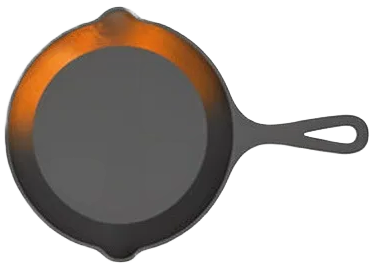
Why Is My Cast Iron Black? Residue, Discoloration & Maintenance
You’ve just finished cooking, and as you wipe out your skillet, your towel comes away streaked with black. It’s a common sight that sends many cooks into a brief panic. Seeing black residue is usually a normal part of using a well-loved pan, not a sign you’ve ruined it.
This guide will walk you through exactly what’s going on. You’ll learn to tell the difference between a minor cleanup and a major restoration. Here’s what we’ll cover:
- What that black residue actually is and why it appears.
- How to know if the black is harmless carbon or a sign of failing seasoning.
- The simple steps to clean it up and get back to cooking.
- My preferred method for a quick refresh that stops the problem from recurring.
Key Takeaways: What Your Pan’s Color Is Telling You
Here are the core truths about your pan’s appearance. Keep this list handy.
- A smooth, hard, black surface is well-seasoned and perfect. This is the goal.
- Black, sticky, or flaky residue is carbonized food gunk and needs cleaning. This is not seasoning.
- Red or orange means rust. You need to scrub it off and re-oil the pan immediately.
- Green or yellow can mean chemical reactions. This is rare but can happen from extreme heat or certain foods.
- Gray, silver, or spotty metal means the seasoning is thin or stripped. It’s time to apply a fresh layer of oil and bake it on.
The Good Black: Understanding Healthy Seasoning
New cast iron isn’t black. Straight from the foundry, the metal is a dull, matte gray. That classic black finish comes from you, from use and care. It’s called seasoning.
Seasoning is a thin layer of oil that has been baked onto the iron until it transforms. This process, called polymerization, bonds the oil molecules into a hard, slick coating. Think of it like a durable, natural non-stick enamel paint you apply yourself, one thin coat at a time.
Is cast iron always black? No, but a well-loved one should be. The black color is a visual sign of that protective, polymerized layer. My oldest 10-inch skillet is a deep, even black from handle to rim because it’s been cooked in for years.
Healthy seasoning has a specific feel. It should be smooth to the touch, not sticky. The shine can range from satiny to matte, but the surface will feel hard and slick, like glass or polished stone.
Is My Black Residue Seasoning or Something Else?
This is the most common confusion I see. True seasoning is bonded to the metal. Anything that wipes off easily is just stuff sitting on top of it. Here’s how to tell the difference.
Start with the touch test. Run a clean, dry finger over the pan’s cooking surface. Good seasoning feels uniformly hard and slick. Bad residue will feel tacky, gritty, or like there’s a soft film you can almost scrape with a fingernail.
Next, try the paper towel test. Take a dry, white paper towel and wipe the inside of the cool, dry pan. A clean towel means you’re touching well-bonded seasoning. A towel with black or gray smudges means you’re wiping off loose carbon buildup.
So, is black residue on cast iron bad? Yes, if it’s residue and not seasoning. That carbonized food gunk can make food taste bitter, create hot spots, and prevent new seasoning from bonding properly. It needs to be cleaned off.
Is it normal for cast iron to wipe black? For a brand new or freshly re-seasoned pan, a tiny amount of transfer on a towel in the first few uses can happen as the top layer fully cures. If your pan continues to leave black on towels after every wipe, you’re not cleaning it thoroughly enough after cooking. That’s a sign to adjust your cleaning routine.
The Cast Iron Color Guide: What Other Hues Mean
Think of your pan’s color like a health chart. The shade tells you exactly what’s happening on the surface, from a perfect seasoning to a cry for help.
Gray or Silver Metal Showing Through
Seeing patches of dull gray or shiny silver means your polymerized oil layer, the seasoning, is thin or gone in those spots. This often happens after a vigorous scrub or cooking something acidic like tomatoes.
If you’ve searched “cast iron discoloration after cleaning,” this is usually what you’re seeing. Don’t panic, this is not damaged iron; it’s simply bare metal that needs a fresh coat of seasoning to be protected. My own daily driver skillet gets a little silver on the cooking surface every few months, and I just give it a quick stovetop seasoning.
Red, Orange, or Brown (Rust)
This is iron oxide, plain and simple. When bare iron meets water and air, it rusts. It’s the same process that happens to an old nail left in the rain.
A light dusting of orange is surface rust and is simple to fix. You’ll feel it as a rough texture. Deep, pitted rust that looks cratered requires more work. You must tackle any rust immediately, as it will spread and eat into your pan if left alone. If you’re disposing of a rusted cast iron pan, remove the rust first so it can be recycled or disposed of safely.
Green or Yellow Spots or Film
Yes, cast iron can turn green. People ask “Does cast iron turn green?” and the answer is a surprising yes. This odd color is a patina, a surface reaction caused by moisture, iron, and acidic foods (like wine or vinegar) sitting together.
It’s similar to the green-blue coating on an old copper penny. While this patina isn’t typically toxic, it should be cleaned off because it can impart a metallic taste to your food.
White or Chalky Residue
This is almost always a harmless mineral deposit. It comes from hard water drying on the pan or from salt used as a scrub that didn’t get fully rinsed away.
You can just wipe it off with a damp cloth. It doesn’t hurt the pan or the seasoning at all.
How to Clean Problematic Residue and Discoloration
Start gentle and only get more aggressive if you need to. Your goal is to remove the problem without stripping all your hard-earned seasoning.
For Sticky Black Gunk or Light Discoloration
For everyday sticky spots or light rust, you don’t need harsh chemicals.
- The Salt Scrub: While the pan is still warm (not hot), add a tablespoon of coarse salt and a teaspoon of oil. Use a paper towel or cloth to scour the spot. The salt is abrasive, and the oil helps carry the debris away. Rinse and dry.
- The Baking Soda Paste: This is perfect for those wondering about baking soda. Make a thick paste with baking soda and a little water. Apply it to the discolored area, let it sit for 15 minutes, then scrub gently with a brush or cloth. It’s a mild abrasive that lifts gunk.
After any cleaning, always heat the pan on the stove to fully evaporate moisture, then apply a whisper-thin coat of oil to protect the fresh surface.
For Stubborn Buildup, Rust, or Strange Colors
When gentle methods fail, or you’re dealing with widespread rust or a strange green film, it’s time for a reset. This strips the pan back to bare, gray iron.
- For Organic Gunk (Carbon, Old Food, Thick Gunk): Use a yellow-cap, lye-based oven cleaner. Spray the cold pan heavily, place it in a plastic bag, seal it, and leave it in a well-ventilated area (like a garage) for 24-48 hours. The lye dissolves the gunk without harming the iron.
- For Rust: Use a white vinegar bath. Mix one part vinegar with one part water in a tub large enough for your pan. Soak for 30-60 minutes, checking often. The acid loosens the rust. Scrub with steel wool or a stiff brush.
Safety is non-negotiable: wear chemical-resistant gloves and eye protection, and work in a ventilated space with both the oven cleaner and vinegar. These methods remove everything. After a reset, you must perform a full re-seasoning process from scratch, applying multiple fresh layers of oil to build your pan’s protection back up.
Keeping Your Pan Perfectly Black: Daily Care Habits
Once you have a beautifully black, seasoned pan, the goal shifts to keeping it that way. Consistent, simple care after every use is your best defense against strange residues and discoloration.
The Right Way to Clean After Every Use
Let’s clear something up right now: you can use soap. That old rule comes from a time when soap contained lye, which would strip your seasoning. Modern dish soap is mild and won’t hurt the polymerized oil on your pan.
Use warm water, a bit of soap, and a gentle scrubber. For stubborn, stuck-on bits, a dedicated brush or a chainmail scrubber works wonders without damaging the surface.
The most critical step comes next: you must dry the pan completely with heat. Even a thorough towel dry leaves microscopic water in the pores of the iron. That prep also sets you up for cleaning and maintaining your cast iron after cooking. Place your clean pan on a burner over medium heat for a few minutes until it’s hot and completely dry to the touch. This stops flash rust from forming before you can even put the pan away. A quick follow-up clean and oil after use helps seal the surface and keep your skillet in top condition.
The Magic of the Post-Clean Oil Wipe
This 30-second ritual is the secret to a lifelong, jet-black finish. Think of it as feeding your pan’s protective coating.
Once the pan is dry and still warm (not piping hot), put a tiny drop of your seasoning oil on a paper towel. Wipe a super thin layer over the entire cooking surface and exterior. Then, take a clean, dry paper towel and buff it all off. Buff aggressively, as if you’re trying to remove every last trace of oil you just applied—especially after cleaning your pan thoroughly, as explained in how to clean a cast iron pan after cooking.
This microscopic layer of oil bakes onto the surface with the pan’s residual heat, building your seasoning one invisible layer at a time and sealing the iron from moisture. If the pan looks or feels oily, you used too much. The goal is to leave it looking dry but feeling slightly slick. Seasoning is essential for all cast iron, including pre-seasoned cookware. This is why you should maintain that protective layer.
Smart Storage for Lasting Health
How you store your pan matters just as much as how you clean it. Never stack pans directly on top of each other. The metal can grind and create micro-scratches. Instead, place a clean cloth, a paper towel, or even a folded paper bag between them.
Always store your cast iron in a dry place. A cabinet away from the stove or sink is ideal. The cabinet under the sink is often damp, which invites rust. Proper storage is essential to prevent rust and damage.
The absolute best thing for your cast iron is to use it regularly. Frequent cooking keeps the seasoning refreshed and the iron protected. If you won’t use a pan for a while, that final, perfectly buffed oil wipe is its best insurance policy before it goes on the shelf. Make sure to choose the right oil for maintenance, especially when seasoning or wiping it down.
Common Questions
Why did my pan turn brown after I cleaned it? Is it ruined?
No, it is not ruined. A brown or copper-toned hue appearing after cleaning is simply thin, translucent seasoning or bare iron showing through. This is normal, especially after scrubbing off old carbon buildup. Just apply a thin layer of oil and heat the pan to protect the surface and let the seasoning darken with use.
I used baking soda to clean a spot and now it’s discolored. What happened?
That white or grayish film is a harmless mineral residue from the baking soda paste not being fully rinsed away. It does not affect your seasoning. Simply wipe the pan thoroughly with a damp cloth, dry it completely with heat, and follow with a light oiling.
Can certain foods permanently discolor my seasoning?
Acidic foods like tomatoes or wine can temporarily lighten or alter the color of your seasoning by interacting with the top layer of polymerized oil. This is a surface effect, not damage. Your pan’s protective base layer remains intact and will re-darken with continued cooking and proper oiling. Even when cooking acidic foods in cast iron.
Maintaining That Classic Black Patina
To keep your cast iron black and in top shape, clean it gently after cooking and apply a whisper-thin layer of oil before storage.
This routine protects the iron from rust and steadily builds the seasoning that creates its durable, non-stick surface.
If you’re curious about the process, our articles on seasoning science and restoring old pieces offer more detailed guidance.
Citations and Authoritative Sources
- My cast iron skillet got a little too hot and grayed a bit. Can I restore it to its original color? – Quora
- Seasoning Got Brown | Cast Iron Collector Forums
- My cast iron skillet is brown–after seasoning! | Frugal Village Forums
- Is It Normal for Pre-Seasoned Cast Iron Skillet/Griddle to Discolor When I Start Using It?
A material science expert by profession, Joseph is also an avid cook. He combines his 10+ years expertise in material science and metallurgy with his passion for cast iron cookware to bring you best hands on advice. His expertise ranges from types of cast iron cookware to best seasoning tips as well as restoration of vintage cast iron utensils. Joe is here to help you solve all your cast iron cookware queries and questions.