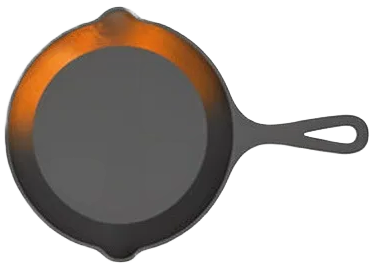
What’s the Best Way to Clean My Cast Iron After Cooking?
If you’re worried that cleaning your pan will ruin the hard-earned seasoning, you’re not alone. That worry is the number one reason people let their pans sit dirty, which actually does more harm than good. Cleaning it the right way doesn’t strip your seasoning; it protects and even builds upon it for your next meal.
This method is what I use every single night after dinner, whether I’ve seared steaks or scrambled eggs. Here’s what we’ll cover:
- The only tool you truly need for 95% of your post-cooking cleanups.
- How to dry your pan so thoroughly that rust never gets a chance to start.
- The simple, 30-second oil rub that keeps your seasoning in top shape.
The 5-Minute Post-Cooking Routine (Your Daily Habit)
I treat my cast iron like a kitchen partner, not a museum piece. The best care happens in the five minutes after you finish cooking, while the pan is still warm. This simple habit stops 90% of rust, stickiness, and frustration before they ever start.
Your Step-by-Step Routine
- Let the pan cool on the stove for just a minute or two. It should be warm, not scorching hot.
- Use a flat-edged metal spatula to scrape the cooking surface. This gets up any crispy bits while they’re still loose.
- Rinse the pan under hot running water. I use my fingers or a soft nylon brush to give it a quick once-over.
The Soap Question, Answered for Good
You can use modern dish soap. The old rule about never using soap came from a time when soaps contained lye, which would strip your hard-earned seasoning. Today’s mild dish detergents do not contain lye. They cut grease without damaging the polymerized oil layer. A drop of soap helps clean your pan without harming the seasoning you’ve built.
How to Dry Your Pan Completely
Water is the enemy of iron. Towel-drying is not enough. Tiny droplets of water will hide in the microscopic texture of the metal and cause rust.
- Dry the pan thoroughly with a dish towel.
- Place it back on a stovetop burner over low to medium heat for 2-3 minutes.
- Heat it until all traces of moisture are gone. You’ll see the pan go from looking wet to completely dry.
This heat drying is non-negotiable. I do it every single time I wash a pan.
The Secret Final Step: The After-Care Oil Wipe
Once the pan is dry and still warm from the stove, take a half-teaspoon of your seasoning oil (like canola, grapeseed, or Crisco) and rub it all over the cooking surface with a paper towel. Then, take a clean paper towel and buff it again until it looks dry. This leaves a protective, microscopic layer of oil that actively builds your seasoning with every use, preventing rust and improving non-stick performance over time. This is a key step in seasoning oil to maintain your cast iron cookware. Regularly repeating this as part of your routine helps keep rust at bay and your pan performing its best.
FAQ: Cleaning After Cooking Bacon
Bacon leaves behind sticky sugars and soft polymers from rendered fat. The key is to scrape the pan while it’s still very warm. After pouring off the excess grease, use your spatula to scrape the bottom. Then, proceed with the hot water rinse. The warm water and a little scraping will dissolve that sticky residue. If a faint, smooth film remains after drying, that’s likely just fine polymerized fat, not dirty carbon. You can leave it or give it a light scrub with a nylon brush next time.
How to Handle Stuck-On Food and Deep Cleaning
Sometimes, a simple rinse isn’t enough. You might have a layer of crispy cheese from a frittata or some caramelized onions that welded themselves to the surface. This calls for a different approach. Think of your daily routine as “maintenance cleaning” and this as “deep cleaning.” You won’t need to do this often, maybe once a month or less.
Choosing Your Cleaning Tool
I’ve tried every tool in the shed. Here’s how they compare:
- Chainmail Scrubber: My personal favorite. It’s excellent at scrubbing off carbonized food without harming the seasoning. It doesn’t hold grime and rinses clean instantly.
- Nylon Brush or Scrubby: Great for daily maintenance and light stuck-on bits. Softer on the seasoning but less aggressive.
- Coarse Salt Scrub: A fantastic, zero-cost DIY abrasive. Kosher or coarse sea salt provides grit without being harsh.
The Coarse Salt Scrub Method
- While the pan is still warm (but safe to touch), sprinkle a generous amount of coarse salt over the stuck-on areas.
- Add a few drops of water or oil to make a paste.
- Use a folded paper towel or a cloth to scrub the paste in a circular motion. The salt acts as a gentle abrasive.
- Rinse thoroughly with hot water, dry completely on the stove, and apply your thin oil coat.
For Truly Tough, Carbonized Bits
If salt doesn’t do the trick, I reach for a mild abrasive pad. A Dobie pad (nylon mesh with a soap reservoir) or a piece of non-soap steel wool (grade #0 or #0000) works well. Use gentle, circular pressure and rinse often to check your progress; you only want to remove the black carbon, not the darker, smooth seasoning underneath.
FAQ: Cleaning Kits and Tools
Many “cast iron cleaning kits” include a chainmail scrubber, a stiff brush, and a scraper. They are convenient. A good DIY kit is just a chainmail scrubber and a sturdy nylon brush. The scraper is helpful for grill pans. You don’t need fancy specialty soaps; hot water, elbow grease, and occasional soap are perfect. Once cooking is done, refer to a complete post-use guide for cleaning your cast iron pan. It covers cooling, drying, and re-seasoning to keep it ready for the next dish.
The Absolute “Never-Ever” Rules
Some actions will damage your pan’s seasoning and invite rust. Never do these:
- Put it in the dishwasher. The harsh detergent and prolonged, steamy soak will strip seasoning and cause severe rust.
- Soak it in the sink. Even an hour-long soak can lead to rust spots and a weakened seasoning layer.
- Use harsh cleansers or metal brushes. Avoid oven cleaner, bleach, or stainless steel scouring pads. They are too aggressive.
FAQ: Is Cast Iron Dishwasher Safe?
No, it is not dishwasher safe. The combination of powerful detergents, extremely hot water, and prolonged exposure to moisture is a perfect storm for ruining your pan. It will almost certainly emerge with a dull, patchy, rust-speckled surface. Hand washing takes five minutes and guarantees your pan’s longevity.
Storing Your Skillet to Keep It Ready and Rust-Free
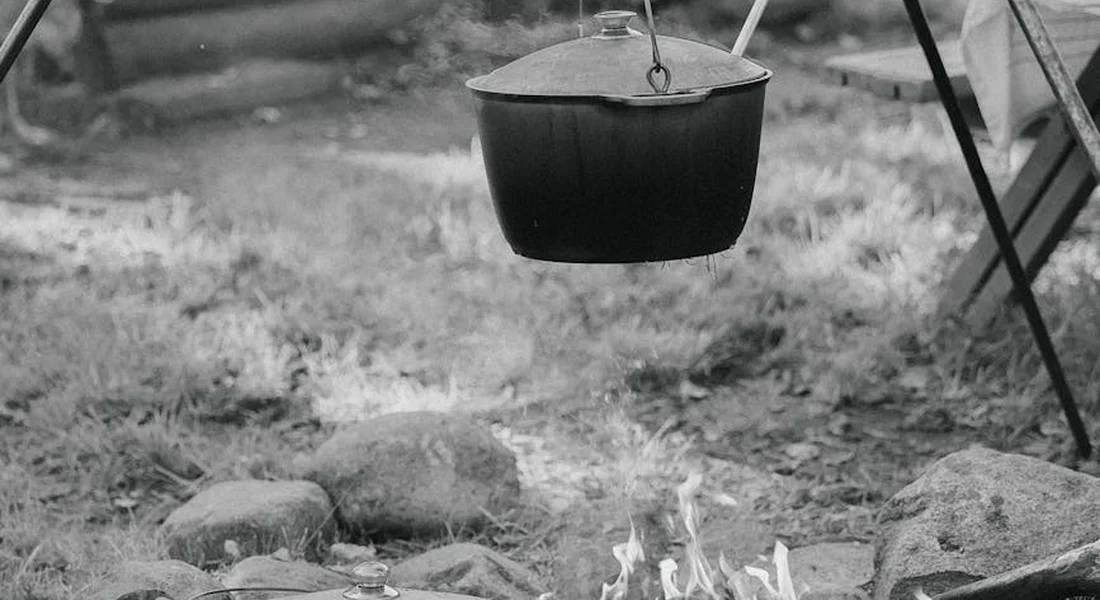
Proper storage is the final step in your cleaning routine. Think of it as putting your skillet to bed safely. It starts the moment you finish drying it on the stovetop.
A completely dry pan is your only goal. Moisture is the enemy of cast iron, and a closed cabinet is where it loves to attack.
Store your skillet in a dry place with some air circulation, like on your stove’s back burner or on an open rack. A humid basement or a stuffy cabinet under the sink invites trouble.
If you need to stack pans, never place another pan or pot directly inside your cast iron. The metal-on-metal contact can trap microscopic moisture and create a perfect spot for rust to start. Place a clean cloth or a paper towel between them as a simple, effective barrier.
The idea of giving your pan a thick oil coat for storage is often overkill. For a skillet you use weekly, that final thin wipe of oil after cleaning is plenty. I only recommend a heavier protective coat for pieces I know I won’t use for several months, like a specialty cornbread pan or a camp oven I’m putting away for the season.
Whether you proudly display your skillet on the wall or tuck it in a cupboard makes little difference to the iron itself. What matters is that the space is dry. My daily driver sits on my stove, while my collection pieces hang on a dry wall.
Common Mistakes and How to Avoid Them
We’ve all made a few. Recognizing these common errors can save you from frustration and keep your seasoning strong.
Letting the pan soak or sit dirty overnight seems harmless, but it gives rust a head start. Cast iron is porous. Extended contact with water allows oxygen to interact with the iron, forming rust. In severe cases, this can even eat into the metal, causing pitting.
Using high, blistering heat to dry your pan can damage the very seasoning you’re trying to protect. Seasoning is a layer of polymerized oil. Extreme heat can burn this layer off, making it brittle and flaky. A medium flame for a few minutes is all you need.
Applying too much oil after cleaning is probably the most frequent mistake. It creates a sticky, gummy layer that never polymerizes. Remember, you are wiping oil *off*, not *on*. The goal is to leave a microscopically thin film.
Storing a slightly damp pan with a lid on is a guaranteed way to find rust. You’ve created a sealed, humid environment. Always ensure your pan is bone-dry and completely cool before covering it. This is especially important for cast iron cookware.
Using power tools or steel wire wheels for routine cleaning is like using sandpaper to polish your glasses. These aggressive tools strip away your hard-earned seasoning and can permanently scratch the cooking surface. Save them for a full, bare-metal restoration project, not for cleaning last night’s dinner.
When Your Skillet Needs More Than a Wash: Spot Treatment
Sometimes, a simple wash isn’t enough. Spot treatment is for fixing small, specific issues like a patch of rust, a sticky spot from too much oil, or a thin area in your seasoning.
For light surface rust, don’t panic. Make a 50/50 solution of white vinegar and water. Scrub the rusty spot with the solution using a brush or scrubbing pad, rinse immediately with water, and dry the pan thoroughly on the stove. Apply a thin layer of oil to the spot once the pan is cool enough to handle. If rust persists, take additional steps to remove rust from your cast iron.
To fix a sticky pan, your skillet has too much oil on it. Place it on a low stovetop burner for about 10-15 minutes. The heat will help liquefy the excess oil. Carefully wipe the entire cooking surface with a clean paper towel. You might need to repeat this once or twice. For a more permanent fix, this is a perfect time for a quick stovetop seasoning cycle.
After cooking acidic foods like tomatoes or wine, a standard wash and dry is almost always sufficient. The brief cooking time with acidic ingredients won’t strip your well-built seasoning, but letting acidic food sit in the pan for hours might. Just clean it after your meal as usual.
People searching for “cast iron skillet cleaning carbon” are often confusing two things. Good seasoning has a dark, carbon-like appearance-that’s what you want to keep. Burnt-on carbon is crusty, flaky, and often raised from the surface. You can remove this bad carbon with a gentle scrub using a chainmail scrubber or a plastic scraper, especially for stubborn burnt and stuck-on food.
Other Options and Cleaning Hacks
Beyond the basics, there are a few popular hacks. Some work well in a pinch, while others are more trouble than they’re worth.
The “coarse salt and potato scrub” uses coarse salt as a gentle abrasive and a halved potato as a scrubber handle. It works okay for light stuck-on food. The downside is it can leave a salty residue in the pan’s pores if not rinsed perfectly, which can promote rust.
Some folks use a baking soda paste. It can help lift stains. My caution is the same: you must rinse it all away completely. Any leftover baking soda will leave a white, alkaline residue on your next cook.
When evaluating any “cast iron skillet cleaning hack,” ask yourself if it’s simpler than hot water and a brush. Many hacks, like using soap-free detergent pods or cola, introduce sugars or other chemicals that can complicate things. The hot water, scrub, dry, and oil method has worked for generations because it’s effective and doesn’t leave mystery residues behind. To keep things simple, explore the best tools and methods for cleaning cast iron skillets. Getting the right tools—like a sturdy brush and proper drying and oiling—helps preserve seasoning while making cleanup faster.
When to Seek Professional Restoration Help
Home care can fix most issues. But there’s a line where calling a professional is the smarter, safer choice for your pan.
You might need a pro if your pan has thick, flaking rust that covers most of it, deep pitting in the metal, a cooking surface completely clogged with decades of carbon buildup, or visible cracks or warping. These are problems that go beyond surface maintenance.
Professional restorers use methods like lye tanks or electrolysis. These processes safely strip a pan back to bare, gray iron without the damage and immense effort of manual grinding or sanding. They can address issues that home vinegar soaks or elbow grease cannot.
If you’re searching for “cast iron skillet cleaning near me” or “cast iron skillet cleaning Houston,” look for specific terms. Search for “cast iron restoration” or “vintage cast iron refinishing.” You want someone who talks about seasoning and stripping, not just cleaning. Check for before-and-after photos of their work. Look for a complete guide on restoring rusty cast iron cookware—covering cleaning, seasoning, and repair in one place. That way you’re seeing the full process, not just surface work.
Here’s the reassuring part. A skillet you clean, dry, and use regularly will likely never need professional restoration. That level of intervention is for neglected heirlooms or flea market finds, not for your trusted daily pan.
Common Questions
Is a coarse salt scrub safe for my seasoning every time?
Yes, it’s a perfectly safe abrasive for occasional stuck-on food. For daily cleaning, hot water and a brush are often sufficient. The goal is to clean effectively with the gentlest method required.
How do I clean off black carbon without damaging the good seasoning underneath?
Focus on texture: scrub any crusty, raised carbon with a chainmail scrubber or plastic scraper. The good seasoning underneath will feel smooth and firm to the touch. Always follow with a complete dry and a light oil rub.
What’s your verdict on cast iron cleaning ‘hacks’ I see online?
Most are solutions in search of a problem. Stick with proven tools: hot water, a brush, and occasional coarse salt. A simple, residue-free routine is always superior to introducing new chemicals or foods into your pan’s pores.
The Last Step in Your Cooking Routine
The single best thing you can do for your cast iron is to wash and dry it thoroughly, right after you’re done eating. This simple, immediate habit prevents rust and builds your seasoning far more than any elaborate monthly treatment. If you’re curious about building that seasoning layer from scratch or handling rust, we have detailed guides on those topics too.
Related Guides and Information
- How To Clean A Cast Iron Pan (Without All The Mystery!) – Once Upon a Chef
- How to Clean a Cast-Iron Skillet | Food Network
- The Most Effective Way to Clean a Cast Iron Skillet (I Tested 5 Methods!) | The Kitchn
- Best way to clean cast iron skillet w/o ruining seasoning? – wikiHow Forums
- How to actually “clean” cast iron without ruining the seasoning – Quora
- The Best Way to Clean Your Cast-Iron Skillet So It Lasts for Decades (It’s So Easy!)
Joseph Gerald
A material science expert by profession, Joseph is also an avid cook. He combines his 10+ years expertise in material science and metallurgy with his passion for cast iron cookware to bring you best hands on advice. His expertise ranges from types of cast iron cookware to best seasoning tips as well as restoration of vintage cast iron utensils. Joe is here to help you solve all your cast iron cookware queries and questions.