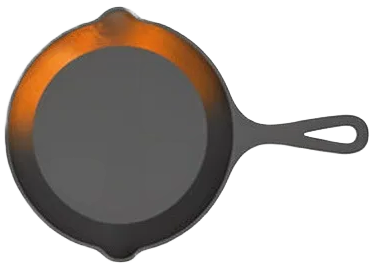
What Is Enameled Cast Iron Good For? A Guide to the Glass-Coated Workhorse
You might wonder if enameled cast iron is right for your kitchen, or if it’s just a pretty version of your favorite seasoned skillet. The truth is, this glass-coated pan is a different kind of kitchen hero, built for tasks where its bare-iron cousin can’t go.
This guide covers what you really need to know. We will look at:
- The best jobs for an enameled pot, from simmering tomato sauce to baking bread.
- Its main benefits and where it falls short compared to traditional cast iron.
- How to use and care for it to keep that glossy finish intact for years.
What Is Enameled Cast Iron Best For?
Think of your enameled Dutch oven or braiser as a champion for wet, slow cooking. The cast iron core heats evenly and holds that heat incredibly well. The glass coating seals everything in.
This combination is perfect for methods where gentle, consistent heat and moisture retention are the goal. It’s my go-to for dishes that need time to develop flavor.
- Braising and Stewing: This is its superpower. The tight-fitting lid traps steam, creating a self-basting environment that turns tough cuts of meat into something tender.
- Simmering Soups and Stocks: The enamel surface won’t react with acidic ingredients like tomatoes, wine, or vinegar, so you can simmer a bolognese for hours without a metallic taste.
- Baking Bread: The preheated pot creates a burst of steam, giving artisan bread a fantastic, crackly crust. The enamel makes cleanup from the flour much easier than a bare iron pot.
- Low-and-Slow Simmering: Ideal for beans, chili, or pot roasts where you want flavors to meld over a long period without watching a burner closely.
It is not the right tool for searing a steak at rocket-hot temperatures or for achieving a slick, non-stick surface for eggs. That’s what your well-seasoned bare cast iron skillet is for, especially when following a temperature guide to cook the perfect steak.
The Main Benefits: Why Choose Enameled?
Enameled cast iron solves some common headaches associated with traditional bare cast iron, but it also comes with its own rulebook. The benefits are significant if they match your cooking style. Understanding the differences can help you make an informed decision.
1. It’s Completely Non-Reactive
This is the biggest practical difference. You can cook a highly acidic tomato sauce for hours without worrying about it stripping your seasoning or tasting like metal. I use my red Dutch oven almost exclusively for long-simmered pasta sauces and fruit compotes for this reason.
2. There’s Zero Seasoning Required
You never need to build up a polymerized oil layer. The glass coating is the final, permanent finish. This is a major relief for many home cooks who find seasoning maintenance to be a chore. Your care routine shifts completely from building a layer to simply preserving the one that’s already there.
3. Easier Initial Cleaning and Maintenance
While not non-stick, the slick glass surface is often easier to clean after cooking wet dishes than a sticky, newly seasoned bare pan. You can use soap without a second thought. Stuck-on food typically soaks off more easily from glass than it does from a matte seasoning layer.
4. Durability and Color
The fused glass coating is incredibly hard and durable under normal use. It also comes in colors, which is purely an aesthetic benefit. That bright blue pot can go straight from the oven to your dinner table.
How to Use It Correctly (The Care Difference)
Using enameled iron correctly means protecting that glass coating. The rules are simple but non-negotiable if you want your pot to last for decades.
Heat: Start Low, Stay Medium
Always start on low to medium heat and let the pan warm up gradually. Cranking the heat to high on an empty pan can cause thermal shock, potentially leading to cracks or crazing (a network of tiny cracks) in the enamel.
For stovetop cooking, medium heat is almost always sufficient because cast iron retains heat so efficiently. For oven cooking, it’s safe up to very high temperatures (often 500°F / 260°C), but always check your manufacturer’s guidelines.
The Tool Rule: No Metal
This is critical. Always use wooden, silicone, or nylon utensils. Metal spatulas or whisks can chip or scratch the glass surface. Even a small chip can expose the iron underneath to rust.
It’s Not Non-Stick
Manage your expectations. You will often need a modest amount of oil or butter to prevent sticking, especially with proteins like chicken or fish. Don’t expect food to slide around like on a well-seasoned skillet or a Teflon pan.
Handling Stuck-On Food
If food gets stuck, don’t reach for a metal scraper. Let the pot soak with warm, soapy water. For stubborn bits, try boiling a little water in the pot for a few minutes to loosen them. A non-abrasive scrubber like a Dobie Pad or a paste of baking soda and water works wonders.
Enameled vs. Bare Cast Iron: Which One Should You Use?
Let’s settle the debate. Enameled cast iron is not “better” than bare cast iron, and a bare cast iron Dutch oven isn’t automatically superior to an enameled one. The right choice depends entirely on how you cook and how much maintenance you’re willing to do. Think of them as specialized tools, not rivals.
Here’s a direct comparison to show you their core differences.
| Feature | Bare Cast Iron | Enameled Cast Iron |
|---|---|---|
| Seasoning | Requires building and maintaining a polymerized oil layer. | None needed. The glass coating is permanent. |
| Acidic Foods | Can react with and damage seasoning if cooked for long periods. | Perfectly safe. The enamel is completely non-reactive. |
| Sticking | Naturally non-stick when well-seasoned, excels at searing. | Can stick more, especially with proteins. It’s a radiant cooking surface. |
| Maintenance | Needs drying and occasional oiling to prevent rust. | Easy clean-up, but enamel can chip if abused. |
| Best For | Searing, frying, baking cornbread, building a personal patina. | Braising, simmering soups, cooking with wine or tomatoes. |
My rule of thumb is simple. Reach for your enameled pot for long, wet cooks with acidic ingredients, like braising and making soups. Grab your bare iron skillet or Dutch oven when you need a powerful sear, perfect frying heat, or want that classic baked-on non-stick surface.
Are Enameled Cast Iron Skillets Good?
An enameled skillet is a specific tool for specific jobs. It’s excellent for delicate tasks where a bare skillet’s seasoning might be too aggressive. I love mine for making pan sauces, cooking fish fillets that might flake apart, or gently frying eggs without worrying about my seasoning layer. It also makes a beautiful serving dish straight from oven to table.
But for the classic cast iron experience, a bare skillet wins. A well-seasoned bare iron skillet will give you a superior crust on a steak and, over years, develops a slicker, more personal cooking surface. The enameled version can’t achieve that same level of sear, as high heat risks damaging the glass coating. For those aiming to cook a perfect steak, a complete guide to temperatures, times, and techniques can help you dial in the exact sear you want.
Are Enamel Dutch Ovens Better Than Cast Iron?
This comes down to your personality in the kitchen. An enameled Dutch oven is better if you want a “no-fuss” workhorse for wet cooking. You’ll prefer it if you hate seasoning upkeep, cook tomato-based sauces weekly, or just want a pop of color on your stove.
A bare cast iron Dutch oven is better if you see it as a lifelong project and a supremely versatile tool. You’ll prefer it if you want to sear a roast directly in the pot before braising, appreciate developing a glass-smooth cooking surface over decades, or are working with a tighter budget. My main Dutch oven is bare iron because I use it for everything from deep-frying to baking bread.
The Best Uses for Enameled Cast Iron Cookware
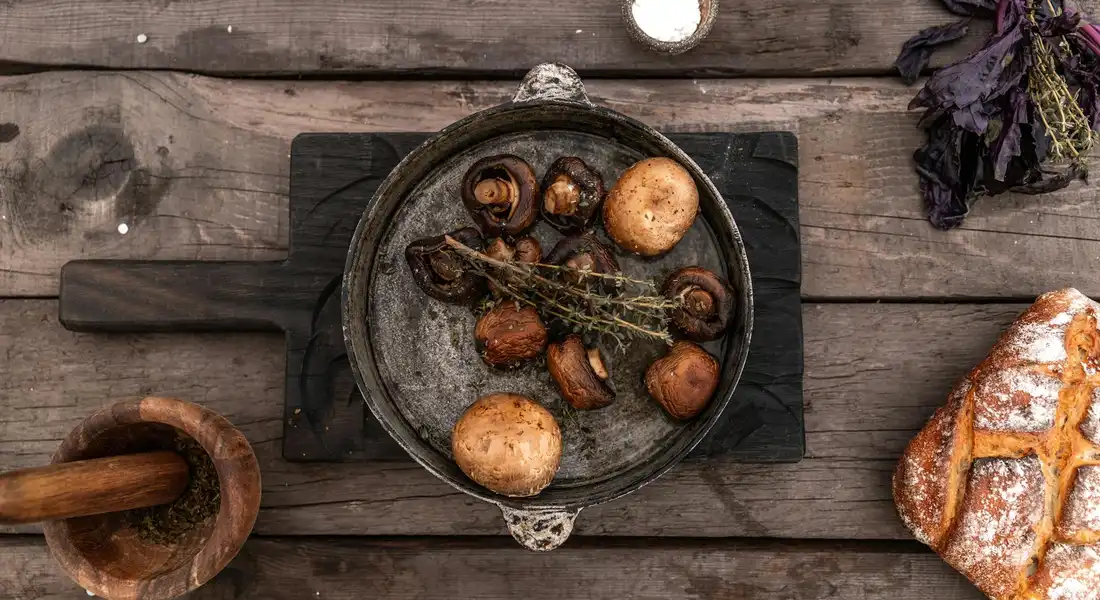
Enameled cast iron shines where its two superpowers meet: incredible, even heat retention and a completely non-reactive surface. This makes it the champion of low-and-slow, moist-heat cooking where flavors meld for hours.
It’s perfect for:
- Braising Meats: The tight lid seals in moisture while the radiant heat breaks down tough cuts into tenderness.
- Simmering Soups and Stews: It heats evenly without hot spots, preventing scorching during long cooks.
- Baking No-Knead Bread: The preheated pot creates a steamy environment for a fantastic crust, and the enamel makes cleanup from flour pastes simple.
- Cooking Acidic Dishes: This is its biggest win. You can simmer tomato sauce, chili, or coq au vin for hours without a metallic taste or damaging the pot.
- Making Rice and Grains: The even heat and sealed lid create perfect steam for pilafs and perfectly cooked grains.
These tasks are why enameled pieces like Dutch ovens, braisers (a wide, shallow Dutch oven), and covered saucepans are so popular. They’re designed for the jobs where enamel excels.
What Not to Do With an Enameled Pan
Think of the enamel coating as a tough but thin layer of glass fused to the iron. It’s incredibly durable for cooking, but it has a few specific enemies. Avoiding these actions will keep your pan looking new for years.
Using high heat is the fastest way to damage your enamel, either by burning food onto the surface or creating thermal stress that can lead to hairline cracks. Enameled iron excels at medium, even heat, not the blast-furnace searing heat you might use with bare cast iron.
I keep my stovetop dial at medium or lower when using my enameled Dutch oven. You can still get a beautiful sear on a roast or chicken thighs without cranking the heat to high.
Avoid These Five Things
- Metal Utensils: Use wood, silicone, or nylon. A metal spatula will scratch the glossy surface, creating dull marks where food is more likely to stick in the future.
- Thermal Shock: Never take a hot pan and run it under cold water or put it in a sink of cold water. The sudden temperature change can cause the enamel or even the iron to crack. Let it cool down first.
- Abrasive Cleaners & Scrubbers: Steel wool, harsh scouring powders, and even some rough-sided sponges will scratch the finish. Stick to soft sponges, brushes, and mild dish soap.
- Dry Heating: Unlike seasoned cast iron, you should not heat an enameled pan empty for long periods. Always have some fat, food, or liquid in it to protect the surface from direct, intense heat.
- The Dishwasher: While some manufacturers say it’s okay, the harsh detergent and high heat can dull the enamel’s shine over many cycles. Hand washing is gentler and preserves the finish.
Remember, enamel is tough but not indestructible. Small chips on the cooking surface or the exterior rim can happen, often from a knock against the sink or another pan.
How to Care For and Clean Your Enameled Cast Iron
Cleaning enameled cast iron is simpler than caring for traditional cast iron because there’s no seasoning to protect. Porcelain-coated cookware cleans up easily and resists sticking. The routine is straightforward and gentle.
The Everyday Clean
For most meals, a simple wash with warm, soapy water and a soft sponge is all you need. Let the pan cool slightly after cooking so you can handle it safely, but don’t let food dry and cement itself on.
- Fill the warm pan with a few inches of warm water and let it sit for 10-15 minutes. This loosens any stuck bits.
- Use a mild dish soap and a non-abrasive sponge or brush to gently clean the interior and exterior. The smooth surface should wipe clean easily.
- Rinse thoroughly with warm water.
- Dry it completely with a towel. I then let it air-dry on the rack for a few minutes to be sure no moisture is hiding under the rim or handle.
Handling Stuck-On Food
If you’ve had a simmering sauce burn on the bottom, don’t reach for the steel wool. You have two gentle, effective options.
For a mild layer, make a paste of baking soda and a little water, spread it over the area, let it sit for 15 minutes, then gently scrub with your soft sponge. The baking soda acts as a mild, non-scratching abrasive.
For tougher messes, put the pan back on the stove. Add an inch or two of water and bring it to a gentle simmer for a few minutes. Use a wooden spatula to help loosen the bits as the hot water works. Let it cool, then wash as normal.
Storing Your Pan
Always ensure your pan is completely dry before putting it away to prevent any musty odors. If storing with the lid on, leave it slightly ajar or place a paper towel between the pot and lid to allow air circulation and prevent moisture buildup.
If You Get a Chip
A small chip on the exterior rim is usually just a cosmetic issue. You can gently smooth any sharp edges with fine-grit sandpaper.
If a chip exposes the dark gray or black iron base on the cooking surface, the spot can rust and may be more prone to further chipping. You can’t season it like bare iron, but you can keep it dry and monitor it. Many people continue to use pans with small interior chips for years without issue, just being a little more diligent about drying that spot. A larger chip or crack on the cooking surface means it’s time to retire the pot from cooking duty.
Common Questions
What’s the best way to remove stubborn stains or discoloration from the white interior?
A baking soda paste is your first line of defense. Apply it, let it sit for an hour, then gently scrub with a soft sponge or brush. For persistent stains, a dilute bleach solution (1 part bleach to 10 parts water) left for 30 minutes will safely lift them without harming the enamel.
Can I store my enameled pot with the lid on?
Yes, but never seal it tight while the interior is damp. Always ensure the pot and lid are completely bone-dry first. To be safe, I store mine with a paper towel or cloth between the pot and lid to guarantee air circulation and prevent moisture trapping.
Is it ever okay to use metal utensils on enameled cast iron?
No. This rule has no exceptions. Metal will microscopically scratch the glass surface, creating dull spots where food sticks more readily. Use wood, silicone, or high-quality nylon exclusively to preserve the smooth cooking surface for a lifetime.
Mastering Enameled Cast Iron Care
Your single most important habit is to avoid thermal shock by never placing a hot enameled pot in cold water or a cold pan on high heat. For daily cleaning, use only gentle tools like soft sponges and mild soap to preserve the glass-like surface. I often discuss how this care differs from seasoning bare iron in other articles on the site.
Research and Related Sources
- Enameled Cast Iron Vs Cast Iron. Which is better?
- Enameled Cast Iron vs. Cast Iron Cookware: 6 Key Differences | Caraway
- What’s The Difference Between Enameled And Regular Cast Iron Cookware? – Chatelaine
- r/castiron on Reddit: What’s the Point of Enameled Cast Iron?
- Enameled Cast Iron – Lodge Cast Iron
- 10 Pros and Cons of Enameled Cast Iron – Made In
Joseph Gerald
A material science expert by profession, Joseph is also an avid cook. He combines his 10+ years expertise in material science and metallurgy with his passion for cast iron cookware to bring you best hands on advice. His expertise ranges from types of cast iron cookware to best seasoning tips as well as restoration of vintage cast iron utensils. Joe is here to help you solve all your cast iron cookware queries and questions.