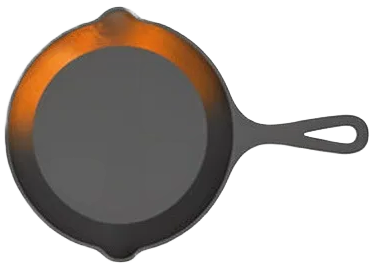
Is Your Stovetop Safe for Cast Iron?
You just spent an afternoon building up a beautiful seasoning layer, only to wonder if your kitchen’s heat source might ruin it. I can tell you from experience that using the wrong stove won’t just risk your pan’s finish it can make cooking a frustrating chore.
This guide will walk you through the practical details, so you can cook with confidence. Here’s what I’ll cover based on my own workshop tests and kitchen use:
- Why cast iron works on gas, electric, and induction stoves, but each requires a different approach.
- How to prevent thermal shock and warping, the two biggest threats from high heat.
- The simple trick to using cast iron on glass-top electric ranges without scratches.
- What you need to know about taking your skillet outdoors to grills or campfires.
Quick Snapshot: Cast Iron Stovetop Compatibility
Your cast iron skillet is a kitchen workhorse, but it pays to know how it gets along with your specific stove. This table gives you the quick facts.
All common cast iron is completely safe for use in your oven or under the broiler, which is one of its greatest strengths. For pieces with special handles made of wood or plastic, always check the manufacturer’s instructions, as those materials have temperature limits the iron itself does not. For best results, follow cast iron oven safety temperatures and other best practices. A linked guide on these guidelines will appear in the next steps.
Key Takeaways Before You Start Cooking
Here’s the simple truth: cast iron works on nearly every stovetop you’ll find in a home kitchen. The real difference isn’t *if* it works, but *how* you should use it to protect your pan, your seasoning, and your stove.
No matter your heat source, these three rules are non-negotiable.
- Always preheat slowly. Put your pan on a low to medium-low heat for 3-5 minutes before turning it up. Rushing this stresses the iron and can cause thin or new seasoning to flake.
- Avoid thermal shock at all costs. Never take a blazing hot pan and run it under cold water or place it in a sink. Let it cool down on the stove first. Sudden temperature changes can crack the iron.
- Match your pan size to your burner size. If you use a small burner under a large skillet, the center gets scorching hot while the edges stay cool. This leads to uneven cooking and can warp the pan over time.
Remember, the main risk is rarely to the pan itself. A quality cast iron piece is incredibly tough. The caution is for your stovetop’s surface or your hard-earned seasoning layer. Scratching a glass cooktop or burning off seasoning by overheating are common frustrations that are completely avoidable with the right technique. This is especially important when using cast iron on glass top stoves.
Heat Source Deep Dive: How to Use Cast Iron on Every Stove
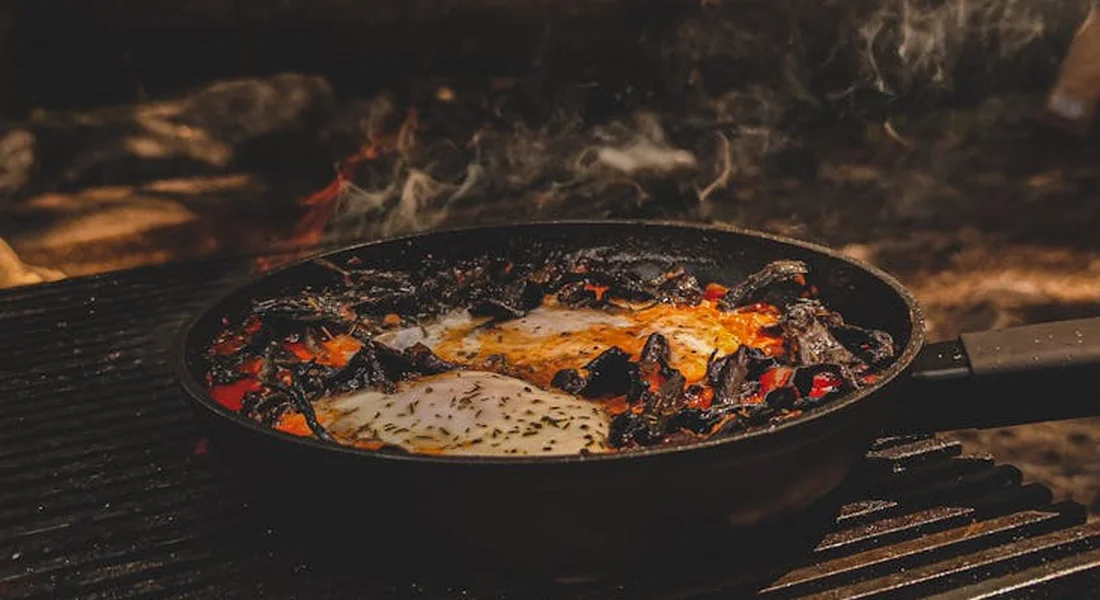
This is your daily-use guide. The right technique changes with your heat source, but cast iron is versatile enough for them all. It’s a great option for any kitchen.
Can You Use Cast Iron on a Gas Stove? (The Classic Partner)
Absolutely. My daily driver skillet lives on a gas range. It’s a perfect match.
The visible flame gives you immediate, intuitive control. You can see exactly where the heat is and adjust it instantly. This makes for wonderfully even preheating.
The key technique is to start low and increase the heat slowly, giving the thick iron time to warm up evenly. I place my pan over a low flame for a solid 3-5 minutes before I even think about turning it up. To test if it’s ready, add a few drops of water or a tiny bit of oil. When the oil develops a light, shimmering look without smoking, you’re at a good medium heat for cooking.
Can Cast Iron Go on an Induction Cooktop? (The Powerful Modern)
Yes, and it works brilliantly because of simple science. The iron in your pan is magnetic, which is what the induction cooktop needs to create heat directly in the pan itself.
The main caution is power. Induction heats incredibly fast. You must start on a much lower setting than you’re used to, or you’ll overheat the center and risk damaging your seasoning. I use a setting between 3 and 5 out of 10 for preheating.
Also, check the bottom of your pan. A smooth, un-warped bottom is best to prevent scratching the glass cooktop surface. Always lift the pan to move it, never slide.
Can You Put a Cast Iron Skillet on an Electric Coil Stove?
You can. Cast iron and electric coils are fully compatible.
The challenge is the heat itself. Electric coils are slower to heat up and cool down. This less responsive heat requires more patience.
Give the pan extra time to preheat over a medium setting to allow the heat to spread laterally from the coils. During long cooking sessions, like searing multiple steaks, I gently shift the pan a quarter-turn every few minutes. This small movement helps combat the hot spots that can form directly over the glowing coil.
Can Cast Iron Be Used on Glass or Ceramic Stovetops?
You can, but you must be cautious. The primary concern is protecting your stovetop’s surface from scratches.
Always lift the pan to reposition it. Sliding is the surest way to leave a mark. Ensure the pan bottom is clean and dry to prevent grit from acting like sandpaper.
The secondary issue is heat focus. These tops can concentrate intense heat on the very bottom of the pan. Use low to medium heat and preheat even more slowly than you would on induction to avoid thermal stress.
As for a cast iron teapot or kettle with a small base, I would be cautious. The narrow footprint can be a tipping hazard on a smooth glass surface, and the focused heat might be too intense for just boiling water.
Understanding the Risks to Your Pan and Your Stove
Knowing what can go wrong is the best way to prevent it. Let’s talk about the real risks.
The Real Danger of Thermal Shock
Thermal shock is a sudden, extreme temperature change. Cast iron is tough but brittle. Rapid expansion or contraction can cause it to crack, especially in older, thinner, or flawed pieces.
The most common mistakes are dramatic:
- Taking a red-hot pan and placing it directly into a sink full of water.
- Adding a large amount of cold broth or wine to a screaming-hot pan to deglaze it. (A proper technique uses the liquid’s instant steam to lift fond, but dumping in ice-cold liquid is risky.)
Always let your pan cool down gradually on the stove or a trivet before washing, and add deglazing liquids in a steady, deliberate stream, not a sudden splash.
How Different Stoves Cause Uneven Heating
Every stove creates hot spots. A small gas flame or a concentrated induction ring heats the very center of a large skillet first. An electric coil creates a ring of intense heat.
This doesn’t typically damage the pan. Instead, it leads to cooking issues like sticking in the center while the edges are undercooked. The solution is always a longer, gentler preheat and occasionally moving or rotating the pan during cooking. This gives the heat time to spread evenly through the iron’s mass.
Can High Heat Damage Your Seasoning?
This is a common worry. The iron can handle very high heat, but your seasoning layer has limits.
Seasoning is a thin layer of polymerized oil. If you crank your burner to its highest setting and leave an empty pan, that layer can burn off or turn into a sticky carbon residue. I’ve done this by accident, and it leaves a patch that feels rough and gummy.
For stovetop cooking, it’s wise to keep the temperature below the smoke point of the oil you used to season with. This protects your hard-earned non-stick surface. Save the extreme high heat for broiling in the oven, where the heat comes from all sides, not just a focused burner below.
Special Cases: Teapots, Griddles, and Outdoor Heat
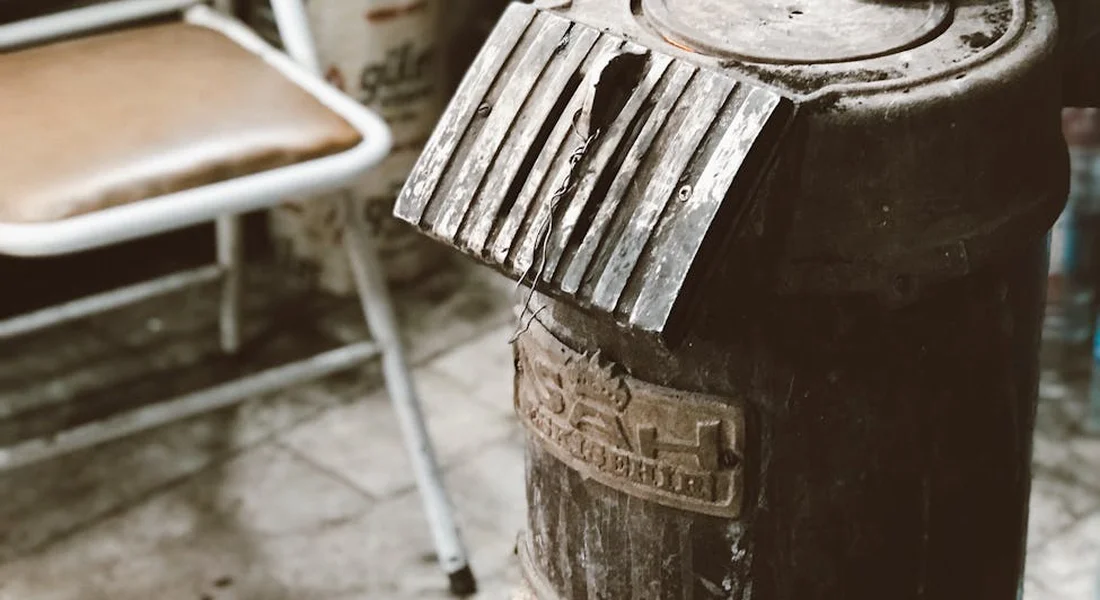
Not every piece of cast iron is a standard skillet or Dutch oven. Specialized items like teapots and griddles, along with the intense heat of outdoor cooking, require their own considerations.
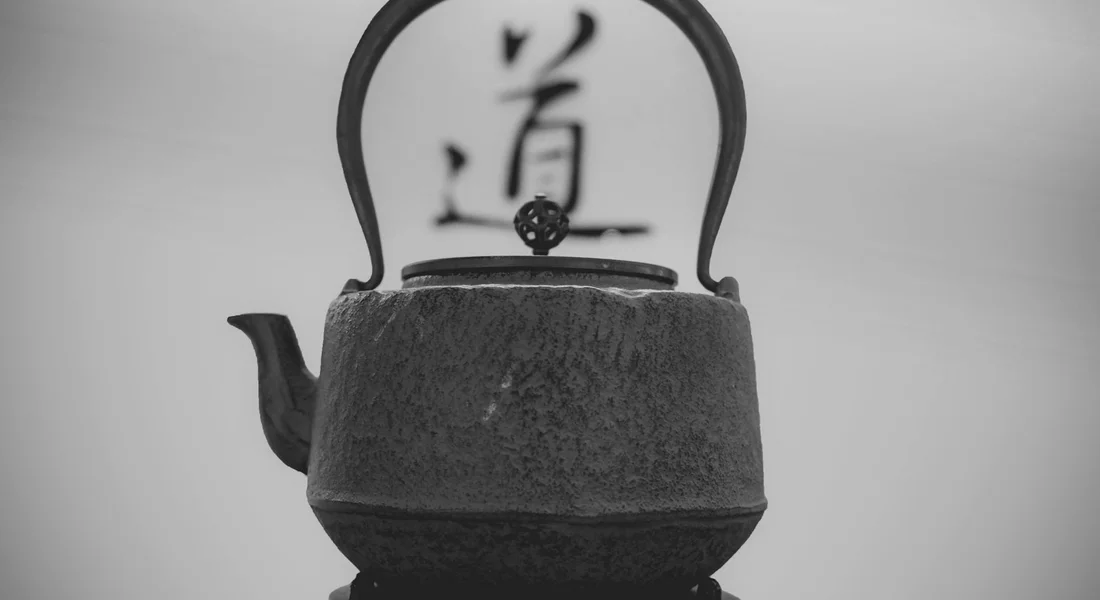
Can a Cast Iron Teapot Go on the Stove?
My firm answer is maybe, but you must check the manufacturer’s instructions first. This is a safety issue, not just a preference.
Many beautiful cast iron teapots, especially those with intricate enamel designs, are intended for serving only. They are not built to withstand direct stovetop heat. The seams where the spout and handle attach might be sealed with a material that can melt or crack, and enamel can shatter from thermal shock. I learned this the hard way with a decorative pot that developed a hairline crack after one misguided attempt on a gas flame.
The safest method is to use a separate kettle, like stainless steel, to boil your water and then pour it into your cast iron teapot for steeping and serving. This protects your investment and, more importantly, prevents accidents.
Using Cast Iron on Outdoor Grills, Campfires, and Grates
Cast iron thrives outdoors. Its ability to hold and distribute high, uneven heat makes it perfect for grilling and campfire cooking.
The key is stability. Always place your pan on a solid grill grate or a leveled bed of hot coals, never directly on unstable logs. I keep a dedicated “campfire skillet” in my gear because its bottom gets character, to put it nicely. That character is soot and ash buildup, which is completely normal.
This black residue is only cosmetic, but you should give the exterior a thorough scrub with soap and water before bringing the pan back inside to avoid a mess. The cooking surface itself gets the same gentle care as always.
Your Heat-Source Specific Care Routine
How you care for your pan after cooking is mostly universal, but your heat source can suggest a few extra steps to keep everything in top shape.
Post-Cooking Care for Any Stovetop
No matter what you cooked on, the cleaning ritual is consistent. Let the pan cool slightly, then scrub it with warm water and a brush or mild soap. Dry it completely with a towel. I always follow this by placing it on a warm burner for a minute to evaporate any last moisture. Finish with the tiniest wipe of oil on the cooking surface. For a complete post-use cleaning guide for cast iron, check the next steps.
This simple routine, done while the pan is still warm, is the single best thing you can do to maintain your seasoning and prevent rust.
Extra Care for Glass and Induction Tops
Smooth-top stoves demand a little more attention to the bottom of your pan. Before setting it down, run your fingers over the base. Feel for any rough spots, raised casting flaws, or crusty carbon deposits.
If you find a rough patch, you can gently smooth it with fine sandpaper. This prevents scratches on your glass cooktop. Always make sure both the pan bottom and the stovetop surface are clean and dry. A single grain of salt or grit can act like sandpaper under the weight of the iron.
Taking a moment to inspect the pan’s bottom protects your expensive stovetop from micro-scratches and ensures good contact for induction models.
Managing Heat Discoloration and Bottom Residue
If you use gas, you’ve likely seen rainbow-colored patterns (heat tints) or a layer of baked-on carbon on the underside of your pan. This is perfectly normal. It’s just the metal and seasoning reacting to the direct flames.
This discoloration does nothing to your cooking performance. It’s a sign of a well-used pan. If you prefer a cleaner look for aesthetic reasons, you can scrub the exterior with a paste of coarse salt and water or a dedicated cast iron cleaner. I rarely bother with my daily drivers, but I’ll clean it up on a piece I’m restoring to sell.
Heat tints and a sooty bottom are badges of honor from your gas flame or campfire, and they don’t need to be removed for your pan to work perfectly.
Common Questions
Is your cookware safe for use in ovens or broilers?
Yes, bare cast iron is safe for any oven temperature, including the broiler. This is one of its greatest strengths for finishing dishes or baking bread. Under the broiler, keep the skillet a safe distance from the flame and monitor closely. Following broiler safety best practices helps protect both you and the pan. Always check handles on specialty pieces, as wood or plastic will have their own lower limits.
What is the maximum temperature your cookware can withstand?
The iron itself can withstand extreme heat well beyond any home cooking need. Your seasoning, however, is the limiting factor. To protect it, avoid exceeding the smoke point of your seasoning oil during stovetop use, where heat is intensely focused.
Are there any specific care instructions for different heat sources?
The core cleaning ritual is universal, but your heat source dictates your preheat strategy. Always preheat slowly, especially on induction or glass tops. For smooth stovetops, keep the pan’s bottom clean and smooth to prevent scratches, and always lift-never slide.
Final Thoughts on Heat and Cast Iron Care
The single best thing you can do for your cast iron is to always preheat it slowly and evenly, regardless of your stove type. This patience rewards you with a durable, non-stick surface and protects the pan from stress cracks over decades of use. If you’re looking to deepen your care routine, I often write about restoring vintage pieces and fixing common seasoning mistakes on the site.
Related Guides and Information
- Virginia Tech food scientist dispels the myths behind cast iron pan use | Virginia Tech News | Virginia Tech
- What are the safety concerns around cooking with a cast-iron pan on an electric stove? How can you tell if the pan has been damaged and is releasing harmful chemicals into the food? – Quora
- Is Enameled Cast Iron Safe? What To Know | Caraway
- Can You Put Cast Iron on a Glass-Top Stove or Cooktop? | Maytag
Joseph Gerald
A material science expert by profession, Joseph is also an avid cook. He combines his 10+ years expertise in material science and metallurgy with his passion for cast iron cookware to bring you best hands on advice. His expertise ranges from types of cast iron cookware to best seasoning tips as well as restoration of vintage cast iron utensils. Joe is here to help you solve all your cast iron cookware queries and questions.