How Do You Cook Eggs in Cast Iron Without Sticking?
I know that nagging worry when you think about sliding an egg into your skillet-will it release cleanly, or will you spend the morning scrubbing? You can absolutely cook perfect, non-stick eggs in your cast iron with just a bit of know-how and the right technique.
This guide is about method, not recipes, giving you the tools to master the pan you’ve worked so hard to season. I’ll cover the practical steps I use with my own skillets every week:
- The critical role of temperature control and how to find your pan’s sweet spot.
- Why your choice of fat matters just as much as a good seasoning layer.
- My straightforward method for scrambled eggs that stay tender and never grab the surface.
- How to clean up afterward to keep your seasoning strong for next time.
Is Cast Iron Actually Good for Cooking Eggs?
Are cast iron pans good for eggs? The short answer is yes, but with a very important condition. A well-maintained cast iron skillet is fantastic for eggs. It provides even, steady heat that gives you those perfect crispy edges on a fried egg. The problem of sticking has nothing to do with the egg itself and everything to do with the skillet’s surface temperature and seasoning.
Think of your pan’s seasoning like a well-worn leather jacket. When it’s broken in, it’s smooth and protective. If it’s thin or patchy, it’s not going to perform well. Sticking happens when the pan isn’t hot enough or the microscopic pores in the iron aren’t properly sealed by fat. Your success depends entirely on the condition of your skillet and your preparation, not on the food you’re cooking.
How to Prepare Your Skillet Before the First Egg Hits the Pan
This step is non-negotiable. Skipping it is the number one reason eggs stick. You are not just warming the pan, you are preparing its surface to release food.
The science is simple. When you heat oil in a properly preheated pan, it undergoes a process called polymerization. It bonds to the iron, creating a slick, temporary non-stick layer for that cooking session. This layer is what gives you a clean release.
Here is your visual, step-by-step guide to testing pan readiness:
- Place your clean, dry skillet on a burner set to low or medium-low heat.
- Let it warm up gradually for a full 3 to 5 minutes. You should just start to feel heat radiating from the sides.
- Add your chosen fat (butter, oil) and let it warm up for 30 seconds.
- Flick a few droplets of water into the pan. This is the “water bead” test.
- If the water sizzles and evaporates instantly, the pan is too cold.
- If the water droplets dance, skitter, and bead up like tiny marbles, your pan is perfectly preheated and ready for eggs.
Mastering the water bead test is the single most useful skill for cooking delicate foods like eggs in cast iron.
The Right Way to Preheat for Eggs
You must heat your pan low and slow. Cranking the burner to high will create intense hot spots. The iron directly over the flame gets searing hot while the outer edges remain cooler. Your egg will instantly weld itself to those hot spots.
I treat it like preheating my oven for a delicate cake. I wouldn’t blast it at 500 degrees. I set it to the right temperature and give it time to come to an even heat all over. Low heat for a longer time ensures the entire cooking surface reaches a consistent, ideal temperature for eggs. For my daily driver 10-inch skillet, I start on the low setting for 4 minutes before I even think about adding fat.
Choosing Your Fat: What Works Best?
What kind of oil is best for frying eggs in cast iron? The best fat is one that balances a good smoke point with easy handling. You’re creating that initial release layer, so performance is key. Olive oil is a popular choice for cast iron because of its flavor and stability. Choosing the right oil goes hand in hand with proper maintenance of the pan.
Butter has a low smoke point and can burn during preheating, which can leave residue. It’s delicious, but for pure non-stick performance, a neutral oil is more reliable. Refined avocado oil or grapeseed oil have very high smoke points and are excellent choices. Everyday vegetable or canola oil works perfectly well too.
Bacon grease is a classic favorite. It has a moderately high smoke point and adds flavor, but it can sometimes contain tiny food particles. If you use it, make sure it’s strained and clean. For a guaranteed slick surface every time, a neutral, high-smoke point oil is your most dependable tool.
Why Do Eggs Stick to Cast Iron? (And How to Stop It)
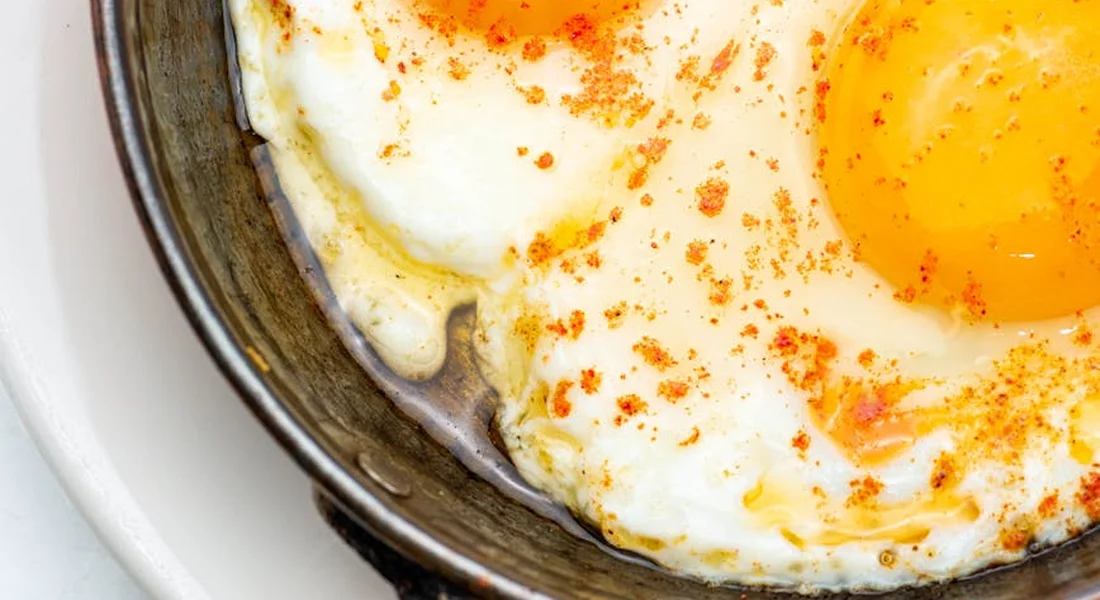
If your cast iron eggs keep sticking, it’s almost never the pan’s fault. Eggs are a perfect test of your technique and your pan’s condition. Let’s break down the usual suspects and, more importantly, the fixes that live squarely in the realm of proper maintenance for cast iron cookware.
A Cold Pan
This is the number one mistake. Cast iron heats slower than aluminum or stainless steel. Tossing an egg onto a cold, or even a lukewarm, surface is an invitation for it to weld itself there.
The fix is to master your pan’s preheating routine: place it over low to medium-low heat for a solid 3 to 5 minutes before adding any fat. I test mine by flicking a few drops of water onto the surface; they should skitter and evaporate quickly, not just sit and sizzle.
Insufficient Fat
Even a beautifully seasoned pan isn’t non-stick in the modern Teflon sense. The seasoning provides a semi-nonstick base, but you still need a lubricant. A miserly amount of butter or oil won’t create the necessary barrier.
Use enough fat to generously coat the entire cooking surface; for a couple of eggs, that’s about a tablespoon of butter or a couple of teaspoons of a neutral oil. The fat also helps conduct heat evenly to the delicate egg proteins.
Thin or Damaged Seasoning
This is a core maintenance issue. If your cast iron eggs are sticking right after seasoning, the new polymerized layer is likely too thin or uneven. A single coat is fragile. Scraping with metal tools or simmering acidic foods can also microscopically damage the surface, creating tiny points for food to grab.
The fix is to build a more robust base through a dedicated round of oven seasoning. Don’t just rely on stovetop cooking. Give the pan 2-3 thin, baked-on layers of oil. This creates a smoother, more durable foundation that eggs can’t cling to.
Overheating the Pan
Too much heat is just as bad as too little. Extreme heat can burn and carbonize your existing seasoning, making it sticky and rough. It also instantly seizes egg proteins, gluing them to the metal.
Cast iron excels at retaining heat, so you rarely need to go above medium on your burner dial. That heat retention shapes how you cook, giving you a forgiving surface as you learn temps. Knowing how heat lingers helps you time your eggs more consistently. If you see smoke rising from your oil before the eggs go in, the pan is way too hot. Let it cool down and restart with a gentler, more patient heat.
The Essential Clean-Up Method After Cooking Eggs
Your work isn’t done when the eggs slide onto the plate. Maintenance starts the moment you turn off the heat. I treat my skillet like a hot engine that needs immediate attention after a hard run.
Egg residue is different from, say, seared steak fat. The proteins in egg whites bond strongly to the pan’s surface as they cool. Left to sit, they glue themselves on, making cleanup a fight. More than that, eggs are slightly acidic. Letting that acidity sit on your polymerized oil seasoning for an hour is an invitation for it to break down that hard-earned layer.
Wash your skillet while it’s still warm, not piping hot, for the easiest and most effective clean.
Dealing with Stuck-On Egg or Scrambled Bits
Even with perfect technique, a little scrambled egg might stick. Don’t panic and don’t grab the steel wool. Abrasive scouring is a last resort that strips away seasoning and creates rough spots for food to grab onto next time.
Here is my gentle, workshop-tested method for lifting stubborn bits without harming the patina.
- Let the pan cool just enough to handle safely, then add an inch of hot tap water.
- Sprinkle in a generous tablespoon of coarse kosher salt. The salt acts as a mild abrasive.
- Use a chainmail scrubber or a stiff nylon brush to gently scrub the surface. The chainmail is fantastic because it knocks off food without cutting into the seasoning.
- For a really tough spot, you can simmer that salted water in the pan for a minute to loosen the bond, then scrub again.
- Rinse thoroughly and inspect. If anything remains, repeat. It should come clean.
This salt scrub method solves 99% of sticking problems and actually burnishes the seasoning, making it smoother for next time. If you’re fighting the same spot for more than a minute, the issue isn’t the cleaning, it’s that your seasoning needs building up. That’s a job for the oven, not the scrubber.
The Final Dry and Protect Step
This step is non-negotiable for all cast iron care, but it’s critical after cooking eggs. You’ve just cooked a food that tests your seasoning. Now you must reinforce your defenses.
First, dry the pan completely. Towel drying leaves microscopic water in the pores of the iron. Place the clean skillet on a burner over low to medium heat for 2-3 minutes. You want to see all moisture evaporate and the pan become uniformly warm to the touch.
Next, apply your protective oil. With the pan still warm (not hot), put a few drops of your seasoning oil (like flaxseed, grapeseed, or Crisco) on a paper towel.
Wipe the entire interior surface. Then, take a fresh, clean paper towel and wipe it all out again. Your goal is to remove every visible trace of oil.
You are not oiling the pan, you are filling its microscopic pores with a layer of oil molecules a single atom thick. If the pan looks or feels greasy, you used too much and it will get sticky.
Let the pan cool on the stovetop. This micro-coat will polymerize from the residual heat and create the foundation for your next cooking layer. Doing this every time, especially after eggs, is what builds that legendary, slick black patina that makes cooking effortless.
What Helped Me: My Egg-Skillet Break-In Process
My 10-inch skillet was my most frustrating pan for years. Eggs would weld themselves to the surface, no matter how much butter I used. I finally stopped treating it like my workhorse skillet for searing steak and frying potatoes. I gave it three extra rounds of oven seasoning before I ever attempted another egg, and now it’s my slickest, most reliable pan.
The lesson was clear: eggs are the ultimate test of your pan’s seasoning, and they often need a more dedicated surface to perform well.
Here is my biggest piece of advice: pick a smaller, well-loved skillet and declare it your official “egg pan.” A 6-inch or 8-inch skillet is perfect. This pan gets special treatment.
- You cook only gentle, low-stick foods in it (eggs, pancakes, grilled cheese).
- You avoid cooking acidic foods like tomatoes in it.
- You clean it with extra care, often just a wipe-out with a paper towel and a tiny bit of oil.
- You give it a fresh layer of stove-top seasoning more frequently.
By focusing your maintenance on one pan, you build up an incredibly resilient non-stick surface that makes cooking eggs simple. Your other skillets can handle the heavy, acidic, and high-heat jobs.
Recommended Products for Egg and Skillet Care
Getting a great egg result is as much about your tools as your technique. The right gear makes the process simpler and protects your pan’s hard-earned seasoning.
Your Skillet: The Foundation
For eggs, you want a skillet with a smooth cooking surface. Look for one labeled as having a machined or polished interior. This creates a much flatter surface for your eggs to glide on.
Skillets with deep grill marks or a very pebbly, as-cast texture can make egg release more difficult, especially for delicate fried eggs. A smooth bottom provides consistent contact.
The best skillet for eggs is one that’s well-made, sits flat on your burner, and has a smooth interior finish. I use a smooth-bottomed number 8 skillet almost exclusively for my weekend breakfasts, and the difference is noticeable.
The Spatula: Your Best Friend for Flipping
A good spatula is non-negotiable. For cast iron, I always recommend a fish spatula. It has a thin, flexible, slightly offset blade that slips easily under fragile foods.
That flexibility allows you to get under the entire egg without using force. You can gently lift and confirm it’s ready to release before committing to the flip. A thick, rigid spatula can scrape the seasoning if you have to pry.
A thin, flexible fish spatula lets you flip with confidence and protects your pan’s surface from accidental scratches. It’s the single best tool upgrade for cooking eggs, fish, or pancakes in cast iron.
Clean-Up: Keeping It Simple
Even with perfect technique, a little egg might stick. This is where your cleaning tool matters. A sturdy chainmail scrubber is ideal for the job.
After letting the pan cool slightly, add some hot water and use the chainmail to gently scrub away any residue. The metal rings are excellent at dislodging stuck-on bits without harming the polymerized seasoning layer.
It’s far more effective and gentler than abrasive scouring pads. A quick scrub with a chainmail pad and hot water gets most egg pans clean without needing soap and preserves your seasoning. I keep mine hanging right by the stove for this exact reason.
When to Seek Professional Help for Your Skillet
In the world of cast iron care, “professional help” doesn’t mean therapy for your pan. It means sending it to a specialist for a full restoration. This process involves completely stripping the old seasoning and rust down to bare, gray iron and then building up new, stable seasoning layers from scratch.
It’s a major reset. You don’t need it for sticky eggs or a small rust spot you can handle with steel wool. You need it when home care isn’t enough.
Signs Your Skillet Needs a Pro
Look for these clear indicators that your skillet’s problems run deeper than a simple stove-top touch-up.
- Widespread, Flaky Seasoning: This isn’t one sticky patch. The entire cooking surface has lost its bond, peeling up in sheets or feeling gritty no matter how you cook or oil it. If your seasoning flakes off after cooking eggs, it was already failing; the eggs just revealed the problem.
- Deep Rust in the Cooking Surface: Surface rust you can scrub off is normal maintenance. Deep, pitted rust that leaves craters in the iron even after cleaning is serious. It compromises the skillet’s structure and a smooth cooking surface.
- A Warped Pan: If your skillet rocks on a flat burner or pools oil at the edges, it’s warped. This often happens from extreme, rapid temperature changes. A warped pan will never heat evenly, making consistent cooking nearly impossible no matter how you adjust your technique.
When Starting Fresh Makes Sense
Restoring a badly damaged modern, mass-produced skillet can be a lot of work for a pan that may have a rough cooking surface from the start. I’ve spent weekends restoring pans only to decide the finish wasn’t worth the effort.
Sometimes, the smarter move is to invest in a skillet that’s already been professionally restored or to hunt for a solid vintage piece. A good restorer sources quality iron and applies a durable, foundational season. You’re paying for their expertise and time, so you can start cooking immediately on a superior surface. Clean, restored vintage cast iron skillets offer a practical balance of history and reliability.
Compare it to painting a wall. If the old paint is sound, you just need a new coat. If it’s alligatored and peeling down to the drywall, stripping it bare is the only path to a good result. Knowing when to call a pro saves you frustration and honors the cookware.
Long-Term Seasoning Maintenance with Frequent Egg Use
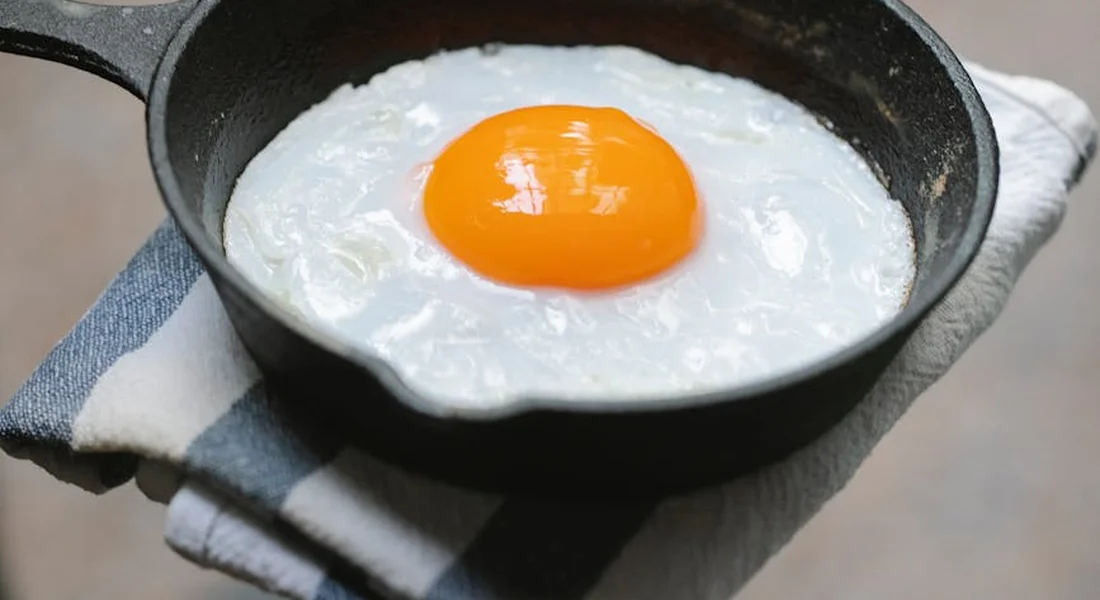
Cooking eggs regularly in your cast iron skillet isn’t just a breakfast routine, it’s a maintenance practice. When you do it correctly, you’re actively contributing to your pan’s long-term health.
Think of your skillet’s seasoning like a durable, non-stick coat of paint. Every time you cook eggs with a proper fat like oil or butter, you’re adding an incredibly thin, fresh layer to that coat. It’s a form of ongoing, light upkeep. This stove-top seasoning helps fill in microscopic gaps and keeps the surface resilient.
Using fat to cook eggs absolutely maintains your seasoning, but it’s not a complete replacement for the deep conditioning of an oven session. The heat from your stovetop is intense but localized. Oven seasoning applies a steady, even heat that polymerizes oil into a harder, more uniform layer across the entire piece, including the sides and handle. For a truly robust base, you still need that foundational work.
I bake my most-used skillets once or twice a year, regardless of how well they’re performing. It’s like giving them a tune-up. This builds thick, reliable layers over time that your quick egg breakfasts can’t achieve on their own.
So how do you know when it’s time for that oven refresh? The answer is often in your eggs.
If your eggs start sticking more often over time, it’s a clear sign your base seasoning needs a refresh. Don’t panic and think you’ve ruined the pan. Sticking simply means the top layer of seasoning is worn thin or has minor damage. The beautiful, slick polymerized layer underneath is still there, it just needs a new protective top coat.
Instead of struggling through sticky eggs every morning, plan for a simple oven seasoning. That single session will restore that glassy surface, making your next dozen eggs slide right out again. Your skillet is telling you what it needs; you just have to listen.
Common Questions
My eggs are sticking right after I seasoned the pan. What went wrong?
A single, thin layer of seasoning is fragile and not ready for the test of eggs. It needs the durability of multiple, properly polymerized coats. For a reliable foundation, give your skillet 2-3 rounds of oven seasoning before expecting a slick, egg-ready surface.
What’s the best way to clean my skillet after cooking eggs?
Clean the pan while it is still warm using hot water and a gentle scrubber like chainmail or a stiff nylon brush. For any stubborn bits, use a paste of coarse salt as a mild abrasive. Always dry the skillet thoroughly on the stove and apply a microscopic layer of oil before storing. After cleaning, consult our complete post-use guide for after-cooking care, including final seasoning checks and storage tips. It helps ensure your pan stays seasoned and ready for next use.
Does cooking eggs actually help maintain my skillet’s seasoning?
Yes, when done correctly. Using adequate fat at the right temperature applies a fresh, thin polymerized layer. However, this stovetop maintenance is supplemental; it cannot replace the even, all-over heat of a periodic oven seasoning session, which builds the robust base.
Preserving Your Cast Iron’s Finish with Egg Dishes
The single most important habit for cooking eggs in cast iron is mastering your heat control. Preheat your skillet slowly on medium-low to strengthen the seasoning, and always use a bit of fat to create a reliable, non-stick surface. When you’re cooking eggs, these heat-and-fat cues help prevent sticking and align with practical cast-iron non-stick techniques. These ideas set the stage for egg-specific tips that keep your pan clean. For deeper care, our site covers everything from fixing sticky seasoning to choosing the right oils for maintenance.
Further Reading & Sources
- How To Cook Eggs Without Using Nonstick (And Answers to FAQs About Enameled Cast Iron)
- How to Make Non-Stick Eggs in a Cast Iron Skillet
- Cooking Eggs in Cast Iron – Field Company
- Can You Cook Eggs in Cast Iron? Yes! Here’s How, According to Chefs and an Egg Expert
- How to Fry an Egg in a Cast Iron Skillet (4-Step Process) | The Kitchn
- non stick – After full reseasoning of my cast iron, eggs are still sticking – Seasoned Advice
A material science expert by profession, Joseph is also an avid cook. He combines his 10+ years expertise in material science and metallurgy with his passion for cast iron cookware to bring you best hands on advice. His expertise ranges from types of cast iron cookware to best seasoning tips as well as restoration of vintage cast iron utensils. Joe is here to help you solve all your cast iron cookware queries and questions.