How Do You Prevent Food from Sticking to Stainless Steel Pans?
If you’re used to the reliable release of a well-seasoned cast iron skillet, that first stuck-on mess in a stainless steel pan can be downright discouraging. Sticking isn’t a flaw in the pan-it’s a sign the cooking technique needs a tweak, and I’ve learned to fix it by borrowing principles from cast iron care.
In this guide, I’ll walk you through the straightforward adjustments that make all the difference:
- The simple science of why food sticks to bare metal, unlike your protected cast iron.
- How to pre-heat your pan correctly, a step as vital as building seasoning layers.
- Choosing and using oil effectively to create a temporary non-stick surface.
- Hands-on cooking moves for proteins and vegetables to ensure easy release.
Why Food Sticks to Metal: It’s Not Just Your Cooking
At its core, sticking is simple science. When cold, wet food hits a hot metal surface, proteins and starches bond directly to the microscopic pores and imperfections in the metal. Some folks call this “cold welding.” Think of it like a piece of tape. Press a cold, dry piece of tape onto glass and it might not stick well. Warm it up first, and it bonds much stronger.
This happens with all bare metal pans. The experience just differs by material.
- Does food stick to aluminum pans? Absolutely. Bare aluminum is very reactive and porous, so it bonds with food easily. Most aluminum pans have a non-stick coating for this reason.
- Ceramic pans rely on a slick, glazed coating. When that coating wears down, the base metal (often aluminum) is exposed, and food will stick fiercely.
- Copper pans are usually lined with another metal like tin or stainless steel. That lining is what your food contacts, and without proper technique, food will stick to it.
Stainless steel, the topic of many frustrated searches, is a champion of this sticky behavior because it offers a perfectly smooth, bare metal surface for proteins to grab onto.
The Cast Iron Difference: Your Built-In Non-Stick Layer
Here is where your cast iron skillet has a secret weapon. A well-seasoned pan isn’t bare metal. It’s covered in a hard, slick layer of polymerized oil. This isn’t a sprayed-on chemical coating like on non-stick pans. It’s a layer you built through baking thin coats of oil until they transform into a durable plastic-like surface. Keeping this finish in good shape is part of regular care for cast iron cookware, skillets, and pans. For care, maintenance, and more on cast iron, see the next steps.
My oldest skillet has a surface so dark and smooth it feels like glass. That seasoning layer acts as a physical barrier. Your fish fillet or fried egg never actually touches the iron. Instead, it sits on top of that slick, hardened oil layer. This is the fundamental reason a trusted piece of cast iron outperforms a new stainless pan for things like eggs or fish.
Heat and the “Letting Go” Moment
Even with great seasoning, heat management is everything. You’ve seen it: you lay a chicken breast in a hot pan, and it immediately seizes and sticks. Wait a minute, and it suddenly releases with a satisfying sizzle. That’s the food telling you it’s ready to flip.
This “letting go” moment is related to the Leidenfrost effect. When the pan is hot enough, moisture instantly vaporizes under the food, creating a thin cushion of steam that lifts it from the surface. If you try to move food before this natural release happens, you’ll tear the seared crust and leave bits stuck to the pan. Proper preheating gives you this effect. A pan that’s too cold means instant bonding. A pan that’s too hot can burn the oil and cause sticking in a different, smokier way.
Your Pre-Cooking Checklist to Stop Sticking Before It Starts
Sticking is almost always a prep problem, not a cooking one. Follow this short list every time you turn on the stove, and you’ll solve most issues before they start.
- Assess Your Seasoning
- Preheat the Pan Properly
- Apply Your Fat Correctly
Step 1: Assess Your Seasoning
Before you even think about heat, look at your pan. A well-seasoned surface should be dark, consistent, and smooth to the touch. Run your fingers over the cooking surface. Does it feel slick, or dry and rough? If it looks dull, patchy, or feels gritty, the seasoning is thin or damaged.
A quick stovetop seasoning refresh can save the meal. Warm the clean, dry pan on medium heat for 2 minutes. Add a tiny drop of oil (half a teaspoon for a 10-inch skillet) and wipe it over the entire surface with a paper towel. Now, wipe it out again, as if you made a mistake and are trying to remove all the oil. Heat it for another 2-3 minutes until it just starts to smoke lightly, then turn off the heat. You’ve just added a micro-layer of fresh polymerized oil.
Step 2: Preheat the Pan Properly
This is the most common mistake. Cast iron heats slowly and holds heat incredibly well. You do not need high heat. In fact, high heat creates intense hot spots in the center that cause sticking while the edges are still cold.
Place your dry, seasoned pan on a burner set to medium-low. Give it a full 5 minutes to heat evenly. Use the “water droplet” test. Flick a few drops of water into the pan. If they sizzle and evaporate instantly, it’s not ready. If the beads up and skate around the surface like tiny mercury balls, the pan is perfectly preheated. This is your cue.
Step 3: Apply Your Fat Correctly
Now, and only now, add your fat. Use an oil with a high smoke point suited for cast iron’s heat retention: grapeseed, avocado, refined coconut, or canola are my go-tos. I avoid flaxseed oil for maintenance cooking as it can become brittle.
Swirl the oil to coat the surface and let it heat for 30 to 60 seconds. You should see it thin out and become shimmery. This step is critical; adding cold oil to a hot pan and immediately adding food is a primary reason folks report “stainless steel sticking even with oil,” and it happens with cast iron too. The food cools the oil on contact, breaking that protective barrier and letting the metal grab on. Hot fat, hot pan, then food. It’s the golden rule.
When Food Does Stick: Troubleshooting Your Cast Iron
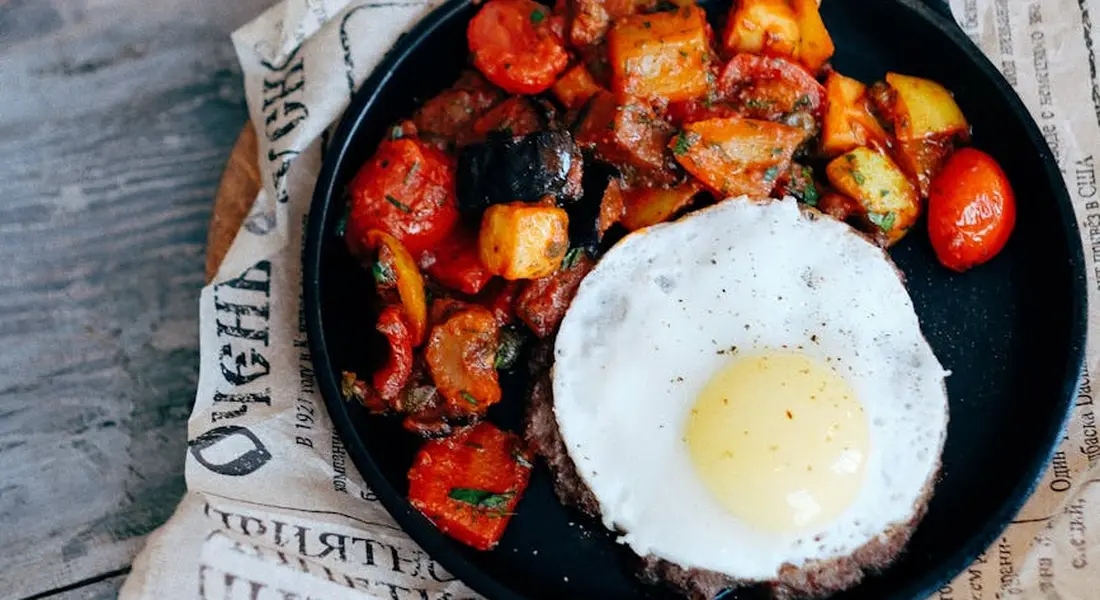
Food sticking happens. It’s a normal part of cooking with cast iron, even for my most trusted pans. It’s not a sign you’ve ruined your seasoning. It’s a signal from your pan asking for a small adjustment in your technique, such as those tips I shared for preventing food from sticking.
Specific foods are famously tricky. Delicate eggs can fuse to the surface if the pan is too cold or too dry. Fried rice packed with moisture from fresh vegetables will steam and stick if you don’t give it space. Fish skin wants to bond with the metal unless you’ve built a confident layer of hot oil first.
Sticking is almost always a fixable technique issue, not a permanent pan problem.
Is the Pan or the Technique to Blame?
Before you blame your seasoning, run through this quick mental checklist. Ask yourself three questions.
- Was the pan properly preheated? A properly heated pan makes the microscopic pores in the metal and seasoning expand, creating a smoother surface.
- Was the food surface dry? Pat proteins and vegetables thoroughly with a paper towel. Water creates steam, which lifts food and glues it to the pan.
- Was the pan overcrowded? Adding too much food at once drops the pan’s temperature dramatically. Food then steams and sticks instead of searing and releasing.
Think of fried rice. You toss cold, wet rice into a lukewarm pan. It instantly sucks up all the oil, then the moisture from peas and carrots turns to steam. You’re left with a starchy, stuck-on mess. The solution is a hotter pan, drier ingredients, and cooking in smaller batches.
Managing heat, moisture, and crowding solves ninety percent of sticking issues.
The Gentle Recovery: Cleaning Without Harm
So you have some stuck-on bits. Don’t reach for the metal scrubber. A gentle approach fixes the mess and protects your hard-earned seasoning.
Start by deglazing. Pour a cup of warm water into the warm (not scalding hot) pan. Let it simmer for a minute. The water will loosen the stuck food, creating a flavorful fond. Use a wooden spatula or brush to gently scrape the bottom.
For anything persistent, use coarse salt. After emptying the pan, sprinkle a handful of kosher or coarse sea salt onto the surface. Use a folded paper towel or a cloth to scrub in a circular motion. The salt acts as a gentle, natural abrasive that scours away residue without damaging the polymerized oil layer of your seasoning.
A little stuck-on food is a minor setback, not a catastrophe. This gentle cleanup preserves your seasoning’s integrity far better than aggressive scouring, which can strip it down to bare metal.
Deglazing with water and scrubbing with salt cleans the pan effectively while keeping your seasoning intact.
Keeping Your Cast Iron in “Easy Release” Shape
Preventing sticking is less about one perfect cook and more about consistent, good care. Think of maintenance as the daily practice that builds permanent non-stick performance.
Cleaning: The Foundation of Good Seasoning
Good seasoning starts with a clean base. After cooking, let the pan cool slightly, then wash it. Use warm water, a dab of mild dish soap, and a soft brush or non-scratch sponge. Modern soap will not harm your seasoning.
Washing your pan after each use removes food particles that can become carbonized and interfere with your seasoning’s smooth surface.
Drying is non-negotiable. Towel-dry your pan completely, then place it on a low stovetop burner for a few minutes to evaporate every last bit of water. This single step stops rust before it can start.
For storage, apply a microscopic layer of oil. After heating to dry, add a few drops of a neutral oil (like canola or grapeseed) to the warm pan. Wipe it all over the cooking surface, then use a clean towel to wipe it all off again. You should see only a faint sheen, no wet oil.
Seasoning Maintenance: The Ongoing Practice
Your pan’s seasoning is a living finish. It builds and repairs itself with regular use, especially when cooking fatty foods. But sometimes it needs a little help.
For periodic upkeep or to repair a spot, a simple oven seasoning session works wonders. Here is my straightforward process.
- Clean and dry your pan thoroughly.
- Apply a thin, even coat of a high-smoke-point oil (crisco, grapeseed, or flaxseed) to the entire pan, inside and out.
- Use a clean cloth to wipe off as much oil as you just put on. The layer should be vanishingly thin.
- Place the pan upside-down in a cold oven, set it to 450°F (232°C), and bake for one hour. Let it cool completely in the oven.
This is not like “seasoning” a stainless steel pan. With stainless, you’re just heating the metal to create a temporary polymer layer from existing oils. With cast iron, you are deliberately baking on a durable, bonded layer of polymerized oil that becomes part of the cookware itself. This is a chemistry-driven process: oils polymerize and cross-link to form a slick film where polymerized oil bonds to the iron. The result is a durable, nonstick surface built into the pan.
Oven seasoning is a controlled repair session for your cast iron’s non-stick surface, building it layer by durable layer.
Cast Iron vs. Other Pans: A Maintenance and Performance Look
Choosing a pan often comes down to one thing: will my food stick? The answer depends less on the metal itself and more on the surface you create and maintain on it.
Cast iron, stainless steel, and non-stick pans all handle heat and food release differently. Their care routines are what truly set them apart.
The Non-Stick Coating Conundrum
Modern ceramic and Teflon-coated pans are designed for one job. They provide an easy, slick surface right out of the box. For that, they sacrifice durability.
You must use soft utensils and avoid high heat to protect their delicate coating. Metal spatulas and stacking pans can cause scratches. These scratches are permanent.
Once that thin factory-applied layer chips or wears down, the pan’s primary function is gone, and it often heads for the trash.
Cast iron takes the opposite approach. Instead of a fragile coating you must protect, it builds a durable one you actively maintain. I think of my cast iron skillet like a wooden cutting board. It gets better with careful use and occasional oiling, not worse. Keeping it clean and properly seasoned is part of that maintenance rhythm. Clean, season, and maintain your cast iron skillet for lifelong performance.
Why Cast Iron Wins for Long-Term Care
The key difference is user control. With cast iron, you are not a passive owner of a disposable product. You are the active keeper of a durable tool. That durability invites a closer look at how cast iron stacks up against stainless steel in durability performance. A side-by-side comparison can reveal which material excels in wear and longevity in real use.
- Your seasoning is a renewable resource. If it gets thin or sticky, you can clean it and add fresh layers.
- A scratch or bare spot isn’t a death sentence. You can spot-season it and keep cooking.
- Accidental overheating won’t release toxic fumes. It might burn off your seasoning, but you can just re-season it.
My great-grandmother’s skillet has been through this cycle countless times. Each time it comes back, the seasoning gets a bit more resilient.
While a scratched non-stick pan is finished, a scratched cast iron pan is simply ready for its next maintenance cycle.
This makes cast iron the ultimate long-term choice. You invest a little effort in learning to season and care for it. In return, you get a pan that becomes more reliable and naturally non-stick with each use. That relationship lasts for decades, not just a few years. It’s why cast iron remains a favorite among chefs and home cooks alike.
Common Questions
My cast iron pan is seasoned, but food still sticks in the middle. What did I do wrong?
This usually indicates a localized hot spot or a thin spot in your seasoning. Ensure you preheat the pan slowly and evenly on medium-low heat to allow the entire surface to expand and smooth out. After cooking, assess that central area; a quick stovetop seasoning refresh can often rebuild the protective layer where it’s worn.
How do I cook something like fried rice in cast iron without it sticking or becoming gummy?
The principles are the same as for any pan: control moisture and avoid crowding. Ensure your cooked rice is dry and chilled, preheat your seasoned skillet properly, and use adequate fat. Cook in smaller batches to prevent the pan’s temperature from dropping, which causes steaming and sticking instead of searing.
I used plenty of oil, but my food bonded to the pan. Isn’t the seasoning supposed to prevent this?
Seasoning is a barrier, not a forcefield. If the pan was insufficiently preheated, the cold food and oil instantly cooled the surface, allowing proteins to bond. Always follow the order: preheat the dry pan, then add hot oil, then add dry, room-temperature food. Proper technique supports your seasoning’s work.
Your Cast Iron’s Non-Stick Secret
The most reliable way to keep food from sticking is to always let your cast iron pan heat up fully before adding any oil or ingredients. A patient, even preheat gives the existing seasoning a chance to become perfectly slick and active. For those times when food still bonds to the surface, reviewing our guides on how to prevent food from sticking to cast iron cookware or the science of polymerized oil layers will point you toward a solution.
References & External Links
- r/Cooking on Reddit: What am I doing wrong with my stainless steel pans? Everything sticks.
- How To Make Stainless Steel Non-Stick | Caraway
- How to Prevent Food From Sticking to Your Stainless Steel Skillet | Food Network
Joseph Gerald
A material science expert by profession, Joseph is also an avid cook. He combines his 10+ years expertise in material science and metallurgy with his passion for cast iron cookware to bring you best hands on advice. His expertise ranges from types of cast iron cookware to best seasoning tips as well as restoration of vintage cast iron utensils. Joe is here to help you solve all your cast iron cookware queries and questions.