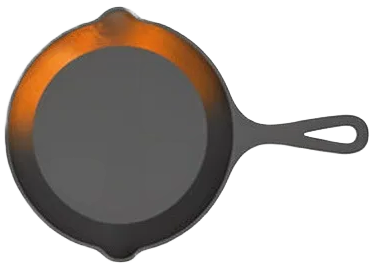
Should You Season Your Cast Iron Dutch Oven? Traditional vs. Enameled Methods
If you’re staring at your Dutch oven wondering if the black iron needs a coat of oil or if the shiny enamel requires the same care, you’re not alone. Seasoning is essential for bare cast iron, but with enameled cookware, the rules change completely.
- Why a traditional bare iron Dutch oven must be seasoned and why an enameled one should not.
- The exact tools and steps I use to build a durable, non-stick layer on traditional cast iron.
- How to properly clean and maintain the glass-like surface of an enameled Dutch oven.
- Practical tips to prevent common mistakes, based on my own workshop experiences.
The Crucial First Question: Is Your Dutch Oven Bare or Enameled?
Before you do anything, you need to know what you’re working with. The care for each type is completely different. Pick up your Dutch oven and look closely.
A traditional bare cast iron Dutch oven has a dull, matte gray or black finish that feels slightly porous to the touch. You might see faint machining marks from the factory. Its most telling trait? It can rust if left wet.
An enameled cast iron Dutch oven has a smooth, glossy, often white or colored interior. This is a coating of glass fused to the iron at extremely high temperatures. The exterior is usually a vibrant color. The surface is slick and non-porous, but it can chip if hit against something hard. For a deeper look at its composition, coatings, and finishes, see our enameled cast iron guide. It connects these details to how the cookware performs in everyday use.
The core principle is simple. Bare iron needs you to build a protective, non-stick layer of polymerized oil, called seasoning. Enameled iron comes with its permanent, non-stick glass coating already applied. So, do you have to season enameled cast iron? No. You never season the enamel itself. You can, however, apply a thin coat of oil to its interior to condition the surface and make cleanup easier, which is a totally different goal.
Quick Snapshot: Traditional vs. Enameled Dutch Oven Care
| Aspect | Bare Cast Iron Dutch Oven | Enameled Cast Iron Dutch Oven |
|---|---|---|
| Core Need | Requires a seasoned layer to prevent rust and create non-stick. | Relies on its factory-applied glass coating; no seasoning needed. |
| Primary Care | Build and maintain polymerized oil layers. | Protect the enamel from chips and thermal shock. |
| Can You Apply Oil? | Yes, it’s the essential process (seasoning). | Yes, but for a different reason (conditioning the enamel surface). |
How to Season a Traditional Bare Cast Iron Dutch Oven
Think of seasoning your Dutch oven for the first time as a foundational ritual. It’s not mysterious, it’s just simple chemistry applied with a bit of patience. This process bonds oil to iron, creating that legendary black patina.
What You’ll Need: The Simple Toolkit
Gather these items before you start. You don’t need anything fancy.
- Your bare cast iron Dutch oven (lid too!)
- A high-smoke-point oil for dutch oven seasoning (see below)
- Paper towels (the kind that don’t leave lint are best)
- An oven
- Mild dish soap (it’s perfectly okay for bare iron!)
- Oven mitts or sturdy gloves
Choosing your dutch oven seasoning oil is about balance. You want an oil that polymerizes well without going rancid. I keep it simple.
- Grapeseed or Canola Oil: My go-to choices. They have a high smoke point, are affordable, and build a very durable layer over time.
- Flaxseed Oil: Creates a beautiful, hard finish but is expensive and can be prone to flaking if applied too thickly.
- Avoid: Extra virgin olive oil or butter. Their low smoke points mean they will burn and create a sticky, uneven coat.
Step 1: The Critical Clean Start
You must begin with a perfectly clean and dry canvas. Any residue, rust, or moisture will weaken your new seasoning.
Wash the Dutch oven and its lid thoroughly with warm, soapy water. Use a scrub brush or non-metal scrubby for any stubborn spots. If there’s rust, scour it off. Rinse well. Now, dry it like you mean it. Towel dry every surface, then place it on a stovetop burner over low heat for 3-5 minutes. This drives off every last bit of water hiding in the pores. Let it cool until it’s just warm to the touch. Proper drying is crucial for your cast iron’s longevity; make sure to follow these drying and maintenance tips for cast iron cookware.
Step 2: Applying the Oil-The “Less is More” Step
This is where most mistakes happen. Pour about a teaspoon of your chosen oil into the pot. Use a folded paper towel to rub it into every single surface: the interior, exterior, bottom, handles, and the lid. Get it all.
Now, take a fresh, clean paper towel. Buff the entire Dutch oven vigorously as if you’re trying to remove all the oil you just put on. You want the metal to look satiny, not glossy or wet. If you see shiny spots, that’s excess oil that will bake into a sticky, blotchy layer. This sticky layer is often why people find their dutch oven seasoning coming off in flakes later.
Step 3: Baking It On-Time and Temperature
Preheat your oven to 450°F to 500°F. This is the standard dutch oven seasoning temperature range where most oils fully polymerize.
Place a sheet of aluminum foil or a baking sheet on the bottom rack to catch any potential drips. Position your oiled Dutch oven upside down on the middle rack. Putting it upside down ensures any microscopic excess oil drips away instead of pooling in the bottom. Bake it for one full hour.
Your kitchen might get smoky. That’s normal. Inside, a chemical change is happening. The heat is transforming the thin oil film from a liquid into a solid, cross-linked plastic-like layer bonded directly to the iron.
Step 4: Repeat to Build Strength
After the hour, turn off the oven. Let the Dutch oven cool down inside completely. Don’t rush this. I often just leave it in the oven overnight.
One layer is a great start, but it’s thin. For a tough, resilient finish that will handle acidic stews and searing meat, repeat the process. Apply another microscopically thin coat of oil, buff it dry, and bake again. Two to three layers will give you a formidable foundation for decades of cooking. Remember, seasoning is cumulative. Every time you cook with fat, you’re adding to it. This initial ritual just gives you a strong head start.
What to Do With an Enameled Cast Iron Dutch Oven (It’s Not “Seasoning”)

If you own an enameled Dutch oven, you need to forget everything you know about seasoning bare cast iron. The goal here is completely different. You are not building up a polymerized oil layer. Your job is to protect the glass-like enamel coating and help it perform well from the start. Seasoning, oiling, and regular upkeep are still important for bare cast iron—it’s just different from enamel care. This broader maintenance mindset can be handy as you learn to care for all your cast iron cookware.
This directly answers a very common question: do I need to season enamel coated cast iron? The short answer is no, you should never season it. The enamel is already a non-porous, inert surface. Applying a traditional high-heat seasoning cycle can actually damage the enamel, so you must avoid it. There is, however, a simple conditioning step that can help.
The Simple Enamel Conditioning Process
Think of this as a one-time “break-in” for your new enameled pot. It’s not about creating a permanent layer, but about filling the microscopic pores in the enamel’s surface with oil to give you a better initial cooking experience.
Here’s how I do it with my own enameled pieces:
- Start with a perfectly clean and completely dry pot. Wash it with warm, soapy water and towel dry it thoroughly.
- Pour a tiny amount of a neutral, high-smoke-point oil (like grapeseed or canola) onto a paper towel.
- Wipe a microscopically thin film of oil over the entire interior enamel surface. It should look nearly dry to the touch.
- Place the empty pot on a stovetop burner set to low or medium-low heat. Warm it gently for just 2-3 minutes until the pot is warm to the touch.
- Turn off the heat. Take a clean, dry paper towel and wipe the interior again. You’re removing any tiny excess oil that pooled during heating. Let it cool.
This gentle heating helps the oil seep into the enamel’s tiny pores, which can improve its non-stick performance for your first few cooks. After this, just clean it normally after each use.
What Never to Do to an Enameled Dutch Oven
Enamel is durable, but it’s also glass. Treat it roughly and it can crack or chip, which ruins the pot. Here are the critical mistakes to avoid.
- Do not bake it empty at high heat to “season” it. This thermal shock can cause the enamel to crack.
- Do not use metal utensils, whisks, or abrasive scouring pads. They can scratch or chip the surface. Use wood, silicone, or nylon.
- Do not subject it to rapid temperature changes. Never put a hot pot into a sink of cold water, and avoid placing a cold pot directly onto a roaring hot burner.
- Do not try to “re-season” a chipped enamel spot with oil. Once the iron underneath is exposed, that spot will rust and the pot’s integrity is compromised.
Unlike bare iron, damage to enamel cannot be fixed at home, so prevention through gentle care is your only option. This also invites a closer look at how care and repair differ between cast iron and enameled cast iron. In the next steps, we’ll compare their methods and practical tips.
Fixing Common Seasoning Problems on Bare Iron
Even with the best intentions, seasoning a bare iron Dutch oven doesn’t always go perfectly the first time. Don’t worry. Every issue you might face has happened to me, and every single one is fixable.
Why is My Seasoning Patchy or Sticky?
If your new seasoning layer looks blotchy or feels sticky and greasy to the touch, the diagnosis is almost always the same. You left too much oil on the pan before it went into the oven.
Seasoning works by polymerizing a thin film of oil, and any excess oil will simply bake on as a thick, sticky residue instead of a hard finish. Understanding the chemistry behind this process can help you avoid common pitfalls. The solution is straightforward.
- Scrub the sticky residue off using warm soapy water and a stiff brush or scrubber. Don’t be afraid of soap.
- Dry the pot completely on the stovetop.
- Re-season it, but this time, wipe the oil on and then use a fresh paper towel to buff the surface as if you’re trying to remove all the oil you just applied. It should look satin, not glossy.
How Do You Handle Rust or Flaking?
Finding rust or seeing your hard-earned seasoning flake off is disheartening. This directly answers questions like “why is my Dutch oven rusty?” and “dutch oven seasoning coming off.” It usually means moisture got under the seasoning layer or the bond to the iron wasn’t strong.
To fix it, you need to remove the problem layer completely and start fresh from a clean, bare-iron base. Here’s the process:
- For surface rust: Scrub the area with a 50/50 solution of white vinegar and water. A salt and oil paste also works as a gentle abrasive. Rinse and dry immediately.
- For flaking or thick, uneven seasoning: Use a commercial oven cleaner (the yellow-cap lye-based kind) in a garbage bag outside, or carefully sand the area with fine steel wool. This strips everything back to gray iron.
Once you have bare, clean metal, you can begin the full seasoning process from the beginning. A strong, even foundation is key.
What’s That Smoke or Smell During Seasoning?
Some smoke is a normal, expected part of the seasoning process. As the oil heats past its smoke point, it begins to polymerize and bond to the iron. My kitchen always smells a bit like cooking oil when I’m seasoning a piece.
You should expect light, wispy smoke and a normal cooking oil smell. Good ventilation is important.
Differentiate this from a sharp, acrid, or chemical smell. If you mistakenly try to “season” an enameled piece, you might smell burning residue or the enamel itself overheating. If you get a foul plastic-like odor from a bare iron pot, it may have a wax or factory coating you forgot to wash off. Stop heating, let it cool, clean it thoroughly, and start over.
Keeping Your Dutch Oven in Top Shape
Your Dutch oven is seasoned. Now, you keep it that way. The goal is simple maintenance to protect your work and keep cooking effortless.
Caring for Your Seasoned Bare Iron Dutch Oven
Think of your Dutch oven’s seasoning like the paint on a well-loved car. A little regular care prevents big problems later.
After cooking, let the pot cool slightly. Pour in some hot water. Use a soft brush, nylon scrubber, or a dedicated chainmail scrubber for tough bits. Modern dish soap is perfectly safe for a well-seasoned pot and will not strip your seasoning. Rinse it well.
Drying is non-negotiable. Towel-dry it completely, then place it on a warm stovetop burner for a few minutes. This heat drives off every last bit of moisture you can’t see.
Here is the final, crucial habit. While the pot is still warm from drying, apply a microscopic layer of oil with a paper towel. Then, take a clean, dry paper towel and buff it again. You should see only a faint sheen, no wet spots. This tiny oil layer replaces what cooking and cleaning remove, keeping your base coat strong.
The very best maintenance is simply using it. Cooking fatty foods like sausages or frying onions builds the seasoning naturally. My own deep skillet gets its best finish not from the oven, but from weekly use, and regular cleaning and maintenance.
Caring for Your Enameled Dutch Oven
An enameled Dutch oven is a different beast. The glossy, colored exterior and often black interior are a baked-on glass coating. You care for the glass, not build up a seasoning.
The number one rule is avoid thermal shock. Never take a hot pot and run cold water over it or put it in a cold sink. Let it cool down first. Similarly, start with low to medium heat and let the pot warm up gradually. Sudden temperature changes are the fastest way to crack or chip the enamel.
For cleaning, use gentle tools. A soft sponge and warm, soapy water handle most jobs. For stubborn stains or fond, let the pot soak with warm water and baking soda. You can also make a paste of baking soda and water, apply it to stains, let it sit, then gently scrub.
Understand the interior. Many enameled ovens have a matte black interior. This is a rugged enamel finish, not bare iron. You do not need to season it, and you should never apply oil to maintain it. Just clean it like the rest of the pot. If food sticks a bit more over time, that’s normal for this surface.
When to Do a Full Re-season
Even with great care, a bare iron Dutch oven might need a fresh start. This isn’t a sign you failed. It’s routine upkeep, like sanding and re-staining a wooden cutting board.
Watch for these clear signs:
- Food sticks persistently, even with proper preheating and oil.
- You see reddish-brown rust spots appearing on the cooking surface.
- The interior looks dull, gray, blotchy, or feels rough to the touch.
A full re-season fixes these issues by giving you a fresh, uniform, polymerized layer to build upon. The process is the same as your initial seasoning: a very thorough clean, dry, thin oil coat, and a long bake. It’s a refresh, not a punishment. My go-to camping Dutch oven gets this treatment once a year, and it comes back better every time.
Common Questions
My seasoning on a bare iron Dutch oven is coming off. What did I do wrong?
Seasoning flakes off for two main reasons: applying the oil too thickly before baking, or exposing a new, weak layer to acidic foods like tomato sauce too soon. Strip it completely with a lye-based cleaner or coarse salt, then re-season using the “less is more” buffing technique. Build 2-3 thin, baked-on layers for a durable foundation.
What’s the absolute best oil for seasoning, and does it really matter?
The best oils have a high smoke point and polymerize reliably. My practical choice is grapeseed or canola oil-they’re affordable and effective. Avoid low-smoke-point oils like extra virgin olive oil, as they create a sticky, inferior coat that fails quickly.
My enameled Dutch oven interior is stained. Is the enamel damaged?
Staining is normal, especially with a matte black enamel interior, and does not mean the enamel is compromised. To remove stains, make a paste of baking soda and water, let it sit, then gently scrub. Never use abrasive cleaners or attempt to season over the stain, as this can cause damage.
Your Dutch Oven’s Long-Term Care
The single most important rule is this: your bare cast iron Dutch oven needs a polymerized oil finish to perform, while your enameled Dutch oven needs protection from that same process. Focus your effort on building and maintaining seasoning layers for traditional iron, and focus your care on gentle cleaning and avoiding thermal shock for enameled iron. For a quick, comprehensive safety and use comparison of enameled vs bare cast iron, our guide offers all the details. For more detailed guidance, our articles on proper storage and rust removal offer helpful next steps.
Relevant Resources for Further Exploration
- r/CastIronCooking on Reddit: Best way to season your cast iron Dutch oven?
- How to Season a Dutch Oven, Plus Tips for How to Remove Rust
- Seasoning a Dutch Oven
- How to clean & season a cast iron Dutch Oven – Kana
Joseph Gerald
A material science expert by profession, Joseph is also an avid cook. He combines his 10+ years expertise in material science and metallurgy with his passion for cast iron cookware to bring you best hands on advice. His expertise ranges from types of cast iron cookware to best seasoning tips as well as restoration of vintage cast iron utensils. Joe is here to help you solve all your cast iron cookware queries and questions.