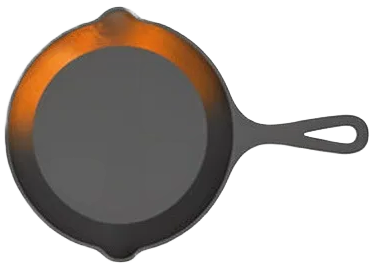
What Makes the Best Cast Iron Pan?
Choosing a new cast iron skillet can feel overwhelming with so many brands and claims on the shelf. The best choice isn’t just about a famous name it’s about finding a pan you’ll actually use and enjoy maintaining for years.
This guide cuts through the noise. I’ll walk you through the real-world factors I consider in my own kitchen and workshop when evaluating a piece of cookware:
- Spotting crucial safety features like pour spouts and handle design.
- Comparing modern and vintage brands beyond the hype.
- Understanding how a pan’s finish affects your seasoning journey.
What You Need to Know Before Buying Your First Pan
Cast iron is one of the few cookware materials you can truly pass down. My great-grandmother’s skillet is still my favorite. Its fundamental appeal comes down to three things. First, it is incredibly durable. It won’t warp under high heat and can last for generations if cared for. Second, it retains heat like nothing else. Once hot, it stays hot, which is perfect for searing a steak or baking cornbread with a crisp crust. Third, with proper use, it develops a natural, non-stick surface called seasoning.
Your first big choice is between traditional bare cast iron and enameled cast iron, which is coated in a glass-like glaze. Think of it as choosing between a classic leather boot and a modern waterproof one. Bare iron requires you to build and maintain that seasoning layer with oil. It’s a hands-on relationship. Enameled iron comes with a permanent, non-reactive coating, so you don’t season it. You just wash it. Bare iron is your workhorse for high-heat searing and developing that perfect patina. Enameled iron excels at slow-cooking acidic foods, like tomato sauce, which can strip seasoning from bare iron. With Dutch ovens, this choice translates to traditional seasoning versus enamel care. A bare Dutch oven builds a patina over time, while an enameled one offers a non-reactive, easy-clean finish.
You must be ready for two things: weight and a break-in period. A 12-inch skillet is heavy. If you have wrist concerns, consider a smaller size or a modern, lighter design. Also, a new pan, even “pre-seasoned,” isn’t at its best on day one. The non-stick performance improves as you cook with it and add layers of seasoning. It’s like a new pair of jeans that get more comfortable with each wear.
What to Look for in a Quality Cast Iron Skillet or Pot
Run your fingers over the cooking surface. Many modern pans have a rough, pebbly texture from the preseasoning process. Others are machined or polished smoother at the factory. A smoother surface can feel nicer for cooking eggs, but a rougher one will still become non-stick over time. My oldest pan is rough, and it slides eggs better than my non-stick pan.
Pick the pan up. Feel its balance. A classic design is one solid piece of iron, with all the weight that implies. Some brands now make pans with slight ergonomic shaping or different handle angles to improve the grip. There is no right answer here, only what feels secure and manageable in your hand.
Look at the small design details that make cooking easier. A good pour spout on a skillet lets you drain grease without it running down the side. The handle should be long enough to stay cool and shaped comfortably. For a Dutch oven, a tight-fitting lid is key for moisture retention, and a helper handle opposite the main one is a must for safely moving a heavy, hot pot full of food.
Finally, understand preseasoning. It’s a thin, initial layer of oil baked onto the pan at the factory to prevent rust. Its quality varies. Some preseasoning is excellent, some is just okay. You should always view factory preseasoning as a starting point, not a finished product. I immediately wash and add a layer or two of my own seasoning to any new pan. This builds a foundation I trust and starts our relationship off right.
How Top Cast Iron Brands Compare for Different Cooks
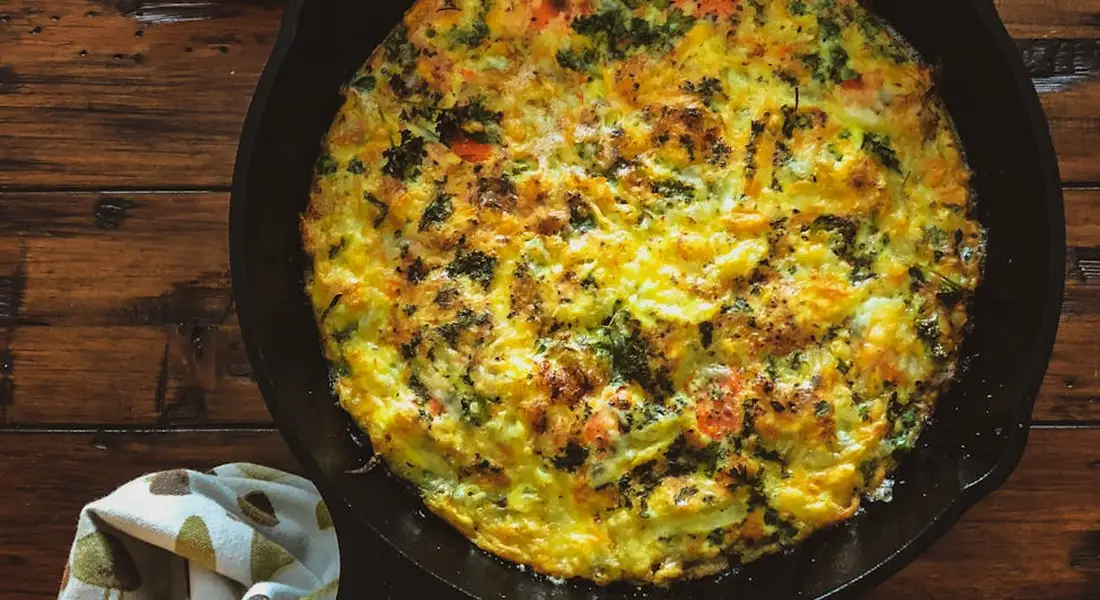
Think of this less as a contest and more as a guide to finding the right tool for your kitchen personality. Each brand solves a different problem.
The Trusted Workhorse: Lodge
If you want a pan you can use tonight without a second thought, Lodge is your answer. Their pans come with a reliable, oven-safe preseasoning applied at the factory. It’s not a mirror finish, but that textured surface holds seasoning incredibly well over time. I’ve abused my Lodge skillet on campfires and it just asks for more. For the cook who values immediate utility and proven durability over a perfect surface, Lodge is the definitive best for your money. Their readily available and affordable sets also make them a top pick for outfitting a new kitchen.
The Enameled Specialist: Le Creuset & Staub
These brands answer the question: “But what about tomato sauce?” Their cookware features a vitreous enamel coating fused to the cast iron. This glass-like layer eliminates the need for seasoning and is completely non-reactive, making it perfect for long braises and acidic dishes. The trade-off is you must avoid metal utensils and thermal shock to prevent chipping. For slow-cooking, baking, and anyone who doesn’t want to think about seasoning maintenance, an enameled Dutch oven is a specialized powerhouse. Many consider a set built around one of these pieces to be a cornerstone of a versatile cookware collection.
The Modern Refinement: Smithey, Butter Pat, Finex
These brands cater to those who love the idea of vintage smoothness but want a new, warrantied piece. They machine or cast their cooking surfaces to a much smoother finish than modern Lodge. This can make initial seasoning a bit more finicky, but many find it leads to a more polished non-stick surface over time. They often feature thoughtful design, lighter weight, and aesthetic details. You’re paying for craftsmanship and a specific cooking feel, making these brands ideal for the enthusiast who sees the pan as both a tool and a heritage object.
The Vintage Alternative: Griswold, Wagner, & Early Lodge
The market for vintage pieces is its own world. Pans from companies like Griswold are prized for their lightweight, silky-smooth casting. Acquiring one usually means finding a rusty treasure and restoring it yourself-a rewarding project we cover extensively. Choosing vintage is less about buying a product and more about adopting a piece of history, accepting that its care is now your personal stewardship. For a “best made in USA” option with unparalleled character, this is the path, but it requires more upfront work.
Are Cast Iron Pans Safe? Demystifying Materials and Coatings
Let’s cut through the noise. The core safety of cast iron isn’t complicated, but understanding the details prevents worry.
The Simple Truth About Bare Iron
Cast iron is made from iron, carbon, and silicon. That’s it. A bare, unseasoned cast iron pan is a piece of refined metal, making it inherently non-toxic and free from chemicals like PFOA or PTFE (Teflon). This directly answers questions like ‘is Lodge cast iron cookware safe’-the material itself absolutely is. The safety system for bare iron is the seasoning you build and maintain, a polymerized oil layer that acts as a barrier between the food and the raw metal, preventing rust and excessive iron leaching. Tiny amounts of iron can still leach into food, especially with acidic ingredients. For most people, this contributes only a small, generally safe amount of dietary iron, which aligns with the safe iron leaching truth; those with iron overload conditions or other health concerns may want to monitor their intake.
Understanding Enamel Coatings
Enameled cast iron, like from Le Creuset, has a baked-on glass coating. This layer is inert and designed specifically to prevent iron from interacting with your food, which is great for those monitoring dietary iron. The key safety rule for enamel is to inspect it for chips, especially on the cooking surface; a significant chip can expose the iron underneath and potentially allow glass particles into food. Especially when considering any cracks or damage in the enamel. Small rim chips are often cosmetic, but deep interior damage means it’s time to retire the pot.
Oven Safety and Handle Materials
Most bare cast iron, including all Lodge logic pieces, is oven-safe at any temperature your home oven can reach. The limit is often the handle material. For best practices, follow cast iron oven safety temperature guidelines. Always check if your pan has a handle made from a different material, like phenolic (a type of plastic), which will have a temperature limit, usually between 350°F and 500°F. Fully enameled pots are typically oven-safe to around 500°F, but you must verify with the manufacturer, as the enamel can be damaged by exceeding its limit.
Manufacturing Origin and Quality Control
Where a pan is made can influence its safety profile through the standards applied to its materials and coatings. Major US brands like Lodge and modern artisans like Smithey adhere to strict domestic material and manufacturing regulations. When considering imported cast iron, especially enameled pieces, research the brand’s reputation for quality control, as regulations on coating materials can vary. A reputable brand, regardless of origin, will be transparent about the safety of its materials.
Common Mistakes People Make When Choosing Cast Iron
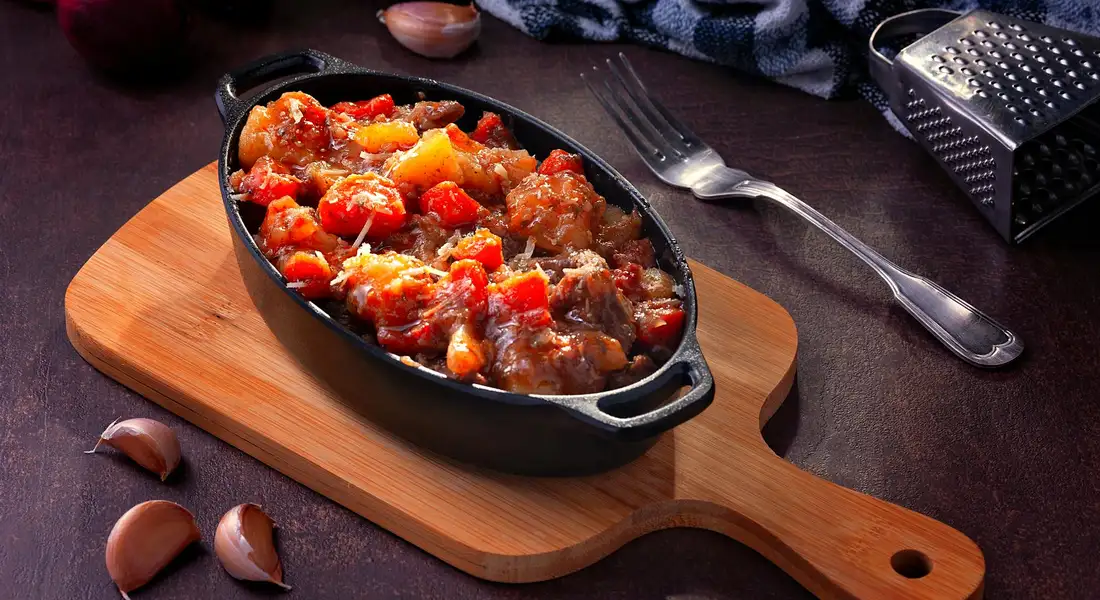
Choosing a cast iron pan can feel exciting, but it’s easy to get tripped up. I’ve made some of these errors myself, and fixing them taught me what truly matters. That debate—cast iron vs nonstick pans, which wins home cooking—comes up for every kitchen. Getting clear on the strengths of each helps you pick what to reach for in everyday cooking.
Buying for Looks Over Function
A pan might have a beautiful, glossy finish in the store, but if the handle is awkward in your grip, you’ll regret it. Function always wins. The best pan for you is the one that feels balanced and secure when you lift it, like a well-made tool that belongs in your hand. Pick it up. Pretend to pour from it. If it feels clumsy or too heavy, it probably is, no matter how good it looks on your shelf.
Overpaying for Features You Don’t Need
Many brands promote an ultra-smooth, machined cooking surface. For high-heat searing, this can be fantastic. For everyday eggs or cornbread, your standard Lodge will perform identically once it’s well-seasoned. You’re often paying for a head start on smoothness, not a fundamentally better pan. A rough-textured pan will become glassy with use and proper care. Ask yourself if that premium is worth it for your cooking style.
Assuming All Preseasoning is Equal
“Pre-seasoned” is not a guarantee of perfection. Factory seasoning is a thin, basic layer meant to protect the iron during shipping. Some hold up fine, while others are spotty. You should plan on giving any new pre-seasoned pan at least one round of supplemental seasoning in your own oven before its first cook, following this guide. This bonds a personal layer of seasoning to the iron and fills in any weak spots from the factory. Think of it as a mandatory welcome ritual, not an optional step.
Mishandling Enameled Cast Iron
Enameled pieces like Dutch ovens are different beasts. That colorful coating is a baked-on glass surface. Using metal utensils or subjecting an empty enameled pot to high heat is a surefire way to chip or crack that glass coating, ruining the pot. Stick with wooden, silicone, or nylon tools. Also, avoid dramatic temperature shocks, like putting a hot pot in a cold sink, which can cause the enamel to craze or crack over time.
How to Care for Your New Cast Iron From Day One
Your new pan is home. Now, let’s set it up for a lifetime of service. This isn’t complicated, but doing it right from the start builds a foundation of trust between you and your cookware.
The Simple First Steps
Follow this sequence before you ever cook a meal:
- Wash: Use warm water, a dab of dish soap, and a gentle brush or sponge. This removes any factory dust or residues. The old “no soap” rule is a myth for modern, seasoned iron.
- Dry: Dry it immediately and thoroughly with a towel. Every bit of water must be gone.
- Heat: Place the pan on a stovetop burner over medium heat for 2-3 minutes. This drives off any invisible moisture that leads to flash rust.
- Oil (Optional but Recommended): While the pan is still warm, apply the tiniest amount of oil (like grapeseed or vegetable) with a paper towel, then buff it all off as if you made a mistake. You’re leaving a microscopic protective film.
Maintenance is the Real Safety Feature
A well-maintained pan is a safe pan. Rust and flaking seasoning are the real hazards, not the iron itself. Consistent, proper care creates a stable, polymerized seasoning layer that acts as a barrier between your food and the raw iron, which is the goal for both safety and performance. My favorite daily driver skillet is non-stick and rust-free not because it was expensive, but because I’ve maintained its seasoning for years through simple routines like cleaning and seasoning.
The Golden Rules of Daily Care
- Avoid prolonged soaking. Don’t let it sit in water. A quick scrub is all it usually needs.
- Dry thoroughly, every single time. Heat on the stove is the most reliable method.
- Know how to refresh the seasoning. If food starts to stick a little or the surface looks dull, just cook some bacon or fry a few rounds of potatoes in oil. For stubborn spots, a stovetop seasoning touch-up works wonders.
Creating the Perfect Surface for Frying
People often ask what makes a pan “the best for frying.” The answer is your seasoning. A strong, well-maintained seasoning layer provides a naturally non-stick surface that allows for excellent food release and even browning, which is the secret to great frying. It heats evenly and retains that heat steadily when you add food. The “best” frying pan isn’t a special model, it’s the one you’ve cared for consistently, building up that perfect patina layer by layer.
What Helped Me: A Personal Take on Starting Right
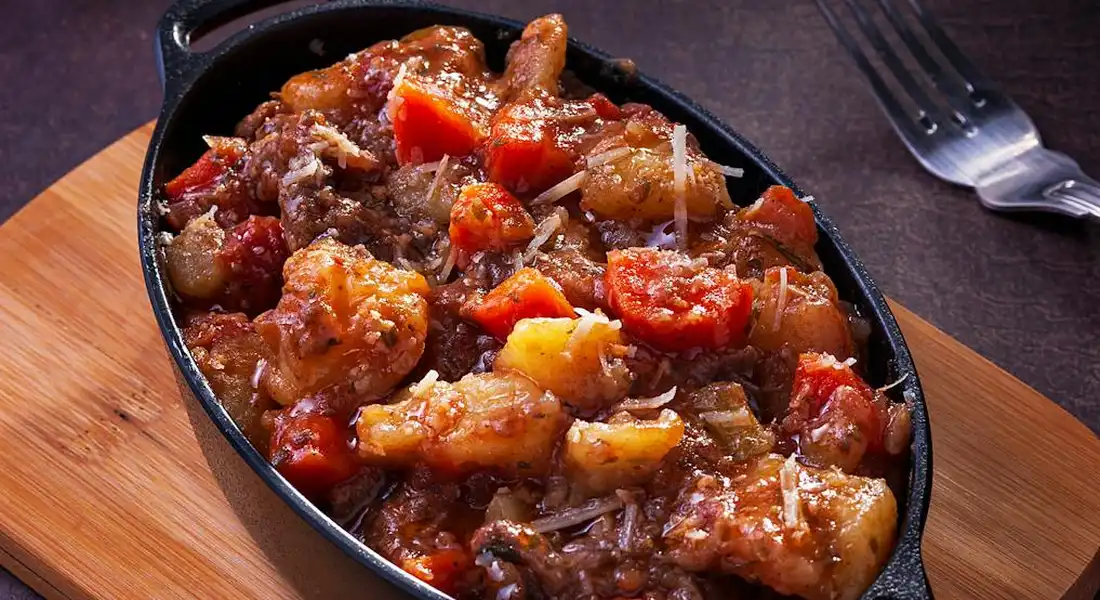
My journey started with a single, simple 10-inch Lodge skillet. I didn’t buy the most expensive or the smoothest. I bought the one that felt like a blank slate I wasn’t afraid to mess up. That mindset made all the difference.
I used that first pan to learn what seasoning really felt like. I learned how hot was too hot for my stove. I learned that a little bit of sticking is normal and that a good scrub with salt and oil fixes most things. I made all my beginner mistakes on that one dependable piece.
Your first pan is your best teacher, showing you exactly what you do and don’t want in your next piece. Maybe you’ll realize you prefer a longer handle, or that you desperately want a helper handle on the opposite side for easier lifting. You might find the standard 10-inch size is perfect, or that you crave something smaller for eggs.
The “best” cast iron isn’t the one with the most hype or the highest price. It’s the pan you confidently pull from the cabinet three times a week because you know how to care for it. Knowing how to evaluate quality and choose the right cast iron cookware is key.
Other Options Beyond the Standard Skillet
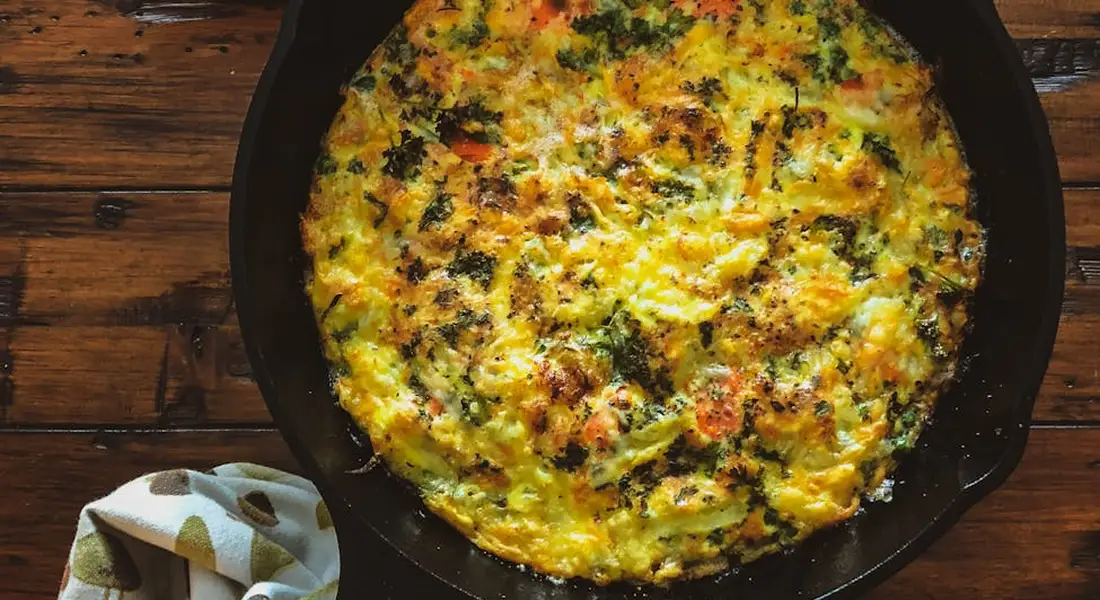
Once you’re comfortable with a skillet, your collection can grow. A Dutch oven is arguably the most versatile companion piece you can own. It’s a deep pot with a heavy lid, perfect for tasks a skillet can’t handle.
- Braising tough cuts of meat until they’re tender.
- Baking no-knead bread with a fantastic crust.
- Deep-frying with stable, even heat retention.
- Simmering soups and stews all day on the stovetop.
If you enjoy specific foods, specialized pieces can be a joy. A grill pan gives you those char marks on meats and vegetables. A cornbread skillet, with its distinctive wedges, makes serving easy and creates extra crispy edges. A carbon steel pan is a fantastic, lighter-weight alternative that seasons and maintains almost identically to cast iron, just heats up a bit faster.
Hunting for vintage cast iron at flea markets or online can be rewarding, but remember you’re often buying a project. You may need to strip decades of gunk or rust and build a new seasoning layer from bare metal. It’s a labor of love that we cover in our restoration guides, but it’s not for someone who just wants a pan to cook dinner in tonight.
Common Questions
How does the brand I choose affect my long-term maintenance routine?
The brand defines your starting point. A modern, textured pan like Lodge holds new seasoning easily but requires an initial break-in period. A machined-smooth pan from a brand like Smithey may feel slicker initially but demands meticulous early seasoning to build a stable layer. Enameled brands like Le Creuset remove seasoning from the equation entirely, swapping it for careful handling to prevent chips.
What’s the best way to build a great frying surface on a new pan?
Forget a single “seasoning session.” A superior frying surface is built through consistent use and proper aftercare. After each use, clean gently, dry thoroughly with heat, and apply a microscopically thin coat of oil. Over time, this routine polymerizes into a durable, non-stick patina perfect for frying.
I see “pre-seasoned” on the label. Is my maintenance done?
No. Factory preseasoning is only a rust-proofing base coat. For best performance and to establish your own maintenance foundation, always give a new pan one or two rounds of oven seasoning before its first cook. This bonds a robust, personal layer of seasoning to the iron that you will maintain moving forward.
Making Your Cast Iron Choice Last
The best choice you can make is to select a piece with a smooth, consistent cooking surface-it’s the key to building a durable seasoning layer that performs. From there, trust in the simple, proven maintenance that has kept cast iron in kitchens for centuries. For a deeper, step-by-step reference, our Lodge cast iron skillet seasoning complete guide will be linked in the next steps. Your next step is to learn how to season and care for your new pan, ensuring it serves you well for decades.
References & External Links
- Lancaster Cast Iron Review: The Best Cast Iron Pan I’ve Ever Used | Bon Appétit
- To Find the Best Cast Iron Skillets, I Seared Steaks, Baked Cornbread, and Fried Dozens of Eggs
- The Best Cast-Iron Skillet for 2025 | Reviews by Wirecutter
- The Best Cast-Iron Skillets for a Lifetime of Cooking (2025) | Bon Appétit
- r/BuyItForLife on Reddit: Best Cast Iron Skillets Being Sold Today?
A material science expert by profession, Joseph is also an avid cook. He combines his 10+ years expertise in material science and metallurgy with his passion for cast iron cookware to bring you best hands on advice. His expertise ranges from types of cast iron cookware to best seasoning tips as well as restoration of vintage cast iron utensils. Joe is here to help you solve all your cast iron cookware queries and questions.