
Can Your Cast Iron Skillet Really Bake Pies, Brownies, and Hash Browns?
You might worry that baking a sugary pie or a batch of brownies will wreck your skillet’s hard-earned seasoning. I use my own well-loved skillet for everything from fruit crisps to savory potatoes, and the key is knowing how your pan behaves with different foods.
- How to prepare your skillet’s surface for both sweet and savory bakes.
- The simple heat management trick that stops burning and sticking.
- Why your existing seasoning is more than enough for most baking.
- Easy cleanup methods that keep your pan in top shape.
Why Cast Iron and Baking Are a Perfect Match
Think of your oven’s heat like a wave. Most bakeware gets hot, cools quickly, and creates temperature swings. Cast iron is different. It heats evenly and holds that heat steadily, like a thermal anchor in your oven. This steady environment is what gives you that perfect, golden-brown crust on cornbread and prevents the dreaded soggy-bottom pie.
Yes, you can absolutely bake a pie in a cast iron skillet. I bake fruit pies in my 10-inch skillet every fall. The success hinges entirely on a well-maintained seasoning layer. A strong, polymerized seasoning acts as your skillet’s built-in, natural non-stick surface. This layer is what lets your golden-brown brownies or delicate tart release cleanly, without tearing or leaving a sticky mess behind.
This principle applies to all cast iron bakeware, from classic skillets and Dutch ovens to specialty pieces like loaf pans, muffin molds, and baking sheets. They all share the same need for a robust seasoning to perform their best. That’s why understanding why seasoning matters is essential. It protects the surface, reduces sticking, and extends the life of each pan. Maintaining that seasoning is the universal key to successful cast iron baking, no matter the pan’s shape.
How Cast Iron’s Heat Works for Baking
Cast iron has high thermal mass. In simple terms, it’s a heat battery. Once it gets hot, it stays hot and radiates that energy consistently. This is why it excels at tasks where other pans fail, as it retains heat well, thanks to its thermodynamic properties. For hash browns or a deep-dish pizza, that stored heat sears the bottom immediately, creating a crispy, caramelized crust that’s hard to achieve with thinner metals.
Is Your Seasoning Ready for Baking?
Before you pour in batter or dough, do a quick test. Sprinkle a few drops of water onto the seasoned cooking surface. If the water beads up and dances (like on a freshly waxed car), your seasoning is in great shape. If it soaks in or spreads out flat, the surface is porous and more likely to cause sticking.
A beading water test is your best indicator that the seasoning is polymerized enough to handle sticky, sugary foods like fruit pie filling or brownie batter without a problem. If your pan fails the test, a quick round of oven seasoning will reinforce that protective layer.
Preparing Your Skillet for the Oven
A proper start guarantees a better finish. Follow these steps every time you bake.
- Inspect: Look for any old crumbs or debris. A quick visual check prevents burning old bits onto your new bake.
- Clean: Wipe the pan with a dry cloth or give it a brief, warm water rinse if needed. Dry it immediately and completely.
- Dry: This step is critical. Place the skillet on a low stovetop burner for a minute to evaporate every trace of moisture. Any leftover water will create steam and dull spots during baking.
- Grease: This is the direct answer to “how do you keep things from sticking when baking?” A thin, even layer of fat is your final barrier.
The Right Way to Grease Your Pan
Your fat choice depends on the bake. Butter adds rich flavor for cakes and cornbread. A neutral oil like canola is great for brownies. Shortening is flavorless and has a higher smoke point for very high-temperature bakes.
No matter what you use, apply the “wipe on, wipe off” method. Use a paper towel to rub fat over the entire interior surface, including the walls. Then, take a clean, dry paper towel and buff the surface, removing any visible excess. You want the pan to look barely shiny, not greasy; this prevents a gummy, polymerized residue from baking onto your pan.
To Preheat or Not to Preheat?
Managing the skillet’s intense heat is crucial. Follow this simple rule. Preheat the empty skillet in the oven for recipes where you want immediate searing or a crisp crust, like pizza, focaccia, or hash browns. Do not preheat for delicate batters that would cook too quickly on the bottom, such as cakes, quick breads, or brownies. For these, add the batter to your room-temperature, greased skillet and let everything heat together gently and evenly.
Cleaning Your Skillet After Baking
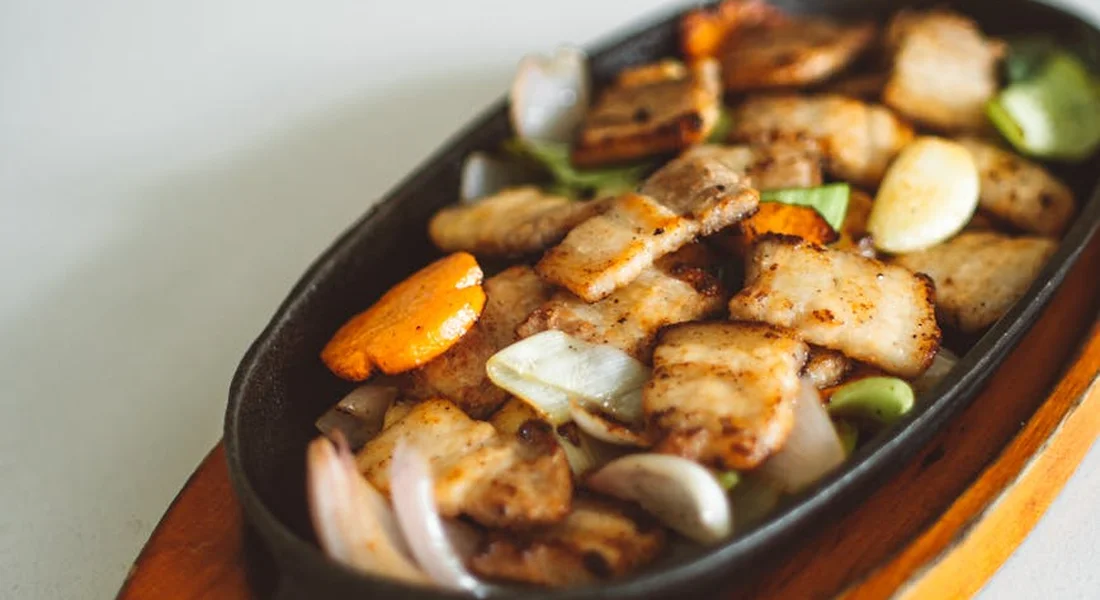
That glorious pie or batch of brownies is gone. Now you’re left with a pan that has baked-on bits and maybe some sticky residue. The cleaning method you use now directly affects your skillet’s future performance.
Your goal is to remove the food, not the hard-earned seasoning you’ve built up. Start by letting the pan cool until it’s warm to the touch, not piping hot. A sudden temperature shock from cold water can warp the iron. Be sure to clean, season, and maintain your cast iron skillet properly to keep it in top condition.
Handling Sticky, Sugary Residue
Sugar and fruit fillings are the main challenge after baking. They can fuse to the seasoning and leave a stubborn, glossy film.
First, pour some warm water into the warm skillet and let it sit for a few minutes. This loosens things up. Use a soft-bristled brush or a non-abrasive sponge to gently scrub. The warm water alone often does the trick. To keep your cast iron in top condition, clean and maintain it after cooking. Regular post-cooking care helps preserve the seasoning and prevent rust.
If the sugar is really stuck, a small drop of mild dish soap is a perfectly acceptable tool for cutting through the sweetness. Modern soaps won’t strip your seasoning. I use this on my own skillets after a particularly gooey cobbler. Rinse thoroughly with warm water.
Drying and Protecting the Pan Post-Wash
Never let your skillet air dry. That’s an invitation for rust. Dry it completely with a towel first.
Then, place it on a stove burner over low heat for two to three minutes to evaporate every last trace of moisture. You’ll see the pan go from looking dry to looking completely dry, which is the goal.
Once it’s warm from the stove, apply a microscopically thin layer of your preferred oil with a paper towel. Wipe it on, then try to wipe it all off like you made a mistake. This leaves just enough to protect the surface. Let the pan cool and store it.
Common Cast Iron Baking Mistakes and How to Avoid Them
Baking in cast iron is forgiving, but a few common errors can set your seasoning back. Here’s how to spot and fix them.
Using the Wrong Utensils on a Hot Skillet
You need to cut or serve that deep-dish pizza straight from the oven. Grabbing a metal spatula or knife seems logical, but it can scrape and gouge the seasoning layer on a hot, soft surface.
Opt for wood, silicone, or nylon tools for serving and cutting inside the pan. They’re gentler on that baked-on polymerized finish. Save the metal spatula for when you’re searing steaks and actively want to scrape up fond.
Letting Acidic Fillings or Batters Sit Too Long
A cherry pie or shakshuka baked in cast iron is fantastic. The mistake is leaving the leftovers in the pan for hours. Acids in tomatoes, citrus, and many fruits can slowly break down the seasoning if they sit in prolonged contact.
Serve your food, then transfer any leftovers to a different container within 30 minutes to an hour. This simple habit protects your pan’s surface without limiting what you can bake in it.
Neglecting a Quick Re-Seasoning After a Tough Clean
Sometimes a bake leaves a real mess. After an aggressive scrub to remove burnt-on cheese or caramel, your pan might feel rough or look dull in spots. That’s a sign some seasoning came off.
Don’t panic and don’t ignore it. A quick stovetop seasoning can patch it up. Here’s how:
- After cleaning and stove-top drying, keep the pan on low heat.
- Add about a teaspoon of oil and spread it over the entire surface with a paper towel.
- Let the pan heat for 5-10 minutes. You might see a wisp of smoke.
- Turn off the heat and let it cool. Your skillet is now protected and ready for its next job.
This five-minute stovetop method is the best way to maintain your skillet’s finish between major oven seasonings. I do this to my daily baker about once a month to keep it in top form.
When to Seek Professional Help for Your Skillet
Your care and dedication can fix 99% of a skillet’s problems. Sometimes, though, a piece is too far gone for home restoration. Knowing when to call a professional for restoring and repairing antique cast iron pans protects your safety and can save an irreplaceable heirloom.
If your skillet was a family treasure used by your grandmother, or a rare find from a flea market, its historical value matters. Professional restoration focuses on preserving that history, not just making it shiny. For severe damage, experts have tools and methods we simply can’t replicate safely in a home workshop.
Calling in a pro isn’t a failure; it’s the responsible choice for preserving cast iron history and ensuring your kitchen safety.
Signs of Damage That Need Expert Attention
Some damage goes beyond a simple re-seasoning job. Here are the clear signs your skillet needs an expert’s touch.
- Deep, Pitted Rust: Surface rust you can scrub off with vinegar is normal. Pitted rust looks like tiny craters or holes in the metal itself. This compromises the iron’s structure and will always be a weak spot, no matter how much oil you apply.
- A Crack or Fracture: Any visible crack, even a hairline one, is a terminal issue for baking. Heat expands the metal, making the crack grow. Eventually, the skillet can split apart, possibly in a hot oven-a dangerous and messy failure.
- Severe Warping (Spinning or Rocking): A slight curve is common in vintage pans. Severe warping makes the skillet rock or spin on a flat glass stovetop or in the oven. This creates uneven heating, so your brownies or hash browns will cook inconsistently, with some spots burning.
- Thick, Crusty Carbon Buildup: Layers of burnt-on gunk can be an inch thick, hiding the actual cook surface. Removing this improperly can damage the underlying iron. Professionals have industrial-grade methods to strip it without harm.
- Extreme Heat Damage: If a skillet was left in a fire, the iron can become brittle, discolor permanently (turning white or chalky), or even develop heat cracks you can’t see. This changes its fundamental properties.
Think of your seasoning like paint on a vintage car; professionals are for when there’s major body damage, not just a scratch that needs touching up.
Finding and Choosing a Cast Iron Restoration Service
Not all restoration services are equal. Look for a specialist, not a general metalworker. Here’s what to ask and look for.
- Ask About Their Process: A good service will clearly explain their steps. They should mention electrolysis tanks or lye baths. Electrolysis, in particular, is the gold standard for removing rust and crud without damaging the iron, but it requires special equipment most homes don’t have.
- Review Their Before-and-After Gallery: A trustworthy restorer will proudly show their work. Look for projects similar to your skillet’s condition. Pay attention to how clean the metal looks after stripping and the evenness of the re-seasoning.
- Check for Seasoning Details: Ask what oil they use for the final seasoning and how many layers they apply. You want someone who treats the final coat with as much care as the stripping process. Avoid anyone who uses unknown chemical sealants or paints.
- Understand the Price and Scope: Get a clear estimate. Restoration can be costly, and that’s often justified by the time and expertise involved. Make sure you know what’s included (e.g., stripping, seasoning, minor surface smoothing).
- Seek Community Recommendations: Online cast iron collector forums and groups are fantastic resources. Members often share firsthand experiences with different restorers across the country.
I sent a deeply pitted, hundred-year-old skillet to a restorer last year. It came back looking like new iron, ready for a fresh start. For that piece, it was the only option. The right professional doesn’t just clean your pan; they give it a new century of life.
Common Questions
How do I maintain the seasoning on a cast iron baking sheet or tray with lots of ridges or edges?
Apply your oil sparingly with a soft cloth or brush to work it into every corner and groove. The key is to wipe away all excess oil to prevent sticky, pooled residue from baking on during your oven’s seasoning cycle. These pieces require the same diligent cleaning and drying as a skillet to keep seasoning even.
What’s the best way to care for a cast iron baking pan or dish that comes with a lid?
Treat the lid with the same respect as the base: clean, dry thoroughly, and apply a protective film of oil after each use. To prevent moisture trapping and rust, store the lid slightly ajar or separately from the base. Remember, the underside of the lid needs seasoning too, as it is exposed to steam and heat.
Can I use the same seasoning and care methods for specialty pieces like cast iron baking molds or a baking stone?
Absolutely. The fundamental rules of polymerized seasoning apply to all cast iron. For intricate molds, use a pastry brush to ensure a thin, even coat of oil in every crevice. Handle a baking stone gently when cleaning to avoid cracking its seasoned surface, and always heat it gradually to prevent thermal shock.
Your Cast Iron, Ready for Anything
The most reliable trick for baking in cast iron is to trust the pan’s heat, but manage your oven’s temperature. Lower your usual baking temperature by 25 degrees Fahrenheit to account for how efficiently cast iron holds and radiates heat, preventing burnt edges and undercooked centers. That contrast shows how cast iron baking differs from traditional bakeware. Its heat retention explains the temperature tweaks above. For more on maintaining that perfect cooking surface, our guides on cleaning after sugary bakes and refreshing your seasoning are great next steps.
Relevant Resources for Further Exploration
- 23 One-Dish Recipes To Make the Most Out of Your Cast Iron Skillet
- 35 Cast-Iron Skillet Desserts We’re Crazy About | Taste of Home
- Recipe – Tagged “Baking” – Lodge Cast Iron
- r/LeCreuset on Reddit: Baking in Cast Iron
- Cast Iron Deserts
Joseph Gerald
A material science expert by profession, Joseph is also an avid cook. He combines his 10+ years expertise in material science and metallurgy with his passion for cast iron cookware to bring you best hands on advice. His expertise ranges from types of cast iron cookware to best seasoning tips as well as restoration of vintage cast iron utensils. Joe is here to help you solve all your cast iron cookware queries and questions.