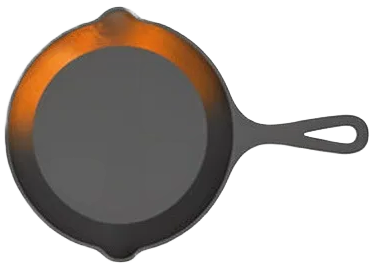
Is Soap Safe for Your Cast Iron? Debunking Common Myths
If you’ve been told to never let soap touch your skillet, you might be stressing over every wash. Let me share what I’ve learned from years in my workshop: most cast iron myths are based on old truths that no longer apply.
- The real facts about washing cast iron with modern dish soap
- How to deal with rust without throwing your pan away
- Straight talk on iron leaching and your health
- Other stubborn myths that might be hurting your cookware care
Myth #1: You Can Never Use Soap on Cast Iron
This rule comes from a good place, but it’s based on outdated information. Great-grandma’s caution was valid for the soaps of her era, which were often made with lye. Lye is a powerful alkali that can strip away the very polymerized oil layers we call seasoning.
Modern dish detergents are completely different. They are mild, pH-neutral cleaners designed to cut grease from dishes, not dissolve cured polymer.
A drop of gentle, modern dish soap will not harm your pan’s well-bonded seasoning. I use it on my own daily drivers all the time.
How to Wash Your Cast Iron with Soap Safely
The key is technique, not avoiding soap entirely. Here is the method I use after most meals.
- Let the pan cool slightly, but clean it while it’s still warm. Warm grease is easier to remove.
- Use a small drop of gentle dish soap and warm water. Scrub with a soft brush, sponge, or nylon scrubber.
- Rinse thoroughly with hot water.
- Dry it immediately and completely. This is the most critical step. I dry mine with a towel, then place it on a low stovetop burner for one minute to evaporate every last bit of moisture.
- While the pan is still warm from drying, apply a microscopic, wiped-off layer of oil to the cooking surface to maintain the finish.
The real enemies of your seasoning are prolonged soaking, which leads to rust, and using abrasive steel wool or scrub pads on a young, soft seasoning layer.
Think of your seasoning like a good coat of paint on wood. Soap and water clean it. Letting it sit in water makes the wood swell and ruins everything underneath.
Myth #2: Cast Iron Pans Leach Dangerous Amounts of Iron Into Food
I see this worry pop up constantly in online forums. People hear “metal” and “food” and think of contamination. The reality is far less alarming and, for many, actually beneficial.
Yes, a small amount of iron transfers from your pan into your food. This is a documented fact. The transfer increases when you cook acidic foods like tomato sauce or wine-based pan sauces.
For the vast majority of people, this iron transfer is a safe, dietary source of a vital nutrient, not a toxic hazard. Your body needs iron. Cooking with cast iron is one way to get a little more of it, especially if you have a diet low in red meat, as it can increase the iron content of your food.
The amount is very small. We’re talking about milligrams, not chunks of metal. It’s a natural interaction, not a manufacturing flaw.
You should be far more concerned about cooking with a pan that has active rust or a severely damaged, flaking seasoning. That’s a sign of poor maintenance, not an inherent property of the iron itself. A well-cared-for pan with a stable cooking surface is perfectly safe to use.
If you have a specific medical condition like hemochromatosis (where your body stores too much iron), you should consult your doctor. For everyone else, the iron from your skillet is not something to fear.
Myth #3: You Should Never Cook Acidic Foods Like Tomato Sauce
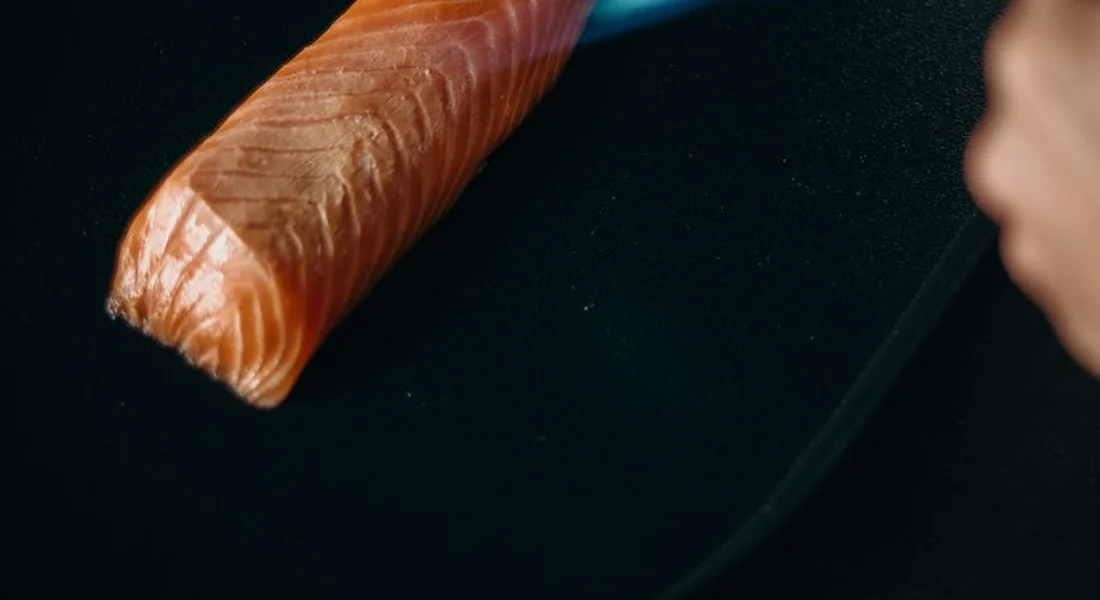
This is one of the most persistent cast iron rules. Many people treat it as an absolute law. I’m here to tell you it isn’t. You absolutely can cook acidic foods like tomato sauce, wine-braised dishes, or lemon chicken in your cast iron. In fact, with the right approach, you can cook acidic foods safely in cast iron. In the next steps, we’ll explore practical tips to manage acidity and keep your pan and flavors happy.
The myth stems from a real chemical reaction. Acidic ingredients can interact with the iron metal and may break down the polymerized oil layer we call seasoning. The key detail often left out is that this effect is most pronounced on new, thin, or weak seasoning. A pan with a thin, fresh coat is more vulnerable than a veteran pan with a robust, well-bonded surface.
For a well-loved, black-as-night skillet, making a quick marinara for 20 minutes is perfectly fine. The seasoning is durable. For a newer pan or one you’re still building confidence with, limit extended simmering. A quick sear of lemon chicken is different from a three-hour tomato ragù.
If you do cook something acidic and notice a slight dulling or metallic taste, don’t panic. Your seasoning isn’t ruined. My go-to fix is to simply cook a fatty food next, like bacon or sautéed onions, to help reinforce the oil layer. It’s a gentle, effective way to care for your pan without starting a full re-seasoning project.
Myth #4: More Layers of Seasoning Always Make a Better Pan
This idea leads people to bake layer upon layer of oil onto their pans, chasing some imaginary perfect number. It’s a misunderstanding of what good seasoning actually is. More is not better.
Think of proper seasoning like a thin, hard coat of varnish on a wooden table. It’s smooth, slick, and bonded to the surface. Now imagine slathering on thick, globby layers of paint. That paint would feel sticky, take forever to dry properly, and eventually crack and peel. That’s what happens when you try to build up thick “layers” of seasoning too quickly.
Excess oil that isn’t fully polymerized becomes sticky, attracts dust, and creates a gummy surface that food loves to stick to. It can also bake on in a brittle way, leading to flaking. I’ve restored many pans where the problem wasn’t rust, but a thick, uneven crust of half-baked oil that had to be completely stripped.
A perfectly seasoned pan should feel smooth and slick to the touch, almost glassy, not tacky or rough. It should be a single, unified, durable surface. You achieve this through thin, even coats of oil wiped on, then almost completely wiped off, before heating. One or two of these perfect, thin applications is worth a dozen rushed, thick ones. Focus on quality, not quantity.
Myth #5: A Little Rust Means Your Pan is Ruined

I’ve pulled plenty of pans with a dusting of orange from the back of a cabinet. Let’s get this straight: surface rust is a maintenance issue, not a funeral for your cookware.
Finding rust simply means the protective seasoning layer was breached and moisture got to the bare iron, which is an easy problem to fix. You don’t need special tools, just a few household items and a little time.
Here’s my simple, reliable process for tackling light, spotty rust.
- Create a 50/50 mix of white vinegar and water in a basin or sink.
- Submerge the rusty area for no more than 30 minutes. Vinegar is an acid, and you don’t want to etch the good iron.
- Scrub the area vigorously with a stainless steel scrubber or a dedicated rust eraser. The rust should come off easily, revealing gray metal.
- Rinse the pan, then immediately dry it completely with a towel.
- Place the pan on a stovetop burner on low heat for a few minutes to drive off any hidden moisture.
- Apply a very thin coat of your preferred seasoning oil and proceed with a standard oven seasoning cycle to rebuild the protective layer.
It’s vital to know the difference between a fixable situation and a serious one. Light surface rust wipes away with this process. Deep, pitted corrosion where the metal itself is cratered is different. For a pan with major structural pitting, professional sandblasting or electrolysis might be the only real fix, but that’s rare for a pan in regular kitchen use.
Think of rust as a reminder, not a catastrophe. It’s your pan telling you it needs to be dried more thoroughly after its next wash. With a simple care routine, you can fix and prevent rust on cast iron cookware. Keep up with drying and reseasoning, and your pan will stay in prime searing shape. My own daily driver skillet has seen a spot or two over the years. A quick fix and it’s been back to searing steaks for a decade.
Myth #6: Cast Iron is Too Difficult and Fussy to Maintain
This myth paints a picture of an hour-long cleaning ritual and a fragile heirloom you can’t actually use. The reality is wonderfully simple.
Cast iron isn’t impossible to clean. It’s incredibly forgiving. Stuck on food? Soak it in warm water for ten minutes and it will scrub right off. It’s not too bulky for daily use. My most reached-for skillet is a 10-inch size, perfect for eggs, grilled cheese, or a single pork chop. You build the wrist strength without even noticing. After cooking, give it a quick clean and dry it. Then rub a thin layer of oil to maintain the seasoning.
The entire philosophy of care boils down to a simple, three step loop you do after cooking.
- Clean it while it’s still warm.
- Dry it completely, using heat.
- Give it a microscopic wipe with oil if you’re feeling thorough.
That’s it. You’re not preserving a museum piece, you’re maintaining a tool. The goal is cooking, not perfection. A small scratch, a slightly sticky spot, a less-than-mirror-black finish are all completely fine.
Quick Snapshot: Daily Care Myth vs. Reality
| Myth | Reality |
|---|---|
| Scrub for an hour after each use. | A quick scrub with a brush and maybe soap takes 60 seconds. |
| You must oven-season after every wash. | Just dry it on the stove and apply a microscopic coat of oil. |
| It’s too heavy to handle daily. | Smaller skillets and dutch ovens are manageable; it’s a strength tool. |
The daily routine is straightforward and fast, leaving you more time to enjoy the superior cooking results.
Common Mistakes and How to Avoid Them
Even with the best intentions, it’s easy to make a small error that sets your seasoning back. These aren’t failures, they’re just part of the learning process. Let’s walk through the most frequent slip-ups I see.
Using Too Much Oil When Seasoning
This is the number one reason for a sticky, gummy pan. Think of oil for seasoning like paint for a wall. You want a thin, even coat. A thick, gloppy layer won’t dry properly; it will just polymerize into a tacky mess.
The fix is to wipe the pan as if you made a mistake and are trying to remove all the oil. After applying your fat of choice, use a fresh, clean cloth or paper towel to buff the entire surface. Then, get another clean towel and wipe it again. You should not see any visible liquid or wet spots, just a faint, uniform sheen.
Putting a Hot Pan Into Cold Water
Cast iron is tough, but it’s not a fan of sudden, extreme temperature changes. This is called thermal shock. Going from a blazing hot stovetop directly into a sink of cold water can cause the iron to contract too quickly. At best, this stresses the metal. At worst, it can cause a permanent warp or even a crack.
Always let your pan cool down to a warm or room temperature before washing it. If you need to deglaze while cooking, use a warm liquid like broth or wine, never ice-cold water straight from the tap.
Storing Pans While Damp or Sealed Tight
Moisture is the enemy of bare iron. Trapping any dampness, even from steam, inside a sealed lid or in a stack of pans is an invitation for rust to start forming. I’ve opened a “clean” Dutch oven after a week to find a fine orange dust inside.
Before storing, ensure your pan is completely, bone-dry. I always give mine a quick 2-minute heat-up on the stove burner after towel drying. Then, store it with the lid off or slightly ajar. A paper towel placed inside can also wick away ambient moisture.
Using Metal Utensils Aggressively on New Seasoning
A well-established seasoning is incredibly durable. My daily driver skillet can handle metal spatulas just fine. But a fresh, thin seasoning layer is still building its bond. Scratching at it aggressively with sharp metal tools can scrape it off before it has a chance to mature.
Treat a new or freshly re-seasoned pan with a little extra care for its first few cooks. Use wooden, silicone, or nylon utensils initially. Once you’ve built up a few more cooking layers, you can switch to metal without worry.
Thinking a Pre-Seasoned Pan is “Done”
Factory seasoning is a great starting point, but it’s often thin and not as durable as the layers you build yourself through cooking. It provides basic rust protection for the shelf, not a lifetime of non-stick performance.
Your first job with a new pre-seasoned pan is to improve that foundation. Wash it, dry it thoroughly, then give it one or two rounds of oven seasoning with a very thin layer of oil. This will fortify that initial coat and make your pan ready for a lifetime of great cooking.
When to Seek Professional Help for Your Cast Iron
Most cast iron issues are perfectly manageable at home. But sometimes, a piece has damage that goes beyond routine maintenance. Knowing when to call a professional can save you time and prevent you from accidentally destroying a valuable heirloom.
Deep, Pitted Rust That Resists Vinegar
A surface rust spot is a simple fix. Deep, pitted rust is different. If a 50/50 water and white vinegar soak for 30-60 minutes, followed by a vigorous scrub with steel wool, doesn’t remove the gritty, crater-like texture, the damage may be severe.
Professional restorers have tools like electrolysis tanks or media blasters that can remove deep rust without harming the underlying iron. They can tell you if the pan is still structurally sound, which is especially important for cast iron cookware.
A Warped Pan That Rocks on Your Burner
A slight warp can sometimes be lived with, but a severe one that causes dramatic rocking and uneven heating is a real problem. Attempting to flatten warped cast iron at home is almost impossible and very dangerous.
This is a job for a professional metalworker with the proper heating and pressing equipment. For a common modern skillet, it’s often more practical to replace it. For a rare antique, a specialist might be worth consulting.
A Significant Crack or Hairline Fracture
Cast iron cannot be welded or repaired in a way that makes it food-safe and thermally stable again for cooking. A crack will only grow with heat cycles, especially given the brittle nature of cast iron.
A pan with any crack, no matter how small, should be retired from cooking duty. It can become a planter or a decorative piece, but using it on heat risks it breaking apart completely, which is dangerous.
Extreme, Baked-On Carbon Buildup
Layers of burnt-on grease and food (carbon buildup) can get so hard they feel like part of the pan. If scrubbing, oven cleaner, and even careful use of a propane torch won’t touch it, you risk damaging the iron with more aggressive force.
A professional can use controlled techniques to strip the carbon without pitting or damaging the vintage iron underneath. This is common for pans that were used for decades without proper cleaning.
Very Old or Collectible Pieces of Unknown History
If you inherit a 100-year-old skillet or find a unique piece with unfamiliar markings, its history matters. Was it used with lead? Does it have an old, non-stick coating under the grime? Is it a rare brand?
For valuable or historically interesting cast iron, a professional assessment is the safest first step. They can test for contaminants and recommend a restoration path that preserves both its safety and its value.
Common Questions
Is any soap safe, or are there kinds I should still avoid?
Modern, mild liquid dish soaps are perfectly safe. Avoid soaps with added abrasives or lye-based soaps, which are harsh and can strip seasoning. For daily cleaning, a simple, gentle detergent is all you need.
Should I really never use metal utensils on my cast iron?
That’s a myth. Properly polymerized seasoning is remarkably durable. A metal spatula is an excellent tool for scraping up fond and smoothing the cooking surface over time. Just avoid using sharp knives or grating directly on the pan.
Can I use my cast iron on any type of stove?
Yes, cast iron works excellently on gas, electric, and induction cooktops, and it is oven-safe. Its only limitation is slight uneven heating on electric coils, which is managed by proper preheating. Always avoid drastic thermal shocks, especially when using it on delicate surfaces like induction cooktops.
Trust Your Pan, Not the Myths
Your cast iron thrives on simple, consistent care, so don’t be afraid to use soap and water to clean it after cooking. The real secret is to dry it completely and apply a whisper-thin layer of oil before putting it away, which builds a resilient seasoning that lasts for years. Seasoning with a light coat of oil is how you maintain your cast iron over time. Keep oiling lightly after each cleaning to preserve the seasoning. For deeper insights on topics like choosing the best oil or safely restoring a rusted find, browse our library of care guides.
References & External Links
- The Truth About Cast Iron Pans: 7 Myths That Need To Go Away
- Virginia Tech food scientist dispels the myths behind cast iron pan use | Virginia Tech News | Virginia Tech
- Can You Really Not Wash Your Cast Iron with Soap? | The Kitchn
- r/castiron on Reddit: For those in the back! Cast iron MYTHS that keep getting perpetuated.
A material science expert by profession, Joseph is also an avid cook. He combines his 10+ years expertise in material science and metallurgy with his passion for cast iron cookware to bring you best hands on advice. His expertise ranges from types of cast iron cookware to best seasoning tips as well as restoration of vintage cast iron utensils. Joe is here to help you solve all your cast iron cookware queries and questions.