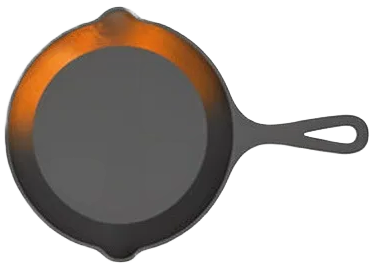
Will Induction Cooking Harm My Cast Iron Seasoning?
If you just switched to an induction cooktop, you might be wondering if its powerful, direct heat will damage the hard-earded seasoning on your favorite skillet. The good news is that cast iron and induction are a fantastic pairing, but the intense heat demands a few simple changes to your maintenance routine.
This guide covers what you need to know to keep your pan in top shape. I will share the adjustments I make with my own pans on an induction hob.
- How induction heat uniquely affects your pan’s seasoning layer.
- The right way to control temperature to prevent damage.
- Simple steps to protect both your pan and your glass cooktop surface.
How to Check if Your Cast Iron is Induction-Ready
Not all cast iron works on an induction cooktop. The stove needs to ‘see’ the pan to heat it. You need to perform two simple checks: one for the metal and one for the shape.
The Magnet Test: The Non-Negotiable First Step
Hold a standard refrigerator magnet to the center of your pan’s cooking surface. If it sticks firmly, your pan is made of a ferrous (iron-based) metal that induction can work with. If it falls off, the pan, like some enameled pieces with non-magnetic stainless steel bases, won’t work.
This magnet test is the absolute rule for induction compatibility; if the magnet doesn’t stick, the cooktop won’t heat the pan.
The Coin Test: Checking for a Truly Flat Bottom
Induction requires very close contact. Place your pan on a perfectly flat countertop. Take a coin and try to slide it under the pan’s bottom, especially around the outer cooking ring.
- If the coin slides under easily, the pan has a warp or curve.
- If the coin is stopped completely, the bottom is flat.
A warp of even a millimeter can create an air gap, making heating inefficient and uneven. I keep a quarter in my workshop drawer just for this test.
Problem Features to Look For
Some classic pan designs weren’t made for modern, ultra-flat glass surfaces. Be cautious with:
- Hammered or Textured Bottoms: The dimples reduce surface contact.
- Pronounced Heat Rings: This raised outer ring means only a small circle in the center touches the glass.
- Older, Worn Pans: Decades of use can sometimes create subtle warping.
You might get some heat with these, but it will be weak and focused in one spot, which is a recipe for frustration and poor cooking.
FAQ: How do I know if my cast iron is induction compatible?
Use the two-step method. First, do the magnet test. If it passes, do the coin test for flatness. A pan must pass both to work well. Most modern cast iron is induction-ready, but always check, especially with vintage or specialty pieces. A warped pan that works on gas will often fail on induction.
Why Induction Changes Your Cast Iron Maintenance Routine
Induction doesn’t just heat your pan differently; it asks more from your seasoning. Understanding this shift is the key to preventing problems.
Direct, Rapid, and Focused Heat
Imagine gas heat as a warm blanket slowly wrapping around your pan. Induction is like a precise laser pointer hitting only the spot directly over the coil. The pan itself becomes the heat source, and it happens incredibly fast.
This speed and precision means you can accidentally overheat a dry pan or an empty spot in under a minute, which is much harder to do on a conventional burner.
Induction vs. Gas or Electric Coils: A Heat Comparison
On a gas flame, heat travels up the sides of the pan, creating a more gentle and even gradient. An electric coil is slower and radiates heat outward. Induction bypasses all that. It generates heat only in the iron that is in direct magnetic contact with the coil’s pattern beneath the glass.
The result? The center of the pan can be scorching hot while the very outer rim is still cool to the touch.
The Main Risk: Localized Overheating
This concentrated heat creates two big maintenance challenges:
- Hot Spots: These are small, intensely hot areas. If your seasoning layer is thin or weak there, the extreme heat can burn it off, leaving a dull gray patch of bare iron that’s prone to rust.
- Thermal Shock Risk: Placing a cold, wet pan on a high induction setting creates a violent temperature clash in one specific zone. This can stress the iron and crack thin or compromised seasoning.
I learned this the hard way with an old griddle. A small hot spot burned a patch of seasoning, and I didn’t notice until a speck of rust appeared the next day. If rust shows up, don’t panic—clean it off and reseason. Then keep using the pan regularly to maintain the seasoning.
FAQ: How is cooking on induction different?
Induction requires a mindset of control and preheating. You must preheat on a medium-low setting for a few minutes to allow heat to spread laterally through the iron before you crank it up or add food. You also need to be meticulous with your oiling after cleaning, as any bare spots are more vulnerable to that focused heat. It’s not harder, just different, and your maintenance routine must adapt to that intense, direct energy.
Your Pre-Heat and Cooking Checklist for Induction
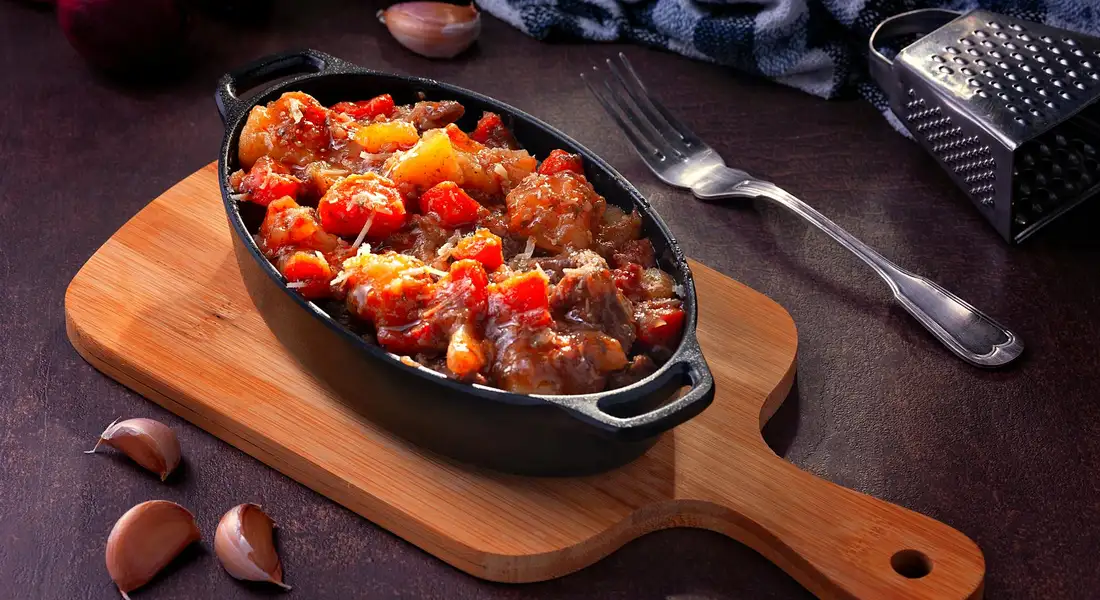
Induction heat is incredibly direct. It goes from zero to very hot in seconds. This speed is fantastic for boiling water, but it demands a gentle approach with cast iron. Your goal is to warm the entire pan evenly, not just the bottom.
Step-by-Step Pre-Heating
- Place your dry skillet centered on the induction burner.
- Set the power level to the lowest setting, often labeled “1” or “Keep Warm.”
- Let it warm for 3 to 5 full minutes. This gives heat time to spread slowly up the sides of the pan.
- Gradually increase the power to your desired cooking temperature, pausing for 30-60 seconds between each increase.
Always start low and slow; this patience protects your pan’s structure and your seasoning from thermal shock.
Match Your Pan to the Burner
An induction burner activates only where the pan makes contact. If your 10-inch skillet sits on an 8-inch burner, the outer rim stays cold while the center gets intensely hot. This uneven heating can cause stress and lead to warping over time.
Aim for a pan whose base is roughly the same size as the burner’s marked ring. If you only have a large pan, use a larger burner or understand that the edges will heat more slowly.
Never Slide the Pan
This rule is non-negotiable. The glass-ceramic surface of an induction cooktop can be scratched by the rough texture of cast iron. Always lift the pan completely to move or adjust it. A simple scratch can become a weak point for future cracks in the glass. Even if you can use cast iron on induction cooktops, it’s important to handle them carefully to avoid damage.
Avoid Prolonged Empty Heating
Heating an empty cast iron pan on high for more than a minute or two is a common way to damage seasoning. On induction, the heat is so concentrated it can “burn off” the polymerized oil layers in the spot directly over the burner. Your pan should never be smoking aggressively when empty; that’s your seasoning breaking down. Add your oil or fat once the pan is moderately warm, not scorching hot. If your pan starts smoking, that’s a sign the seasoning is breaking down from overheating. Keep the preheat gentle and use only a light coat of oil after the pan has warmed.
Choose Your Utensils Wisely
Metal utensils are fine for your cast iron, but be mindful of the cooktop. A slip with a metal spatula can gouge the glass. I prefer sturdy nylon or bamboo tools for everyday use to protect both surfaces. If you need to scrape, use a wooden flat-edge turner-it’s effective on food but gentle on glass. When using cast iron on glass-top stoves, always follow the safety and best practices to prevent any damage.
Tools and Gear for a Smooth Experience
The right accessories make induction cooking with cast iron safer and more effective. They solve specific problems you might not have on a gas or electric coil stove.
The Induction Interface Disk (Adapter)
An induction interface disk is a flat, magnetic steel plate that sits on your burner. You place your non-induction-ready cookware on top of it. For cast iron, its use is specific.
- Pro: It can make a severely warped or rounded-bottom antique skillet usable on induction by providing a flat, magnetic surface.
- Con: It adds a layer between the heat source and your pan, making temperature control less responsive and less efficient. It also heats the glass cooktop directly, which can be a safety issue.
You only need a cast iron induction cooking adapter if your vintage pan is so warped it won’t make stable contact; for modern, flat cast iron, skip it.
Trivets and Pan Protectors
Cast iron holds heat for a long time. Placing a searing-hot skillet directly on your granite, quartz, or wooden countertop can cause thermal shock and damage. A simple trivet is essential gear. I use a thick, woven silicone hot pad or a dedicated cast iron trivet with little feet. It protects your surfaces and lets your pan cool safely.
Checking for Flatness
For best performance on induction, your cast iron induction frying pan needs a very flat bottom. The easiest way to check is with a simple metal ruler. Place the edge of the ruler across the bottom of your dry, clean pan. Shine a light behind it. If you see significant gaps, especially in the center, your pan is bowed. A small amount of light is normal, but large gaps mean less efficient contact and heating.
Fixing Common Induction-Specific Problems
Induction burners are incredibly responsive, which is a double-edged sword. The heat comes fast and can be intensely focused. This can create a few unique challenges for your cast iron on induction cooktops, especially with regard to its seasoning.
When Your Seasoning Looks Spotty or Stripped
If you see light, patchy, or grayish spots right in the center of your pan, that’s a classic sign of overheating on induction. You essentially burned off a thin layer of the polymerized oil coating. The fix starts with dialing back your heat; you rarely need to go above a medium setting on an induction hob for most cooking tasks. For the damaged seasoning, a quick stovetop maintenance season can often restore it.
- After cleaning and drying the pan, place it on the induction burner at your lowest heat setting for 2-3 minutes to warm it gently.
- Add 1/2 teaspoon of a high-smoke-point oil (like grapeseed or avocado) and wipe it over the entire cooking surface with a paper towel.
- Using a fresh, dry paper towel, buff the oil as if you’re trying to remove it all. You want only a microscopic film left.
- Turn the burner up to medium. In about 3-5 minutes, you’ll see the oil start to smoke lightly. Let it smoke for 1 minute, then turn off the heat and let the pan cool completely on the burner.
This process bonds a fresh, thin layer of seasoning right where you need it.
If Food Starts Sticking More Often
This usually points to two issues working together: too much heat and not enough fat. Induction heats the pan bottom so quickly that if you don’t let the pan preheat evenly or you skimp on oil, proteins can bond instantly to the iron. Always preheat your pan slowly on a low-to-medium setting for a full 5 minutes, and don’t be shy with your cooking fat, especially for the first minute of cooking. It gives that slick polymerized surface a chance to work.
Handling a Slight Warp (Spinning or Oil Pooling)
A faint warp or spin doesn’t mean the pan is ruined. It happens because the intense, direct heat from induction can cause slight, uneven expansion. If oil pools around the edges, just swirl the pan to distribute it while cooking. A warped pan still works perfectly fine on induction, as the magnetic field will hold it in contact, but it can be annoying on a glass electric or gas burner. This is a key reason many folks on forums report a pan becoming “induction-only” after long use. There’s no safe way to flatten it at home, so the best approach is to adapt your technique.
A Simple Full Re-Seasoning Method
For pans with widespread, flaky, or sticky seasoning damage from repeated high heat, a full oven re-season is the most reliable path to a fresh start.
- Wash and completely dry the pan.
- Place it upside-down in a cold oven, set the oven to 450°F (230°C), and let it heat for 15 minutes. This opens the pores of the iron.
- Carefully remove the pan (use oven mitts). Apply a tiny amount of oil with a paper towel, then aggressively buff it off with a fresh towel. The pan should look almost dry.
- Place it back in the oven, upside-down, and bake for 1 hour. Turn the oven off and let the pan cool inside completely.
One cycle might be enough, but two or three will build a more robust base layer. This is the same method I use on my own vintage finds, and it creates a foundation that’s much more resistant to induction’s focused heat.
Answering Your Induction Compatibility Questions
The big question I see everywhere is, “What if my cast iron isn’t compatible?” True cast iron is almost always magnetic and will work. The real concern isn’t compatibility, it’s condition. A severely warped pan or one with a thick, bumpy crust of carbonized gunk on the bottom won’t make efficient contact with the cooktop, leading to slow, uneven heating. The maintenance fixes above address the most common “Reddit worries”: spotty centers, sticking, and the frustration of a spinner. Your pan is likely fine, it just needs you to adjust your heat management and care routine. If rust has started to show, it’s possible to fix your rusty cast iron skillet and keep using it. It’s safe to cook with a restored cast iron once you’ve cleaned, removed the rust, and reseasoned it.
Cleaning Your Pan and Protecting Your Cooktop
Your induction cooktop is a precision instrument with a glass surface. How you clean your cast iron directly affects both the pan’s longevity and the cooktop’s pristine condition.
The Safe Way to Clean a Hot Pan
Never pour cold water into a scorching hot cast iron pan directly on the induction glass. The thermal shock can potentially crack the cooktop. Always transfer the hot pan to a cold burner, your sink, or a trivet before adding any water for cleaning. Let it cool for a few minutes until it’s warm to the touch, not nuclear hot.
Why Gentle Cleaning Preserves the Surface
Aggressive scrubbing with metal brushes or harsh abrasives on the pan’s bottom can create microscopic scratches. Over time, this can wear down the iron, making the surface less perfectly flat. A flat bottom ensures maximum contact with the induction burner, which translates to faster, more even heating. I use a nylon brush or a paste of coarse salt and water for 90% of my cleaning. It gets the job done without being abrasive.
Removing Carbon Buildup for Maximum Efficiency
That black, shiny, sometimes sticky layer that builds up on the pan’s bottom isn’t seasoning, it’s carbonized food and oil. It acts as an insulator. Scrubbing this carbon layer off the bottom of your pan periodically ensures the magnetic energy transfers directly into the iron, not into a layer of gunk. For tough buildup, use a dedicated cooktop scraper (the single-edged razor blade kind) held at a 45-degree angle. It works on the pan bottom just as it does on the glass cooktop itself, shaving off the carbon without damaging the iron. This is an important step in maintaining your cast iron skillet.
The Final, Non-Negotiable Step
Before you ever set your pan back down on that clean glass surface, look at the bottom. Wipe the entire bottom of the pan dry and check for any tiny food debris, salt grains, or hardened oil specks, as these can scratch the glass when the pan is moved. This takes five seconds but prevents the heartbreak of hearing a gritty scrape or seeing a new scratch on your cooktop. My daily driver skillet lives on my induction hob, and this simple habit has kept both it and the cooktop in perfect shape for years.
Storing Cast Iron for Induction Use
Storing a cast iron pan the right way is always a good idea, but it becomes non-negotiable with induction. On a gas or electric coil, a few scuffs on the bottom don’t matter much. On a glass-top induction cooker, those same scuffs can create a frustrating gap between your pan and the magnetic field. Storing cast iron properly helps prevent rust and preserves the seasoning. Dry it thoroughly and apply a light coat of oil before storing, especially for induction cookware.
Your primary goal is to protect the pan’s perfectly flat cooking surface on the bottom just as much as the seasoned surface on the inside.
Choose Storage That Protects All Sides
Never just stack pans directly on top of each other. The rim of one skillet will scrape and dig into the bottom of the one below it. Over time, this creates micro-scratches and, eventually, visible gouges that lift the pan off the cooktop surface.
Instead, I separate every piece. Here are the methods I use in my own kitchen:
- Felt or Silicone Pan Protectors: These are simple disks or squares you place between pans. They are the easiest solution for cabinet or drawer storage. Make sure the protector is slightly larger than the pan’s base to guard the edges.
- Individual Pan Cradles: Some racks or dividers are made to hold one pan per slot, keeping them completely separate. This is a great option if you have the space.
- Hanging: If you have a pot rack or wall hooks, hanging your cast iron is arguably the best method. It eliminates all contact with other cookware, protects the base, and shows off your collection. Just ensure the hook is sturdy and fits your pan’s handle securely.
Why the Base is Critical for Induction
Induction works through magnetic contact. The cooktop creates a magnetic field that directly excites the iron molecules in your pan, generating heat. If the base of your skillet is scratched or warped, even slightly, full contact is lost.
Think of it like trying to heat a pan that’s wobbling on a few pebbles. The spots touching the glass get hot, but the raised areas do not. This leads to uneven heating and poor performance. Proper storage isn’t just about organization; it’s the frontline defense for maintaining the flat, smooth base that makes induction cooking work so well.
A pan stored carefully will maintain its perfect contact for years. One tossed in a drawer with other pots will slowly lose its compatibility, making your induction hob seem ineffective when the real issue is the pan’s damaged bottom.
Common Questions
Do I need a special adapter plate for my cast iron on induction?
Almost never. A true cast iron skillet is inherently magnetic and induction-ready. An adapter plate is only a last resort for a severely warped heirloom piece that cannot make stable contact. Using one regularly adds an inefficient, laggy layer of heat and risks overheating your glass cooktop.
Can I use my cast iron griddle or grill pan on induction?
Yes, but with a major caveat. The entire cooking surface must be in flat contact with the glass. A dual-burner griddle must span two activated burners to heat evenly. Grill pans with raised ridges will only heat where the base touches, leading to extreme hot spots and poor cooking performance.
Will using my cast iron on induction wear it out faster?
No, not if you manage the heat correctly. The iron itself is not harmed. However, the intense, focused heat can strip seasoning more quickly if you overheat it. This makes a consistent maintenance routine-gentle pre-heating, careful cleaning, and timely oiling-more critical than ever to protect the surface, especially when cooking acidic foods.
Keeping Your Cast Iron Happy on Induction
For lasting performance, always preheat your skillet on a low or medium induction setting to let the heat spread evenly and protect your seasoning. Make it a habit to dry the pan completely on the stovetop after washing, as induction’s lack of residual heat can leave moisture behind. Mastering your heat control and after-care routine will serve you well, much like learning the nuances of oven seasoning or tackling rust repair.
Industry References
- Has anyone attempted to season cast iron cookware on an induction cook-top? – Quora
- r/AskCulinary on Reddit: Can I season a cast iron griddle pan on an induction stove?
- Seasoning Cast-Iron Cookware
- Can You Use Cast Iron on Induction Cooktops? | Whirlpool
- pan – How do I season an iron griddle on an induction hob? – Seasoned Advice
- r/castiron on Reddit: How to season pan with an induction cooktop?
Joseph Gerald
A material science expert by profession, Joseph is also an avid cook. He combines his 10+ years expertise in material science and metallurgy with his passion for cast iron cookware to bring you best hands on advice. His expertise ranges from types of cast iron cookware to best seasoning tips as well as restoration of vintage cast iron utensils. Joe is here to help you solve all your cast iron cookware queries and questions.