How Does Rust Form on Cast Iron and What Can You Do About It?
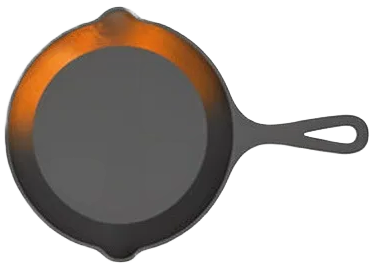
Finding a reddish-brown patch on your skillet can make your heart sink, but that orange bloom is a fixable problem, not a death sentence. Rust is just a chemical reaction you can learn to manage, and with the right knowledge, your pan will be cooking for years to come.
I’ve brought dozens of rusty pans back to life in my workshop, and in this guide, I’ll share that hands-on knowledge. Here’s the straightforward, practical advice we’ll cover:
- What rust really is: a simple breakdown of the chemistry, using an analogy you already know.
- The two main things that cause rust on your cookware and how to stop them.
- A reliable, step-by-step method to scrub rust away and restore your pan’s surface.
- How a good layer of seasoning acts as a shield, preventing rust from starting in the first place.
What Is Rust? The Simple Chemistry in Your Kitchen
Think of that old nail you once found in the rain. It was coated in a rough, orange-brown flake. That’s rust. For your cast iron pan, it’s the same simple, quiet reaction.
Rust forms when three things come together: iron, oxygen from the air, and water (even humidity counts). Chemists call it a redox reaction. I think of it as metal slowly burning. The iron combines with oxygen, but water has to be there to keep the reaction going. The result is ferric oxide, or rust.
Rust is a weak, flaky crust that continually exposes fresh metal underneath, letting the reaction eat deeper into your pan. It doesn’t bond to the surface like a good seasoning. It just sits on top, ready to chip off. Understanding why rust forms can help you prevent it.
Your entire mission with cast iron care boils down to one goal: keep those three reactants apart. You build a barrier between your iron and the world.
Why Your Pan Rusts: Common Culprits for Cast Iron and Carbon Steel
We only talk about reactive metals here, like cast iron and carbon steel. Stainless steel has different rules. For our pans, rust happens when our defenses break down. These are the two main ways it happens.
Moisture Is the Main Enemy
Water is the spark. Without it, air and iron can’t start their reaction. The problem is we often leave moisture behind without realizing it.
- Improper Drying: Wiping with a towel isn’t always enough. Towels leave behind a microscopic film of water.
- Humid Storage: Storing a pan in a closed cabinet under the sink, or in a damp basement, is asking for trouble. Humid air provides all the water the reaction needs.
- Soaking or Dishwasher Use: This is the cardinal sin. Submerging your pan for hours strips seasoning and guarantees water finds every pore. A dishwasher’s harsh detergent and prolonged moisture is a rust factory.
Air-drying your pan is a risky gamble, but taking the extra minute to heat-dry it on the stovetop is a sure bet for safety. I dry my pans on a low burner for a few minutes after every wash. The heat drives off every last bit of water a towel can’t reach.
When the Seasoning Layer Fails
Seasoning is your pan’s synthetic skin. It’s a hard, polymerized layer of oil that shields the bare iron. When this layer gets damaged, the metal underneath is exposed and vulnerable. Fixing and repairing the seasoning is essential to maintain the pan’s integrity and performance.
- Scratches from Utensils: Metal spatulas are fine for sliding, but aggressive scraping with sharp edges can gouge the seasoning.
- Acidic Foods: Cooking tomatoes, wine-based sauces, or citrus for long periods can slowly break down the polymerized oil bonds.
- Abrasive Cleaning: Using steel wool or harsh scrub pads on a warm pan can scrub the seasoning right off, especially if the layer is still new and thin.
A strong, well-built seasoning layer acts like a raincoat for your pan, beading up water and blocking oxygen. A thin or patchy layer is like a worn-out jacket with holes. In my workshop, pans with weak seasoning are always the ones that come in with rust spots. The fix isn’t complicated. It’s about repairing that protective barrier through proper re-seasoning.
Your Best Defense: How to Prevent Rust from Starting
The best fix for rust is making sure it never happens. Think of these as daily habits that make the hard work of restoration unnecessary. Consistency matters more than perfection.
The Right Way to Dry Your Pan, Every Time
Water is the enemy, and your drying towel is not a complete hero. After washing, I always give my pan a three-step dry.
- Wash with warm, soapy water and scrub clean.
- Towel-dry every surface you can reach, inside and out.
- Place the pan on a stove burner over low to medium heat for about two full minutes.
This final heat step drives off the invisible film of water your towel left behind, ensuring the pan is bone-dry and safe to put away. You’ll see any leftover moisture sizzle away in seconds.
The Protective Power of a Quick Oil Wipe
Once your pan is dry and just warm to the touch, this is your moment for a tiny bit of after-care. Put a single drop of oil (like canola or grapeseed) on a folded paper towel.
Wipe the entire pan, inside and out, to spread that oil into a micro-thin, almost invisible layer. Then, take a second clean paper towel and buff the surface as if you’re trying to remove all the oil you just put on.
This isn’t re-seasoning; it’s just leaving a protective molecular barrier that stops ambient moisture from contacting the iron directly. Some chefs and chemists discuss whether seasoning truly bonds to cast iron or simply polymerizes into a surface film. Either way, the layer reduces moisture contact and can build with repeated use. I do this after every wash on my daily driver skillet.
Smart Storage for a Dry, Happy Pan
Where you put your pan away is the final piece of the puzzle. Never store a lid on a pan that is even slightly damp, as this creates a sealed, humid environment perfect for rust.
If you stack pans in a cabinet, place a paper towel, a clean cloth, or even a folded paper bag between them. This allows for air circulation and prevents moisture from getting trapped where the iron surfaces touch.
Avoid sealing cast iron in airtight plastic containers or bags unless you are absolutely certain it is perfectly dry. A simple kitchen cabinet shelf is often the best place.
How to Remove Rust and Reclaim Your Pan
If you find rust, don’t panic. It’s almost always reversible. Follow these steps from the gentlest method upward.
Assessing the Damage: Surface Rust vs. Deep Pitting
First, figure out what you’re dealing with. Run your finger over the spot.
- Surface Rust: This looks like orange or red dust. It often wipes off onto your finger and feels like fine powder. This is common and easy to fix.
- Deep Pitting: This feels like rough, crater-like holes in the metal. The rust is eating into the iron itself. It requires more work but the pan is usually still salvageable for cooking.
Start with the mildest method for your level of rust. You can always move to a stronger solution if needed.
Method 1: The Scrub-Down for Light Surface Rust
For that dusty orange film, a good scrub is all you need. You have a few tool options:
- A stiff nylon brush or dedicated cast iron scrub brush.
- A paste made from coarse kosher salt and a little water.
- A mild abrasive like baking soda with your brush.
Scrub the affected area firmly. The rust should come off as a reddish slurry. Rinse the pan completely under warm water, then dry it immediately and thoroughly using the stove-top method described earlier. The key is to move from scrubbing to drying without letting the bare iron sit wet — especially when determining how to salvage your cast iron pan.
Method 2: The Vinegar Bath for Stubborn Rust
For thicker rust or pitting, you need a chemical assist. White vinegar is your friend, but you must respect it. Use a plastic tub or your sink.
- Create a 50/50 mixture of white vinegar and water.
- Submerge the rusty pan, or the rusty section, completely.
- Set a timer. Soak for no more than 30 to 60 minutes.
Do not leave the pan in the vinegar solution for hours, as the acid will start to etch and damage the good iron. After the soak, you’ll see the rust loosening. Scrub it aggressively with a brush or a ball of aluminum foil. Rinse, wash with soap, and then dry the pan on the stove immediately. The metal will look grey and bare. To fully clean and restore rust from cast iron cookware, you’ll want to re-season the pan to rebuild the protective finish. We’ll cover that seasoning step in the next section.
The Crucial Next Step: Re-seasoning Bare Metal
After any rust removal, you have exposed, vulnerable iron. It will flash-rust incredibly fast if left unprotected.
You must apply a fresh layer of seasoning immediately after drying to seal and protect the metal. This isn’t optional. The process is the same as seasoning any bare cast iron: apply a microscopically thin layer of oil and bake it in your oven. For the complete, detailed steps on how to do this correctly, follow our core guide on how to season cast iron.
How a Seasoned Layer Stops Rust Like a Shield
Rust is a chemical reaction. Iron needs to meet oxygen and water. Your seasoning stops that meeting. It’s a barrier you build yourself.
When you apply a thin layer of oil and heat it past its smoke point, something amazing happens. The oil doesn’t just bake on. It changes. The heat causes a process called polymerization. The fat molecules link together into long, tough chains, creating a hard, plastic-like coating bonded to the iron.
Think of it like a clear coat of enamel paint. The first layer is thin. Several layers create a durable, continuous shell.
This polymerized shell is inert and non-porous, forming a physical wall that blocks water and oxygen from ever touching the raw iron underneath.
This is the beautiful secret of cast iron care. The very thing that makes your pan non-stick is the same thing that makes it rust-proof. A strong, well-maintained seasoning layer is your ultimate defense.
Common Rust Mistakes and How to Avoid Them
Everyone makes mistakes with cast iron. I’ve made plenty. The goal isn’t perfection, it’s knowing how to fix things and, better yet, how to avoid common pitfalls that lead to rust.
Using the Wrong “Rust Removers”
Seeing rust can trigger a panic search for a powerful cleaner. This is where you must slow down. Harsh commercial rust removers or naval jelly are for tools and car parts, not your cookware. These chemicals can leave residues you don’t want near your food, and they can etch or damage the iron itself.
You already have safe, effective rust removers in your home.
- A mild acid like white vinegar (diluted 50/50 with water) dissolves rust through a gentle chemical reaction.
- Simple abrasives like steel wool, salt, or a dedicated chainmail scrubber physically scour rust away.
For cookware, always choose food-grade solutions you can thoroughly rinse away. A little vinegar soak and some scrubbing is almost always the answer.
Letting a “Little Dampness” Slide
This is the most common mistake, and it’s so easy to do. You wash your pan, give it a good towel dry, and figure it’s fine. But cast iron is a master at hiding moisture, especially around the rim or the base of the handle.
I learned this the hard way. I once dried my favorite #8 skillet and left it on the rack. The next morning, a perfect ring of orange speckles had appeared just under the rim where a tiny bead of water had clung. All it took was one droplet and twelve hours.
The “dry on heat” rule is non-negotiable for a reason. After towel drying, always place the pan on a stovetop burner over low heat for a few minutes. Watch for the last bit of steam to vanish. This guarantees a truly dry surface. It’s the single best habit you can form to stop rust before it starts.
When is a Pan Too Far Gone?
People often worry they’ve “ruined” a pan forever. In nearly twenty years of restoring cast iron, I’ve found that truly unsalvageable pieces are rare. But they do exist.
Severe, active pitting is the main concern. This isn’t just surface rust you can scrub off. This is where rust has eaten deep into the metal, creating flaky, crater-like holes across the cooking surface. If the pitting is extensive and deep, the pan may never hold a smooth seasoning layer again.
The other fatal flaw is a crack. A hairline crack, especially from the cooking surface up the side wall, will eventually grow with heat stress. It compromises the pan’s structure and cannot be repaired for cooking.
If your pan has light or even moderate surface rust, but the metal underneath is still solid and smooth after cleaning, it is absolutely saveable. What looks like a disaster is usually just a project. With some vinegar, scrubbing, and a few rounds of seasoning, you can almost always bring it back to life. The iron wants to be saved.
Common Questions
When is a pan too rusted to be safely restored?
True irreparable damage is rare. The line is crossed with a structural crack or with deep, active pitting that leaves the cooking surface a brittle, cratered moonscape incapable of holding seasoning. If the underlying metal is still solid after rust removal, the pan is almost always saveable with work.
How does proper storage prevent rust?
Smart storage ensures air circulation and avoids trapped moisture. Never store a lid on a slightly damp pan, as it creates a humid microclimate. Placing a paper towel or cloth between stacked pans prevents moisture from being sealed where iron touches iron.
If seasoning is the shield, why does it sometimes fail?
Like any armor, it can be breached. Acidic foods slowly weaken the polymerized bonds over long cooks, while abrasive scrubbing or sharp impacts can scratch or gouge it. A weak, thin layer simply doesn’t provide complete coverage, leaving microscopic iron exposed to attack.
The Art of Rust-Free Cast Iron Care
To stop rust, your single most important job is to keep water away from bare iron by always drying your cookware completely after washing and storing it with a faint sheen of oil. If oxidation does appear, act quickly-scrub the rust off with a mild acid like vinegar, then re-season the spot to rebuild its defense. You can apply this same mindful maintenance to learn about selecting the best oils for seasoning or the pros and cons of stovetop versus oven seasoning.
References & External Links
- r/AskCulinary on Reddit: How do I keep my cast iron from rusting?
- Rust Prevention on Cast Iron | MIG Welding Forum
- How to Remove Rust From Cast Iron (Step-by-Step with Photos) | The Kitchn
- Cast Iron Care: Preventing Rust in Your Cookware
- Maintaining Cast Iron Surfaces
- Preserve the Beauty of Raw or Rusted Steel & Iron Surfaces : 3 Steps – Instructables
Joseph Gerald
A material science expert by profession, Joseph is also an avid cook. He combines his 10+ years expertise in material science and metallurgy with his passion for cast iron cookware to bring you best hands on advice. His expertise ranges from types of cast iron cookware to best seasoning tips as well as restoration of vintage cast iron utensils. Joe is here to help you solve all your cast iron cookware queries and questions.