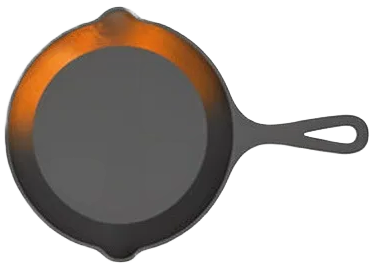
How Do You Choose and Use Cast Iron for Camping?
I’ve taken my own trusty skillet on plenty of backcountry trips, and I know the worry about rust and a damaged seasoning. With the right pan and a few key habits, your cast iron can handle the outdoors as well as your kitchen stove.
This guide focuses on the care your iron needs before, during, and after a trip.
- Selecting a pan based on weight, size, and handle design for easy transport and cooking.
- Protecting your hard-earned seasoning over unpredictable campfire heat.
- A simple, effective cleaning method to use at the campsite and when you get home.
Key Takeaways for Your Next Trip
Here is the core mindset and advice to pack with your gear.
- Your campsite cleaning method will be different from your kitchen routine, but the goal is identical: remove food, dry the pan, and protect it with a thin layer of oil.
- Choose your piece based on your trip. For car camping with a group, bring the Dutch oven. For a lighter pack, a small skillet is your best friend.
- Before you leave, inspect your iron for cracks or a loose handle. A failure at the campsite is much harder to fix.
- The single most important thing you can do is a proper re-seasoning session when you get home. Campfire soot and aggressive cleaning strip seasoning, so your pan will need some love.
Choosing Your Camping Cast Iron: A Practical Guide
This choice isn’t just about the pan. It’s about your trunk space, your stove, and how many mouths you need to feed.
For car camping, weight is less of an issue. You can bring a heavier, more versatile piece. For backpacking or bike camping, every ounce counts, so a single, smaller skillet is the realistic limit. Group size dictates capacity. Cooking for four requires more surface area or volume than cooking for two.
Let’s compare the two champions of camp cooking.
A skillet is your fast and flexible friend. It’s perfect for searing steaks, frying potatoes, scrambling eggs, and making grilled sandwiches. It heats quickly and offers a large cooking surface. My go-to 10-inch skillet is my most-used camp piece because it’s just so handy for almost every meal.
A Dutch oven is your one-pot wonder. It’s a deep pot with a heavy, flanged lid. You can use it to simmer stews, boil water for pasta, and, most magically, bake. By placing coals on the flanged lid, you create a true oven environment. I’ve made cobblers, biscuits, and even bread in mine over the fire. This unique ability to bake is why people search for a ‘cast iron camping dutch oven’ it transforms what’s possible for camp meals.
Look for practical features. A Dutch oven lid should fit snugly. Handles should be large enough to grab with a gloved hand or a stick. Always check your pieces before the trip. Look for hairline cracks (especially around the handle), patches of flaky rust, or a wobbly handle. Fixing these issues is a home workshop project, not a campfire one.
The Two-Piece Camp Kitchen (For Most People)
If you’re car camping and want to cover all bases without packing your entire kitchen, I recommend a simple duo.
Pair a 10-inch skillet with a 4-quart Dutch oven. This combination is incredibly powerful. The skillet handles all your direct, high-heat cooking. The Dutch oven manages soups, stews, large batches of rice, and any baking you want to do. Between these two, you can prepare 90% of camp meals. You can fry bacon in the skillet, then use the Dutch oven to make a giant batch of pancakes, keeping them warm with coals on the lid. A cook cast iron Dutch oven complete guide can help you master seasoning, heat management, and camp recipes. Together with the skillet, this setup becomes a complete camp kitchen workflow.
What to Leave at Home
Be ruthless. Space is limited.
Leave the large, single-purpose items at home. This includes giant flat griddles (unless you’re cooking for a huge scout troop), specialty pans like aebleskiver pans, or a chicken fryer. Their bulk and weight rarely justify the single use.
Also, think twice about bringing enameled cast iron. While great at home, the enamel coating can chip if banged on rocks or cooled too quickly. For direct fire and coal cooking, traditional bare cast iron is more durable and forgiving. You can scrape it clean with less worry and re-season it right over the flames if needed. This is especially important when camping or cooking outdoors.
Getting Ready: Pre-Trip Seasoning and Packing
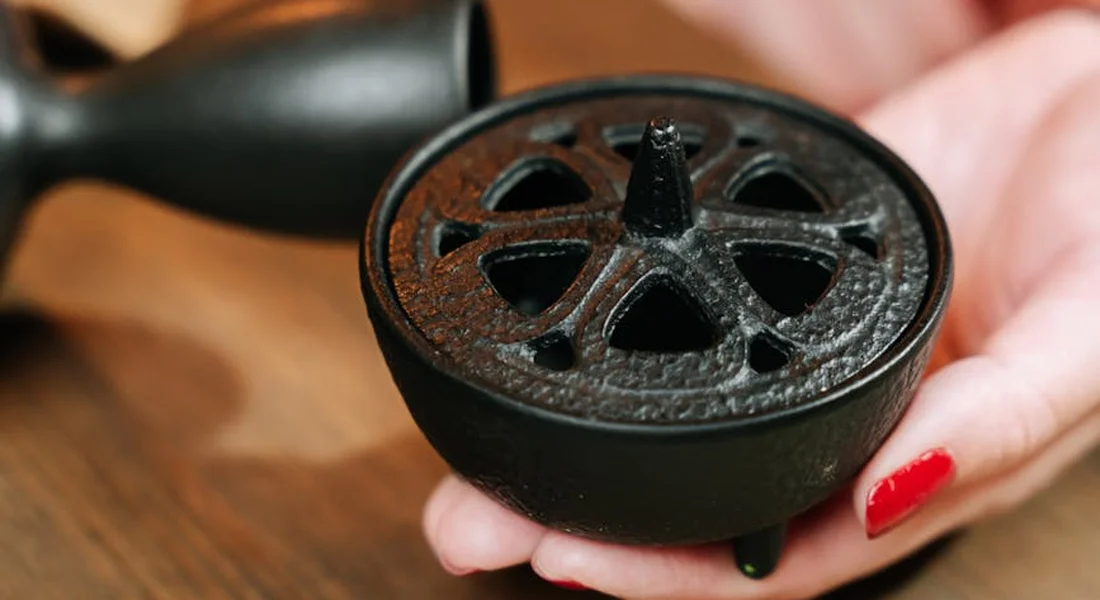
Taking care of your cast iron in the wild starts in your kitchen. A robust, well-bonded seasoning is your pan’s armor against the unpredictable moisture and high heat of a campsite. Therefore, it’s crucial to season and maintain your cast iron properly for camping and outdoor adventures.
Think of your home seasoning as the foundation. Right before a trip, I always give my camping skillet a quick “confidence check” layer in the oven. This isn’t a full restoration. It’s one fresh, thin coat of oil baked on to seal any micro-pores and reinforce what’s already there. It gives me peace of mind knowing I’m starting with the strongest possible finish.
Packing smart is just as important as pre-seasoning. Forget something at home, and you’re trying to improvise in the woods. Here’s my non-negotiable kit:
- The pan (and lid, if you use one)
- A lid lifter or a sturdy pair of tongs
- Sturdy, heat-proof gloves (not oven mitts)
- A small, durable bottle of your seasoning oil
- A dedicated cleaning kit: coarse salt, a stiff brush, and a small, rough towel you don’t mind getting dirty
Wrap each piece individually in an old towel or newspaper before it goes in your pack or car. This does two things: it keeps the iron from clanking against and chipping other gear, and it contains the soot from the previous trip so it doesn’t get on everything else.
At the Campsite: Cooking, Cleaning, and Fire Management
That moment of setting a prized pan over an open flame can cause anxiety. The key is control. You manage the fire, you manage the heat, and you clean with intention. It’s different from your kitchen, but it’s not complicated.
Managing Heat on a Campfire or Stove
For a campfire, you want a bed of hot coals, not towering flames. Flames are for ambiance and heat concentration spots. Coals provide steady, even radiant heat. Let your fire burn down until the wood has mostly turned to glowing embers. You can then spread them out for even heating or pile them up for a hotter zone.
If you’re using a portable cast iron camping stove, remember the heat is often very focused right over the burner. Preheat slowly and move the pan around occasionally to avoid creating one super-hot spot that could warp the metal or crack the seasoning. The same rule from your kitchen applies here: always let cast iron heat up gradually to prevent thermal shock. That means starting with a low flame and letting the pan come to temp gradually. When you properly preheat and season cast iron, you set yourself up for consistent heat and perfect results.
The Simple Camp Cleaning Method (No Sink Required)
After eating, let the pan cool just enough to handle safely with your gloves. It should still be warm. Pour in a little hot water from your kettle (if you have it) and use your brush to scrub. If water is scarce, use your coarse salt as an abrasive. Sprinkle a handful in the warm pan and scrub with your towel or brush. The salt will break up food bits and absorb grease. To tackle tougher spots, a paste of baking soda and water works as a safe scrub on cast iron. These baking soda and salt-based scrubbing methods are gentle on seasoned pans.
Dump out the salt or water. Now, the most important step: drying. Place the clean, warm pan back over your fire or stove for a minute or two until all traces of moisture evaporate. Letting the fire do the drying is the single best way to stop rust from forming before you can even pack up, especially since regular maintenance is key for cast iron.
Once it’s dry and still a bit warm, apply a microscopically thin coat of oil from your bottle. Wipe it on with your towel, then try to wipe it all off again, as if you made a mistake. The tiny amount that remains is perfect. This protects the iron until your next use.
What you cook changes your cleanup strategy. A greasy bacon breakfast might just need a quick wipe before the next use, while a tomato-based dinner requires that prompt, thorough cleaning to keep the acidity from working on your seasoning. Listen to your pan, and you’ll keep it ready for anything.
After the Trip: The Essential Home Reset
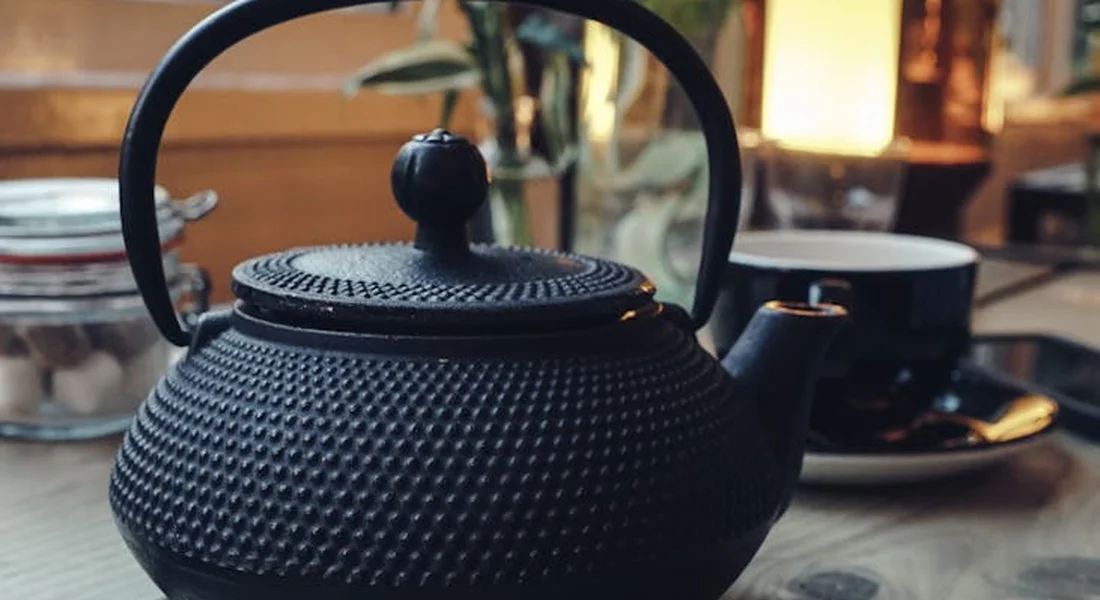
You gave your pan a great adventure. Now, you need to give it a proper homecoming. Skipping this step is how small issues become big problems.
A campfire is unpredictable. Food gets charred, soot cakes on, and your cleaning resources are limited. Post-camping care isn’t optional, it’s the ritual that resets your pan to a known, trusted state and prevents long-term damage.
Your Post-Adventure Inspection and Deep Clean
Think of this like giving your pan a check-up after a tough workout. You’re looking for stress points. Lay the pan on a towel under good light and look closely.
- Look for thick, flaky soot on the bottom and sides.
- Check for spots of baked-on food carbon, which look shinier and harder than your seasoning.
- Scan every inch, especially around the rim and handle, for new, rough orange spots of rust.
Now, for the deep clean. Your goal is to remove everything that isn’t your base seasoning.
- Scrub the pan thoroughly with hot water, a stiff brush, and a small amount of dish soap. This removes surface grime and loose soot.
- For stubborn carbon or soot, use coarse salt as a gentle abrasive. Sprinkle it in, add a drop of oil, and scrub with a paper towel or cloth. The salt will turn gray as it lifts the gunk.
- Rinse and dry the pan immediately with a towel.
- Place the pan on a stove burner over medium heat for 3-5 minutes. This drives off every last bit of moisture. You’ll see the metal turn completely dry.
This process strips away the campfire’s residue and lets you see the true condition of your seasoning underneath.
Re-Applying Your Base Seasoning Layer
Even with perfect camp cleaning, you likely made micro-scratches on the seasoning with sand, a scrub brush, or abrasive salt. This is normal wear and tear.
I apply one fresh oven seasoning layer after every major trip. This isn’t a sign your seasoning failed, it’s proactive maintenance that fills in those tiny abrasions and reinforces your pan’s non-stick defense.
Heat your oven to 450°F. Apply the thinnest possible layer of your preferred oil (I use grapeseed) to the entire pan, inside and out. Wipe it all off like you made a mistake. That’s the right amount. Bake it upside-down for one hour, then let it cool in the oven. Your pan is now reset, protected, and ready for its next job, whether that’s on your kitchen stove or another campfire.
Camping Cast Iron Checklist
Print this or save it. A good checklist turns worry into routine.
Before You Go
- Inspect seasoning for thin spots or rust; touch up if needed.
- Check that the handle is securely fastened (no wobble).
- Pack heavy-duty heat-resistant gloves or handle sleeves.
- Choose a dedicated camp cloth or towel for handling the hot pan.
- Pre-mix a small container of coarse salt for cleaning.
At the Campsite
- Use your gloves every single time you touch the handle.
- Start with moderate, manageable fire coals, not towering flames.
- Allow the pan to heat gradually to avoid thermal shock.
- After cooking and eating, clean the pan while it’s still warm.
- Use hot water, a brush, and your salt scrub if necessary.
- Dry the pan thoroughly by placing it near (not directly in) the fire’s edge for a few minutes.
- Apply the tiniest smear of oil for storage if you’re staying multiple nights.
When You Get Home
- Do not just put the pan away. This is the most common mistake.
- Perform the full Post-Adventure Inspection and Deep Clean outlined above.
- Apply one fresh oven seasoning layer to repair the surface.
- Once cool, store your pan in a dry place, ready for its next call to duty.
When to Seek Professional Help or Consider Replacement
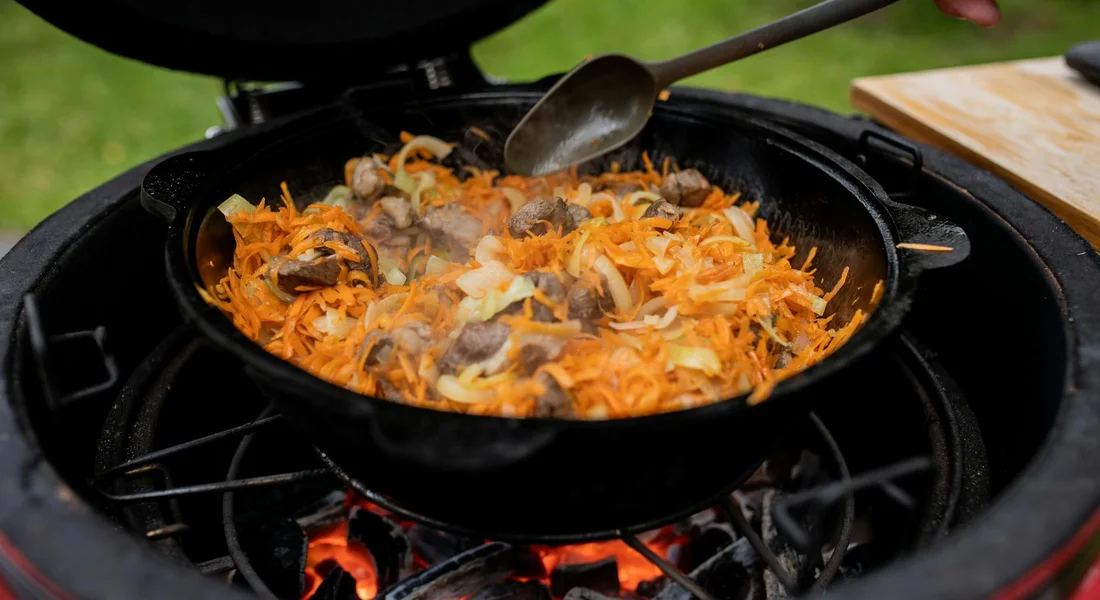
I’ve brought dozens of rusty, crud-covered camping pans back to life on my workbench. Most problems look worse than they are. With some steel wool, time, and fresh seasoning, you can usually fix them yourself. But there are a few types of damage where the safest or most practical choice is to call in an expert, or to start fresh with a new piece.
Knowing the limits of DIY restoration keeps you safe and saves you from hours of frustrating work on a piece that can’t be fully saved.
Damage That Often Needs a Pro (Or a New Pan)
Campfire cooking is tough on iron. The intense, uneven heat and rapid temperature changes can cause unique forms of damage that go beyond simple rust. For campers, a quick cast iron camping guide can show you how to maintain, repair, and use your cookware outdoors. Such guidance helps keep your gear in top shape around the fire.
Severe Cracking from Thermal Shock
This is the most serious failure. It happens when a cold pan is placed directly onto roaring coals, or when a blistering hot pan is doused with cold water. The iron expands or contracts too quickly, creating a stress fracture.
- Hairline cracks along the cooking surface or up the sidewall are a major safety hazard. They can hold bacteria and may spread during your next use, causing the pan to fail completely.
- A crack that goes all the way through the wall, where you can see light through it, means the pan is done. No amount of seasoning will seal this.
I once tried to weld a cracked camp oven. The repair never held seasoning correctly and the pan always cooked unevenly. For a cracked piece, replacement is the only reliable option.
A Warped or “Spinner” Bottom
Extreme, concentrated heat from a campfire can actually warp the bottom of a skillet or Dutch oven. You’ll know it’s warped if the pan rocks or spins on a flat surface.
A slightly warped pan can still work great over campfire coals, but it will be nearly useless on your kitchen stove or a flat camp griddle. The wobble prevents even contact with the heat, leading to hot spots and poor cooking. Professional machinists can sometimes resurface the bottom, but for a common modern skillet, the cost often exceeds buying a new one.
Baked-On Carbon That Defies Scrubbing
Sometimes, food and grease burn into a rock-hard, black layer that feels like ceramic. You might see this on the bottom of a pan left in the fire too long. Normal scrubbing, chain mail, or even a paste of salt and oil won’t touch it.
- Before you give up, try a lye-based oven cleaner or a molasses bath. These chemical methods can often dissolve what elbow grease cannot.
- If those fail, the last resort is professional sandblasting or electrolysis tank stripping. This completely removes all seasoning and carbon, leaving you with bare, gray iron to re-season from scratch. It’s a great service for a sentimental heirloom piece, but you must decide if a common pan is worth the cost and effort.
Making the Call: Repair vs. Replace
Be pragmatic. Ask yourself a few questions:
- Is this damage a safety risk (deep crack, severe structural flaw)? If yes, retire the pan.
- Is this a valuable, antique, or deeply sentimental piece? If yes, seek a professional opinion from a restorer.
- Will the cost of professional repair exceed 60-70% of a new, high-quality equivalent? If yes, replacement is the sensible choice.
There is no shame in retiring a well-used tool that has reached the end of its serviceable life. The skills you learned maintaining it will make your next cast iron piece even better. Sometimes, the most expert move is knowing when to let go and start fresh.
Common Questions
How is cleaning my pan at a campsite different from cleaning it at home?
At the campsite, you focus on immediate food removal and drying over the fire to prevent rust, often using salt or minimal water. At home, you perform a deeper inspection and cleaning with soap and water to remove all campfire soot and carbon. The post-trip reset at home always concludes with a fresh oven seasoning layer to repair micro-abrasions.
Why does my pan need a full re-seasoning after a camping trip, even if I cleaned it at the site?
Campfire soot, abrasive cleaning with sand or salt, and high, uneven heat can microscopically damage and weaken your seasoning layer. The re-seasoning session when you get home isn’t for failure; it’s proactive maintenance to fill in those tiny imperfections. This reinforces your pan’s non-stick surface and rust protection for its next use.
What’s the single best thing I can do to prevent rust on my camping cast iron in damp conditions?
Absolutely ensure the pan is bone-dry before storage. After cleaning, place the warm pan near your fire or stove until all moisture evaporates-let the heat do the work. Then, before packing it away, apply the thinnest possible protective coat of oil to the cooking surface.
Your Camping Skillet, Ready for Next Time
After any trip, make it a rule to clean and dry your cast iron completely before you pack it away. A quick re-oil while the metal is still warm is the best way to guarantee it stays rust-free and ready for your next campfire. Should rust creep in, a quick rust removal and a fresh reseason can bring your skillet back to a like-new condition. Our upcoming guides will walk you through removing rust from cast iron and restoring it to that pristine finish. For detailed guides on fixing rust, building a stronger seasoning, or choosing your first piece, browse the other articles here on The Iron Patina.
Relevant Resources for Further Exploration
- Outdoor & Camping – Lodge Cast Iron
- r/CampingGear on Reddit: Camp Kitchen Question: Is Cast Iron Worth It?
- Best Cast Iron Skillets for Camping of 2025, Tested | Outdoor Life
Joseph Gerald
A material science expert by profession, Joseph is also an avid cook. He combines his 10+ years expertise in material science and metallurgy with his passion for cast iron cookware to bring you best hands on advice. His expertise ranges from types of cast iron cookware to best seasoning tips as well as restoration of vintage cast iron utensils. Joe is here to help you solve all your cast iron cookware queries and questions.