Cast Iron vs. Cast Aluminum: Which Rusts More Outdoors?
You might worry about leaving your favorite cookware outside after a barbecue or camping trip. Cast iron can rust quickly in damp conditions, while cast aluminum resists rust, but each has its own quirks for outdoor life.
I have used both types for years in my backyard setups, and here is what I will share with you to help you choose and care for your gear.
- How rust forms on cast iron and why aluminum behaves differently.
- The role of seasoning in protecting cast iron outdoors.
- Simple storage tips to prevent damage to both materials.
- My hands on comparison of their durability over time.
The Outdoor Battle: A Tale of Two Metals
When you take your cooking outside, you’re choosing a partner for a tough job. Cast iron and cast aluminum are fundamentally different materials. Think of them as two types of athletes.
Cast iron is the heavyweight champion. It’s dense, it holds heat incredibly well, and it can take a serious beating. That weight and heat retention is why it’s legendary for searing steaks and baking perfect cornbread over a campfire. My oldest skillet has been with me for twenty years of camping trips, and it’s still my go-to for anything from campfire cooking to backyard grilling.
Cast aluminum is the nimble lightweight. It heats up fast, it’s much easier to carry on a hike, and it won’t buckle under high heat. It’s the piece you grab when you need to boil water quickly or sauté some veggies without waiting an eternity for the pan to get hot.
The core difference in this outdoor fight comes down to defense: cast iron needs a protective shield you build and maintain, while cast aluminum comes with a permanent, built-in one. This isn’t just a question of which one turns orange. It’s a battle of long-term durability against the elements.
The Science of the Spot: Rust vs. Oxidation
Let’s talk about what happens to metal when it’s left outside. People see a discoloration and call it “rust,” but the story is different for iron and aluminum.
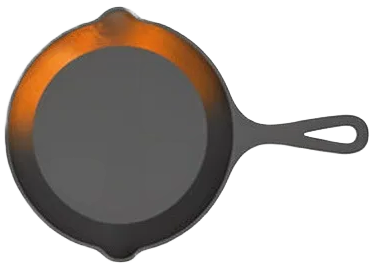
For cast iron, rust is iron oxide. In simple terms, it’s the metal’s version of a bad sunburn. When bare iron meets oxygen and water, a tiny electrochemical reaction happens. The iron literally gives up electrons, transforming into a flaky, orange-red compound. This process eats away at the metal itself.
Aluminum also reacts with oxygen. The moment you scratch or expose fresh aluminum, it instantly starts forming a layer of aluminum oxide. Here’s the key difference: this layer is hard, stable, and clings tightly to the surface. It acts as a seal, preventing further oxygen from reaching the pure metal underneath.
Cast iron’s rust is destructive and weakens the pan, while aluminum’s oxidation is a protective barrier that strengthens its position. One is a wound, the other is a scab that becomes armor. This contrast sets the stage for our complete cast iron vs other cookware materials comparison guide. There you’ll find a side-by-side look at how different metals perform in heat, maintenance, and durability.
Why Your Cast Iron Skillet Can Turn Orange
Outdoors is a harsh environment for bare iron. The threats are constant. Morning dew collecting on a lid, a sudden rain shower, high humidity by the lake, or salt air at the beach all introduce moisture. Your pan’s seasoning is the only thing standing between the iron and a rust attack.
Seasoning is that polymerized layer of oil you bake onto the surface. It’s not a coating of paint. It’s a bonded, semi-porous shield. When this shield is compromised by a scratch, acidic food, or improper cleaning, moisture can reach the iron and start the rusting process. Proper care and understanding what it is and why it’s important are essential to maintain the durability of your cast iron cookware.
I learned this the hard way years ago. I left my camp Dutch oven with the lid slightly askew overnight after washing it. The humidity got in, and by morning, a fine speckling of orange had appeared on the cooking surface. The seasoning had been thin, and the moisture found a way through. For cast iron used outdoors, a robust, well-maintained seasoning isn’t just for non-stick cooking; it’s essential rust prevention, especially when camping or exposed to the elements.
Why Your Aluminum Dutch Oven Stays Silver (Mostly)
Aluminum’s secret weapon is its passivation layer. Once that thin, invisible layer of aluminum oxide forms, the metal is largely protected. In everyday language, it heals its own scratches. If you scrape the surface with a metal utensil, a new oxide layer forms almost immediately to cover the fresh metal.
This is why you can leave an aluminum pot out in the rain, rinse it off, and it still looks basically the same. It doesn’t rust. It might get water spots or a dull, matte gray finish over years, but that’s just the oxide layer. It’s stable.
There is one caveat. Extremely acidic environments, like burying a pot in acidic soil or storing tomato sauce in it for weeks, can slowly break down that protective layer and cause pitting over a very long time. Aluminum doesn’t rust in the traditional sense, but it isn’t invincible; harsh chemical neglect can still cause it to degrade. For most camping and outdoor cooking, however, its natural defense is remarkably resilient.
Outdoor Care Routines: Prevention is Everything
Taking care of your cookware outside is different. The rules change when you are dealing with campfire smoke, morning dew, and packed gear. Think of post-trip care not as a chore, but as a simple, non-negotiable five-minute ritual. Doing it right after use saves you hours of scrubbing and re-seasoning later.
Your Cast Iron Post-Trip Checklist
When you are done cooking, the clock starts ticking on rust. Your goal is to get your skillet dry and protected as fast as possible.
Immediate heat drying is your best defense against the moisture in the outdoor air. If you have a campfire going, use it. Hold the pan over the coals (not roaring flames) for a minute until it is hot and all water beads vanish. A camp stove works great too. The heat drives off every bit of moisture a towel will miss.
Outdoor humidity means towel drying is never enough. I have seen pans feel dry to the touch but still rust overnight in a tent vestibule. Heat is the only sure method.
Once the pan is dry and slightly warm, apply a micro-thin layer of oil. This is not a full re-seasoning. Use your oiled cloth from your kit and wipe it on, then aggressively wipe it off as if you made a mistake. This leaves a protective film for the journey home.
For short-term storage, let the pan cool completely and tuck it into a breathable cloth bag or wrap it in a towel. Do not seal it in a plastic tub or cooler. Trapped moisture from a seemingly dry pan will create the perfect rust incubator.
Your Cast Aluminum Clean-Up Drill
Caring for cast aluminum outside is far simpler, which is a big part of its appeal for casual camping.
The drill is straightforward: wash it with soap and water, dry it thoroughly, and store it. It does not have a seasoning layer to protect, so you are just cleaning the surface.
While it will not rust, you should still avoid steel wool or harsh abrasive pads. These can leave deep scratches and permanently mar the smooth finish, making it harder to clean next time. A nylon scrubber or sponge is perfect.
You do not need to oil it for protection. A light coat of cooking oil applied after drying can help prevent stubborn food stains, like from tomato sauce or eggs, from setting in during storage. Just remember to wash it again before your next use.
Common Outdoor Mistakes and How to Avoid Them
Everyone makes mistakes, especially when routines are disrupted by the great outdoors. Knowing these common pitfalls helps you sidestep them completely.
Cast Iron Blunders That Cause Rust
- Leaving it wet in a sink or cooler overnight. This is the fastest way to guarantee surface rust. Treat a wet cast iron pan like a perishable food item it needs to be addressed before you relax.
- Storing it while still damp from cleaning. Even a faint dampness, combined with the cool air inside a storage shed or garage, will start the oxidation process.
- Letting acidic sauces sit in it. At home, you might simmer tomatoes for 30 minutes. On a camping trip, leaving that acidic residue in the pan for hours (or overnight) can break down the seasoning, exposing the raw iron to moisture.
- Assuming “pre-seasoned” means “maintenance-free.” Factory seasoning is a good start, but it is thin. Outdoor conditions demand a robust, well-maintained layer that you build and protect through proper drying and occasional oiling.
Cast Aluminum Misunderstandings
- Assuming dents and dings mean it is failing. Aluminum is softer than cast iron. A dropped lid or a bump in the truck will likely leave a cosmetic dent long before it affects functionality. It is not a sign of poor quality, just a characteristic of the material.
- Using oven cleaner or lye-based solutions. These harsh chemicals are unnecessary and can damage the anodized or coated finish on many aluminum pots. Stick with regular dish soap.
- Expecting it to hold heat like cast iron. It will not, and getting frustrated when your aluminum Dutch oven does not sear like your Lodge skillet misses the point. Its lighter weight and quicker heating are advantages for boiling water or making stews where constant, even heat is less critical.
Choosing Your Outdoor Champion: Weight, Heat, and You
There is no single winner for every cook and every trip. The best choice is the one that fits your cooking style, your packing strategy, and your maintenance tolerance. Think about what you actually do at camp.
Ask yourself a few questions. Do you spend time building a perfect bed of coals for slow cooking? Is your pack weight your biggest enemy? Your answers will point you in the right direction.
When Cast Iron is Your Best Bet
Choose cast iron when your outdoor cooking is about performance, not portability. My old 10-inch skillet is like a thermal battery. Once it’s hot, it stays hot. I always use a cast iron skillet for outdoor cooking because it distributes heat evenly and retains it for a long time.
This makes it perfect for getting a hard, even sear on steaks or for slow, steady cooking over variable campfire coals. You are not fighting constant temperature swings.
You must be okay with the heft and the ritual of care, but that care builds a legacy piece. The weight is the trade-off for that incredible heat mass. It demands a quick clean, dry, and a thin oil coat after use, but this ritual is what builds its legendary non-stick surface over years.
With consistent care, a cast iron pan doesn’t just last a long time. It actually improves, becoming more slick and reliable with every use. You can find how to care for and maintain cast iron cookware to make sure it stays in great shape.
When Cast Aluminum Makes More Sense
Cast aluminum wins when every ounce in your pack counts. A typical aluminum camping pot can weigh less than half of a similar-sized cast iron pan. For backpacking or long hikes, that difference is everything.
This metal heats up very quickly, which is ideal for boiling water fast or making a quick breakfast before breaking camp. It responds to changes in flame instantly, unlike the slower, steadier cast iron.
Maintenance is wonderfully simple. A quick wash and dry is often all it needs. You will never find a spot of rust, which removes a major worry when camping in damp conditions. Choose aluminum for speed, lightness, and minimal fuss.
The Rust Repair Reality Check
Here is a crucial difference in how these materials handle damage. With cast iron, surface rust is almost never the end of the story. I’ve brought back pans that looked like they were pulled from a creek, but knowing how to fix and prevent rust on cast iron made all the difference.
The process is straightforward (scrub, strip, re-season) and restores the pan to like-new condition. The iron underneath is almost always fine.
Aluminum corrosion is a different problem. It doesn’t rust like iron, but it can corrode from strong acids or salt. Severe corrosion on aluminum often causes permanent pitting that weakens the metal and cannot be smoothed out.
The best policy for both materials is simple, consistent care right after use. That quick wipe-down is far easier than any repair job, whether you’re dealing with potential rust or corrosion.
Common Questions
My cast iron got caught in the rain. What’s my first step?
Immediately dry it over heat-a campfire or stove. Once bone-dry, apply a whisper-thin layer of oil to protect the iron. Never let it air-dry, as outdoor moisture will initiate rust before you can act.
What’s the best oil for maintaining seasoning in humid climates?
Use an oil with a high smoke point and low moisture content, like grapeseed or avocado oil. These polymerize into a durable shield that better withstands humidity and temperature swings. Avoid butter or olive oil for maintenance; they can leave a sticky residue that traps moisture.
How can I tell if my pan’s seasoning is too thin for outdoor use?
A robust seasoning should look smooth and dark, not glossy or sticky. If you see light, metallic spots or a reddish tint after drying, the layer is too thin. Before your next trip, give it a round of oven seasoning to build up that essential barrier.
Keeping Your Cast Iron Protected Outside
If you remember one thing, let it be this: always dry your cast iron bone-dry after it gets wet outdoors, using heat from a stove or fire to chase off every drop of moisture. That single act, paired with a tough, glossy seasoning, is what stops rust and lets your skillet handle any weather. I often share more on how to build and fix that seasoning in my other guides, like troubleshooting sticky pans or restoring vintage pieces. It’s especially handy when you’re camping and dealing with outdoor conditions.
Citations and Authoritative Sources
- Does Aluminum Rust? – The Craftsman Blog
- r/todayilearned on Reddit: TIL aluminum is so corrosion resistant because where iron and steel rust, Al combines with oxygen to form a material even harder than aluminum itself, called corundum. This is the second hardest naturally occurring material, next to diamond.
- Aluminum Corrosion: Why it Happens and What to Do When It Does – Wiley Metal
- Does Aluminum Rust? – The Rust Store
- Metals That Don’t Rust – And Ones That Do – APX Enclosures, Inc.
- 4 Types of Metal that are Corrosion Resistant or Don’t Rust
Joseph Gerald
A material science expert by profession, Joseph is also an avid cook. He combines his 10+ years expertise in material science and metallurgy with his passion for cast iron cookware to bring you best hands on advice. His expertise ranges from types of cast iron cookware to best seasoning tips as well as restoration of vintage cast iron utensils. Joe is here to help you solve all your cast iron cookware queries and questions.