How Do You Pick the Perfect Cast Iron Cookware?
Choosing a new skillet or Dutch oven can feel daunting with all the brands and finishes available. The right piece makes building and maintaining your seasoning layer straightforward from day one.
- How to spot a smooth, even surface that will develop a strong non-stick coating.
- Why a pan’s weight and handle design are crucial for your daily routine.
- What to know about modern versus vintage iron for long-term care.
The Cast Iron Quick Snapshot: Bare, Enameled, and Vintage
Not all cast iron is the same. Picking the right type for your kitchen starts here. Quality cast iron combines good material, solid construction, and a consistent finish, whether that’s a bare cooking surface or a glass coating. Let’s break down the three main categories you’ll find.
| Type | Best For | Key Quality Check | Main Drawback |
|---|---|---|---|
| Bare Cast Iron | High-heat searing, building a non-stick patina, oven-to-table use, and durability. | Look for a smooth, consistent cooking surface free of deep pits. The handle should be securely attached and comfortable. | Requires regular seasoning and maintenance to prevent rust. It’s reactive, so you can’t cook acidic foods for long periods. |
| Enameled Cast Iron | Slow cooking, braising, and cooking acidic foods like tomato sauce. No seasoning needed. | Inspect the enamel coating for chips, cracks, or bubbles, especially on the rim and cooking surface. | The enamel can chip if struck or overheated. It’s often much heavier and more expensive than bare iron. |
| Vintage Cast Iron | Collectors and users who value a lighter weight, smooth-as-glass cooking surface from decades of use. | The single most important check is for cracks. Also, check for pitting or a warped bottom. | Can be hard to find in good condition. May require significant restoration to remove rust or old carbon buildup. |
One quick note: you might see cast iron anvils or dumbbells. These are made for utility, not cooking. Their quality is judged by completely different standards, so we won’t be covering them here.
How Cast Iron is Made: What Matters for Your Stove
Knowing how your pan was made helps you understand the surface you’ll be seasoning. The process starts the same for most pieces. Molten iron is poured into a sand mold (manufacturing process). Once it cools and hardens, the rough casting is removed. This is the “as-cast” state, and it often has a slightly pebbly or textured surface.
This is where methods diverge. Many modern brands mill or machine the cooking surface smooth. It gives you a head start on that slick finish we all want. Older pieces and some new budget options are simply smoothed by grinding or left in the as-cast state. A pebbly surface isn’t a defect, it just means you’ll build your seasoning layers on a slightly textured foundation. Both can become perfectly non-stick with time and care.
For enameled pieces, that rough casting gets a layer of powdered glass fused to it in a scorching hot kiln. This creates a non-porous, non-reactive cooking surface. The quality of this fusion and the thickness of the enamel are what you’re checking for when you buy.
The Hands-On Test: How to Inspect Any Piece Before You Buy
Reading reviews is helpful, but your own two hands are the best tools you have. Whether you’re in a big-box store or at a flea market, follow these steps.
Step 1: Check the Weight and Balance
Pick it up by the main handle. Feel the heft. Good cast iron is heavy, but it shouldn’t feel unwieldy. Now, pretend to pour something out of it. Does it want to tip forward or does it feel stable? A quality skillet feels solid and balanced, not clumsy. If a pan feels like a struggle to lift empty, cooking with it will be a chore.
Step 2: Run Your Fingers Over the Cooking Surface
Close your eyes and feel the center of the cooking area. Is it satin-smooth or does it have a fine, sandpaper-like texture? Remember, both are okay. You are feeling for major flaws. Your fingers are looking for deal-breakers: deep pits, a noticeably wavy surface, or any raised bumps that feel like small welds. These can interfere with cooking and seasoning. When you read “quality cast iron skillet reviews,” the discussion about the cooking surface texture is what they’re really talking about. Starting with a new Lodge skillet? Our complete guide to seasoning a Lodge cast iron skillet walks you through from start to finish. This ties the texture checks here to the full care steps in that guide.
Step 3: Examine the Edges, Bottom, and Helper Handle
Look at the rim. Run your thumb along it. It should be smoothly finished, not sharp or ragged. This prevents chipping and is safer for your hands.
Place the pan bottom-down on a flat surface, like a store shelf. Rock it gently. Does it sit flat without wobbling? A flat bottom ensures even heat transfer on your stovetop.
Finally, grip the helper handle (the small one opposite the main handle). It should feel secure, with no movement. The entire handle should be one solid piece with the pan, not a separate attachment.
Step 4: The Sound and Sight Check for Vintage or Used Pieces
This step is critical for second-hand finds. Gently tap the rim with your knuckle or a wooden spoon. You should hear a clear, high-pitched ring, like a tiny bell. A dull thud can indicate a hidden crack.
Next, get good light and look for hairline cracks. Check the rim carefully and the base of the handle, where stress concentrates. Surface rust and caked-on grime are projects I enjoy. A hidden crack is a heartbreaker. You can restore rust, but you cannot fix a cracked pan. It’s now a decoration, not cookware. (No amount of repair efforts will fix it).
Are Cast Iron Bread Pans, Griddles, and Dutch Ovens Good Choices?
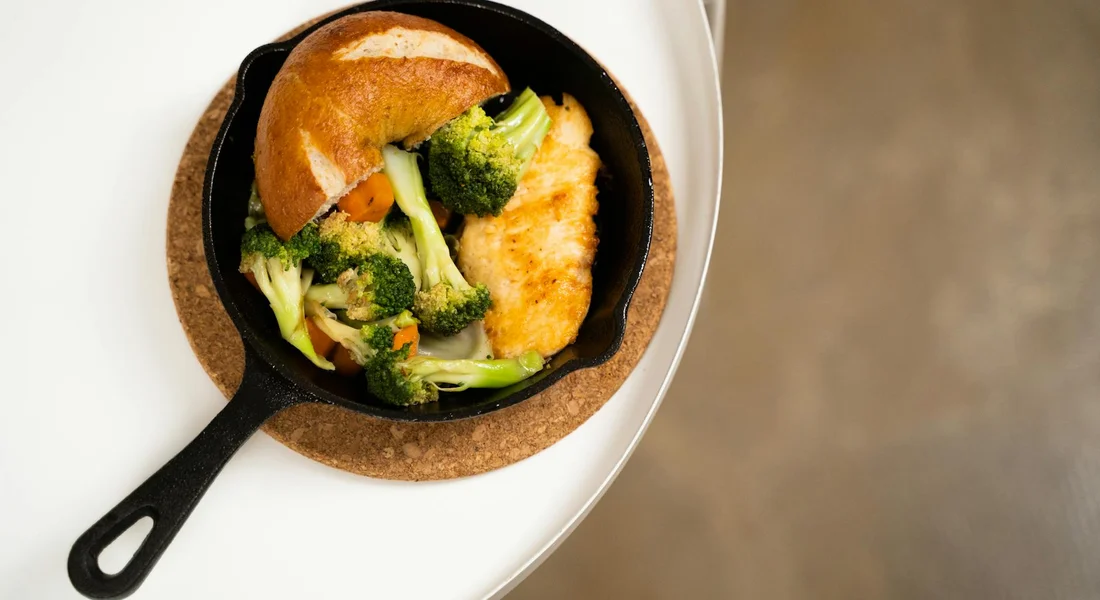
Yes, cast iron bread pans are excellent, especially for the crust. The dense metal heats evenly and gets very hot, which gives you a crisp, golden exterior while keeping the inside moist. This is the same reason my vintage loaf pan is my go-to for no-knead artisan bread.
Cast iron griddles are also a fantastic choice. Their large, flat surface is perfect for cooking multiple pancakes, eggs, or bacon strips at once. The consistent heat prevents cool spots, so you get even browning. I use my double-burner griddle every weekend for perfectly cooking on a cast iron griddle.
A cast iron mortar and pestle is a different category. It’s for grinding spices or making pastes, not for stovetop or oven cooking. Its value is in its weight and unpolished interior, which helps crush ingredients effectively.
When checking quality, you look at different things for different pieces. For a frying pan, you focus on the cooking surface smoothness and weight. For a Dutch oven, your checklist changes.
- Check the lid fit. A well-fitting lid is crucial for trapping moisture during braising. It should sit flush with no major wobble.
- Inspect the enamel. If it’s an enameled Dutch oven, look closely at the interior coating for any chips, cracks, or manufacturing flaws. This finish cannot be reseasoned like bare iron.
- Consider the handles. Can you lift it comfortably with oven mitts when it’s full and heavy? This matters more with a deep pot than with a skillet.
Picking the Right Piece for Your Cooking Style
Think about what you actually make most days. Your cooking habits should guide your choice, not the latest trend.
Do you sear steaks and fry chicken? A classic skillet is your workhorse. Love grill marks on vegetables or meats? A grill pan creates those lines. Enjoy slow-cooked stews or baking sourdough? A Dutch oven is essential. Cook big breakfasts? A griddle will be your best friend.
For nearly everyone, a 10-inch or 12-inch bare iron skillet is the perfect, most versatile first piece. It can handle about 90% of everyday tasks, from frying eggs to baking cornbread. Start there, learn to care for it, and then expand your collection based on what you find yourself needing.
New vs. Vintage vs. Enameled: Making Your Final Choice
This choice comes down to your personality in the kitchen. Each type has its own charm and its own care routine.
When to Choose New Bare Cast Iron
Pick a new modern pan if you like predictability. Brands like Lodge sell pans that are pre-seasoned and ready to cook with right away. The surface is often rougher from the sand-casting process, but it holds seasoning well over time. Seasoning creates a durable patina that improves nonstick and protects the surface over time. If you’re curious why you should season—even with pre-seasoned cookware—the topic of how to season pre seasoned cast iron cookware and why you should will be explored next.
You want a tool, not a project, and you’re okay with a surface that may start a bit more textured. Maintenance is straightforward: cook with it, clean it, keep it dry, and apply a thin layer of oil occasionally. You won’t need to strip and restore it before first use.
When to Choose Vintage or Antique Cast Iron
Go vintage if you love the thrill of the hunt. Older pans from brands like Griswold or Wagner were often machined smooth at the factory, resulting in a glassy cooking surface that many cooks prefer. However, when considering vintage options, it’s also important to weigh their susceptibility to rust compared to modern pans.
You must be willing to inspect carefully for fatal flaws. Spin the pan on a flat surface to check for warping. Look for hairline cracks or deep pitting, especially on the cooking surface. Be prepared to do a full restoration, which involves stripping old seasoning and rust before you can build it back up.
Choosing vintage means embracing a project that rewards you with a piece of history and often a superior finish. It’s for the enthusiast who sees maintenance as part of the joy.
When to Choose Enameled Cast Iron
Select enameled cast iron, like a Le Creuset or Staub pot, for convenience with acidic foods. The porcelain enamel coating means you can simmer tomato sauce or deglaze with wine for hours without affecting a seasoning layer.
The trade-off is a different set of care rules. You must use wood or silicone utensils to prevent chipping the enamel. Cleaning is often as simple as soaking and using a non-abrasive scrubber. You never season it.
Your maintenance shifts from managing a polymerized oil layer to protecting a ceramic glass coating from chips and cracks. It’s a great choice if you want low-maintenance cooking for wet, acidic dishes and love having a pop of color on your stovetop.
Common Questions
My new skillet’s surface feels rough. Will it ever get smooth?
Yes, absolutely. A pebbly modern surface will smooth over through regular use and proper seasoning. Each time you cook and apply a thin layer of oil, you are building up that polymerized layer, which eventually fills in the texture. Just focus on consistent care rather than the initial feel.
What’s the biggest daily maintenance mistake you see?
Putting a hot, wet pan away. This traps moisture and is the fastest route to rust. Always hand-dry your cookware thoroughly over low heat on the stovetop. A quick, warm dry is non-negotiable for preserving your seasoning and the iron itself. Store cast iron properly to prevent rust damage—keep it dry and protected when not in use. A dry, well-ventilated storage spot helps preserve seasoning and longevity.
I found a vintage pan with rust. Is it worth restoring?
Surface rust is a fixable project, not a death sentence. However, you must first ensure the pan has no cracks or warps—flaws that make it unusable. If it’s structurally sound, stripping the rust and re-seasoning will bring it back to life for decades more service.
Securing Your Cast Iron Foundation
When all is said and done, the right piece of cast iron is the one you’ll actually use and care for, not just the one with the shiniest finish or the most famous name. Judge it by its heft in your hand and the potential of its cooking surface, because those are the things that will build your confidence and your seasoning over decades. With your chosen cookware in hand, the real journey begins with learning to season it well and keep it rust-free.
Related Guides and Information
- To Find the Best Cast Iron Skillets, I Seared Steaks, Baked Cornbread, and Fried Dozens of Eggs
- The Best Cast-Iron Skillets for a Lifetime of Cooking (2025) | Bon Appétit
- r/BuyItForLife on Reddit: Best Cast Iron Skillets Being Sold Today?
- Cast Iron Skillets | Lancaster Cast Iron
- Best cast iron skillets for both new and experienced cast-iron cooks.
A material science expert by profession, Joseph is also an avid cook. He combines his 10+ years expertise in material science and metallurgy with his passion for cast iron cookware to bring you best hands on advice. His expertise ranges from types of cast iron cookware to best seasoning tips as well as restoration of vintage cast iron utensils. Joe is here to help you solve all your cast iron cookware queries and questions.