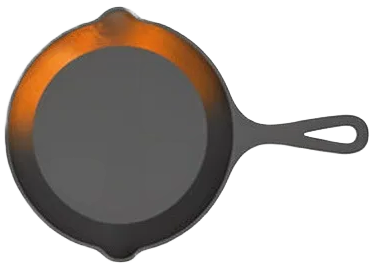
Should You Season a Pre-Seasoned Pan?
You just bought a new cast iron pan marked “pre-seasoned,” but the instructions still tell you to coat it with oil before first use. It’s confusing, and you’re not sure where to start. Think of that factory seasoning as a thin primer coat-it protects the iron from rust in the box, but it isn’t built for your kitchen.
This guide walks you through the simple, worthwhile process. Here’s what we’ll cover:
- The real reason that first home seasoning makes such a difference for cooking and cleanup.
- The exact, no-fuss method I use on all my new pieces.
- How to choose the right oil and avoid the single biggest mistake.
- What to do if your new pan looks or feels sticky or rough after seasoning.
Why a “Pre-Seasoned” Pan Still Needs Your Touch
Think of the factory seasoning on your new skillet like a raincoat. It’s a single, thin layer applied to protect the bare iron from rusting while it sits on a warehouse shelf or in a store. This initial coating is purely utilitarian, designed to get the pan to you in one piece, not to provide a perfect cooking surface.
Yes, brands like Lodge pre-season all their cast iron. This is a great start. But that factory layer is often applied with a spray and quickly cured. It can feel a bit rough or dry to the touch. Your home seasoning process is different. You bake on layers of oil you choose, creating a bonded, polymerized coating that gets smoother and more non-stick over time.
Adding your own seasoning on top of the factory base does three important things. It creates a smoother cooking surface from day one. It builds a thicker, more durable barrier against rust. Most importantly, it begins the process of making the pan truly yours, a kitchen tool bonded to your care and routine.
| Aspect | Factory/Pre-Seasoning | Home-Applied Seasoning |
| Primary Goal | Prevent rust before sale | Create a durable, non-stick cooking surface |
| Thickness & Texture | Often thin, can feel rough or dry | Built up in layers, becomes smoother with use |
| Control & Oil Used | You have no control (often vegetable oil) | You choose the oil and apply it perfectly thin |
| Result | A pan that’s ready to cook on, but can improve | A pan that performs better and bonds with your care |
The Simple, Foolproof Seasoning Method
For a new pan, the oven method is the most reliable way to build a strong, even base. Stove-top seasoning is better for quick maintenance later on. Follow these steps exactly. It’s easier than you think.
Step 1: The Critical First Wash
You must wash your new pan before anything else. It has manufacturing dust and protective residues you don’t want to bake into your seasoning. Modern dish soap is perfectly safe for cast iron and is the best tool for this initial scrub—even if you’re cautious about soaps later.
Use warm, soapy water and a brush or sponge. Rinse it well. Then, dry it completely. I always take this a step further. After towel drying, I place the pan on a stove burner over low heat for a minute or two. This drives off every last bit of moisture. A perfectly dry pan is the only way to start.
Step 2: Applying the Oil (The “Thin Coat” Secret)
This is the step where most mistakes happen. You need a microscopic layer of oil. This is the foundation of cooking with a cast iron pan and ties into essential techniques for perfect results. Pour about a teaspoon of your chosen oil into the warm, dry pan. Use a paper towel to rub it over every surface, inside and out, including the handle. We’ll cover those essential techniques in the next steps.
Now, take a fresh, clean paper towel. This is the “dry wipe.” Wipe the entire pan again as if you are trying to remove all the oil. When you’re done, the pan should look barely damp, not glossy or wet. If you see visible oil pools, you used too much. This answers the common question: you do not add more oil before the oven. You only “add” it by wiping almost all of it away.
My go-to oils are grapeseed or canola for their high smoke points and reliability. Avocado oil is also an excellent choice. You can season cast iron with olive oil, but it has a lower smoke point and can sometimes leave a slightly sticky finish if not heated enough. It works, but it’s not my first recommendation.
Step 3: Baking the Pan to Perfection
Preheat your oven to 450°F. Place your oiled pan upside down on the middle rack. Put a sheet of aluminum foil or a baking sheet on the rack below to catch any tiny drips.
Bake the pan for one full hour at 450°F, then turn the oven off and let the pan cool completely inside. The upside-down position prevents oil from pooling in the cooking surface. When you take it out, the pan should feel dry and smooth, not tacky. If it feels sticky, the oil layer was too thick.
For a brand new pre-seasoned pan, I repeat this entire process (a thin coat, bake, cool) two to three times. This builds multiple strong layers right from the start. After that, just cook with it. Regular use is the best seasoning of all.
Fixing Common New-Pan Problems
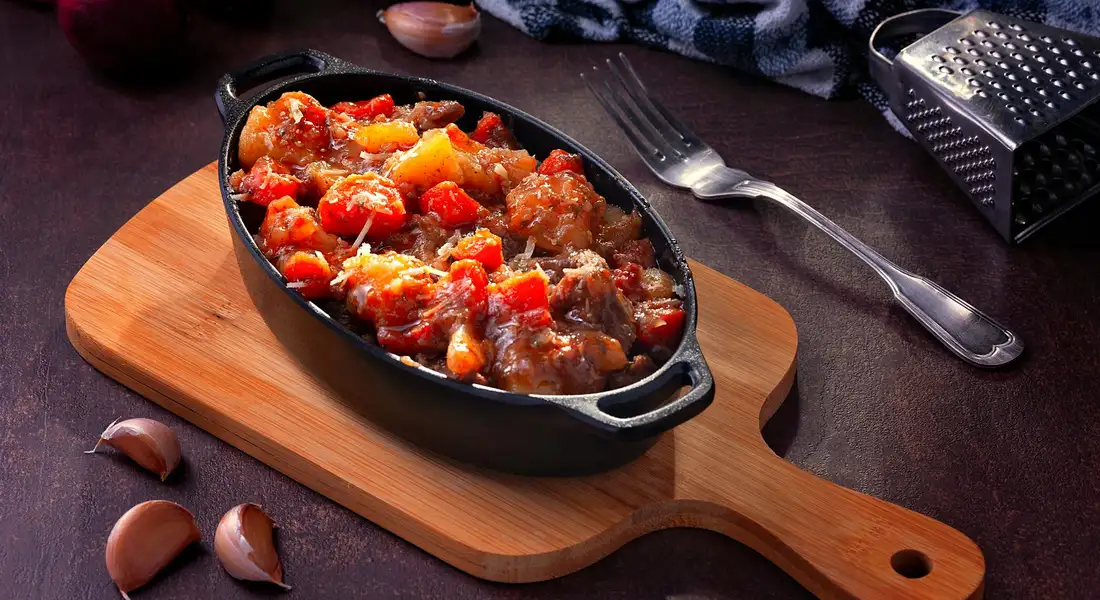
Think of the factory seasoning as a primer coat. It’s a good start, but it often needs refinement. Here’s how to troubleshoot the most frequent issues to build a better, smoother foundation for your cooking.
Is Your New Pan Sticky or Gummy?
This is the number one complaint with new pans. That tacky feel means the initial oil layer was too thick. It didn’t fully polymerize, so it stayed in a gummy, half-baked state.
The fix is straightforward: remove the excess and start fresh with a much thinner layer.
Here’s what I do with a sticky skillet:
- Scrub the pan gently with coarse salt and a dry paper towel. The salt acts as a mild abrasive.
- Wash it with warm, soapy water to remove all the salt and oily residue.
- Dry it completely on the stovetop over low heat.
- Apply a new, whisper-thin layer of oil (wipe it on, then try to wipe it all off with a clean towel).
- Bake it in the oven following the standard seasoning process.
Dealing with Rough or Splotchy Spots
First, run your fingers over the surface. A slightly pebbly, textured feel is usually the bare metal casting, not the seasoning. This is normal, and those microscopic peaks will smooth out over time as you build up layers of polymerized oil seasoning through cooking and care.
True splotchy seasoning looks like uneven, cloudy patches. It happens when oil pools in one area during the factory bake. To fix it, give the pan a gentle scour with a chainmail scrubber or the salt method, then add one or two fresh, even seasoning layers in your oven. This will blend those spots right in.
Don’t stress over a perfect, mirror-black finish right away. My most trusted daily driver has a few faint, lighter rings from its first year. They’re now buried under a deep, strong patina.
Common Mistakes and How to Avoid Them
Learning to season well means learning what not to do. Here are the pitfalls I see most often.
- Using too much oil. Correct this by pretending you made a mistake and need to wipe every bit of oil off the pan before it goes in the oven.
- Not heating the oven enough. Your oil needs to reach its smoke point to polymerize, so always use an oven thermometer to verify the temperature.
- Skipping the initial wash. Always wash a new pan with soap and water to remove any factory dust or protective coatings.
- Putting the pan right-side up in the oven. Place it upside down so any microscopic excess oil can drip off instead of pooling in the center.
- Rushing the cooling process. Let the pan cool slowly in the turned-off oven; shocking it with cold air can stress the new seasoning layer.
Caring for Your Newly Seasoned Pan
Now that you’ve established a good base, the real work begins. The next few weeks are about protection and growth, turning that fresh seasoning into a durable, non-stick patina.
You might wonder if you need to season after every use. The answer is no. Instead of a full oven season each time, focus on a quick stovetop dry and a tiny oil coat after cleaning. Save the oven method for when you need to repair or intentionally build more layers.
The Right Way to Clean After Cooking
Good cleaning habits protect your hard work. Let the pan cool slightly, then use hot water and a stiff brush or sponge. For stuck-on food, a little modern dish soap is perfectly safe.
Your most important post-clean step is to dry the pan immediately and completely on a low stovetop burner. This stops rust before it can start. For the full post-use guide on cleaning after cooking and re-seasoning, see the next steps. It will walk you through simple, practical care.
While the pan is still warm from drying, take a drop of oil on a paper towel and rub it over the cooking surface. You should barely see it. This “conditioning” step maintains the seasoning between uses.
Building Your Patina Through Cooking
Cooking is the best way to strengthen your seasoning. Heat and cooking fats naturally polymerize thin layers onto the surface. It’s slow, steady, and effective.
For the first few weeks, choose dishes that are kind to new seasoning. Sautéing onions or searing mushrooms adds fat and builds layers. Baking cornbread or roasting vegetables provides gentle, all-over heat. Even cooking a batch of bacon (though it can leave sugars) contributes to the process.
This process is forgiving. A small scratch or a patch of dullness isn’t a crisis. Just keep cooking, clean gently, and dry thoroughly. The goal is a reliable kitchen tool that improves with age, not a flawless display piece.
Common Questions
Should I season on the stovetop or in the oven?
For building initial, durable layers on a new pan, always use the oven. It provides even, all-over heat essential for proper polymerization. The stovetop is best for quick maintenance-drying a washed pan or applying a single, fast conditioning coat after cooking.
Is avocado oil a good choice for seasoning?
Yes, it’s an excellent choice due to its very high smoke point, which allows for a hard, durable seasoning layer. Apply it with the same “wipe-on, wipe-off” technique as any oil. Its stability makes it a top-tier option for building your foundational coats.
What temperature is correct, and how can I be sure?
Heat your oven to 450°F-500°F, targeting a temperature 25°F above your oil’s smoke point. The only way to be sure is to use a standalone oven thermometer. Your oven’s dial is often inaccurate, and consistent, sufficient heat is non-negotiable for proper curing.
Perfecting Your Pre-Seasoned Pan
In my kitchen, every piece of cast iron gets this same respectful start. Always wash and completely dry your new pan, then apply a whisper-thin layer of oil before baking. This simple act bonds a personal, durable layer to the factory seasoning, making the cookware truly yours. For next steps, learning to clean without stripping your hard work is a valuable skill. After cooking, a quick, thorough clean helps preserve that seasoning.
Research and Related Sources
- Pre-Seasoned Carbon Steel Care Guide | Misen
- Seasoning (cookware) – Wikipedia
- How to Season – Lodge Cast Iron
A material science expert by profession, Joseph is also an avid cook. He combines his 10+ years expertise in material science and metallurgy with his passion for cast iron cookware to bring you best hands on advice. His expertise ranges from types of cast iron cookware to best seasoning tips as well as restoration of vintage cast iron utensils. Joe is here to help you solve all your cast iron cookware queries and questions.