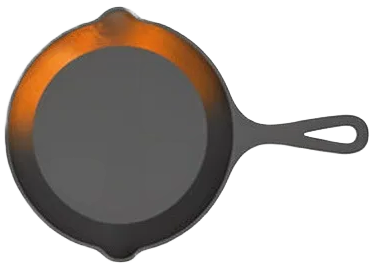
Which Utensils Are Safe for Your Cast Iron Skillet?
You’ve built up a perfect seasoning layer, and the last thing you want is a deep scratch from the wrong tool ruining your hard work. Choosing the right utensil isn’t just about avoiding scratches; it’s about protecting the non-stick surface you’ve worked so hard to create.
This guide will help you pick tools that work with your pan, not against it. Here’s what we’ll cover:
- The simple material test: what never to use and why.
- Comparing wooden, silicone, and metal utensils for different cooking jobs.
- How to use metal tools safely if you prefer them.
- Specific features to look for (and avoid) when shopping.
Why Your Utensil Choice Matters for Cast Iron Care
Your skillet’s seasoning isn’t a thick, soft coating. It’s a thin, hard layer of polymerized oil, chemically bonded to the iron. Think of it like a tough varnish on a hardwood floor. That varnish is hard, but you can still scratch it with something sharp. The iron underneath is incredibly strong, but if you chip through the varnish, the raw wood (or in this case, iron) is exposed and can rust.
The guiding principle is simple: for raw cast iron, your goal is to protect that thin, hard seasoning layer; for enameled cast iron, you are protecting a glass surface. This isn’t about being overly precious with your pan. It’s about using the right tool for the job so you can cook effectively for decades without damaging your investment.
The Best (and Worst) Materials for Cast Iron Utensils
There is no single “best” utensil. My own utensil crock holds a mix, because different tools excel at different tasks. Let’s compare the most common materials you’ll find, so you can choose what works for your cooking style.
Wood and Bamboo: The Gentle Classics
These are the default safe choice for a reason. They are naturally non-scratch, making them perfect for both seasoned and enameled iron. Their handles stay cool on the stovetop and they have a classic feel I love.
- Benefits: Naturally gentle on all finishes, heat-resistant handles, widely available.
- Weaknesses: They can absorb odors and stains from strong flavors like garlic. If left soaking, they can crack or warp. You must dry them thoroughly after washing.
A quick note on bamboo: it’s technically a grass, not a wood, and it’s very hard. Its hardness is not a problem for your seasoning, it’s still far softer than metal and perfectly safe for daily use.
Silicone: The Flexible Modern Choice
I reach for my high-heat silicone spatula constantly. Its flexibility is fantastic for scraping up every bit of fond or scrambled eggs from the curves of the pan.
- Benefits: Completely non-scratch, excellent for scraping, easy to clean, and often heat-resistant up to 600°F.
- Weaknesses: It can lack the stiffness needed to flip a heavily seared steak. The tip can melt if it rests on a roaring burner’s edge or touches a high oven broiler element.
Look for utensils labeled “high-heat silicone” and ones with a reinforced edge for better scraping and flipping performance.
The Truth About Metal Utensils
Let’s answer the big question directly: yes, you can use a metal spatula on a well-seasoned raw cast iron skillet, especially when cooking a variety of foods that may require more sturdy utensils.
The common warning exists for a good reason, but it’s about technique, not an outright ban. A thin, flexible metal spatula is my secret weapon for getting under crispy fish skin or pancakes without tearing them. The key is to use it correctly.
Think of it as sliding the spatula under your food, not digging or prying. Avoid utensils with sharp, squared-off corners. A rounded, thin front edge is ideal. For metal, softer stainless steel is a better choice than harder metals.
This is the critical rule: Metal utensils are a definite, absolute NO for enameled cast iron. They will scratch and chip the glass surface, which cannot be repaired. For safe use, opt for wooden, silicone, or enamel-safe utensils. These choices protect the coating and keep cleaning easy.
Materials to Use with Caution or Avoid
Use common sense with other materials. Hard, brittle plastic can scratch your cast iron pan over time and may melt. I avoid anything with a sharp, pointed edge for daily stirring and flipping. A set of cheap nylon utensils might seem safe, but they can degrade with high heat and leave plastic bits in your pan. Stick with the proven classics-wood, bamboo, silicone, or careful metal-and your cast iron will thank you.
Choosing Utensils for Raw vs. Enameled Cast Iron
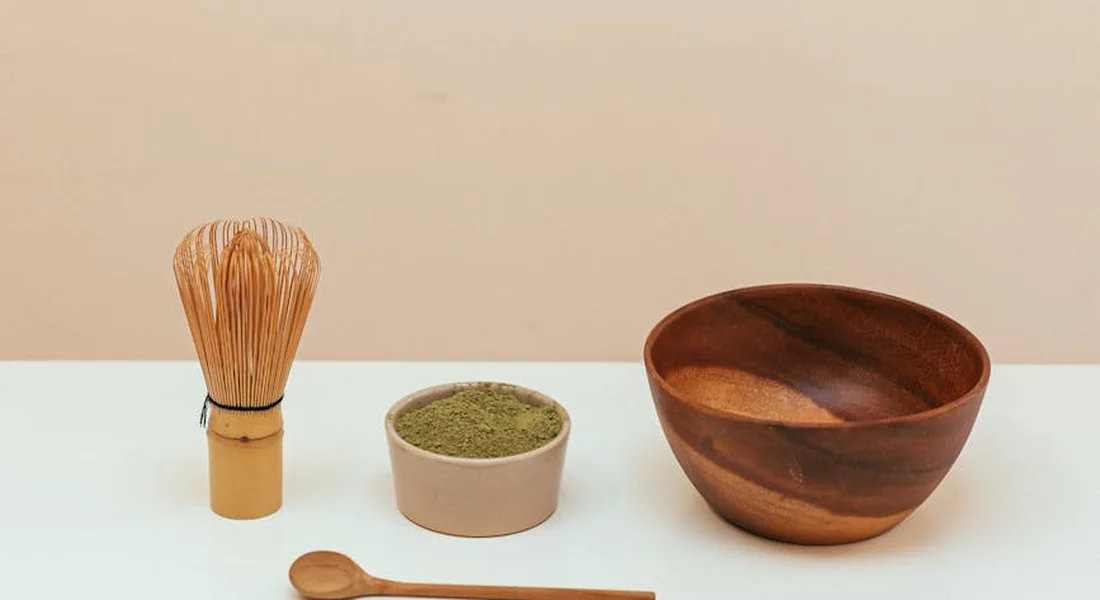
The tools you grab should depend entirely on which type of cast iron is on your stove. Think of it as needing two different mindsets.
Utensils for Traditional, Seasoned Cast Iron
Your goal here is to protect and build your hard-earned seasoning. The seasoning is a polymerized oil layer, not a solid coating. You can think of a new layer like fresh paint that needs time to cure. In scientific terms, polymerization links oil molecules into a cohesive network that creates a slick, non-stick surface. As this network develops, it improves the non-stick characteristics you rely on during cooking.
Wood, bamboo, and high-heat silicone are always safe choices. They won’t scrape off that delicate developing layer.
You can use metal, but you must be smart about it. A sharp corner on a new, soft seasoning job will scratch it. I learned this leaving a perfect line in a freshly seasoned skillet with a pointy fish spatula.
A thin, flexible metal turner with a flat front edge is my secret weapon for getting under burgers or fish fillets without tearing them. The flexibility lets it glide along the pan’s curve, and the flat edge scrapes up delicious browned bits without gouging. This only works if your base seasoning is strong and you use a confident, sliding motion instead of a chopping one.
Utensils for Enameled Cast Iron Cookware
This rule is simple and non-negotiable. The enamel is a baked-on glass coating. Glass can chip and scratch.
For enameled cast iron, use only wood, bamboo, or silicone utensils. Metal is the enemy. A single scrape from a metal spoon can create a hairline scratch. Over time, those scratches weaken the enamel, and thermal stress can cause it to chip or crack. I learned this the hard way with my first Dutch oven, which now has a tiny, sad chip right where I used a metal fork.
Silicone-coated utensils offer a great middle ground. The silicone sheath protects the enamel, while a rigid metal core inside gives you the stiffness you need to flip a pan full of vegetables confidently.
Common Cast Iron Utensil Mistakes and How to Avoid Them
Choosing the right material is the first step. Using it correctly is the second. Here are the pitfalls I see most often.
Using the Wrong Tool for the Surface
The mistake is grabbing whatever is closest. Using a metal fork to test tenderness in an enameled braise or using a sharp-cornered metal spatula on a newly seasoned skillet.
The solution is to create a simple system. I keep my enameled-dedicated tools (wood and silicone) in a separate crock by the stove. If you only have one set, a small piece of colored tape on the handle of tools that are enamel-safe can be a quick visual reminder. This one habit prevents most accidental damage.
Being Too Timid with Your Utensil
The mistake is using a flimsy, thin spatula to try and flip a heavy ribeye. You end up sawing at it, which is more likely to damage your seasoning than one clean, confident slip underneath.
The right tool gives you control, and control prevents damage. For a heavy protein or a full pan of potatoes, choose a utensil with some heft and a broad head. You want to slide it under the food securely, not fight with it. A sturdy turner makes the job easy and keeps your pan safe.
Neglecting the Utensil’s Care
The mistake is tossing your wooden spoon in the sink to soak. Wood and bamboo are porous. They absorb water, which makes them warp, crack, and can harbor bacteria.
Care for your tools like you care for your pan. Hand-wash them with mild soap and warm water, then dry them thoroughly with a towel right away. Don’t let them air dry. Once a month, I rub my wooden handles with a little food-grade mineral oil to keep them from drying out and cracking. It’s the same logic as oiling your cutting board.
Assuming All “Safe” Materials Are Equal
The mistake is buying the cheapest silicone spatula or a rough-finished bamboo spoon. Not all products are made well. Cheap silicone can melt at high temperatures, leaving a gummy residue on your pan. Rough bamboo can splinter.
Inspect before you buy. Run your fingers over wooden spoons to ensure they are smoothly sanded. For silicone, look for a high-heat rating (often 500°F/260°C or above) and check that it feels substantial, not flimsy. A well-made tool lasts for years and protects your cookware investment.
Building Your Ideal Cast Iron Utensil Set
You don’t need a drawer full of gadgets. A smart, simple cast iron utensil set focuses on versatility and protection for your pan’s seasoning. Think of it as a toolkit, not a collection. Your goal is to have the right tool for every job your cast iron handles, from gentle scrambling to a hard sear.
Start with this practical checklist: you want tools that are heat-resistant, won’t gouge your seasoning, and feel balanced in your hand. A good set for cast iron includes items for flipping, stirring, lifting, and scraping. I keep my own best cast iron utensils in a crock next to the stove for easy access, which makes cooking feel more intuitive. Once you have the right utensils, you can focus on mastering your cast iron cookware.
The Three Must-Have Tools
If you only buy three things, make it these. They cover about 90% of your cooking tasks.
A sturdy, flat-edged spatula is your workhorse. It’s for flipping eggs, burgers, and pancakes. The flat edge helps you get under food without digging into the seasoning layer. I prefer one with a slight bevel. Options include:
- Wood: Naturally gentle and stays cool, but can stain and absorb odors over time.
- Nylon-reinforced silicone: Offers heat resistance and flexibility, with a rigid core for support.
- Thin, flexible metal: The best for getting a perfect release on a well-seasoned surface, but requires a confident hand to avoid scraping.
A slotted spoon is essential for removing food from oil or broth while leaving the liquid behind. This is key for frying or braising in your Dutch oven. Silicone or wood versions won’t conduct heat up the handle as quickly as metal might.
Spring-loaded tongs with silicone tips are perhaps the most versatile tool you can own. They’re perfect for turning chops, arranging vegetables, or grabbing a hot lid. The silicone tips protect both raw and enameled cast iron surfaces from scratches.
Specialized Additions for Heavy Use
Once you have the basics, these tools solve specific problems and make tough jobs easy.
A flat wooden paddle, sometimes called a roux spoon, is my secret weapon for thick, sticky dishes. Its broad, flat surface is ideal for stirring chili, scraping up fond for gravy, or making a roux without leaving corners untouched. It applies even pressure across the entire pan bottom.
A fish spatula is a game-changer for delicate searing. Its thin, flexible, slotted metal blade slides effortlessly under a fillet with a crispy skin. It works just as well for delicate items like fish cakes or fried green tomatoes. The flexibility conforms to the slight curve of your skillet.
Don’t forget a stiff-bristled nylon brush for cleaning. While not a cooking utensil, it pairs perfectly with your kit. A quick scrub with hot water after cooking keeps cleanup simple and preserves your hard-earned seasoning.
What to Look For in Any Utensil
Beyond the specific type, keep these three principles in mind when choosing any tool for your cast iron cookware.
First, the handle must be comfortable and stay cool enough to hold. Long handles keep your hand away from heat. Look for materials like silicone, wood, or thick, molded plastic that insulate well. A blister from a hot metal handle can ruin your cooking session.
Second, examine the construction for seams and cracks. You want a tool that is seamless where the head meets the handle. Cracks and crevices trap food, grease, and bacteria, making your utensil unsanitary and difficult to clean properly.
Finally, feel the weight and balance in your hand alongside your heaviest pan. A flimsy, light spatula will feel useless when trying to flip a steak in a 12-inch skillet. The tool should have some heft and a secure grip to give you confident control.
Quick Answers
How does cast iron’s tensile strength affect my utensil choice?
Cast iron has high compressive strength but low tensile strength, meaning it’s brittle and can crack from a sharp impact. This is why you should never use a utensil to strike or pry at food stuck to the pan. Your goal is to slide and lift, protecting the iron’s structure from sudden shock. Doing so helps prevent damage and breakage of cast iron cookware over time. Proper handling is a key part of keeping your pan durable and reliable.
What should I look for in an enameled cast iron utensil set?
Seek a set made exclusively of high-heat silicone, wood, or bamboo, with no exposed metal edges. Prioritize tools with a comfortable, heat-resistant grip and sturdy construction. A good set will be versatile for braising and sautéing while guaranteeing you never accidentally scratch the glass surface.
Are expensive cast iron utensil brands worth the investment?
Not necessarily. The best brand is the one that makes well-constructed, seamless tools from the correct materials. Pay for durability and design, not a name. A simple, smoothly finished wooden spoon from a hardware store often outlasts a costly, poorly made alternative.
Your Toolkit for Cast Iron Longevity
The single best choice you can make is to use utensils that protect your pan’s surface. Choose wood, silicone, or certain metals to work with your seasoning, not against it. This simple habit, paired with a quick clean-up after each use, is what builds a legacy piece over decades. For more on preserving that perfect cooking surface, explore our guides on maintaining your seasoning or choosing the right oil for the job.
Expert Resources and Citations
- 10 Myths About Cast Iron Cookware, Busted! – Lodge Cast Iron
- Are cast iron pans unsafe? – Examine
- What are the potential health risks of using vintage/old cast iron skillets and other cooking utensils? – Quora
- The Truth About Cast Iron Pans: 7 Myths That Need To Go Away
- Is Cast Iron Safe? Truths and Myths About Cast Iron Skillets – Field Company
- Is Cast Iron Safe For Cooking? – Myths & Truths About Iron Skillets
Joseph Gerald
A material science expert by profession, Joseph is also an avid cook. He combines his 10+ years expertise in material science and metallurgy with his passion for cast iron cookware to bring you best hands on advice. His expertise ranges from types of cast iron cookware to best seasoning tips as well as restoration of vintage cast iron utensils. Joe is here to help you solve all your cast iron cookware queries and questions.