
How Do You Bake Perfect Bread in a Cast Iron Dutch Oven?
You love your Dutch oven, but the idea of cranking it up to bread-baking temperatures might make you nervous about its seasoning. I bake bread in my own cast iron weekly, and I can assure you that with the right approach, it’s a safe and brilliant way to use your pot.
This isn’t a recipe, but a guide to the care and handling that ensures success. Here are the key cast iron techniques we’ll focus on:
- Safely preheating your Dutch oven to prevent cracking or warping.
- Managing the intense heat during handling to keep you and your cookware safe.
- Understanding why cast iron gives bread an exceptional, crispy crust.
- Cleaning and re-seasoning your pot easily after each use.
Quick Snapshot: Cast Iron Bread Essentials
This isn’t a recipe. Think of it as your pre-bake checklist for cast iron care. Getting these elements right protects your pan and sets the stage for great bread.
This simple routine-thorough preheating and patient cooling-does more for your pan’s longevity than any secret technique.
What Your Cast Iron Does for Your Bread (And Vice Versa)
You’re not just baking in a metal pot. You’re using a tool with unique properties that actively improve your results while you improve the tool itself.
The Heat Battery Effect
Cast iron is not a great conductor, but it’s an exceptional heat battery. Think of it like a thermal flywheel. Once it gets up to temperature, its dense mass holds that energy steadily and releases it evenly. This consistent, radiant heat from all sides-bottom, walls, and even the lid-gives your dough a powerful, sustained push upwards. That steady force is what bakers call “oven spring,” and your cast iron Dutch oven delivers it reliably every time. Cast iron baking shines with skillets and Dutch ovens for perfect breads, cobblers, and even pizza. In home kitchens, harnessing this heat makes every bake reliably delicious.
The Steam Trap Secret
A crisp, glossy, professional-looking crust requires steam in the first half of baking. Your home oven is terrible at this. Cast iron Dutch ovens with their lids on solve it perfectly. The dough’s own moisture evaporates, hits the hot lid, and gets trapped inside the small, hot chamber. This creates the humid micro-climate bakers pay thousands for in deck ovens. That sealed lid is the single biggest reason cast iron bread has such a fantastic, crackly crust.
A Surprise Benefit for Your Seasoning
Here’s the beautiful part for pan care: this process can strengthen your seasoning. A well-oiled seasoning layer is a polymer, a type of plastic. Just like baking a seasoning layer in the oven, the high, dry heat of bread baking can further set and harden that polymerized oil. I’ve found the bottom of my dedicated bread Dutch oven has developed a smoother, almost glass-like finish over time. It’s a perfect, low-maintenance cycle: you bake great bread, and the heat helps maintain the pan.
Specialized Tools: Cloches and Bread Bakers
You might see purpose-built tools like cast iron bread cloches or “bread bakers.” These are essentially a Dutch oven designed for one job. A cloche usually has a shallow base and a tall dome lid. The main difference is often weight and shape-they can be easier to handle than a heavy, deep Dutch oven when loading dough. They work on the exact same principle. While wonderful, a standard Dutch oven you already own performs identically for a fraction of the cost and storage space. The result in your bread basket will be the same.
Getting Your Pan Ready: The Pre-Bake Ritual
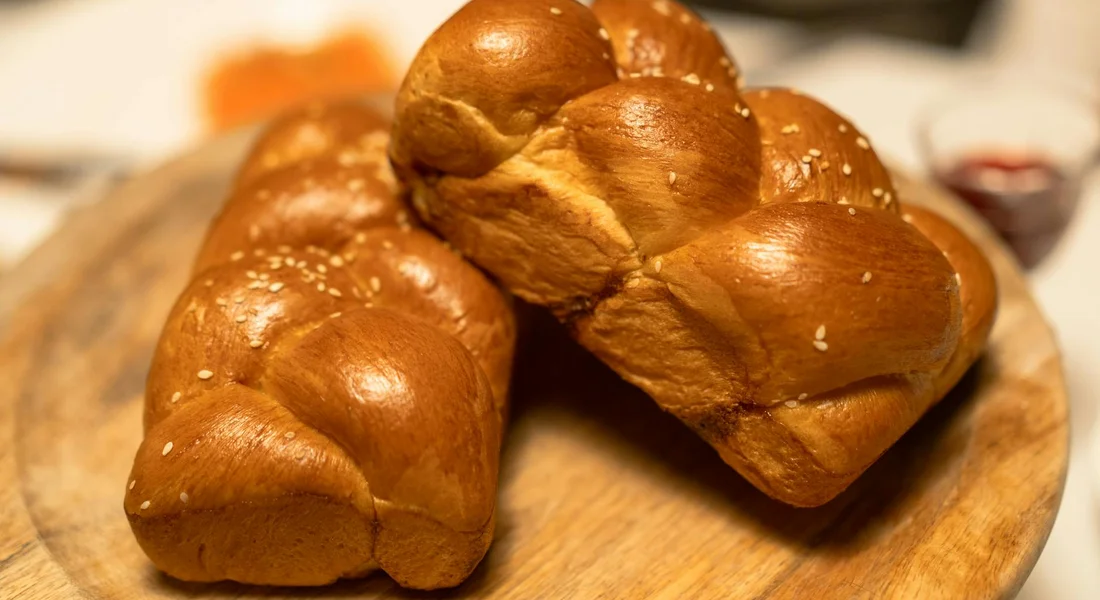
Think of your preheated Dutch oven as a professional bread oven. A full, blazing-hot preheat is the secret to that explosive “oven spring” in your loaf. For your seasoning, this heat is just as vital. It polymerizes any thin, fresh layer of oil you might have applied, locking it into the existing surface.
Place your empty Dutch oven, with the lid on, into a cold oven. Set it to 450°F or 500°F, depending on your recipe’s needs. Let it heat for a full 45 to 60 minutes. This ensures the entire mass of iron is uniformly hot, not just the bottom. Skipping this step means your dough will start cooking slowly on a cooler surface, leading to a dense, sad loaf.
A properly preheated Dutch oven mimics a steamy professional oven, giving your bread its lift and giving your seasoning a heat treatment.
The Parchment Paper Question
Using a parchment paper sling is incredibly tempting. It makes transferring a wet, sticky dough foolproof. The trade-off is minor. The paper acts as a barrier between your dough and the pan’s surface. Your seasoning doesn’t get the direct contact that can help smooth and reinforce it during the bake.
I use parchment for very high-hydration doughs because a stuck loaf is a bigger problem than a missed seasoning opportunity. For a stiffer dough, I often go without. If your pan’s seasoning is newer or less smooth, parchment can prevent sticking and a frustrating clean-up. It’s a practical choice, not a failure.
Preparing the Lid
What about the underside of the lid? It gets just as hot. If your lid’s seasoning is flawless and glass-smooth, you can leave it bare. If it’s a bit dry or patchy, a microscopic film of oil applied before the preheat can help. A very light dusting of flour is another traditional baker’s trick to prevent any potential sticking, though it can leave a residue to brush off later.
My rule is simple: if the surface looks dry or feels rough to a light finger rub, give it the barest whisper of oil before it goes into the cold oven to preheat.
Skillet vs. Dutch Oven for Bread
You can bake a beautiful, flat loaf like focaccia in a skillet. But for a tall, crusty artisan boule, a Dutch oven is the right tool. Knowing how to use a Dutch oven is key. It traps the steam evaporating from your dough during the first part of the bake. This moisture keeps the loaf surface supple so it can expand fully, creating that crispy, blistered crust we all want. A skillet can’t trap that essential steam.
The enclosed environment of a preheated Dutch oven is what creates the ideal steam-filled chamber for a professional-quality crust. So, while you can bake bread in a skillet, the Dutch oven is designed for the task.
The High-Heat Bake: What Happens to Your Seasoning
When you carefully place your dough into the screaming-hot pot and clang the lid on, something wonderful happens for your bread and your pan. You might see a wisp of smoke. You’ll likely smell a toasty, oily scent. Don’t panic. This is normal. It’s the existing seasoning on your Dutch oven getting a workout, stabilizing and hardening further under the intense, dry heat.
This process is like a seasoning booster shot. The sustained high temperature bakes on any microscopic oils and polymers the existing layers, making them more durable and non-stick for your next cook. My oldest Dutch oven has a blacker, slicker finish from years of bread baking than from anything else I do with it.
A Word of Caution on Doughs
This seasoning benefit applies to basic, lean doughs: flour, water, salt, yeast. Be cautious with doughs containing a lot of sugar, honey, or egg washes. These can caramelize, burn, and fuse to the iron in the intense heat. The clean-up can be brutal, sometimes requiring a scrub that sets your seasoning back. For those bakes, parchment paper is your best friend.
Stick to lean doughs for the best bread results and to actively improve your pan’s seasoning with every bake.
This is precisely why baking a lean sourdough in a cast iron Dutch oven is such an ideal method. You get perfect bread and maintain your cookware in one step. The high heat and steam are fantastic for the loaf’s structure, and that same environment conditions the iron. It’s the most productive maintenance you can do while also making dinner.
The Critical Post-Bread Care Protocol

You just pulled out a beautiful, crusty loaf. The care you give your Dutch oven in the next 30 minutes is just as important as the preheat for the bread’s quality.
Cooling the Pan Safely
Your Dutch oven is extremely hot. Treat it like a hot piece of glass, not a regular pot. Never pour cold water into it or set it on a cold, wet surface. That sudden temperature change can cause thermal stress, potentially leading to cracking.
I set my hot Dutch oven on top of the stove or on a wire cooling rack. I leave the lid slightly ajar to let the remaining steam escape. Let it cool until it’s warm to the touch, which usually takes 20 to 30 minutes. Only then is it safe to handle for cleaning.
Letting your cast iron cool gradually is non-negotiable for its long-term health.
Cleaning After Baking
Once cool, inspect the interior. Often, you only need to brush out any loose flour or crumbs with a dry paper towel or soft brush. If the bread released cleanly, that might be all it needs.
If you see baked-on flour or a few stuck bits, it’s time for a gentle scrub. I avoid soap for this simple job. Instead, I pour in a handful of coarse salt or a tablespoon of baking soda, add just enough warm water to make a paste, and use a non-scratch sponge or a dedicated stiff-bristled brush to scrub. The abrasive paste lifts residue without harming the seasoning.
For stubborn spots, simmering an inch of water in the pan on the stove for a few minutes will loosen them. Then, scrub with your brush.
Baked-on flour needs a gentle abrasive, not a harsh one; salt or baking soda paste is your best tool here.
The Mandatory Re-Dry
After rinsing and towel-drying, your pan is not truly dry. Microscopic water remains in the iron’s pores. If you put it away now, you will get flash rust.
Place the clean Dutch oven and its lid on a stovetop burner over low heat for 5-10 minutes. You want to see all moisture evaporate and feel the pan become uniformly warm and dry to the touch. This heat drives off the last traces of water that a towel can’t reach.
The Final Protective Coat
After the pan has completely cooled from the stovetop drying, it’s time for the finishing touch. Apply a tiny amount of neutral oil (like canola or grapeseed) to a paper towel.
Wipe a thin, even layer over the entire interior cooking surface and lid. Then, take a fresh, clean paper towel and buff aggressively. Your goal is to remove all visible oil, leaving only a microscopic film behind. This film will polymerize with the pan’s residual heat and protect the surface until its next use.
This final “seasoning refresh” coats the iron’s pores and is what keeps your Dutch oven ready for the next bake.
Common Mistakes and How to Avoid Them
Not Preheating the Empty Dutch Oven
Placing dough into a cold pot is the most common error. A properly preheated Dutch oven acts like a miniature steam-injected professional oven. The intense, immediate heat is what creates a strong “oven spring” (the rapid final rise) and a crisp, blistered crust.
Without a full preheat, your bread will be pale, dense, and lack that signature crackly crust. Always preheat your empty Dutch oven, with its lid on, for a full hour at your baking temperature.
Placing Cold Dough into a Scorching Pan
While the pan must be hot, shocking it with a cold, wet dough mass from the fridge is risky. The extreme differential can, in rare cases, stress the iron. More commonly, the cold dough can stick immediately to the searing-hot surface.
I use a sheet of parchment paper as a sling. I lower my proofed dough into the hot pot using the parchment. It prevents sticking and eliminates any thermal shock risk to the pan.
Leaving the Damp Lid on the Hot Base
After baking, the underside of the lid is coated with condensation. If you set the wet lid directly back onto the hot base to cool, that trapped steam creates a perfect rusting environment, often leaving a visible ring.
Cool the lid and base separately, or place the lid ajar on top so moisture can escape. I rest my lid upside down on the handles of the base.
Using Abrasive Cleaners on Baked-On Flour
Seeing a white, baked-on flour residue can make you reach for a metal scrubber or harsh cleaner. This will scrape off your hard-earned seasoning.
Stick to the gentle abrasive pastes mentioned earlier. For a really tough spot, a plastic dough scraper or a chainmail scrubber designed for cast iron can be used gently. The goal is to remove the food, not the black patina underneath. If you’re dealing with stubborn burnt-on food on cast iron, these gentle methods can loosen it without harsh scrubbing. This approach helps preserve the seasoning while tackling burnt, stuck residue.
Your seasoning is a thin, baked-on polymer layer; treat it like a durable paint, not a non-stick coating you can scour.
Storing the Pan Sealed While Warm
Putting the lid on tight while the pan is even slightly warm traps residual heat and moisture. As it cools, that moisture condenses into water droplets inside your stored pot, leading to rust.
Always ensure your Dutch oven is completely, bone-dry and at room temperature before storage. I store mine with the lid slightly offset or with a paper towel tucked inside to absorb any ambient moisture.
Cast Iron Bread Pan Options: Dutch Oven, Skillet, or Baker?
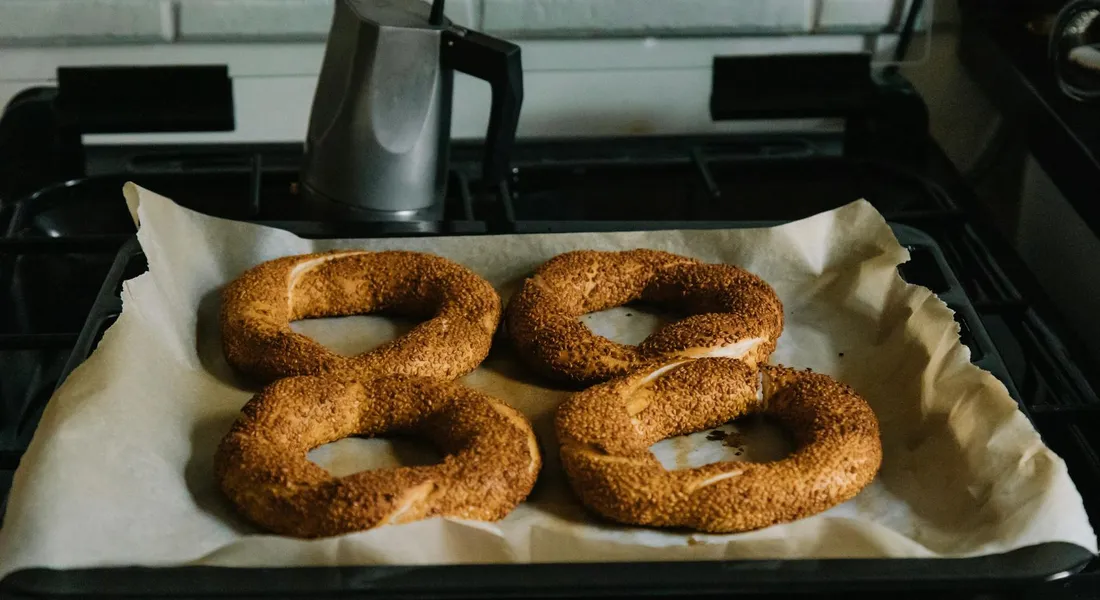
Choosing the right pan is about matching the tool to your bread’s shape and the baking environment it needs. The best pan is the one you will use and care for properly.
Comparing Uses and Shapes
Each type of pan creates a different result. A cast iron Dutch oven is the champion for free-form artisan loaves. Its deep walls and tight-fitting lid trap steam from the dough itself, creating the crisp, glossy crust professional bakers strive for. I use my 5-quart cast iron Dutch oven for this weekly.
A covered skillet is excellent for smaller, round boules. It offers the same steam-trapping benefit in a lower-profile package. A cast iron loaf pan is designed for sandwich bread, giving you perfectly square slices…
The pan you choose directly shapes your bread’s final form, so consider what you bake most often.
Maintenance Nuances for Each Pan
Caring for these pans shares the same core principles, but some details change with the shape. For a bread cloche, pay extra attention to seasoning the entire interior dome. Those curved walls need a thin, even coat of oil just like the base.
With a loaf pan, the corners are critical. When washing and drying, run a towel or brush firmly into the corners to prevent moisture and food bits from hiding there, which can lead to rust. For any lidded pan like a Dutch oven or covered skillet, remember to care for both pieces separately. The underside of the lid and the rim of the base also need to be kept clean and lightly oiled.
Answering Your Pan Questions
When people search for a “cast iron bread pan with lid,” they are usually looking for a Dutch oven or a covered skillet. These are fantastic multi-taskers. You can bake bread in them one day and braise a stew the next. Just be sure your seasoning is robust enough for high-heat baking.
A “cast iron bread loaf pan” is a single-purpose hero. Its straight sides won’t trap steam for a crusty loaf, but they will give you a uniform sandwich bread. Its maintenance is straightforward, but never let it soak in water, as the seams at the corners can be vulnerable.
If your pan is enameled cast iron, the care rules change completely: use gentle cleaners, avoid high-heat seasoning, and never preheat it empty. The enamel coating is a glass surface that doesn’t need or accept seasoning like bare iron does.
Long-Term Maintenance for the Frequent Bread Baker
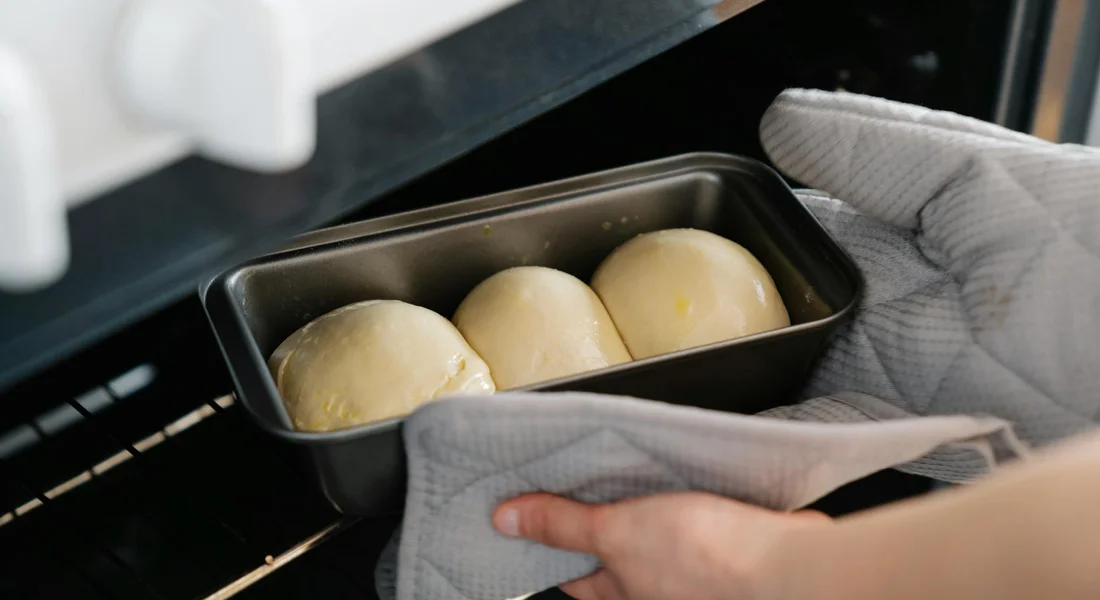
Baking bread regularly is one of the best things you can do for your cast iron’s seasoning, thanks to the steady, moderate heat and the oils from the dough. But frequent high-heat use also demands a little more vigilance.
Inspect and Protect Your Seasoning
Every few bakes, take a moment to look at your pan’s cooking surface. Hold it under a bright light and tilt it. You’re looking for any dull, dry, or lighter-colored patches. These thin spots are where the polymerized oil layer has worn down from the intense, direct heat of bread baking.
Catching these dull spots early is the secret to preventing rust and sticking before they start. For someone baking weekly, I recommend a quick oven re-seasoning session every two to three months. This isn’t a full restoration, just a single coat to reinforce the foundation.
The Best Oils for the Job
When maintaining a pan used for high-heat baking, the oil’s smoke point is your top priority. You need an oil that can polymerize into a hard, durable layer at bread-baking temperatures (often 450°F/230°C or higher).
- Grapeseed Oil: My personal favorite for maintenance. It has a high smoke point (about 420°F) and builds a very tough, slick layer.
- Avocado Oil: The highest smoke point of common kitchen oils (over 500°F), making it an excellent, though sometimes pricier, choice.
- Refined Coconut Oil: A great neutral option with a high smoke point (around 400°F).
I avoid low smoke point oils like flaxseed or butter for this specific maintenance, as they can break down under repeated bread-baking heat.
Fixing Minor Issues Without Starting Over
Notice a little sticking or a discolored patch? You almost never need to strip the pan and restart. Here is my simple spot-treatment process:
- Warm the pan gently on the stovetop.
- Rub a tiny amount of your high-smoke-point oil directly onto the problem area with a paper towel.
- Heat the pan until it just starts to smoke, then let it cool completely.
- Wipe it out gently. The heat will have helped polymerize a fresh, thin layer right where it was needed.
This method fixes most small problems. It keeps your well-earned seasoning foundation intact while addressing the wear and tear of a happy, busy bread-baking life.
Common Questions
My bread recipe has honey or sugar. Will this hurt my Dutch oven’s seasoning?
Yes, it can. Sugars and syrups caramelize and fuse to the iron at high heat, creating a difficult, sticky mess that often requires a harsh scrub. Always use a parchment paper sling with these doughs to create a protective barrier. Clean any residue gently but immediately after the pot has cooled.
Is it really okay to use soap when cleaning my cast iron bread baker?
Yes, modern, mild dish soap is perfectly safe for a well-seasoned pan and will not strip your seasoning. The enemy is abrasive scouring, which scrapes the polymerized layer away. Use soap if needed to cut through oils, then always follow with a thorough dry and a thin oil coat.
How should I store my lidded pot to prevent rust after baking?
Never seal the lid while the pot is warm, as trapped steam will condense and cause rust. Ensure both pieces are completely dry and at room temperature. For long-term storage, place a folded paper towel inside to absorb ambient moisture and leave the lid slightly ajar.
Why Your Dutch Oven is a Bread-Baking Powerhouse
The single, non-negotiable rule for great bread is managing moisture and heat, and your cast iron Dutch oven masters both. For perfect results every time, focus on maintaining a robust seasoning layer—this is what creates the consistent, even heat and non-stick surface your dough relies on. Always let your oven and Dutch oven preheat fully, as this thermal mass is the engine of your bake. For more on preserving that vital surface, explore our guides on fixing sticky seasoning or storing your cookware to prevent rust.
Sources and Additional Information
- Dutch Oven No Knead Bread (with perfect crusty crust!) – Bowl of Delicious
- No Knead Bread (Dutch Oven Bread) – Jessica in the Kitchen
- The best and easiest dutch oven crusty bread recipe!
- Easy Bread Recipe: No Kneading and Dutch Oven Ready! – Lehman’s Simpler Living Blog
- Dutch Oven Bread
Joseph Gerald
A material science expert by profession, Joseph is also an avid cook. He combines his 10+ years expertise in material science and metallurgy with his passion for cast iron cookware to bring you best hands on advice. His expertise ranges from types of cast iron cookware to best seasoning tips as well as restoration of vintage cast iron utensils. Joe is here to help you solve all your cast iron cookware queries and questions.