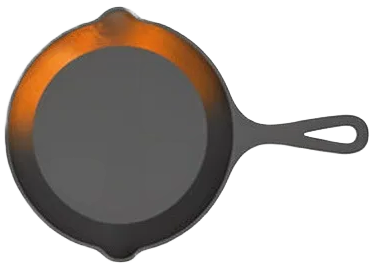
Does Soap Really Ruin Cast Iron Seasoning?
If you’ve ever hesitated to wash your skillet with soap, fearing it will undo all your seasoning work, I understand that worry. Let me reassure you: using a little mild dish soap on a well-seasoned pan is perfectly fine, and I do it all the time with my own cast iron.
Here’s what we’ll cover to put your mind at ease:
- The real story behind the “no soap” rule and how it became outdated.
- Why today’s dish soaps won’t eat through your seasoning like old lye soaps could.
- My simple, safe method for cleaning with soap that keeps your pan in top shape.
- When skipping soap makes sense and what to do instead.
What Is Seasoning, Really?
Think of your pan’s seasoning not as oil, but as a new surface. When you apply a thin layer of oil and heat it past its smoke point, a chemical change happens. The oil transforms through a process called polymerization.
Polymerized oil is a hard, bonded layer, more like a tough plastic coating or a well-cured enamel paint than anything greasy. This is your true non-stick surface. It’s also what seals the iron from moisture and stops rust. It is created through a process known as polymerization, which chemically bonds the oil to the surface.
This is very different from “gunk,” which is just built-up, carbonized food and old fat. Gunk is flaky, sticky, and can harbor off-flavors. A clean, polymerized layer is smooth and inert. Your goal is to preserve the hard seasoning while washing away the soft gunk.
Where the “No Soap” Myth Came From
The rule made perfect sense a century ago. Our grandparents used real soap, often homemade. That soap was made with lye (sodium hydroxide), a powerful alkali that cuts through grease. Lye is the active ingredient in many commercial cast iron strip tanks because it can break down that polymerized layer.
Modern dish soap is not the same product; it’s a detergent, a much milder surfactant designed to lift grease and food particles so they rinse away. It doesn’t contain lye and isn’t chemically aggressive enough to attack properly polymerized seasoning.
The “no soap” advice was practical wisdom that got passed down through generations without updating. I followed it myself for years. The related fear that soap taste gets “absorbed” into the iron is also a holdover. Iron is non-porous at a microscopic level, and detergent rinses clean with water. In fact, the idea that soap damages cast iron has been debunked by practical testing. Modern guidance shows mild soap won’t harm seasoning and can actually help clean more effectively.
Soap vs. Detergent: A Key Difference
Traditional lye soap works through saponification, a chemical reaction that literally turns fats into soap. It’s excellent for degreasing but can be harsh on cured oil layers.
Modern detergents, whether derived from plants or petroleum, work by surrounding grease molecules so they can be suspended in water and washed off. These detergent molecules do not bond to the iron; a thorough rinse sends them completely down the drain, leaving no taste or residue behind.
What Actually Damages Seasoning?
If mild detergent isn’t the problem, what is? Focus your caution on these real enemies:
- Prolonged Soaking: Letting a pan sit in water invites rust, which lifts seasoning from the base metal.
- Abrasive Scouring: Steel wool or harsh scrub pads can physically scratch and scrape the seasoning layer off.
- Thermal Shock: Placing a hot pan in cold water or on a wet surface can cause microscopic cracks in the seasoning.
- Acidic Foods Left Sitting: Cooking tomatoes or wine is fine, but leaving that sauce in the pan for hours can begin to break down the polymerized layer.
Compared to these, a quick wash with a soft sponge and a drop of dish detergent is a gentle, effective clean. It removes the mess without harming the hard, protective coating you’ve built.
How Soap Works on a Seasoned Pan

Modern dish soap works by surrounding grease and food particles with molecules that make them soluble in water, allowing them to be rinsed clean away. Think of it like a magnet for grime.
The critical point is that soap is designed to break down loose, free-floating oils, not the hard, polymerized layer that is your seasoning. Proper seasoning is created when oil is heated past its smoke point, transforming from a liquid into a solid, cross-linked plastic-like coating bonded to the iron. Soap and water can’t dissolve that.
If you ever see dark residue come off on your sponge when using soap, that’s not your seasoning failing. It’s almost always loose carbonized food or a layer of sticky, unpolymerized oil that never fully cured. Removing this gunk is a benefit, leaving you with a cleaner, smoother cooking surface.
What About Soaking Cast Iron in Soapy Water?
The problem here isn’t the soap, it’s the soaking. You should avoid prolonged soaking of any kind. Cast iron can rust when left wet for long periods, as water slowly breaks through the microscopic pores in the seasoning. A 5-minute wash is fine. Leaving a pan in a sudsy sink for hours invites trouble and can lead to rust on cast iron cookware.
I differentiate between a quick clean and a neglectful soak. If you need to soften stubborn bits, use hot water and a brief scrub, then move straight to drying.
Is Enameled Cast Iron Different?
Yes, and it’s simpler. Soap is not only safe for enameled cast iron, it’s recommended. The porcelain enamel coating is essentially a layer of glass fused to the iron, creating a completely non-porous surface that doesn’t require seasoning, unlike traditional cast iron cookware.
For enameled pieces, your primary care focuses are avoiding thermal shock (don’t plunge a hot pan into cold water) and skipping metal utensils to prevent chipping. When selecting tools, opt for utensils that are safe to use with enameled cast iron. Washing with soap is standard, worry-free practice.
The Right Way to Wash Your Cast Iron
Here is my standard, no-fuss cleaning routine. Using a drop of soap is a normal part of this process for me when I’ve cooked something greasy.
Step 1: The Post-Cook Clean (While Warm)
- Let the pan cool slightly so it’s warm, not scorching hot.
- Rinse it under hot water while using a brush, sponge, or chainmail scrubber to loosen food.
- For sticky or oily residue, add a single drop of mild dish soap to your scrubber. A little goes a very long way.
- Scrub, then rinse completely with hot water.
Step 2: The Thorough Dry
This step stops rust. Do not skip it.
First, dry the pan thoroughly with a towel. Then, place it on a stovetop burner over low to medium heat for 2-3 minutes until all traces of moisture are gone. You’ll see the last water spots evaporate. This heat-dry is your best defense.
Step 3: The Protective Oil Coat
After the pan is dry and still slightly warm from the burner, I apply a maintenance coat of oil.
Put a few drops of a high-smoke-point oil (like grapeseed or canola) on a paper towel. Wipe the entire cooking surface, then use a clean towel to buff it as if you’re trying to remove all the oil. You are leaving behind only a microscopic, protective film, not a wet layer. This is routine upkeep, especially for newer pans, not a full re-seasoning.
Your Cast Iron Cleaning Checklist
Think of this as your go-to routine. Follow these simple do’s and don’ts after every use, and your pan will stay in great shape for years.
Do:
- Wash with warm water and a brush or non-abrasive scrubber. This is the foundation of good care.
- Use a drop of modern dish soap to cut grease. One small drop is all you need to break down cooking oils without harming your seasoning.
- Dry immediately and completely with heat. Towel dry, then place the pan on a warm stove burner for a minute to evaporate every last bit of moisture.
- Apply a thin oil coat for storage if the pan seems dry. A quick wipe with a barely-oiled cloth protects the surface during long breaks between uses.
Don’t:
- Let the pan soak in water. Prolonged soaking is the fastest way to invite surface rust.
- Use steel wool or harsh abrasives on your good daily seasoning. Save the aggressive tools for stripping and restarting a damaged pan.
- Put a wet pan away in a cupboard. Trapped moisture leads directly to rust, every single time.
- Fear the soap bottle. The myth is dead. Modern, mild dish soap is a safe and effective cleaning tool.
The goal is to clean the pan, not to punish it or yourself with complicated rituals.
Tools for the Job: What to Keep by Your Sink
Having the right tools makes cleaning easy and effective. You don’t need many, just a few reliable items.
Gentle Scrubbers
For most cleanups, you want something that scrubs without scraping. A nylon-bristle brush or a soft Scotch-Brite pad works perfectly. I keep a dedicated bamboo brush by my sink because it dries quickly and doesn’t hold odors. A simple dishcloth dedicated to your cast iron also does the job for lightly used pans. After cooking is complete, a quick post-use cleaning guide helps lock in seasoning and prevent rust. Following that brief routine ensures your pan stays ready for the next meal.
For Stuck-On Food
When you’ve got stubborn, baked-on bits, you need a gentle abrasive. A chainmail scrubber is my favorite tool for this. It knocks off stuck food like magic but glides over the polymerized seasoning without damaging it. If you don’t have one, coarse kosher salt makes a great, disposable abrasive. Sprinkle some in the pan with a little water and scrub with a paper towel. Stubborn, burnt-on buildup is a common cast iron challenge. A quick guide on cleaning burnt, stuck food from cast iron is coming next.
A chainmail scrubber feels aggressive, but it’s surprisingly gentle on well-bonded seasoning while being tough on crusty food.
The Perfect Drying Cloth
Keep a small, lint-free cotton towel or cloth napkin just for your cast iron. Microfiber cloths also work well. This cloth is for drying after washing and for applying your thin coat of oil. Having a dedicated cloth prevents you from grabbing a dirty one and ensures no fluffy lint gets left behind on your pan. Think of this as part of a clean season to maintain your cast iron skillet. A quick dry and a light, even oil coat now will help keep it seasoned for the next use.
Choosing an Oil for Aftercare
After cleaning and drying, a microscopic layer of oil protects the surface. You want an oil with a high smoke point. Grapeseed and canola oil are excellent, popular choices that polymerize well. Crisco or other vegetable shortening is a classic option that’s easy to apply in a very thin layer.
The best oil is often the one you already have in your kitchen, as long as it can handle high heat. The key is using a minuscule amount-wipe the pan with an oiled cloth, then use a clean part of the cloth to buff it until it looks almost dry. You’re aiming for protection, not a greasy film.
Common Questions
What should I do if soap seems to leave a residue or dull my pan’s finish?
This is typically caused by using too much soap or not rinsing thoroughly. Use only a single drop of mild detergent and rinse under hot water until all suds are gone. The dullness is often a thin film of leftover soap, not damaged seasoning, and will bake off during your next use or heat-dry cycle.
How does cleaning an enameled cast iron Dutch oven differ from my seasoned skillet?
Enameled cast iron requires no seasoning and soap is not just safe, but essential for cleaning its glass-like surface. That same care applies to clean enameled cast iron cookware porcelain coated surfaces, where the glossy finish benefits from gentle cleaning. Avoid abrasive scrubbers that can scratch the enamel and never use the intense stovetop drying method; simply towel-dry it completely after washing.
Is a chainmail scrubber safe to use with soap, or does it become too abrasive?
A chainmail scrubber is perfectly safe and highly effective when used with soap. Its design knocks off food debris while gliding over the hard, polymerized seasoning. The combination of soap, hot water, and chainmail provides a deep clean without harm.
Your Cast Iron and Modern Care
Modern dish soap is a safe and effective tool for cleaning your well-seasoned cast iron. Using it properly doesn’t strip your seasoning; it simply removes the food residue and grease that can turn rancid. Focus your energy on thorough drying and occasional oiling, not on avoiding a bottle of mild soap. For more on building and maintaining that essential surface, our guides on oven seasoning and fixing sticky pans offer the next logical steps. For a comprehensive look at using dish soap with cast iron, our complete guide pulls it all together—cleaning, drying, and seasoning for lasting results.
Research and Related Sources
- r/cookingforbeginners on Reddit: Cast iron newbie. Soap or no soap?
- Is It OK to Use Soap on Cast Iron? | America’s Test Kitchen
- Cast Iron Cleaning & Seasoning Oil & Soap Set | Caron & Doucet – Caron & Doucet | USA
- Amazon.com: CARON & DOUCET – Cast Iron Cleaning Soap | 100% Plant-Based Soap | Best for Cleaning, Restoring, Removing Rust and Care Before Seasoning | For Skillets, Pans & Cast Iron Cookware… (8 oz) : Health & Household
- Can You Really Use Soap On Cast Iron?
Joseph Gerald
A material science expert by profession, Joseph is also an avid cook. He combines his 10+ years expertise in material science and metallurgy with his passion for cast iron cookware to bring you best hands on advice. His expertise ranges from types of cast iron cookware to best seasoning tips as well as restoration of vintage cast iron utensils. Joe is here to help you solve all your cast iron cookware queries and questions.