Can You Cook Acidic Foods in Cast Iron Without Ruining the Seasoning?
You’ve probably been told that cooking tomatoes, wine, or citrus in your cast iron will strip its precious seasoning. I make acidic dishes in my own pans regularly, and with a mindful approach, you can too without damage.
- How acids actually interact with your pan’s polymerized oil layer.
- Simple, effective techniques to cook acidic foods safely.
- What to do immediately after cooking to protect your seasoning.
- When it’s smarter to use a different piece of cookware instead.
What Acid Really Does to Your Pan’s Seasoning
Think of your pan’s seasoning like a tough, flexible coat of paint. This isn’t just oil sitting on the surface. It’s a layer of polymerized oil, baked on through heat, that bonds to the iron. This coating is your main line of defense.
Acidic ingredients like tomatoes, wine, or lemon juice can interact with that layer. They can break down those polymer bonds over time. This may expose tiny bits of the bare iron underneath. When that happens, two things can occur: your food might pick up a slight metallic taste, and your pan’s finish can look dull or patchy where the seasoning was affected.
This interaction is usually minor and surface-level, not a disaster that ruins your pan. It’s more like giving your car a good, vigorous wash that leaves some water spots, not like a crash that totals it. The common warning against acidic foods exists to protect that perfect, non-stick seasoning you’ve worked hard to build. If you do cook acidic foods like tomatoes, a quick, careful cleaning afterward helps protect the seasoning. A brief scrub with hot water and a light oil re-season keeps the pan ready for the next round. In short, you avoid long acidic cooks to keep your seasoning strong and your food tasting purely of the ingredients, not the pan.
The Simple Chemistry of Acid and Iron
You don’t need a lab coat to get this. Acids are reactive. When they sit against your seasoning, they can slowly break the bonds holding that polymerized layer together. If the seasoning is thin or weak, the acid can reach the iron itself.
This reaction draws minuscule amounts of iron from the pan into your food. For most people, this is harmless and can even be a beneficial dietary boost. The real issue is taste. That iron can give a sauce or stew a subtle, tinny flavor that masks the other flavors you worked so hard to build.
What Damaged Seasoning Looks and Tastes Like
You’ll know if you’ve had a significant reaction. Visually, the pan’s surface will lose its dark, satin-black shine in spots. It may look dull, grey, or have light, patchy areas. It won’t look uniformly black.
The more obvious sign is on your tongue. If your tomato sauce or coq au vin has a distinct metallic, almost penny-like taste, that’s a clear signal the acidity has interacted with the iron. This brings us to a big question: is the pan ruined? Almost never. A pan is only truly ruined if it’s cracked or warped. Stripped or dulled seasoning is a temporary setback, easily fixed with a good cleaning and maybe a round of seasoning. It’s a maintenance issue, not a death sentence.
How to Cook Acidic Foods in Cast Iron Safely
Forget the idea of a total ban. With the right technique, you can confidently use your cast iron for a wide range of cooking. It comes down to managing two key factors: how long the acid is in contact with the pan, and how hot your pan is when you start. Mastering essential cast-iron techniques leads to perfect results. With the right approach, your pan becomes a versatile staple in the kitchen.
The 30-Minute Rule (Your New Best Friend)
This is the single most useful guideline. For acidic dishes that cook quickly, you have very little to worry about.
Searing cherry tomatoes for a pasta? Deglazing with a splash of red wine for a quick pan sauce? Adding a squeeze of lemon at the end of cooking? These brief exposures, under 30 minutes, pose minimal risk to a well-seasoned pan. The acid simply doesn’t have enough time to do much work.
The trouble starts with long, slow simmers where acidic food sits in the hot pan for an hour or more. A four-hour Sunday gravy or a slow-cooked chili with tomatoes will likely challenge your seasoning. So, how long can you cook tomatoes? For a quick sauté or a simmer that wraps up within 30-45 minutes, you’re likely fine. Will it ruin the pan? No, but a long simmer might mean you need to give the pan a little extra TLC and a touch-up seasoning afterward.
Heat is Your Shield
A well-preheated pan does more than just sear food better. That heat helps fortify your seasoning, making it less susceptible to acids. I always make sure my pan is properly hot before adding any acidic component.
Starting a tomato sauce in a cold cast iron skillet is asking for trouble. The acid and iron have maximum contact time as the pan slowly heats up. Instead, build your base with onions, garlic, or other ingredients first, get the pan hot, then add your tomatoes or wine. That established heat creates a more resilient environment. A complete guide on cooking acidic foods like tomatoes in cast iron covers timing, heat, and care.
Choosing Your Battles: A Quick Acidic Foods Guide
Not all acidic foods are created equal. Use this list as a general guide for your acidic foods cast iron plans. Remember, the 30-minute rule and a hot pan are your best tools for any of these.
- High Acidity (Handle with Care): Straight lemon juice, vinegar, white wine. Best for very brief finishes or deglazing.
- Medium Acidity (Good for Short Cooks): Red wine, many tomatoes (like fresh diced Roma or cherry), certain mustards. Perfect for quick acidic foods cast iron sauce preparations.
- Lower Acidity (Generally Safer): Tomato paste, crushed canned tomatoes, some fruits like peaches. These are often fine for longer cooks in a deep acidic foods cast iron casserole or Dutch oven, especially if your seasoning is well-established.
If Your Pan Takes a Hit: Spotting and Fixing Minor Damage
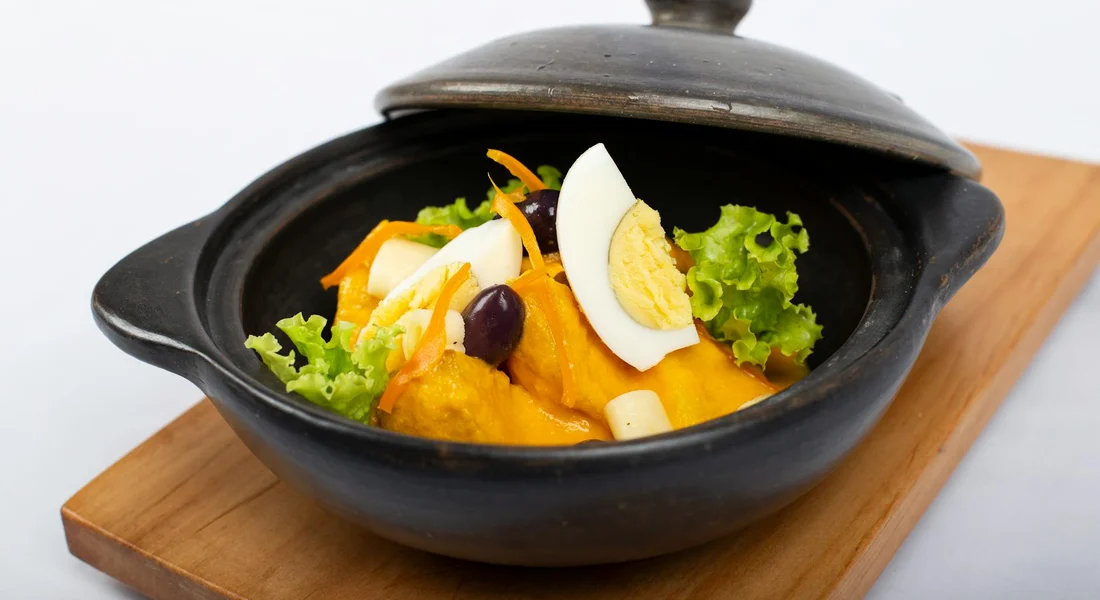
You made a tomato sauce, and now there’s a faint metallic note or a cloudy patch where the seasoning looks thin. This is normal. I have a skillet with a similar spot from a long-ago lemon butter chicken experiment. A metallic taste or a dull spot is a fixable maintenance issue, not a pan-ending event. Your pan isn’t ruined. The acid simply interacted with the topmost layer of your seasoning, and you can rebuild it.
Your Immediate After-Cook Checklist
The moment you finish cooking an acidic dish, act quickly. This limits the exposure time and makes cleanup easier.
- Transfer the Food: Get all the food out of the pan and into a serving dish right away. Don’t let it sit and cool in the iron.
- Quick Clean and Dry: While the pan is still warm (not scorching hot), rinse it with hot water and use a soft brush or sponge. A little soap is fine. The goal is to wash away any lingering acids. Dry it completely with a towel.
- Apply a Maintenance Coat: Hold the pan up to the light. If the surface looks dry or chalky, give it a whisper-thin wipe with a drop of your preferred seasoning oil. This quick coat helps protect the iron as it cools.
This immediate routine stops any acid from sitting on the iron and gives your seasoning a head start on recovery.
How to Perform a Quick Seasoning Touch-Up
For a small, localized spot of damage, you don’t need to re-season the entire pan in the oven. A stove-top touch-up is perfect. Think of it like spot-painting a scratch on a wall instead of repainting the whole room. This method is ideal for fixing minor issues on cast iron surfaces.
- Make sure your pan is utterly clean and bone-dry.
- Place it on a burner over low to medium-low heat for a few minutes to warm it up.
- Using a folded paper towel, apply a tiny amount of oil (like grapeseed or avocado) to the affected area. Wipe it as if you’re trying to remove all the oil. The pan should look nearly dry.
- Keep the pan on the heat for another 5-10 minutes. You’ll see the oil polymerize, turning from shiny to dry and matte. Let it cool on the stove.
This stove-top method is for minor patches, while a full oven re-seasoning is for widespread, flaky damage or when you want to build a completely new base layer. Now, to answer a common question: does lemon juice ruin cast iron? No, but it can strip a little seasoning. The repair process is exactly what we just covered. A quick clean, dry, and a stove-top touch-up will have your pan back in service for your next omelet. Routine maintenance is just as important for keeping your cast iron in top shape.
When to Use a Different Pan (And What to Use Instead)
There’s a time and place for everything. For a quick pan sauce with a splash of wine, your cast iron is great. For a four-hour simmering tomato ragu or a big batch of citrus-based ceviche where the food rests in the pan, another pan is the wiser, lower-maintenance choice. Using a different pan for marathon acidic cooking is smart kitchen management, not a failure of your cast iron. It preserves your hard-earned seasoning for the tasks it excels at, like searing and baking.
The Enameled Cast Iron Advantage
This is where enameled cast iron, like a Dutch oven, becomes your best friend. It gives you the superior heat retention of cast iron but with a crucial difference. An enameled Dutch oven is the ideal tool for long-simmered acidic braises and stews because its glass coating is completely non-reactive. You can simmer tomatoes, wine, or vinegar for hours without a single thought about your pan’s finish. The enamel does all the protecting.
Other Non-Reactive Cookware Options
You have other excellent choices for extended acidic cooking. A good tri-ply or multi-clad stainless steel sauté pan is incredibly versatile. Anodized aluminum is another great non-reactive option. For tasks like making a lemon curd or a vinegar-based pickling brine, even a glass or ceramic bowl is perfect. Some foods to avoid cooking in cast iron are highly acidic ingredients, like tomatoes, citrus, or vinegar-based sauces. For those, non-reactive cookware helps preserve the seasoning and flavor. The goal is to have a dedicated tool for these long-exposure jobs so your seasoned cast iron stays in prime condition.
Recommended Products for Acidic Cooking
I don’t recommend specific brands, but I do recommend categories. Look for a 5 to 7-quart enameled cast iron Dutch oven with a tight-fitting lid. It’s a kitchen workhorse for those long, slow cooks. A 3-quart tri-ply stainless steel saucepan with a lid is fantastic for smaller tasks like simmering a marinara. Having one of these pans in your arsenal takes the worry out of acidic recipes and lets you enjoy cooking them.
Quick Answers
Is it ever completely safe to cook acidic foods in cast iron?
Yes, for brief cooking times under 30 minutes with a well-preheated, well-seasoned pan. The key is managing exposure; a quick deglaze or sauté poses minimal risk. For long simmers, use enameled cast iron or stainless steel to avoid unnecessary maintenance.
Does a metallic taste mean my food is unsafe to eat?
No. A metallic flavor indicates the acid has interacted with bare iron, which is harmless for most and can even provide a dietary iron boost. The issue is culinary, not safety-it means your pan’s seasoning needs attention to restore neutral cooking performance.
I left tomato sauce in the pan overnight. Is the pan ruined?
No, but it requires immediate correction. Scrub the pan thoroughly, dry it completely, and perform a full stovetop or oven re-seasoning. This restores the protective layer; the iron itself is exceptionally durable and cannot be “ruined” by food acids alone.
Smart Care for Cast Iron and Acidic Foods
You can cook acidic foods in cast iron successfully by always starting with a robust, well-built seasoning layer on your pan. Moderate your heat, keep cooking sessions brief, and always dry and oil the skillet promptly after washing to preserve that hard-earned finish. Getting comfortable with simple maintenance, like regular stovetop seasoning, will serve all your cooking projects well.
Expert Resources and Citations
- r/Cooking on Reddit: Is the claim that acidic ingredients destroy the seasoning on cast iron exaggerated?
- 3 Tips for Cooking Acidic Foods in Cast Iron – Lodge Cast Iron
- 5 Mistakes to Avoid When Cooking With Cast Iron
- Cooking Acidic Ingredients in Cast Iron Cookware – Field Company
- Can You Cook Acidic Ingredients in Cast-Iron Skillets? | America’s Test Kitchen
A material science expert by profession, Joseph is also an avid cook. He combines his 10+ years expertise in material science and metallurgy with his passion for cast iron cookware to bring you best hands on advice. His expertise ranges from types of cast iron cookware to best seasoning tips as well as restoration of vintage cast iron utensils. Joe is here to help you solve all your cast iron cookware queries and questions.