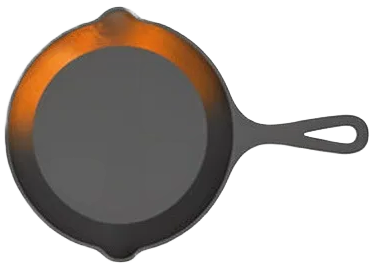
Cast Iron or Stainless Steel: Which Cookware Is Better for Seasoning and Durability?
If you’re standing in a store or browsing online, choosing between cast iron and stainless steel cookware can feel overwhelming, especially when you’re not sure which one will hold up best in your kitchen. Let’s cut through the confusion by looking at how each material handles seasoning and stands the test of time, so you can invest in pieces that truly last.
In this article, we’ll get straight to the practical points that matter for your daily cooking and care routine:
- We’ll break down the real-world durability of cast iron versus stainless steel, including how they handle heat and wear.
- You’ll see why seasoning is essential for cast iron but irrelevant for stainless steel, and what that means for your cooking.
- I’ll share maintenance tips from my own experience to keep both types performing well for decades.
- We’ll compare how each material develops a patina or stays shiny, and what that says about longevity.
What Are Cast Iron and Stainless Steel, Really?
At their core, these materials are worlds apart. Cast iron is exactly what it sounds like: molten iron poured into a sand mold to create a pan. This process leaves the metal with a microscopic porous, textured surface. Think of it like an unfinished wood cutting board. Left bare, it will soak up water and rust. To protect it, you must fill those pores and coat the surface with a hardened layer of oil, which we call seasoning.
Stainless steel is an alloy, a mix of metals. It’s primarily iron, but with a significant amount of chromium (and often nickel) added. This creates a smooth, non-porous, and highly rust-resistant surface. It’s more like a sheet of glass-solid, impenetrable, and inert. You don’t need to coat glass to protect it from water, and you don’t need to coat stainless steel.
This fundamental difference-porous vs. non-porous-dictates everything about how you care for each type of pan. One needs a relationship, the other just needs a cleaning.
The Seasoning Showdown: A Core Difference
The word “seasoning” gets thrown around a lot, but it has one true meaning here. Seasoning is the process that only applies to cast iron cookware. It is the act of baking a thin layer of oil onto the iron’s surface at a high temperature. The heat causes the oil to break down and polymerize, transforming from a liquid into a hard, slick, plastic-like coating.
With my own vintage skillets, I build this coating layer by layer. Each time I cook with oil or give it a fresh coat in the oven, I’m adding to that protective patina. Over years, it becomes a natural, semi-non-stick cooking surface that also completely shields the iron from rust. It’s a living finish that you maintain and improve.
You do not season stainless steel. If you try to bake oil onto a stainless pan like you would with cast iron, you won’t create a polymerized layer. You’ll just create a sticky, gummy, unpleasant mess that is very difficult to remove. Stainless steel is ready to use straight from the box; its “seasoning” is the chromium in its alloy, which forms an invisible, permanent protective layer.
So when someone asks about an “iron vs stainless steel pan,” this is the heart of it. Cast iron requires this ongoing ritual of building and maintaining a seasoned surface. Stainless steel does not. One offers a customizable, improving cooking experience. The other offers consistent, zero-maintenance performance right from the start. Ultimately, cast iron vs stainless steel which is better for your kitchen comes down to your priorities. If you crave a crust and versatility, cast iron shines; if you want effortless, everyday use, stainless steel wins.
Durability and Strength: Which Pan Truly Lasts Forever?
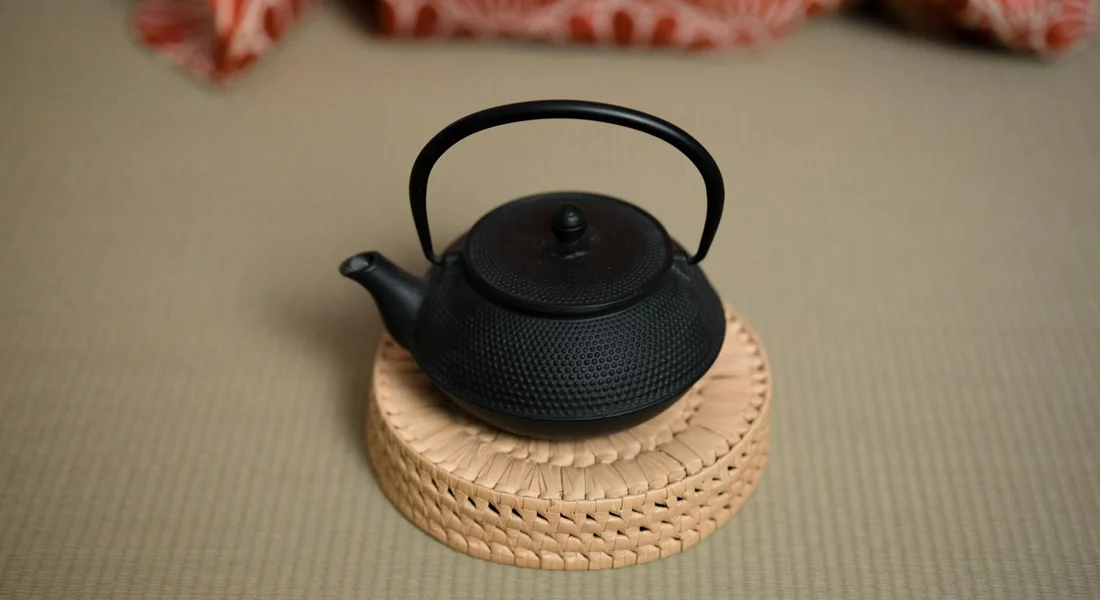
Both cast iron and stainless steel are champions of durability in the kitchen. Their strength comes from different places. Cast iron is hard and brittle, like a thick piece of ceramic. Stainless steel is tough and malleable, more like a resilient piece of tempered metal. While cast iron can withstand incredible weight and pressure without bending, it’s vulnerable to a hard, direct impact or a sudden, extreme temperature change. In metallurgy, engineers study cast iron to understand its strength and brittleness and to guide repair strategies. This knowledge helps explain why maintenance and restorative methods are critical for its longevity.
They are both built to last generations, but they tend to fail in opposite ways. Think of it like two types of strong wood: one is prone to splitting, the other to warping.
- Cast iron can crack if taken from a blazing hot burner and plunged into icy water (thermal shock). It will also rust into powder if left wet or neglected for years.
- Stainless steel can warp on a high-powered burner if it’s a thin, low-quality disc. It rarely rusts, but it can develop permanent, rainbow-colored heat stains or scorched-on carbon that feels like concrete.
My own daily driver skillet is a cast iron piece from the 1940s, and it’s functionally perfect. I’ve also used my mother’s stainless stock pot for twenty years. A well-cared-for piece of either material can easily outlive its owner, becoming a true kitchen heirloom. The path to that longevity is just different.
Cast iron’s forever-life is almost entirely in your hands. Your maintenance-drying it thoroughly, keeping a good seasoning-directly prevents its one weakness: corrosion. With stainless steel, its lifespan is more locked in during manufacturing. A pan with a thick, clad base of aluminum or copper sandwiched between stainless steel will resist warping and heat evenly for decades, while a thin, cheap one may not.
Daily and Long-Term Maintenance Compared
Your cleaning routine tells the whole story. Cast iron care is about preservation. Stainless steel care is about restoration.
The Daily Clean for Cast Iron
After cooking, let the pan cool slightly. Use hot water and a gentle scrubber. I use a bamboo brush or a dedicated cloth. For stuck bits, a chainmail scrubber works wonders without harming the seasoning. You’re just removing food, not sanitizing to a sterile shine. Dry it immediately and completely with a towel, then sometimes give it a brief warm-up on the stove to banish all moisture. A thin wipe of oil after drying is the classic move to keep the seasoning fortified for next time.
The Daily Clean for Stainless Steel
You can be more aggressive. Let the pan soak if needed. Use soap, Scotch-Brite pads, and elbow grease. The goal is to return the slick, bare metal surface to a perfectly clean state after every use. You don’t need to dry it with the same urgency, and you never oil it. Stainless steel’s daily chore is often simpler, but the scrubbing can be more physically demanding when food is stuck.
Long-Term Upkeep
This is where the difference deepens.
- Cast iron requires periodic re-seasoning. When the cooking surface looks dry, patchy, or dull, you bake on a fresh, thin layer of oil. This isn’t a daily task. It might be once a year or every few months, depending on use.
- Stainless steel needs occasional deep polishing. Over time, it gets a buildup of faint scratches and mineral stains. A powder like Bar Keepers’s Friend with a soft cloth will polish it back to a like-new shine. This is also not frequent, maybe once or twice a year.
Toolkit Comparison
| Cast Iron Kit | Stainless Steel Kit |
| Gentle brush or non-abrasive scrubber | Scouring pad or abrasive sponge |
| Chainmail scrubber for stubborn bits | Liquid dish soap |
| Soft towels for drying | Powdered cleanser (e.g., Bar Keeper’s Friend) |
| Your chosen seasoning oil (like grapeseed) | Microfiber cloth for polishing |
Philosophically, cast iron maintenance is a continuous, gentle practice of building protection, while stainless steel maintenance is a cycle of rigorous cleaning to reset to a neutral, inert state. One isn’t necessarily harder than the other. They just demand different kinds of attention. Cast iron asks for consistent, mindful care. Stainless steel asks for powerful, periodic effort. From a durability perspective, how they hold up under heat, moisture, and wear is the real comparison. A direct look at durability performance shows nuanced trade-offs between cast iron and stainless steel.
How to Choose What’s Right for Your Kitchen
Choosing between cast iron and stainless steel isn’t about finding a single winner. It’s about matching the tool to your cooking habits and kitchen personality.
Think about what you cook most often.
Now, be honest about maintenance.
- Are you someone who doesn’t mind a simple ritual? Wiping a pan with oil and knowing it’s improving with each use can be satisfying.
- Or do you prefer to wash a pan and be done with it, putting it away without a second thought?
Your answer points directly to cast iron or stainless steel, respectively.
For the most versatile kitchen, owning both is ideal. I use my stainless skillet for quick weeknight pastas and my cast iron for weekend breakfasts and heavy searing. They cover each other’s weaknesses perfectly. If you’re weighing safety and durability, the cast iron vs stainless steel choice comes up often.
Price often comes up. A good stainless steel pan usually has a higher initial cost. A cast iron skillet is often cheaper upfront. But you must consider lifetime value. A single cast iron skillet, with proper care, can literally last for generations, making its cost over time negligible. Stainless steel is also incredibly durable, but its value is in consistent, zero-maintenance performance.
You might see comparisons to things like jewelry or engineering rings. This highlights a core difference. Stainless steel’s chromium content makes it inherently rust-proof, ideal for items exposed to constant moisture like a ring on your hand. Bare cast iron is not. It requires the protective “paint job” of seasoning to survive, which is why we care for it so specifically in the kitchen.
Other Materials to Consider
Your search might lead you to other options.
Carbon steel is like cast iron’s lighter, more nimble cousin. It seasons the same way, develops a similar non-stick patina, and is fantastic for searing. It’s a favorite of restaurant chefs for its quick heat response and durability.
Enameled cast iron, like the famous Dutch ovens, offers the heat retention of cast iron with a glass-like coating. The key point is that enameled cast iron does not require seasoning and is dishwasher safe, trading the buildable patina for total convenience. Just avoid metal utensils to prevent chipping.
Traditional non-stick coatings with PTFE (Teflon) are not part of a durability discussion. Their coating is designed for convenience and will wear out, often within a few years, regardless of care. We focus on materials that last a lifetime.
When to Seek Professional Help
Most maintenance is straightforward DIY. Sometimes, though, a piece needs an expert.
For cast iron, seek a professional restorer if you find:
- Severe, pitting rust that has eaten deeply into the metal.
- A deep crack, especially on the cooking surface or sidewall.
- A skillet that rocks severely on a flat surface, indicating a warp too significant for home remedy.
These issues can compromise the pan’s function and safety, and a pro has the tools and expertise to assess if it’s salvageable.
For stainless steel, the need is rarer. However, very old, high-end copper-clad stainless pans sometimes had a tin lining. If that lining wears through to the copper, it requires a professional re-tinning service. This does not apply to modern all-stainless or aluminum-clad stainless cookware.
Recognizing when a problem is beyond a simple re-seasoning or scrub saves you time and protects your cookware from further damage.
Common Questions
If stainless steel doesn’t need seasoning, why does my cast iron?
Cast iron is porous and will rust without a protective barrier. Seasoning—baking on layers of polymerized oil—creates that essential, non-stick patina. Stainless steel’s chromium content provides a permanent, invisible shield, so no added coating is needed or effective.
I cooked something acidic (like tomatoes) in my cast iron. Did I ruin the seasoning?
You likely weakened the top layer. Acidic foods can break down seasoning if simmered for a long time, making the surface look dull or feel rough. Simply clean the pan, dry it thoroughly, and apply a fresh, thin layer of oil over low heat to reinforce it.
My new cast iron skillet feels sticky after I seasoned it. What went wrong?
Stickiness means too much oil was left on the pan before baking. The excess couldn’t polymerize fully. To fix it, heat the pan gently to soften the residue, wipe it out completely with a cloth, and continue baking until the surface is smooth and dry.
Sustaining Your Seasoned Skillet
For unmatched durability and a natural non-stick surface, commit to a simple routine of oiling your cast iron after each use and gentle heating. This consistent care builds a seasoning layer that hardens with time, turning your skillet into a family heirloom. If you are restoring an old pan or choosing your first piece, our other articles on rust removal and oil types offer practical next steps.
Deep Dive: Further Reading
- r/Cooking on Reddit: Stainless steel or cast iron?
- Cast Iron vs. Stainless Steel: What’s the Difference? – Made In
- Cast Iron vs Stainless Steel: Which is Better for Your Kitchen? | Misen
- Choosing Your Champion: Cast Iron vs. Stainless Steel – de Buyer
- Stainless Steel vs. Cast Iron: Starring Bobby Flay by GreenPan | GreenPan
Joseph Gerald
A material science expert by profession, Joseph is also an avid cook. He combines his 10+ years expertise in material science and metallurgy with his passion for cast iron cookware to bring you best hands on advice. His expertise ranges from types of cast iron cookware to best seasoning tips as well as restoration of vintage cast iron utensils. Joe is here to help you solve all your cast iron cookware queries and questions.