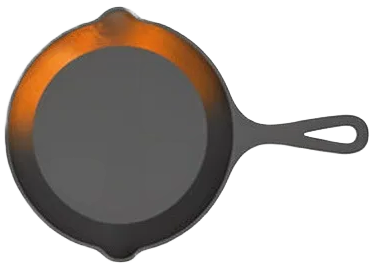
Why Does Cast Iron Hold Heat So Well? The Science Made Simple
Have you ever wondered why your food stays piping hot in a cast iron pan long after you turn off the burner? That impressive heat retention is a physical trait baked into the iron itself, and understanding it makes you a better cook.
Let’s break down the thermodynamics in plain terms. This article will show you:
- How cast iron’s density lets it soak up heat like a sponge, releasing it slowly and evenly.
- Why this property is perfect for searing and baking, giving you consistent results.
- How your care and seasoning layer complement this natural ability, making your pan more non-stick over time.
Key Takeaways: What This Means for Your Kitchen
Let’s forget the science lab for a second and talk about your stovetop. Knowing why cast iron holds heat changes how you cook with it.
Here are the simple truths you can use tonight.
- Cast iron heats slowly. You must be patient. Give your skillet a good 5-10 minutes on a medium flame to get properly hot across its entire surface.
- Cast iron cools slowly. Once it’s hot, it stays hot. This means you can move a seared steak to a cooler part of the pan to finish cooking without the temperature crashing.
- It delivers steady, even heat. This is the gold standard for a perfect sear, crispy-skinned chicken, and consistent baking in a Dutch oven.
This remarkable heat-holding ability is baked into the material itself, but your care for the pan protects that performance. A well-maintained seasoning layer ensures efficient heat transfer from the metal to your food. Rust and gunk act like a blanket, messing with that process.
I don’t believe cast iron is universally “better” than other pans. My lightweight carbon steel skillet has a permanent home on my rack too. Cast iron is different, and its thermal personality makes it the perfect tool for specific jobs where steady, relentless heat is the goal. If you’re weighing cast iron vs carbon steel skillets, the right choice depends on what you cook and how you cook it. Cast iron excels at long, steady heat; carbon steel shines when you need lighter weight and quicker response.
The Simple Science: Heat Capacity Explained (Without the Jargon)
Think of “heat capacity” as your pan’s ability to store thermal energy. It’s not about how fast it gets hot, but how much heat it can soak up and hold onto. A good analogy is a battery, but for warmth instead of electricity.
Picture a dense, heavy brick sitting in the sun. Now picture a thin, lightweight ceramic tile next to it. They both get warm. If you bring them inside, which one will radiate warmth into the room for hours? The brick, every time.
Cast iron is the brick. Most other common cookware metals, like aluminum or stainless steel, are the tile. This comes down to two things: density and composition. Cast iron is packed with more mass in a given space, and its specific molecular structure requires more energy to increase in temperature. In fact, comparing cast iron to other cookware materials highlights these differences.
For those who like the numbers: cast iron has a specific heat capacity of about 0.46 kJ/kg·°C (or around 0.11 BTU/lb·°F). In plain English, this number confirms what you feel-it takes a lot of energy to change its temperature. That’s the secret behind its slow, steady, and dependable nature on your stove. It’s not a flaw; it’s a superpower for the right task, especially when it comes to retaining heat.
Cast Iron vs. Other Cookware: A Heat Behavior Showdown
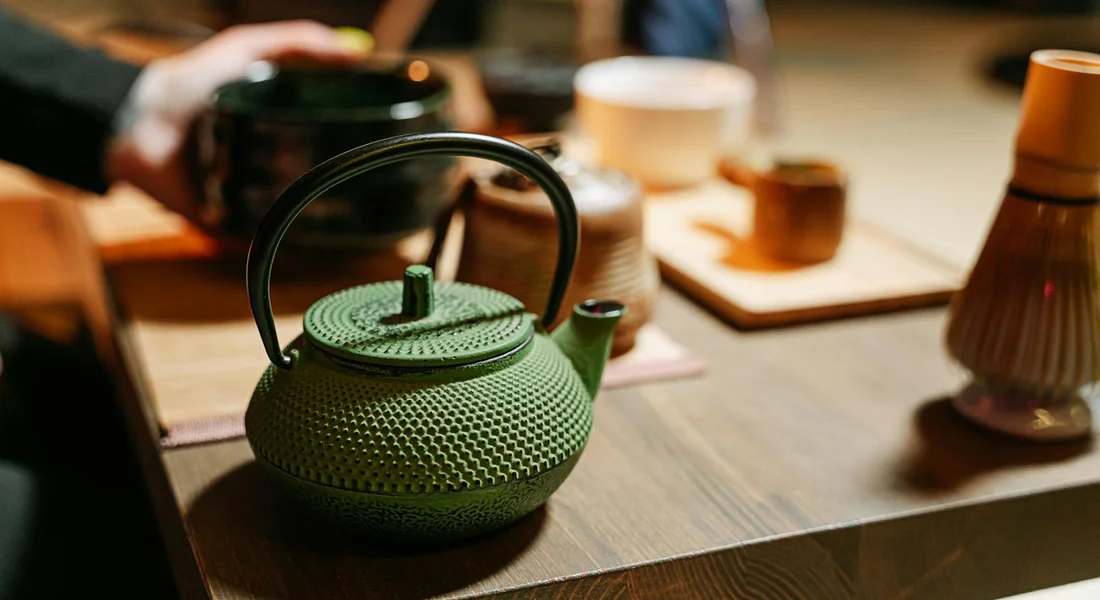
Let’s move from theory to your stovetop. How does cast iron’s heat behavior compare to the other pans in your cabinet? The difference isn’t just about temperature, it’s about timing and stability.
Cast Iron vs. Stainless Steel
Think of your stainless steel pan as a quick messenger and your cast iron as a steady, reliable anchor. Stainless steel, especially with an aluminum or copper core, reacts fast. Turn up the burner, and the heat moves quickly to your food. This is great for adjustments.
Cast iron is different. It’s slow to heat up because it needs to warm its entire thick, heavy mass. But once it’s hot, it stays hot. When you add a cold steak, the pan’s temperature barely dips. This high heat capacity is why cast iron excels at searing and maintaining a consistent temperature, even with a full load of food.
People often ask about “heat capacity cast iron vs stainless steel cookware.” A simple way to picture it: a stainless pan holds heat in a shallow puddle, while a cast iron skillet holds it in a deep, wide well. It’s just one of the factors to consider when deciding which cookware is right for you.
In the oven, both perform well. But that heavy mass of cast iron acts like a heat battery, helping to stabilize the oven’s temperature when you open the door and providing radiant heat from all sides for perfect roasting or baking, especially when you use cast iron for baking.
Cast Iron vs. Aluminum & Copper
Aluminum and copper are the superstar conductors. They’re like heat spreaders, moving energy from the burner across the pan’s surface with incredible speed and uniformity. They prevent hot spots.
Cast iron is a heat reservoir. It soaks up thermal energy and releases it steadily. The conductor (aluminum) is a sprinter, getting heat to the food instantly. The reservoir (cast iron) is the marathon runner, storing immense energy for the long haul of a slow cook or a powerful sear.
This is why a thin aluminum pan can scorch food if you look away, while cast iron provides a forgiving, steady heat that’s harder to mess up. Cast iron’s heat retention properties make it especially reliable for cooking delicate dishes.
Cast Iron vs. Carbon Steel
This is a family comparison. Carbon steel is cast iron’s lighter, quicker cousin. They share a similar high-heat capacity and love for seasoning. The main difference is thickness. Curious about the difference between cast iron and carbon steel? We’ll break down how thickness and alloy matter next.
Carbon steel pans are rolled thinner, so they heat up and react to changes a bit faster than cast iron. They hold heat very well, just not quite as much as a similarly sized chunk of cast iron. If you love how cast iron performs but want something a little faster and lighter to handle, carbon steel is the logical next pan to try.
How Your Seasoning Affects the Heat (It’s Not What You Think)
A major myth needs clearing up. Your pan’s seasoning is not an insulating blanket. It does not trap heat inside the iron like a thermos.
Proper seasoning is a microscopic, hard polymerized layer of oil. It’s incredibly thin, much thinner than a coat of paint. At that scale, it does not meaningfully block heat transfer.
So what does it do? A good, smooth seasoning creates a unified, non-stick surface. This allows for better, more consistent contact between the metal of your pan and the food you’re cooking. Think of it like paving a gravel road. The car (your food) makes better contact with the smooth asphalt (your seasoning) than with the bumpy stones (bare, porous iron).
The core relationship is this: proper seasoning lets the pan’s innate heat capacity work at its peak efficiency by ensuring the heat gets to the food effectively.
Now for the warning. Thick, gummy, or flaky seasoning is a problem. A layer built up from not washing your pan properly or using low-smoke-point oils can become a true barrier. This gunk can create air pockets and hot spots, disrupting the even heat transfer you want. If your seasoning feels tacky or looks blotchy, it might be working against your pan’s natural abilities.
When Cast Iron’s Heat Retention Is a Superpower
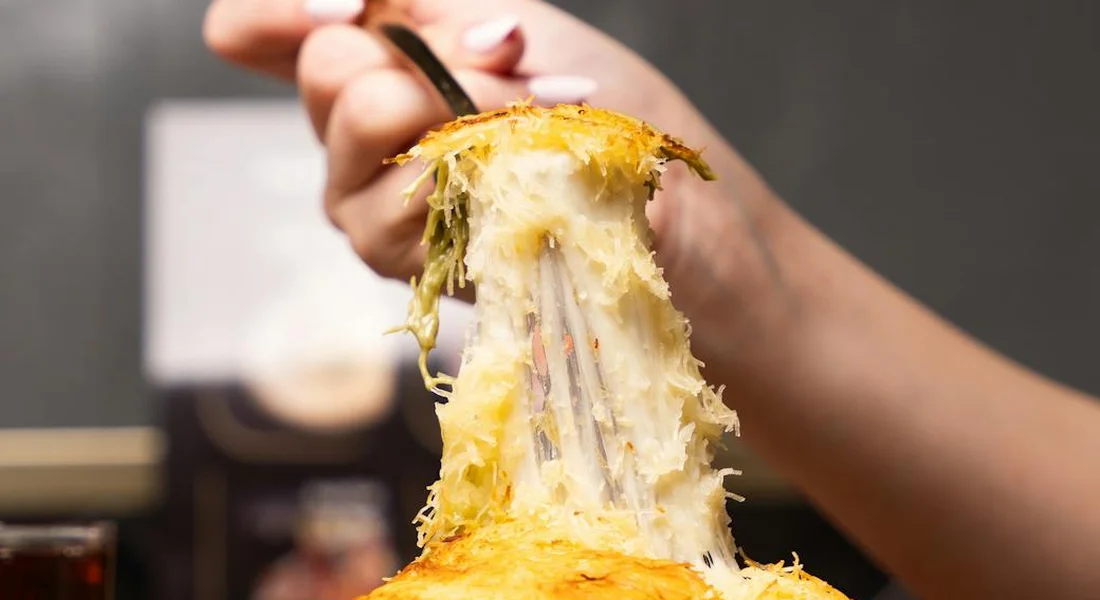
Think of your cast iron skillet as a thermal battery. Once it’s charged with heat, it discharges that energy slowly and steadily. This makes it the perfect tool for jobs where other pans would cool down and fail.
Here’s where that thermal mass truly shines:
- Searing Steaks: A ripping-hot cast iron surface won’t crash in temperature when a cold steak hits it. You get that perfect, crusty Maillard reaction from edge to edge.
- Baking Crusty Bread: The pan acts like a mini Dutch oven, radiating intense, steady heat that creates explosive oven spring and a shatteringly crisp crust.
- Making Deep-Dish Pizza: The heat from the pan cooks the bottom crust thoroughly and evenly, preventing a soggy middle while the top finishes.
- Frying: It maintains a stable oil temperature, so your food absorbs less grease and comes out crispier. No more temperature dips with each new batch.
- Slow, Even Simmering: For stews or braises, it provides gentle, diffused heat that prevents hot spots and scorching on the bottom.
Its usefulness extends beyond the stove. A cast iron skillet or trivet will keep food warm at the table long after you’ve taken it off the burner. My favorite deep skillet is my go-to for no-knead bread because of the steady, radiant oven heat it provides, giving me a professional-quality loaf every single time.
The Limitations: When Its Heat Hold Works Against You
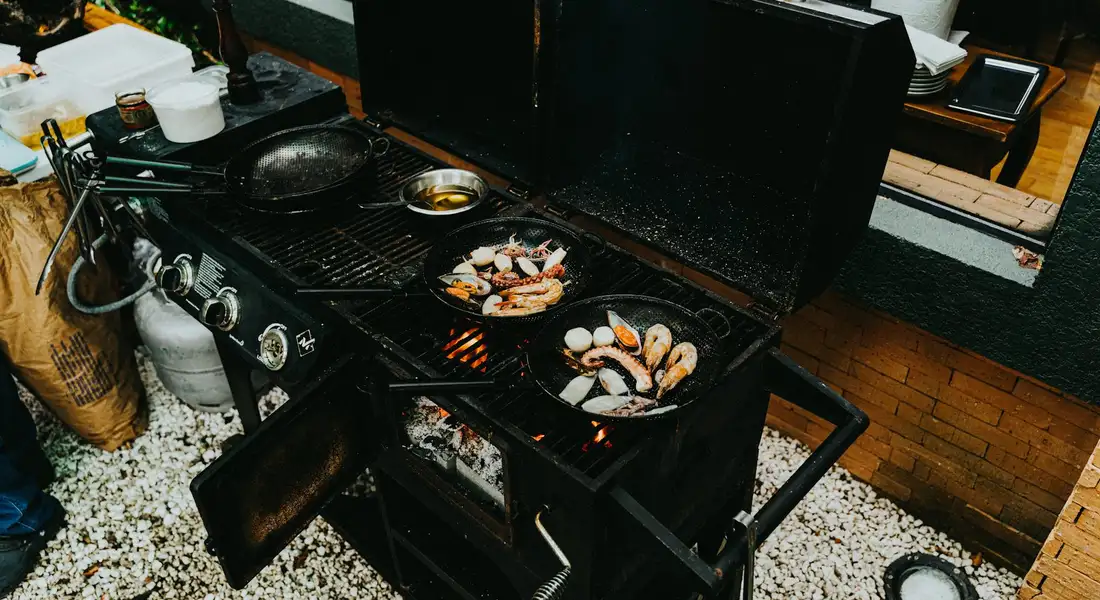
That same glorious heat retention is a double-edged sword. Understanding its weaknesses is just as important as celebrating its strengths.
You should probably reach for a different pan when:
- You need quick, precise temperature changes. Making a delicate pan sauce that requires you to rapidly lower the heat from a boil to a simmer is frustratingly slow with cast iron.
- You’re just trying to boil water quickly. A thinner, more responsive pan like stainless steel or aluminum will get the job done in half the time.
- You have wrist or hand strength concerns. That thermal mass comes from dense, heavy metal. A full 12-inch skillet is a serious piece of cookware to maneuver.
The most common mistake I see is impatience during preheating. Because cast iron heats slowly, if you turn the burner to high and immediately add food, the heat hasn’t evenly distributed yet. You’ll get intense hot spots that burn your food while other areas remain undercooked. Always preheat on a medium-low to medium heat for at least 5 minutes for consistent results.
Caring for a Pan That Holds Heat So Well
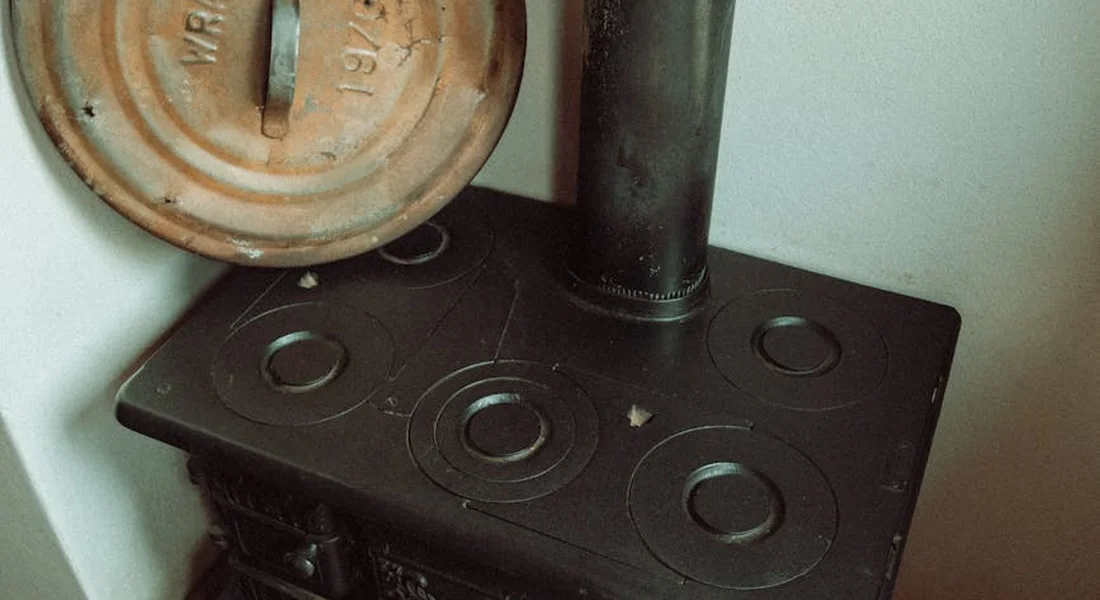
All that thermal mass makes your pan a powerhouse, but it also means you’re dealing with serious energy. Think of it like a big, heavy thermal battery. Because it heats slowly and holds so much heat, rapid temperature changes create stress within the iron. This can lead to permanent damage if you’re not careful.
Your maintenance routine needs to respect the physics. The goal is to manage heat input and output gradually, letting the entire mass of the pan adjust evenly.
Preheating Protocol
This is the most important habit you can build. Never crank the burner to high and walk away. Cast iron heats unevenly at first because the metal under the direct flame expands faster than the outer edges and handle.
Always start on low to medium-low heat and give your pan at least 5 to 10 minutes to warm up thoroughly. You’ll know it’s ready when the entire cooking surface feels hot to the touch, not just the center. I learned this the hard way with a vintage skillet that now has a slight, permanent wobble from my impatient younger days.
Here is a simple low-and-slow method:
- Place your clean, dry pan on a cold burner.
- Turn the burner to the lowest setting for 2-3 minutes.
- Increase to medium-low and let it preheat for 5-7 more minutes.
- Gently swirl your hand over the surface to check for even warmth before adding oil or food.
Cleaning and Cooling
Just as you warm it slowly, let it cool slowly. The sudden thermal shock of cold water on a blazing hot pan causes the iron to contract violently in some spots but not others. This stress can create a crack, often radiating from the center. You might even hear a loud “ping” or “crack” sound if it happens.
The rule is simple: never pour cold water into or onto a hot cast iron pan. Let it cool on the stovetop or on a heat-resistant trivet until it’s completely warm to the touch, not scalding hot. Only then should you begin cleaning with warm, soapy water.
For stuck-on food while the pan is still hot, deglaze with a small amount of warm water or broth. Use a wooden spatula to loosen the bits, then let the pan cool normally before a full wash.
Stovetop to Oven is Its Happy Place
This is where cast iron truly shines and feels no stress. Moving from a stovetop burner to a hot oven is a seamless transition for the metal. You’re not introducing a dramatic temperature drop, you’re often moving it into an environment of similar or greater ambient heat.
Because the pan heats so evenly and retains heat so stubbornly, it doesn’t flinch when you switch cooking methods. This stability is why recipes love telling you to sear a steak on the stove and then finish it in the oven. The pan’s temperature won’t plummet when you open the oven door. It just keeps on cooking consistently, unlike thinner materials that can cool rapidly.
Just remember to use an oven mitt! That handle holds heat just as tenaciously as the cooking surface.
When to Seek Professional Help for Heating Issues
Most cast iron care is straightforward home maintenance. But sometimes, the thermal stress wins, and the damage is beyond a simple re-seasoning. In this context, “professional help” means contacting a skilled cast iron restorer or, for very new pans, the manufacturer. This is not a job for a general handyman.
You should consider professional advice in a few specific scenarios:
- A Visibly Warped or “Spinning” Pan: If the pan rocks noticeably on a flat surface and you can’t get solid contact, it’s warped. Severe warping from overheating is often permanent and ruins even heat distribution forever.
- A Severe Crack or “Heat Ring”: A thin hairline crack might be stable, but a wide crack or a raised ring around the cooking surface is a structural failure. It can worsen with use and is a safety risk.
- Chronic, Unexplained Hot Spots: If one area consistently burns food even after multiple proper seasoning layers and careful preheating, there might be a flaw in the iron itself or extreme, localized thinning.
Severe warping is typically not fixable at home, and a professional can confirm if a pan is safe to use or should be retired. I keep one of my first warped pans in my workshop as a reminder-it’s a dedicated bread baker now, since the warp doesn’t matter in the oven, but it’s useless on my flat-top stove.
Common Questions
Does the way I clean my cast iron affect its heat retention?
Absolutely. The number one threat to your pan’s heat-holding structure is thermal shock from improper cleaning. Always let the pan cool completely to warm before washing. Plunging a searing-hot pan into cold water can cause a permanent crack, as the iron contracts unevenly and violently.
My skillet holds heat so well in the oven. Does that change how I maintain it?
It reinforces the core rule: manage temperature changes gradually. When moving from a hot oven to your stovetop or counter, place it on a trivet, not a cold or wet surface. That massive heat capacity means it’s still transferring serious energy long after you turn the oven off, and sudden cooling from below can cause stress.
I’ve heard seasoning traps heat. Is that true, and should I worry about it?
No. A proper, thin polymerized seasoning layer is not an insulator. It creates a smooth surface for efficient heat transfer from the iron to your food. What you must worry about is thick, carbonized gunk, which can create hot spots and actually insulate. Keep your seasoning lean and your pan clean for best performance.
Putting Cast Iron’s Heat Retention to Work
The key takeaway is to always preheat your pan slowly and completely, letting that dense iron fully absorb the energy. This simple step transforms its natural heat-holding ability into even, consistent cooking performance for every meal. To protect that prized thermal mass for the long haul, I often write about the fundamentals of seasoning and rust prevention on the site.
Sources and Additional Information
- Heat retention myths and facts: Does cast iron hold heat better than clad? Is clad better than disc-base at retaining heat longer?
- r/AskCulinary on Reddit: What do people mean when they say “Cast iron stores more heat”?
- The Science of Cast Iron: Why It’s the Best Cookware for Heat Retention and Even Cooking
- How to Use Cast Iron Over Any Heat Source – Lodge Cast Iron
Joseph Gerald
A material science expert by profession, Joseph is also an avid cook. He combines his 10+ years expertise in material science and metallurgy with his passion for cast iron cookware to bring you best hands on advice. His expertise ranges from types of cast iron cookware to best seasoning tips as well as restoration of vintage cast iron utensils. Joe is here to help you solve all your cast iron cookware queries and questions.