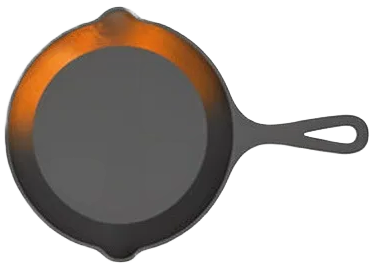
Is Your Cast Iron or Stainless Steel Pan Safer and More Durable?
When you love your cast iron, it’s natural to wonder how it stacks up against the other workhorse in the kitchen-stainless steel. You’re not just choosing a pan; you’re choosing a long-term partner for your stove.
Let’s look at the facts you care about most. This article will cover:
- Material safety: how each metal interacts with your food.
- True durability: which one handles decades of daily use and high heat.
- The real upkeep: comparing the seasoning cycle to stainless steel’s polish.
- My own experience using both for years in a busy home kitchen.
Key Takeaways: Your Quick Snapshot
Let’s cut through the noise. Both cast iron and stainless steel are safe and durable, but they work in different ways. Your best choice depends entirely on how you cook and what you’re willing to care for.
Here’s a direct comparison to help you see the differences at a glance.
| Feature | Cast Iron | Stainless Steel |
| Safety | Non-reactive when well-seasoned; can leach small, generally beneficial amounts of dietary iron. | Inherently non-reactive and non-porous; does not interact with food. |
| Durability | Virtually indestructible if protected from rust; can chip or crack from severe impacts or thermal shock. | Extremely tough; resistant to chipping, cracking, and warping under normal use. |
| Maintenance | Requires a seasoned surface; avoid prolonged soaking and harsh detergents to preserve it. | Low-maintenance; can handle dish soap, scrubbing pads, and dishwasher cycles. |
| Best For | Searing, frying, baking, and where heat retention is key. A living, evolving kitchen tool. | Quick-cooking, sauces, boiling, and acidic dishes. A consistent, workhorse pan. |
The core truth is that durability and safety are outcomes of how you use and care for the pan, not just the material it’s made from. This guide is here to help you match the tool to your lifestyle, not to crown an overall champion.
What Does “Safe Cookware” Really Mean?
When we talk about “safe” pans, we’re really asking one question: will this material react with my food? This chemical reactivity can sometimes transfer trace amounts of the metal into what you’re cooking, which is called leaching.
Reactivity: Seasoning is Your Shield
Bare cast iron can react with acidic ingredients like tomatoes or wine. You might taste a metallic flavor, and the food can sometimes take on a darker color. The magic of a well-maintained cast iron skillet is that you’re never cooking on bare metal. You’re cooking on a layer of polymerized oil called seasoning.
Think of this seasoning like a hard, slick coat of paint on a fence. That paint protects the iron underneath from the rain. In the same way, a good layer of seasoning protects the iron from your tomato sauce, creating a safe, non-reactive cooking surface.
Stainless steel works differently. It’s an alloy designed to be non-reactive all on its own. You can simmer vinegar in a stainless pot for hours with no metallic taste. This inherent stability is its primary safety advantage.
The Truth About Iron Leaching
Yes, cooking in cast iron can increase the iron content of your food. This naturally raises the question: does cooking with cast iron actually add iron to your meals? For most people, this is a safe, minor dietary boost. In my own kitchen, I see this as a feature, not a flaw. We’ll explore how much iron you might actually get in the next steps.
The amount of iron transferred is small and considered beneficial for many, but it can noticeably alter the taste and color of highly acidic foods cooked for a long time. If you’re making a slow-simmered ragù, you might prefer the neutral result from stainless steel. For quick sears or frying, the effect is negligible.
A Simple Analogy: Jewelry on Your Skin
Consider the difference between an iron ring and a stainless steel ring. The iron ring will likely rust and could discolor your skin. The stainless steel ring will stay shiny and inert. This is a clear example of reactivity. In your cookware, seasoning stops the “rust and discoloration” part, while stainless steel’s nature simply doesn’t allow it to start.
The Durability Showdown: Iron vs. Stainless Steel Strength
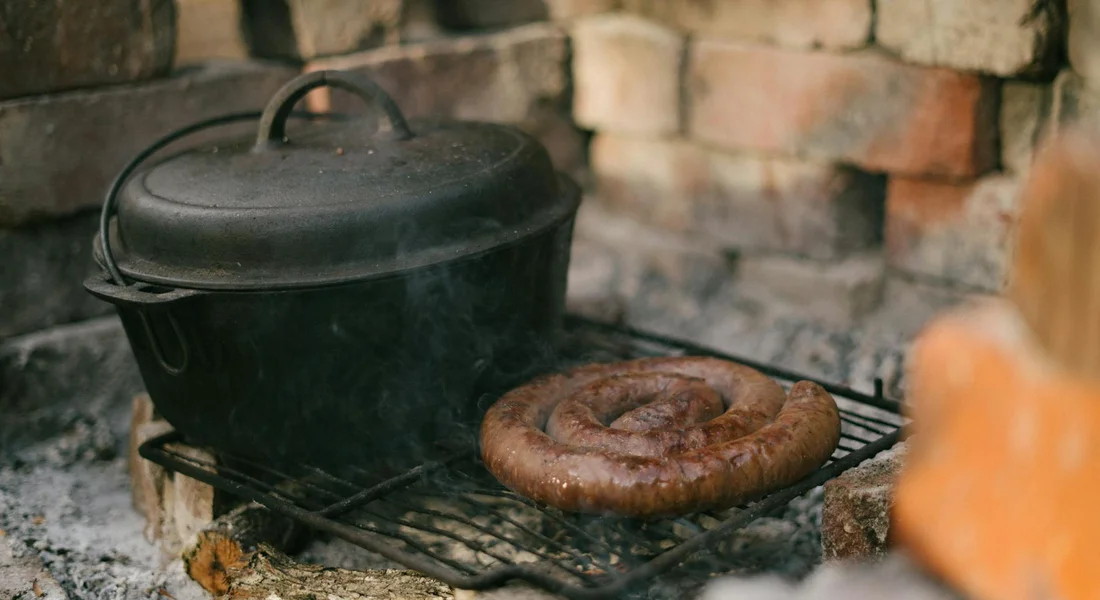
When we call a pan “durable,” we usually mean two things: how well it stands up to physical force and how long it lasts over decades of use. The materials themselves give us our first big clue. Think about the difference between a cast iron power cage in a gym and stainless steel brake rotors on a car. One is a single, massive piece designed to bear enormous, static weight. The other is a precisely engineered part built to handle intense, repeated stress and heat. Your cookware follows a similar principle.
Cast Iron: The Unbendable Brittle
Cast iron is incredibly hard and rigid. You will never dent it. That solid chunk of iron resists deformation, which is why a vintage pan can look and feel the same as it did 80 years ago. Its weakness isn’t bending, it’s breaking. Like glass, cast iron is brittle. A sharp, hard drop on a hard floor can crack it. So can thermal shock-taking a screaming-hot pan and running it under cold water. The metal can’t handle that sudden, extreme change.
Stainless Steel: The Tough but Malleable One
Stainless steel, especially the multi-ply used in good cookware, is much tougher. It’s designed to flex slightly under impact, absorbing energy rather than shattering. It’s highly resistant to cracking. Its weakness is that it can warp under extreme, uneven heat or bend under enough force. A cheap, thin stainless pan on a roaring burner might develop a slight curve, causing it to wobble on your glass stove top.
Two Different Definitions of Longevity
This brings us to the core idea of durability for these materials. For stainless steel, durability is about the integrity of its fused metal layers. If those layers stay bonded and the pan doesn’t warp catastrophically, the cooking surface is permanent and mostly inert.
For cast iron, the story is different. The durability of cast iron isn’t just in the iron itself, but in the renewable, protective coating you build on top of it: the seasoning. The iron can last centuries, but it will rust without that cared-for layer. Its legendary durability is an active partnership between the permanent base metal and the maintainable surface you create.
Maintenance: The Care That Defines Longevity
This is where the rubber meets the road. How you care for these pans doesn’t just clean them; it directly dictates their functional lifespan. The maintenance ritual is the durability ritual.
Cast Iron: Maintenance as Preservation
Caring for cast iron is a cycle of protection. It’s not a chore, it’s the act of preserving your tool. Here’s what that looks like:
- The Seasoning Cycle: This is your pan’s non-stick and rust-proof coating. You build it by applying a thin layer of oil and polymerizing it with heat. It wears with use and is restored with more seasoning. A well-maintained pan gets better over time.
- The Drying Ritual: This is non-negotiable. After washing, you must dry it completely, every time. I always towel-dry mine, then put it on a low stovetop burner for a few minutes to evaporate any hidden moisture. This single habit stops rust.
- The Mindset: You’re not just cleaning a pan. You are drying, oiling, and heating to safeguard the iron. This maintenance is the direct contributor to its multi-generational durability.
Stainless Steel: Simplicity with Scars
Stainless steel maintenance is straightforward. You can scrub it with any soap, use metal utensils, and even run it through a dishwasher. Its surface won’t rust or degrade from harsh cleaners. The trade-off for this easy care is that it can show permanent wear. High heat can cause “clouding” or rainbow-colored discoloration. Stubborn stains can etch themselves into the metal. These marks don’t hurt performance, but they don’t buff out like a scratch on a seasoned surface can.
Price Versus Long-Term Value
This maintenance reality changes the value conversation. A $20 raw cast iron skillet, with consistent seasoning and proper drying, will become a superb, non-stick cooking surface that improves for decades. A $20 thin stainless steel pan will likely warp, cook unevenly, and its performance will never change. With cast iron, your effort directly translates into enhanced performance and longevity, making even a budget pan a lifetime investment. With stainless, you often need to invest more upfront in a quality, multi-ply construction to get durability you don’t have to actively manage – something you’ll want to consider when looking at cast iron vs. stainless steel durability and performance.
Common Mistakes That Compromise Safety and Durability
Even the best cookware can be undermined by a few simple errors. The good news is, these are easy to fix once you know what to look for. Think of these not as failures, but as lessons that every cook learns on the way to a better kitchen.
Cast Iron Blunders
Cast iron is tough, but it has a few specific vulnerabilities. The biggest threats are moisture and abrupt temperature changes, which can affect its metallurgy.
- Letting it air-dry. Water is the enemy. Leaving a wet pan to dry on its own is an open invitation for rust to start forming, sometimes in just an hour or two.
- Scrubbing with harsh abrasives. Using steel wool or a harsh scrubber on a well-seasoned pan is like using sandpaper on a finished wooden table. It strips away the protective polymerized oil layer you’ve worked so hard to build.
- Shocking a hot pan with cold water. Thermal shock can cause cast iron to crack or warp. If your skillet is screaming hot from the oven or burner, let it cool down on the stovetop for a few minutes before you even think about rinsing it.
- Storing it while damp or with the lid on. Trapping any moisture, even from steam, creates a perfect environment for rust. Always ensure your pan is bone-dry and store it with the lid off or a paper towel inside to absorb ambient humidity.
I learned the storage lesson the hard way with a Dutch oven I’d just washed, and now I make a point of towel-drying and then giving it a quick warm-up on the burner.
Stainless Steel Slip-ups
Stainless steel’s strengths are its even heating and reactivity, but misuse can lead to permanent damage.
- Overheating an empty pan. Leaving a dry stainless pan on high heat can cause it to warp, creating a wobbly cooking surface. It can also create a permanent rainbow-colored “heat tint” on the metal that is very difficult to remove.
- Using abrasive cleansers or pads. While stainless is hard, abrasive powders and green scrub pads can leave fine scratches that dull the mirror finish and make food stick more over time.
- Expecting a cheap, thin pan to perform like a heavy-duty one. Putting an inexpensive, lightweight stainless pan under a high broiler or on maximum burner heat is a fast track to severe warping. Thicker, clad pans distribute heat to handle these stresses.
- Assuming non-stick means no preheating or fat. Stainless steel requires proper preheating and a bit of oil or fat to be non-stick. Crank the heat, throw in food, and wonder why it’s fused to the pan is a classic mistake we’ve all made.
Choosing Your Pan: A Guide Based on How You Cook
The best pan for you isn’t about which material is objectively “better.” It’s about which one is better for the way you actually use your cookware. Many seasoned cooks keep both on hand for different jobs.
When to Reach for Cast Iron
Think of your cast iron as a heat battery and a searing powerhouse. Its mass and seasoning make it ideal for specific tasks, especially when considering the thermodynamics of cast iron.
- High-heat searing and frying. It holds temperature brilliantly when you add a steak, preventing the pan from cooling down and steaming the meat.
- Baking and oven use. From cornbread to a large roasted chicken, cast iron goes from stovetop to oven seamlessly.
- Slow, gentle simmering of non-acidic foods. Think stews, braises, or gravy. The even, retained heat is perfect for these, but avoid long cooks with tomatoes or wine.
- Any cooking where superior heat retention is the goal. It keeps food warm at the table far longer than other materials.
If your cooking revolves around getting a perfect crust on proteins or you love one-pan meals that start on the stove and finish in the oven, cast iron is your indispensable tool.
When Stainless Steel Is the Smarter Choice
Stainless steel excels at reactivity, speed, and easy cleanup, making it the go-to for a different set of kitchen tasks.
- Cooking frequent acidic dishes. Making a tomato sauce, a pan sauce with wine or vinegar, or a lemon butter sauce? Stainless steel won’t react with the acids or strip your seasoning.
- Quick deglazing and making pan sauces. The uncoated, non-reactive surface allows those flavorful browned bits (the fond) to release easily when you add liquid.
- Recipes requiring precise, quick temperature changes. Stainless heats up and cools down faster than cast iron, giving you more immediate control.
- For anyone who prefers or needs dishwasher cleaning. While handwashing is often recommended, quality stainless steel can handle the dishwasher without damage, which is a major practical advantage for some kitchens.
You don’t have to pick one forever. I keep my cast iron skillet for steaks and breakfast and my stainless sauté pan for sauces and quick sautés. Having at least one of each material covers virtually every cooking technique you’ll encounter at home.
The Final Verdict: A Lifetime vs. A Long Time
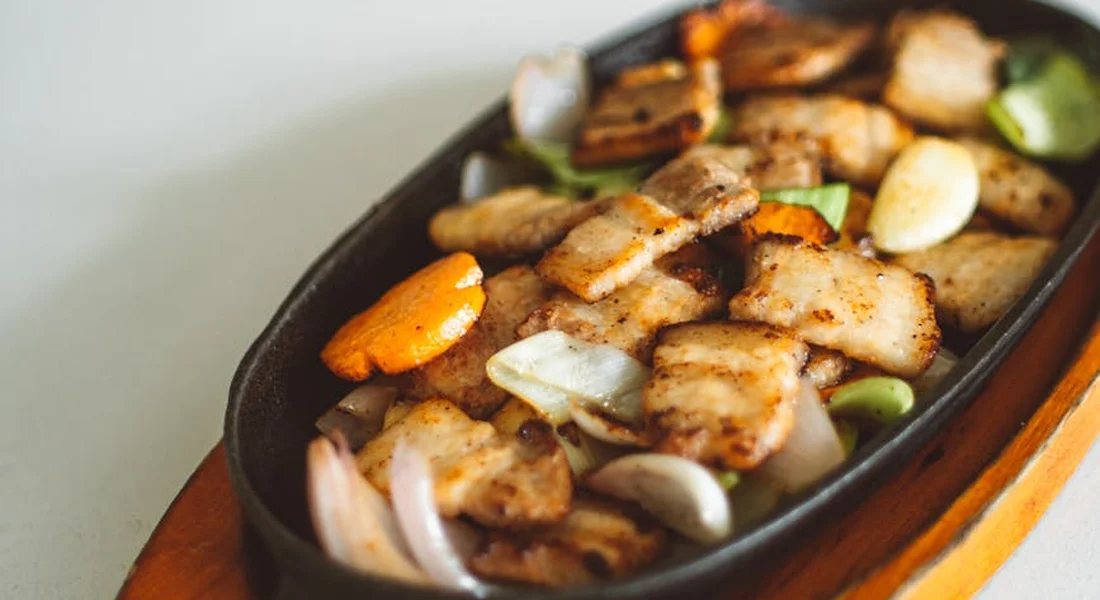
Let’s settle the safety question first. Both cast iron and high-quality stainless steel are completely safe for cooking. Their cooking surfaces are non-toxic and inert. However, when it comes to choosing between cast iron and stainless steel, there are other factors to consider for your kitchen.
You won’t be leaching harmful chemicals from either material during normal use. The safety of your cookware comes down to how you use and care for it, not an inherent danger in the metal.
When used correctly, both cast iron and stainless steel provide a perfectly safe foundation for your meals.
The Active Durability of Cast Iron
Cast iron’s legendary durability is an active partnership. That skillet on your shelf isn’t just a piece of metal, it’s a project. Its longevity depends directly on your participation, especially when it comes to assessing and repairing any damage to your cast iron skillet.
The seasoning-that baked-on layer of polymerized oil-is a living finish. It can chip, wear, or rust if neglected. But with basic care, it can also be repaired and improved forever. I have a skillet from my grandmother that had to be completely stripped and re-seasoned after it was left in a damp shed. It’s now my best performer.
This “active” durability means a cast iron piece can literally last for centuries, passing through generations. Its survival isn’t automatic, it’s earned.
Cast iron offers multi-generational durability, but only if you embrace the simple, ongoing ritual of maintaining its seasoned surface.
The Passive Durability of Stainless Steel
High-quality stainless steel, particularly with a clad construction, offers a different kind of toughness. Its durability is largely passive.
You buy it, you use it, you clean it with soap and a scrubber. There’s no seasoning to protect, no special drying ritual to prevent rust. It won’t react with acidic foods. It can go in the dishwasher without a second thought. A well-made stainless pan is engineered to withstand decades of this routine with zero special treatment.
It’s the “install and forget” option. While it may not become a century-old heirloom, its lifespan of several decades of hard, careless use is impressive and requires almost no thought from you.
A high-quality stainless steel pan provides exceptional, worry-free durability for decades, asking for nothing more than a basic wash.
Choosing Your Kitchen’s Foundation
So, which one is more durable? The answer depends entirely on you.
If you enjoy the process of caring for a tool, of building up a non-stick surface over years, and you love the idea of using the same pan your grandchildren might, then cast iron’s active durability is your match.
If you want phenomenal performance with absolute minimal maintenance, and the idea of a pan that can handle any kitchen mistake, then stainless steel’s passive durability is the clear winner.
The most durable kitchen isn’t the one with the “best” cookware, it’s the one where the tools match the cook’s habits and care routine.
Your choice defines the type of durability you’ll get. Both are excellent paths to a kitchen that lasts.
Common Questions
How often do I need to re-season my cast iron pan?
You only need to do a full re-seasoning if the surface is stripped, rusted, or sticky. For routine upkeep, a quick stovetop seasoning after drying-a thin wipe of oil heated until smoking-is sufficient to maintain the layer. A well-used pan builds its seasoning stronger with regular cooking.
Can I ever put my cast iron in the dishwasher?
No. The dishwasher’s detergent and prolonged moisture will aggressively strip the seasoning and cause the iron to rust. Hand-wash with hot water and a gentle brush, then dry it thoroughly and immediately on the stove. This non-negotiable ritual is what guarantees its lifetime.
Is it true I shouldn’t use metal utensils on cast iron?
That’s a myth. In reality, you can use metal utensils with cast iron without damaging it. One of cast iron’s strengths is that it can handle metal spatulas and spoons. In fact, they help keep the seasoning surface smooth by scraping away carbonized food bits. Just avoid using them to gouge or chip at the pan’s edge with excessive force.
Trusting Your Cast Iron for Generations
The single best thing you can do is to maintain a robust, black seasoning on your cast iron; this is what makes it safe from rust and supremely durable. I’ve seen skillets passed down for decades with nothing more than this consistent care. If you’re new to this, our guides on fixing thin seasoning or removing stubborn rust are great next steps.
Research and Related Sources
- r/Cooking on Reddit: Stainless steel or cast iron?
- Cast Iron vs. Stainless Steel: What’s the Difference? – Made In
- Cast Iron vs Stainless Steel: Which is Better for Your Kitchen? | Misen
Joseph Gerald
A material science expert by profession, Joseph is also an avid cook. He combines his 10+ years expertise in material science and metallurgy with his passion for cast iron cookware to bring you best hands on advice. His expertise ranges from types of cast iron cookware to best seasoning tips as well as restoration of vintage cast iron utensils. Joe is here to help you solve all your cast iron cookware queries and questions.